
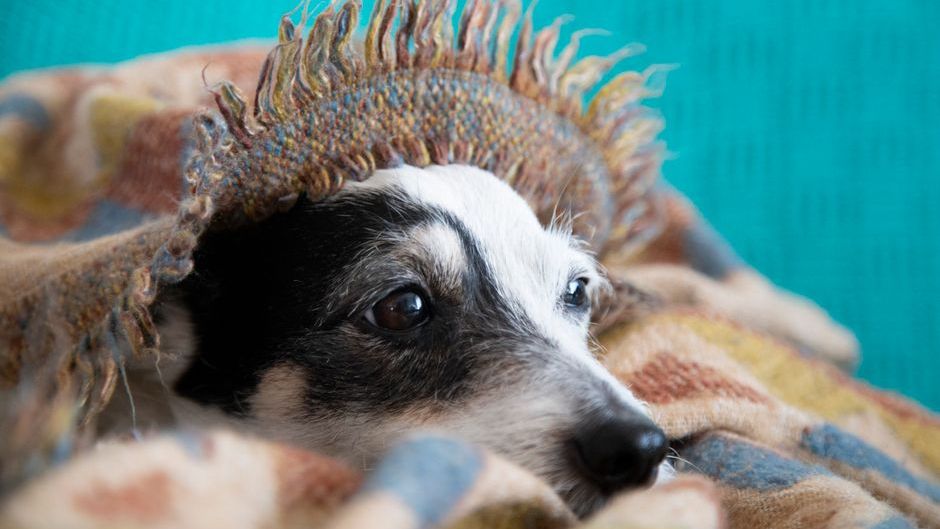
Many people notice their dog burrowing under the blankets at night and simply smile at the habit. Yet the choice to allow that closeness often runs deeper than convenience or affection for a pet. It can reflect quiet patterns formed long before the dog arrived in the home.
Those patterns sometimes trace back to early experiences where emotional needs went unmet or misunderstood. Allowing the dog that intimate space becomes a small, repeated act of repair. The behavior feels ordinary on the surface, but it carries layers worth noticing.
The Pull Toward Shared Warmth
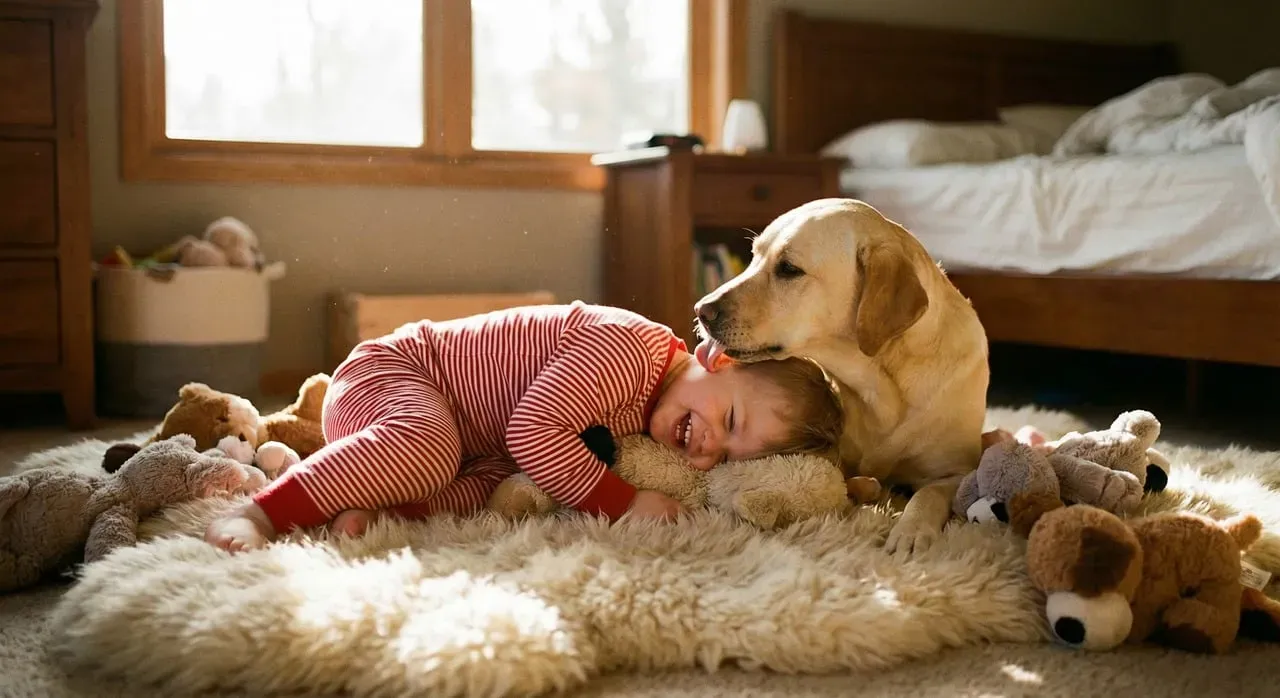
Children who grew up without consistent physical comfort often carry a subtle longing for it into adulthood. A dog that curls close under the covers offers steady body heat and presence without any demand for conversation or explanation. This simple arrangement satisfies a need that once went unanswered during nighttime hours or moments of distress.
Over time the ritual becomes familiar and safe. The weight of the blanket combined with the dog’s steady breathing creates a contained environment that feels protective. People rarely plan this habit, yet it emerges naturally when the opportunity appears.
Attachment Styles That Shape Nighttime Choices
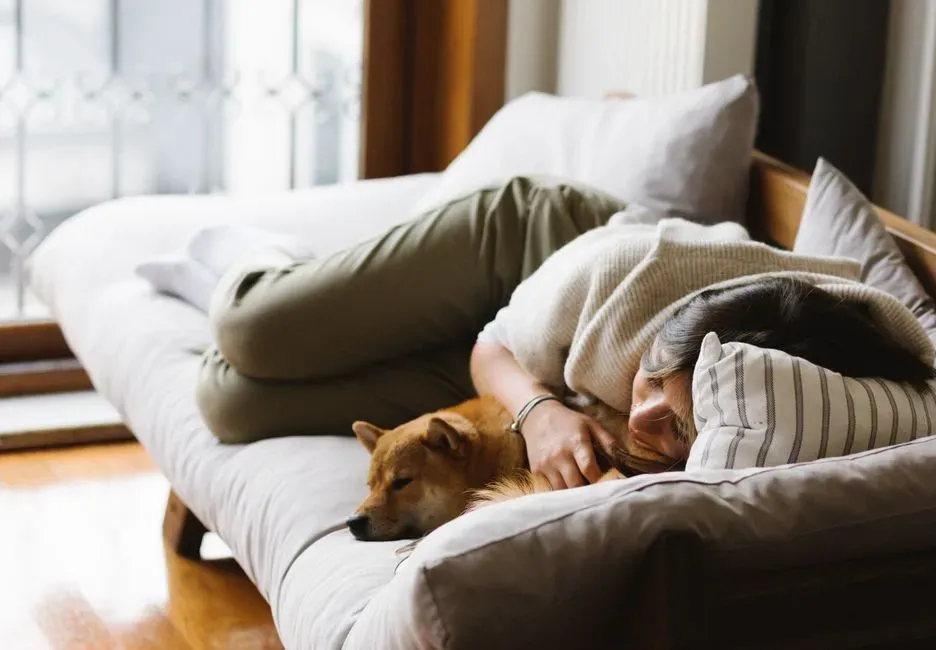
Early relationships teach the nervous system what closeness should feel like. When those lessons involved inconsistency or emotional distance, later bonds with animals can fill the gap in gentle ways. A dog under the covers provides reliable contact that does not require verbal negotiation or fear of rejection.
Psychologists note that such preferences often appear in people whose childhood homes lacked predictable affection. The dog becomes a living reminder that connection can remain steady through the night. This arrangement supports a sense of security that feels both new and quietly familiar at once.
Trust Built Through Small, Repeated Acts
Allowing a dog under the covers requires a measure of vulnerability each evening. The person must accept the dog’s presence in their most private space without conditions. For those who learned early that closeness could lead to disappointment, this nightly decision represents a gradual rebuilding of trust.
The dog does not judge restlessness or need for space. It simply settles in and stays. Over months or years these uneventful nights accumulate into a different internal story about what safety can look like.
Comfort That Requires No Performance
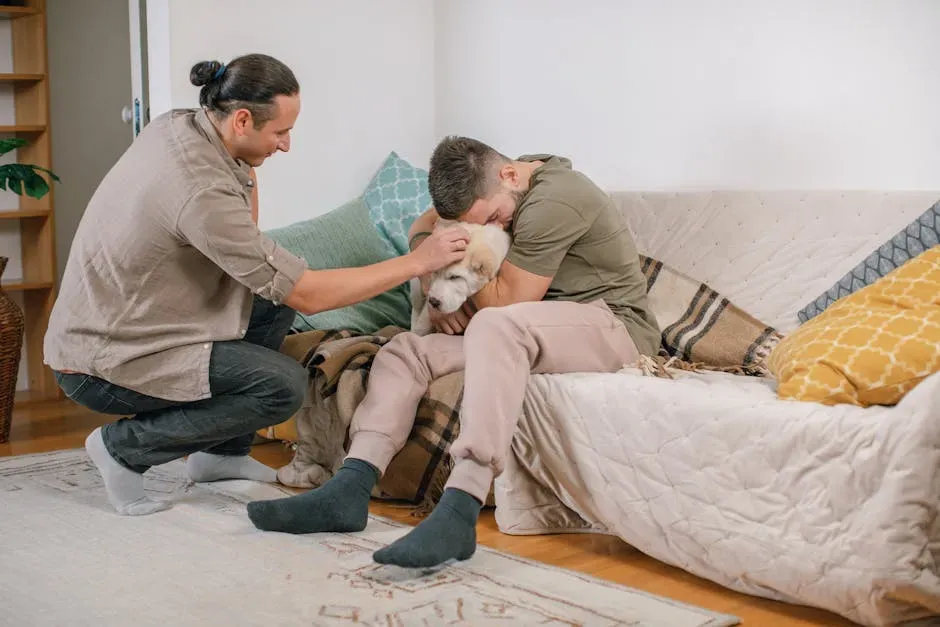
Many adults who experienced misunderstood childhoods spent years trying to earn approval or hide their needs. A dog under the covers asks for nothing beyond basic care and offers warmth in return. The exchange feels refreshingly free of performance or hidden expectations.
This lack of pressure allows the body to relax in ways that daytime interactions sometimes prevent. The darkness and shared space create room for rest without the need to explain feelings or manage another person’s reactions. The habit therefore serves both practical and emotional purposes at the same time.
Healing Through Consistent Presence
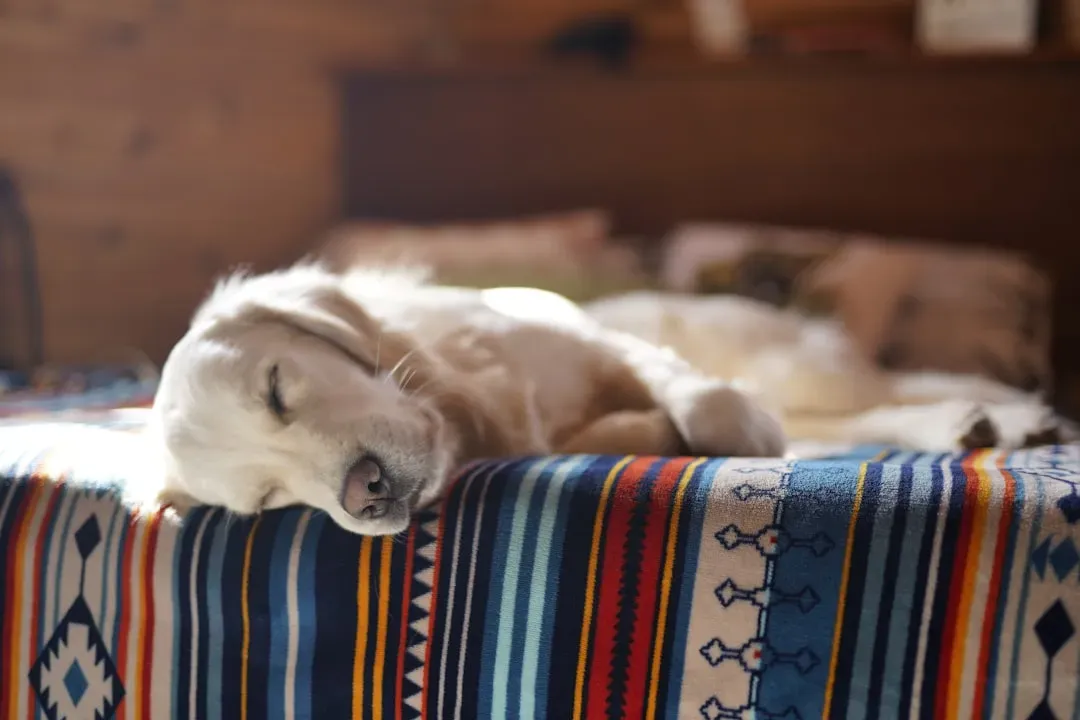
Childhood environments that lacked steady emotional availability can leave a lasting imprint on how safety is recognized. A dog that chooses the same spot under the covers every night supplies the kind of predictability that once felt rare. Each morning the person wakes to evidence that closeness did not disappear overnight.
These small consistencies add up. They quietly challenge old assumptions that connection must be earned or that it will eventually withdraw. The dog’s reliable presence becomes a living counterexample to earlier experiences.
Recognizing the Pattern Without Judgment
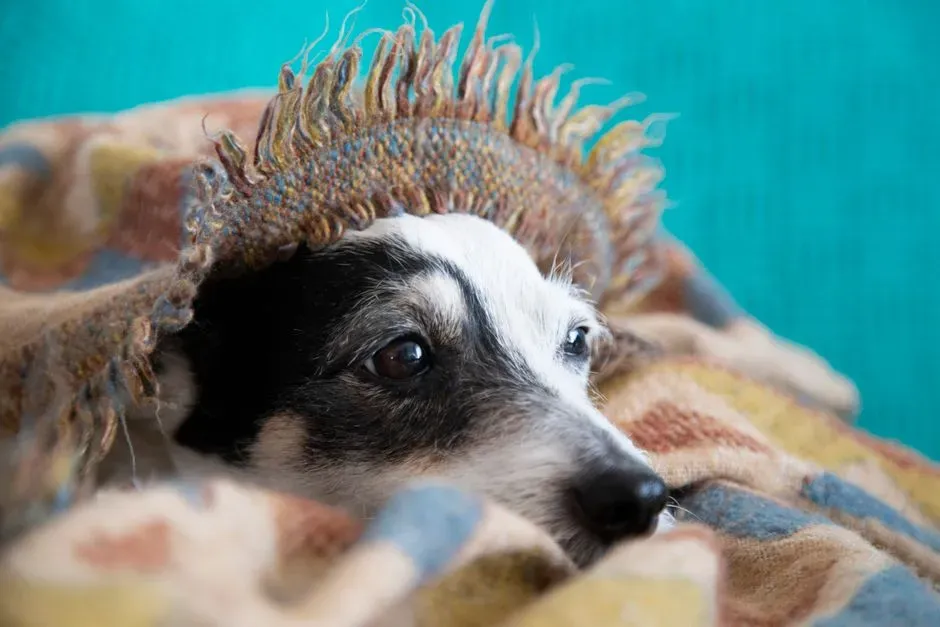
Not every person who lets a dog under the covers carries the same history. Still, when the habit feels especially meaningful or comforting, it can signal an unconscious effort to meet needs that went unmet earlier in life. Awareness of this possibility brings no requirement for dramatic change.
Many people simply continue the practice because it improves sleep and mood. Others begin to notice how the ritual supports a broader sense of ease during the day. Either response remains valid and personal.
A Gentle Form of Self-Repair

Healing from early emotional gaps does not always require formal therapy or dramatic gestures. Sometimes it arrives through ordinary choices that honor the body’s need for closeness and calm. Letting the dog share the bed at night represents one such choice that costs little yet delivers steady returns.
Over time the practice can soften the edges of old loneliness without ever naming it directly. The dog remains unaware of its role, yet the benefit stays real for the person who welcomes it. In the end the covers become a quiet space where past and present meet without conflict.


