
Fixed Staring Without Blinking
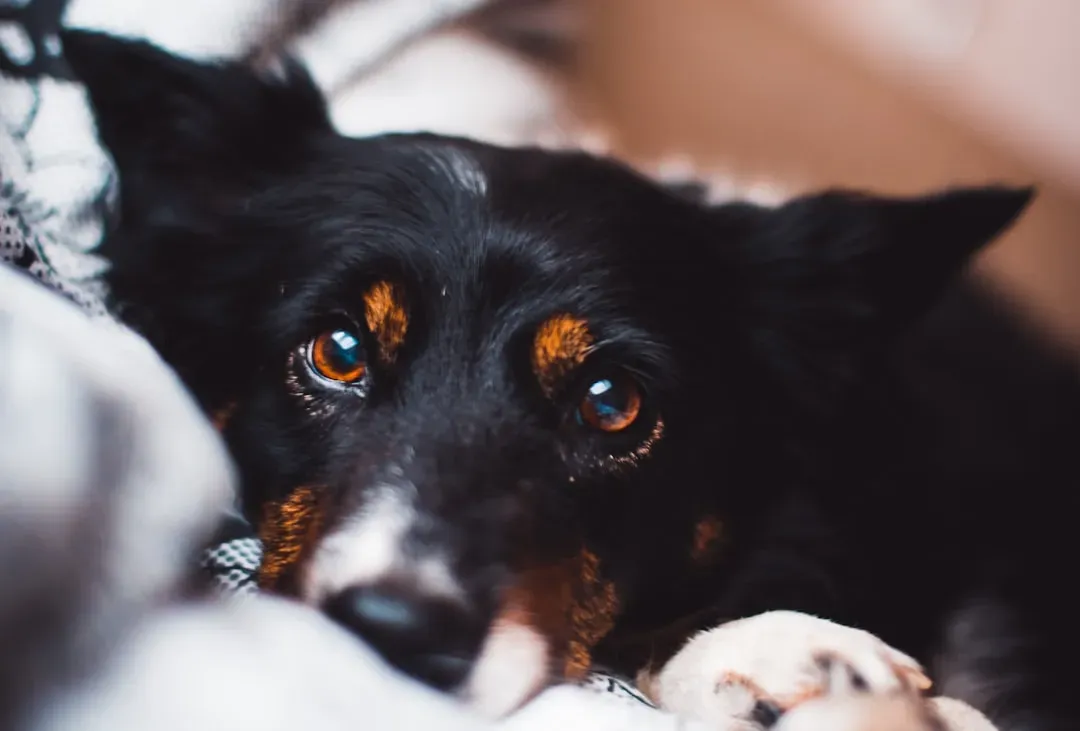
Dogs often lock eyes on someone when they sense tension or unease in that person’s presence. This prolonged gaze differs from their usual curious looks and can last several seconds at a time. It serves as an early indicator that something feels off to them.
Over repeated encounters the stare may intensify if the individual continues to project mixed signals through posture or tone. Owners notice their dog tracking the person across the room even during casual conversations. Such focus reflects the dog’s natural talent for reading subtle emotional shifts that humans might dismiss.
Tail Position That Freezes Mid Wag
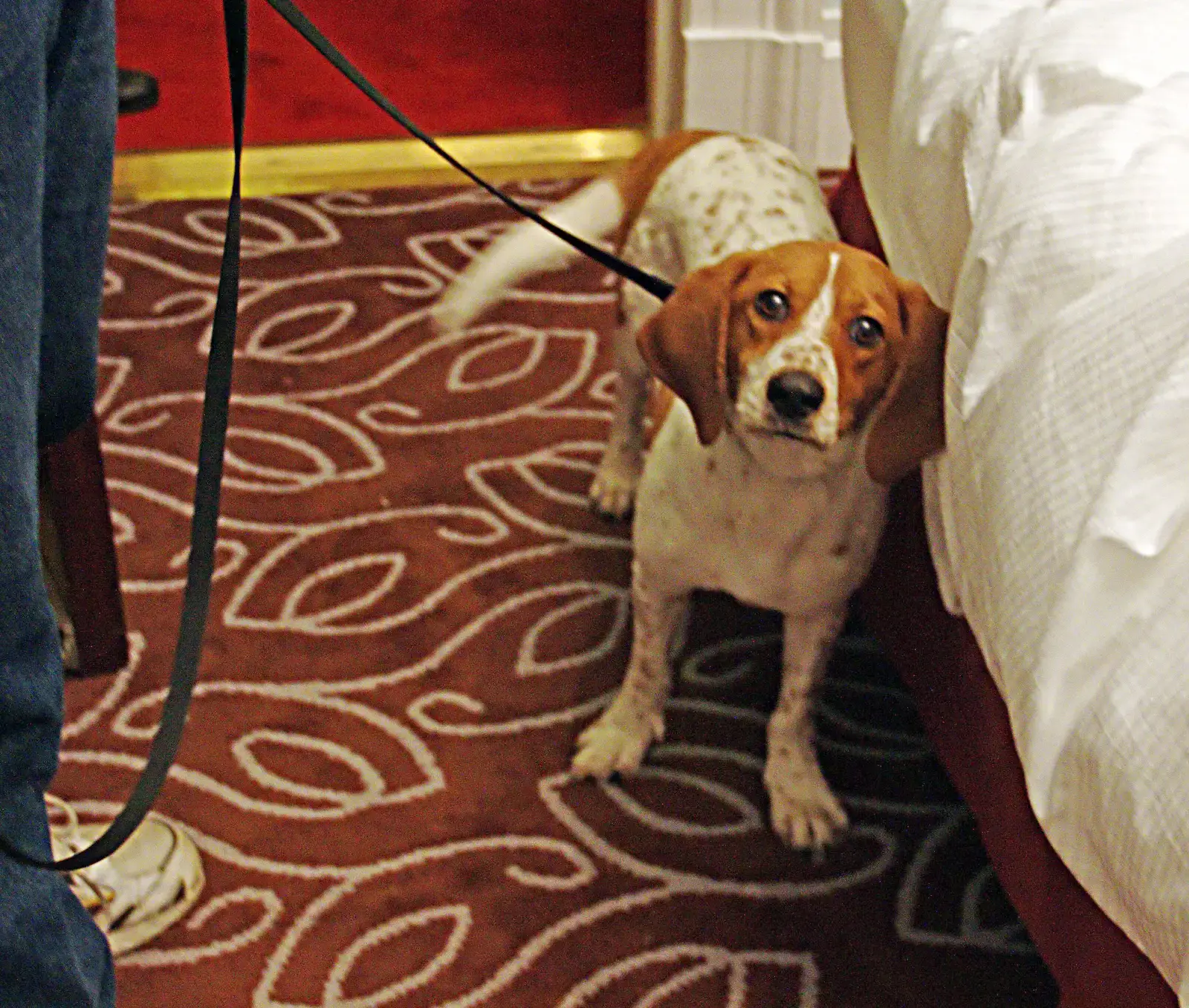
A tail that starts to wag but then halts abruptly often signals internal conflict in your dog. The movement stops short of full enthusiasm and the tail may lower slightly. This hesitation appears specifically around certain people rather than everyone.
Watch for this pattern during greetings or when the person reaches to pet the dog. It contrasts with the loose, sweeping wags reserved for trusted friends. The change hints at the dog’s assessment of reliability based on past micro interactions.
Repeated Yawning or Lip Licking
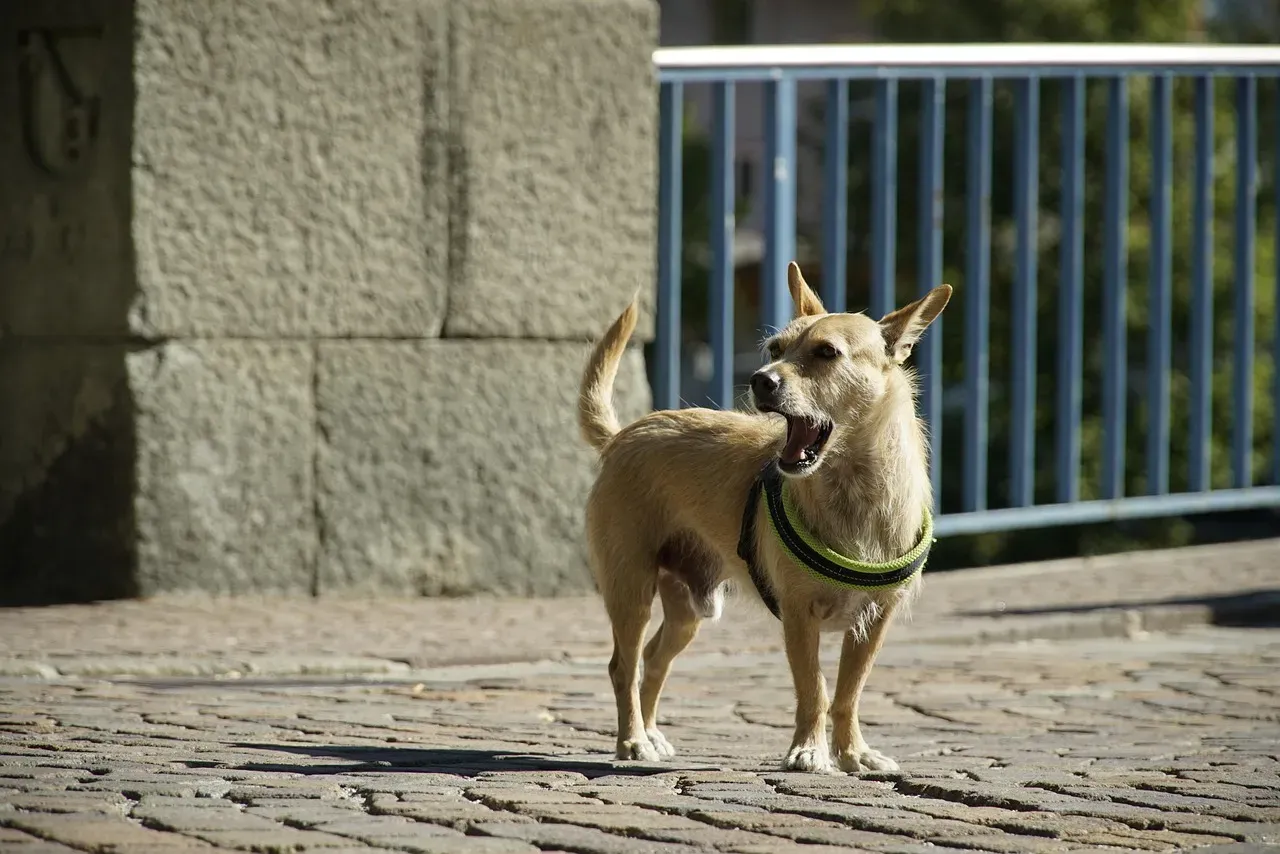
Stress signals like quick yawns or tongue flicks emerge when a dog feels mild discomfort. These actions occur more frequently in the company of individuals who carry anxious or deceptive energy. They function as self soothing mechanisms rather than signs of tiredness.
You might spot them during longer visits or when the person speaks in an overly polished manner. The frequency increases if the interaction drags on without genuine warmth. These small gestures accumulate into a clear pattern over time.
Body Blocking Between You and the Visitor
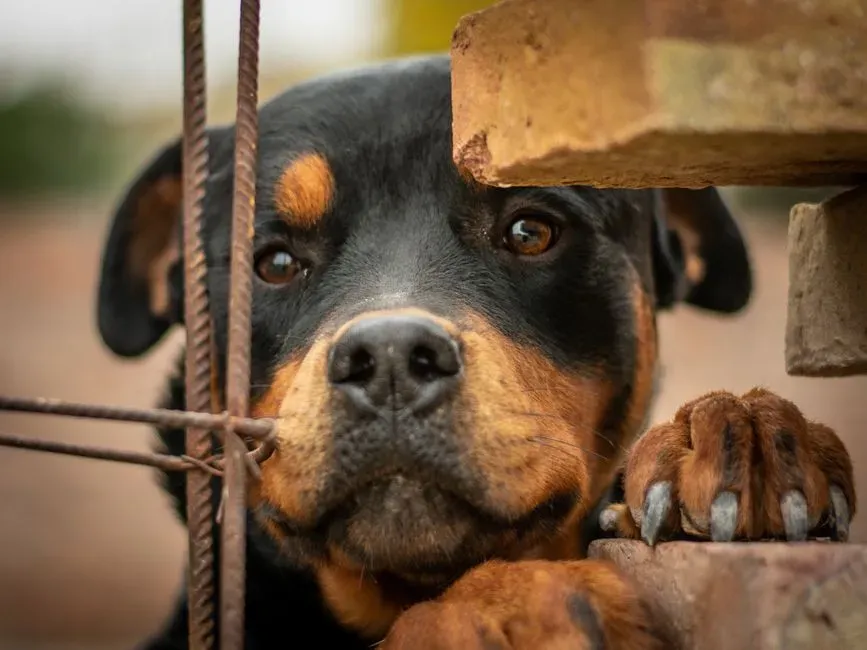
Some dogs position themselves physically between their owner and a questionable guest. They stand or sit in a way that creates a barrier without growling or barking. This protective stance develops after the dog has observed inconsistent behavior from that individual.
The placement feels deliberate and repeats across different settings like the living room or yard. It shows the dog prioritizing your safety based on accumulated impressions. Such positioning rarely happens with people the dog has fully accepted.
Selective Avoidance of Eye Contact or Touch
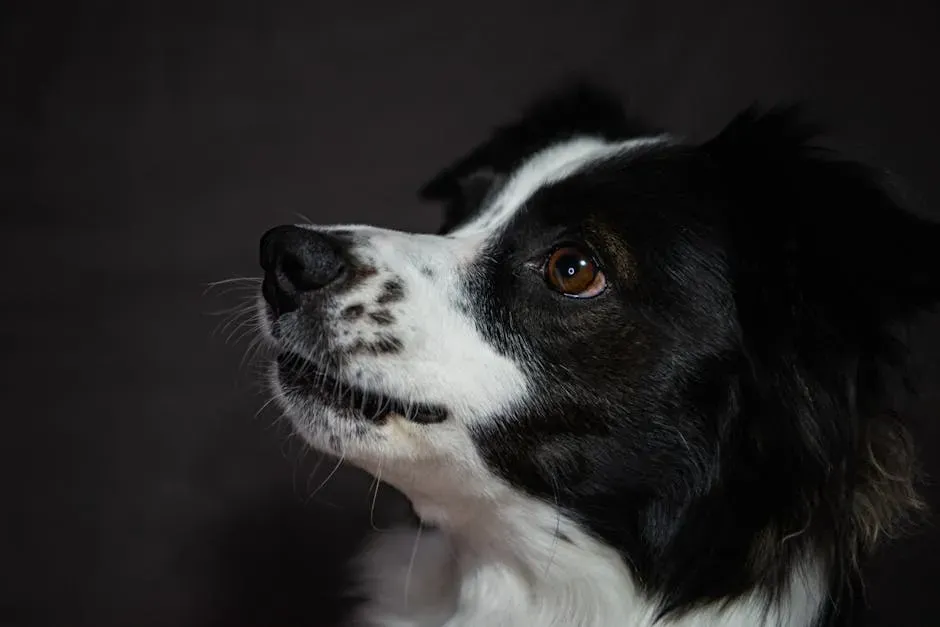
When a dog turns its head away or ducks from a pat offered by one specific person it reveals wariness. The avoidance stays targeted rather than applying to all visitors. It often pairs with a slight lean toward the owner for reassurance.
This reaction builds after the dog detects mismatches between words and actual feelings through scent or micro expressions. Owners see it most clearly during extended conversations where the person seems charming yet distant. The pattern strengthens with each encounter.
Soft Whining That Starts Unexpectedly
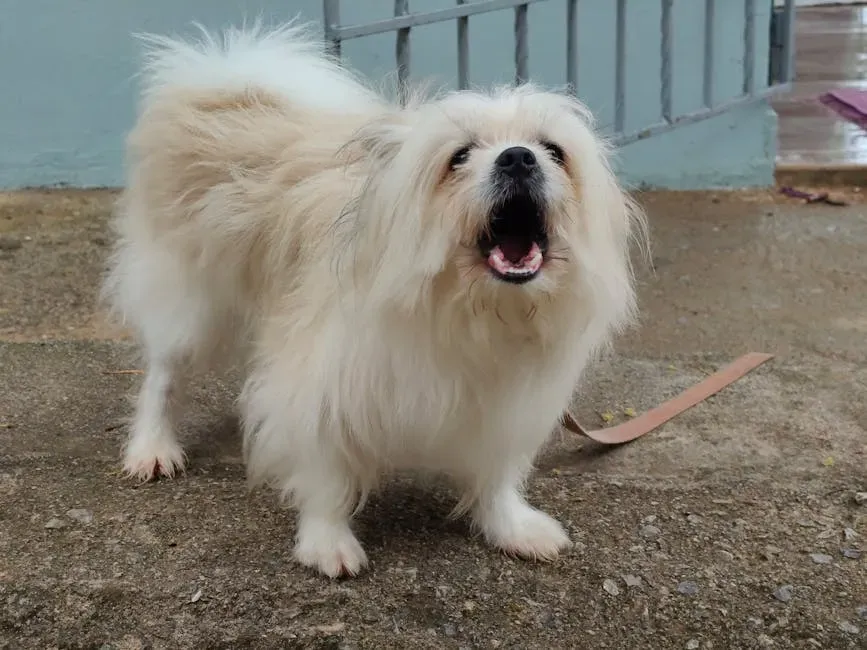
A low whine that surfaces only around certain individuals points to underlying unease. The sound remains quiet and brief yet consistent in those moments. It differs from excited vocalizations or requests for attention.
The whining tends to occur when the person first enters or during moments of direct interaction. It reflects the dog’s attempt to communicate discomfort without escalating to louder alerts. Many owners connect this cue to later revelations about the person’s character.
Refusal of Treats or Toys From That Person
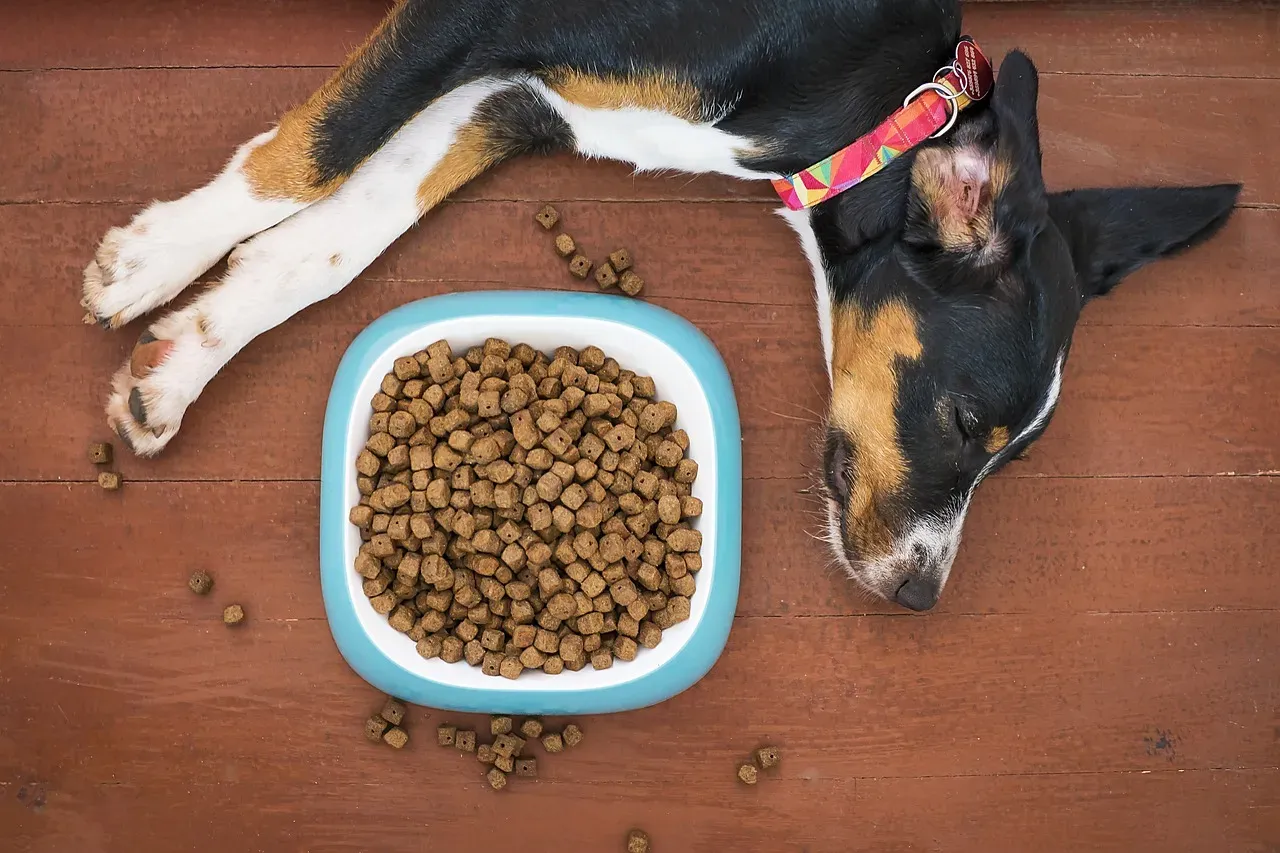
Dogs that normally accept offerings from strangers may turn away from items presented by one particular individual. The rejection happens calmly without aggression and repeats reliably. It signals the dog does not view the source as trustworthy.
This behavior emerges after initial exposures where the person displayed subtle inconsistencies. Owners often test it by offering the same treat themselves to confirm the selectivity. The distinction highlights the dog’s ability to form judgments based on observed actions.
Increased Clinginess or Seeking Your Reassurance
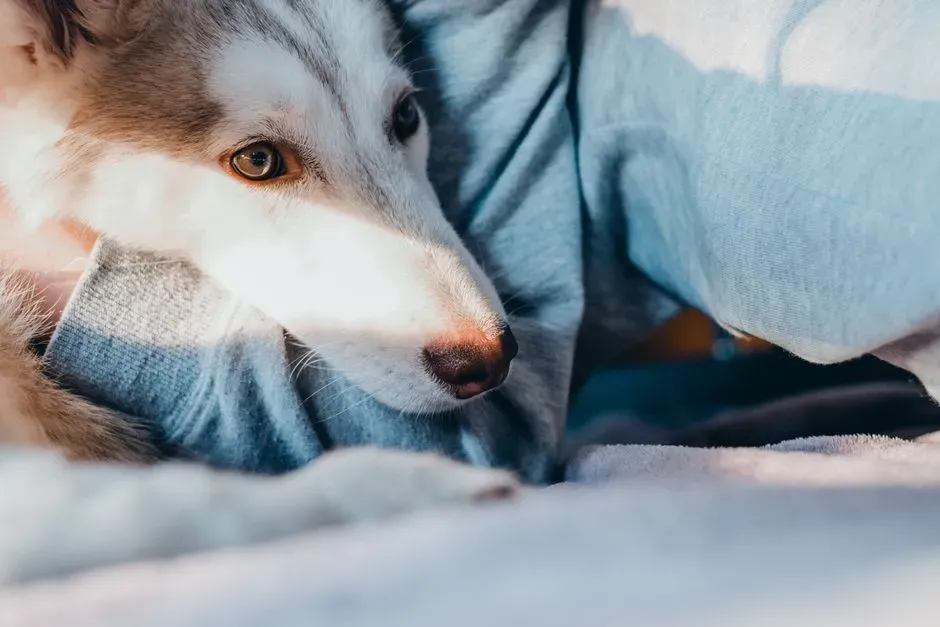
Your dog may press closer to you or nudge your hand more often when a certain person is present. The extra contact serves as a bid for comfort amid perceived uncertainty. It stands out against the dog’s usual independent demeanor.
The clinginess appears during group settings or one on one visits and fades once the individual leaves. It demonstrates the dog’s reliance on your presence as a safe anchor. Over time this pattern can align with discovering the person’s less reliable side.
Dogs offer these quiet observations as part of their bond with us rather than dramatic predictions. Trusting their instincts alongside your own judgment often leads to better choices in relationships. In the end their loyalty reminds us to value consistency in the people we let close.


