
Labrador Retriever
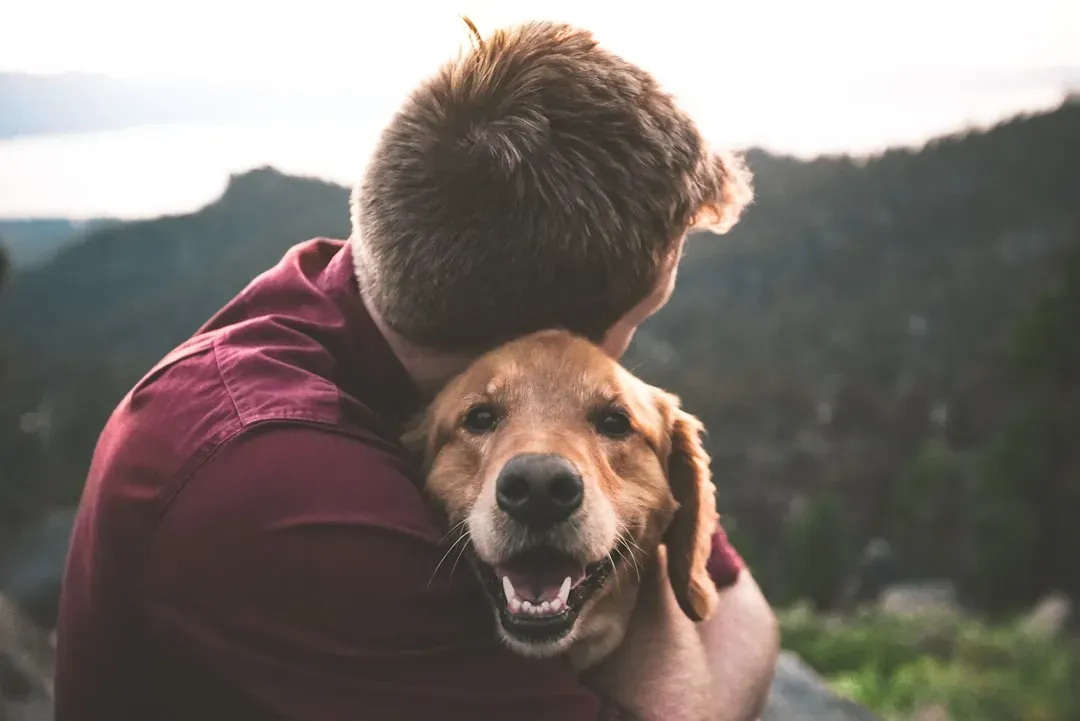
Labrador Retrievers rank among the most popular choices for emotional support roles because of their steady, people oriented nature. Their eagerness to please often translates into reliable presence during tense moments, whether through quiet sitting nearby or gentle play that distracts from racing thoughts.
Studies on dog interactions in general highlight how breeds like Labs encourage physical touch and routine walks that support daily calm. Owners frequently report these dogs adapt well to varied households, offering consistent affection without overwhelming energy demands.
Golden Retriever
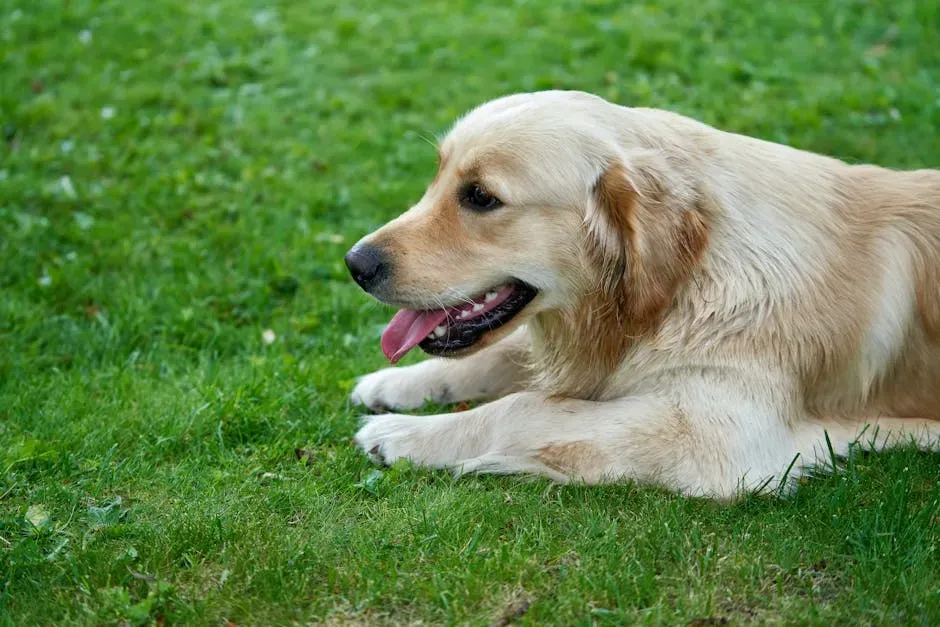
Golden Retrievers bring a soft, intuitive approach that many find soothing during anxious periods. Their friendly disposition encourages social outings like park visits, which can gently pull owners out of isolation while providing a sense of security through their loyal attachment.
These dogs tend to thrive on positive routines, making them steady partners for those seeking predictable comfort. General findings on pet ownership link such breeds to improved mood through shared activities and their natural tendency to mirror calm human energy.
Cavalier King Charles Spaniel
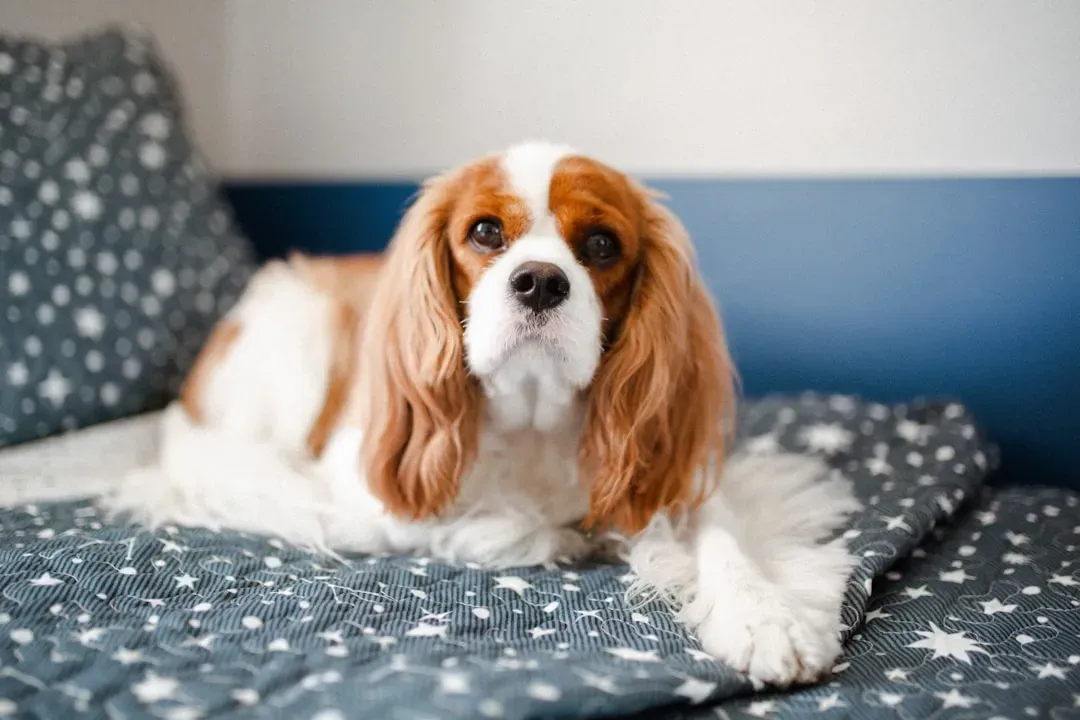
Cavalier King Charles Spaniels offer compact size paired with big hearted affection that fits easily into smaller living spaces. Their lap dog tendencies provide immediate tactile comfort, often helping owners feel grounded through simple closeness during stressful evenings.
Breed traits like patience and sociability make them suitable for people who value quiet companionship over high activity levels. Research into animal assisted interactions supports how such dogs contribute to lower perceived anxiety through steady, nonjudgmental presence.
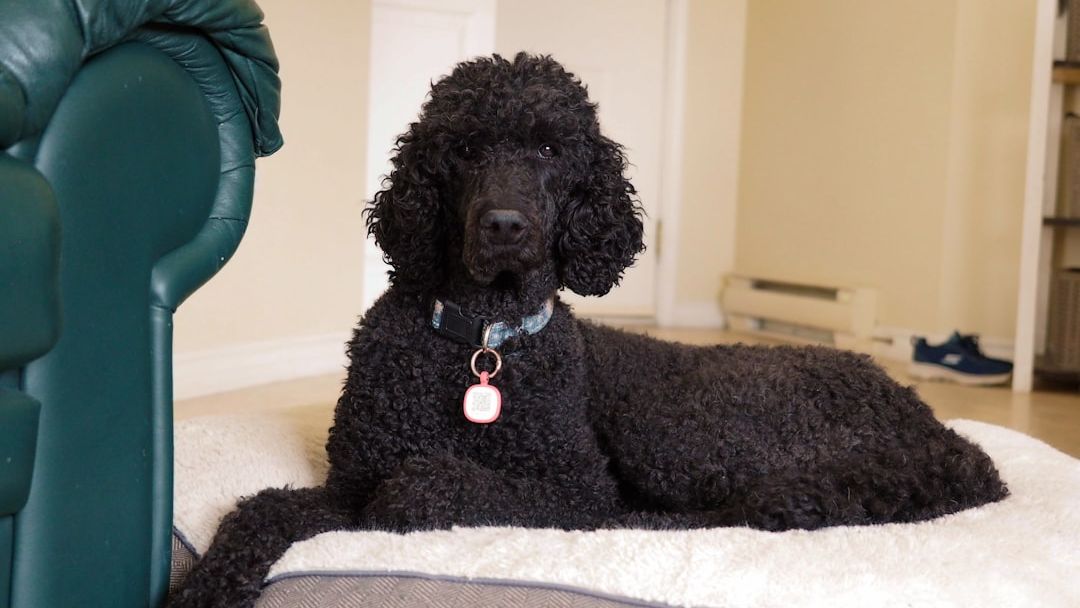
Poodle
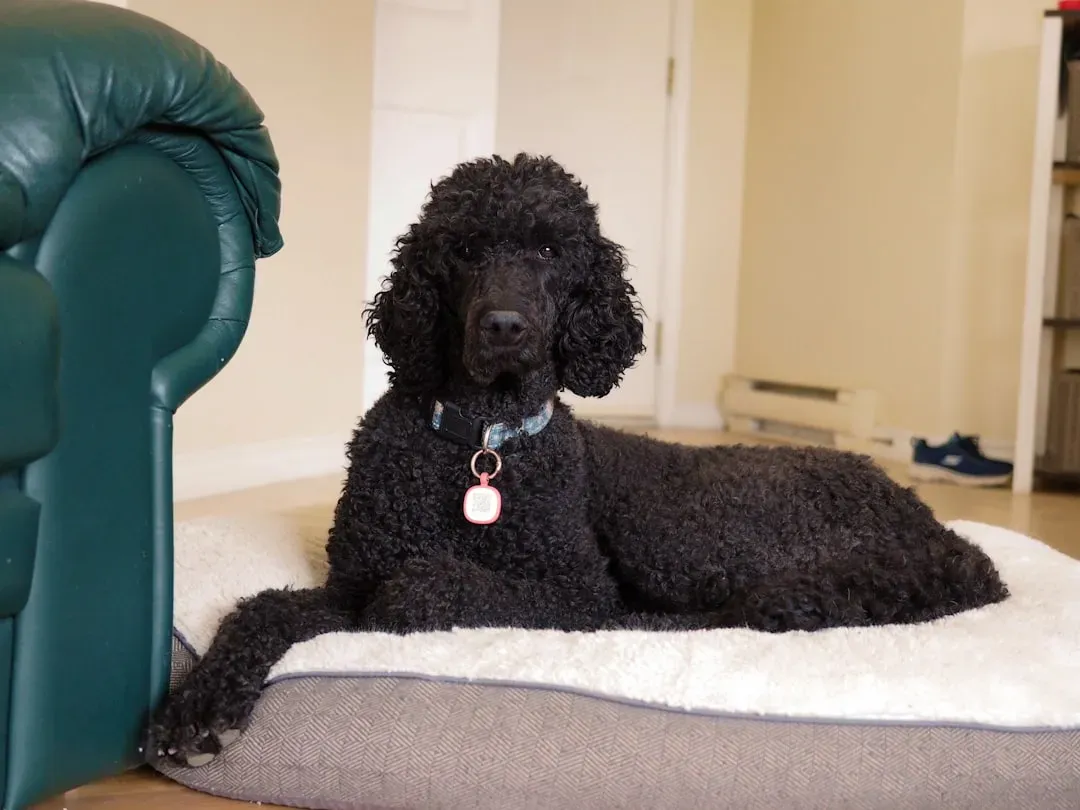
Poodles, whether standard or smaller varieties, combine intelligence with a trainable calm that suits structured anxiety management. Their hypoallergenic coats appeal to owners who want closeness without added concerns, allowing more relaxed daily interactions.
These dogs often excel in therapy settings due to their adaptable personalities and focus on human cues. Broader studies on dog human bonds note how intelligent breeds like Poodles can participate in calming routines that reinforce emotional stability over time.
Beagle
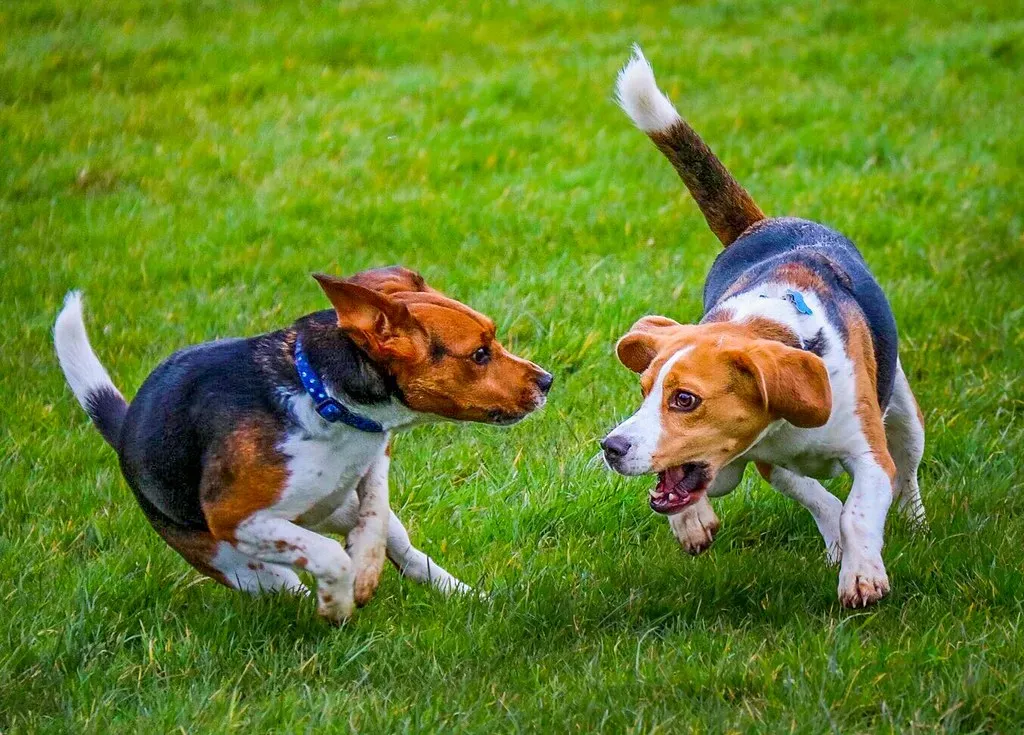
Beagles bring a cheerful, scent driven curiosity that can lighten heavy moods through shared outdoor exploration. Their moderate energy levels support regular walks that double as mindfulness breaks, helping owners stay present and connected to their surroundings.
Pack oriented instincts often mean these dogs enjoy close family integration, offering a sense of belonging that counters feelings of loneliness. Evidence from pet interaction research points to how such breeds promote positive routines that gradually ease everyday tension.
Bernese Mountain Dog
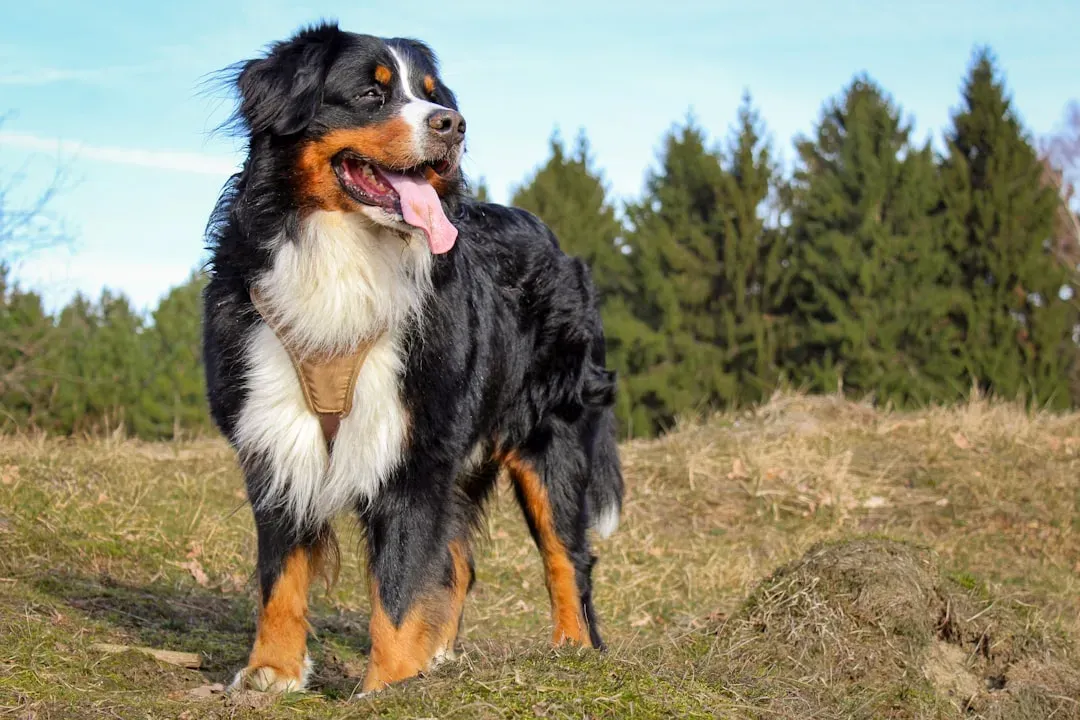
Bernese Mountain Dogs provide a large yet gentle frame that many describe as reassuring during moments of unease. Their calm demeanor and patience suit households looking for a steady anchor, with their thick coats inviting cozy contact on cooler days.
These working breed descendants often balance affection with independence, avoiding clinginess while remaining attentive. General observations from animal assisted therapy contexts suggest breeds with composed temperaments like the Bernese contribute to sustained feelings of safety and reduced worry.
Basset Hound
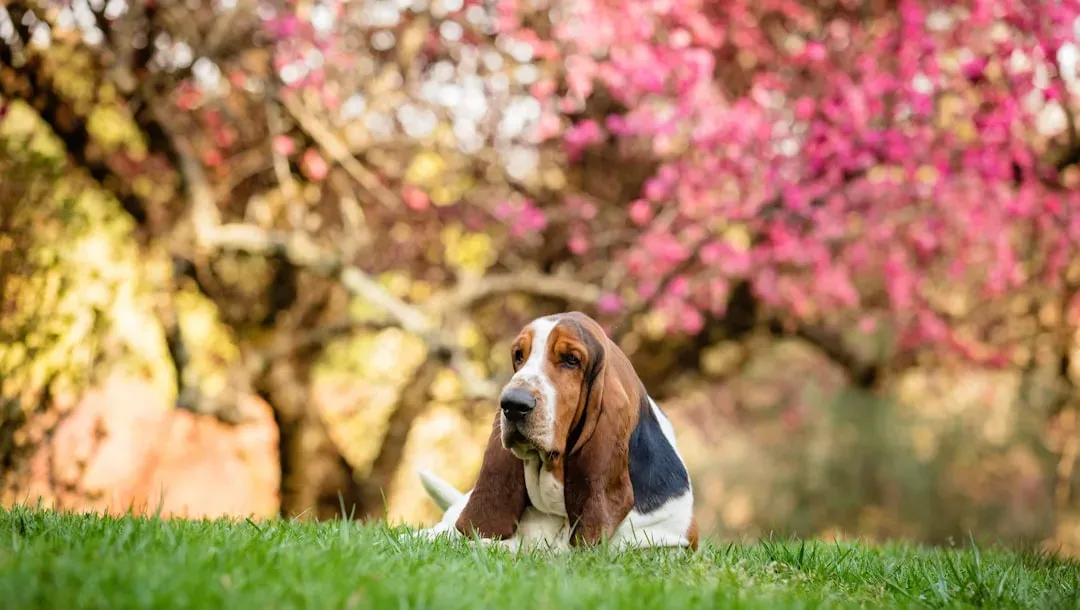
Basset Hounds deliver a laid back, droopy eyed charm that encourages slowing down and savoring quiet time. Their low key energy matches well with owners who prefer relaxed companionship over vigorous play, creating space for reflective moments together.
Strong scent tracking heritage translates into focused yet mellow outdoor time that can serve as a gentle reset. Pet related wellness findings emphasize how easygoing breeds foster consistent, low pressure interactions that support long term emotional balance.
The evidence for dogs easing anxiety rests mainly on general interactions rather than breed specific trials, yet these seven stand out repeatedly in recommendations for their approachable traits. Choosing a dog ultimately depends on lifestyle fit, and the real benefit often comes from the daily bond formed over time. In the end, the right companion can turn ordinary moments into sources of quiet strength.


