
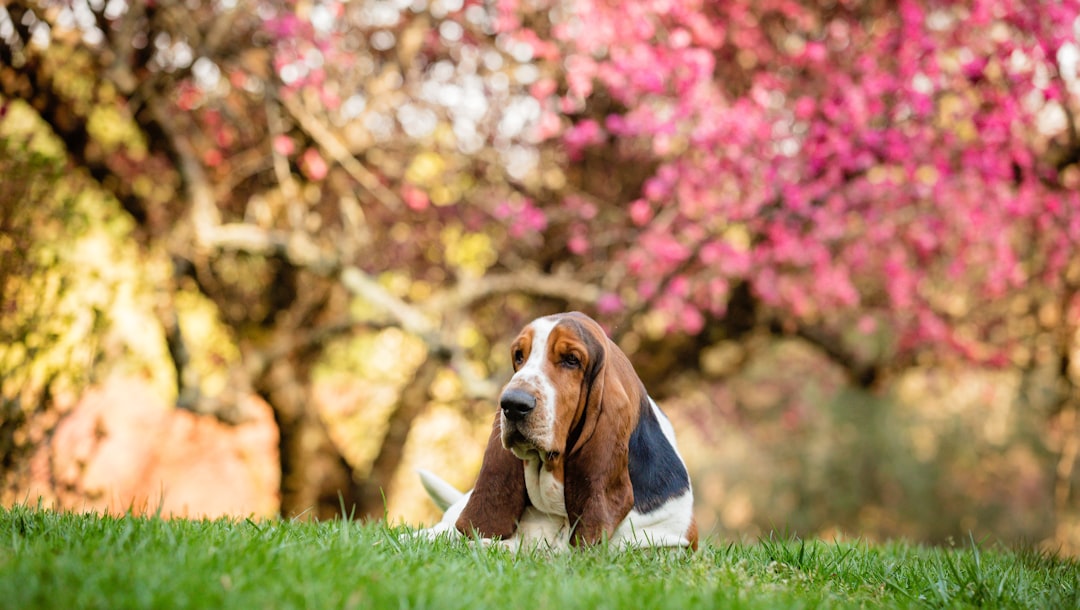
Many people who live with anxiety know the value of a steady presence when everything feels overwhelming. A dog that stays close without fidgeting or wandering off can make those moments more bearable. The breeds below have reputations for calm loyalty that often translates into quiet companionship during tough times.
Labrador Retriever
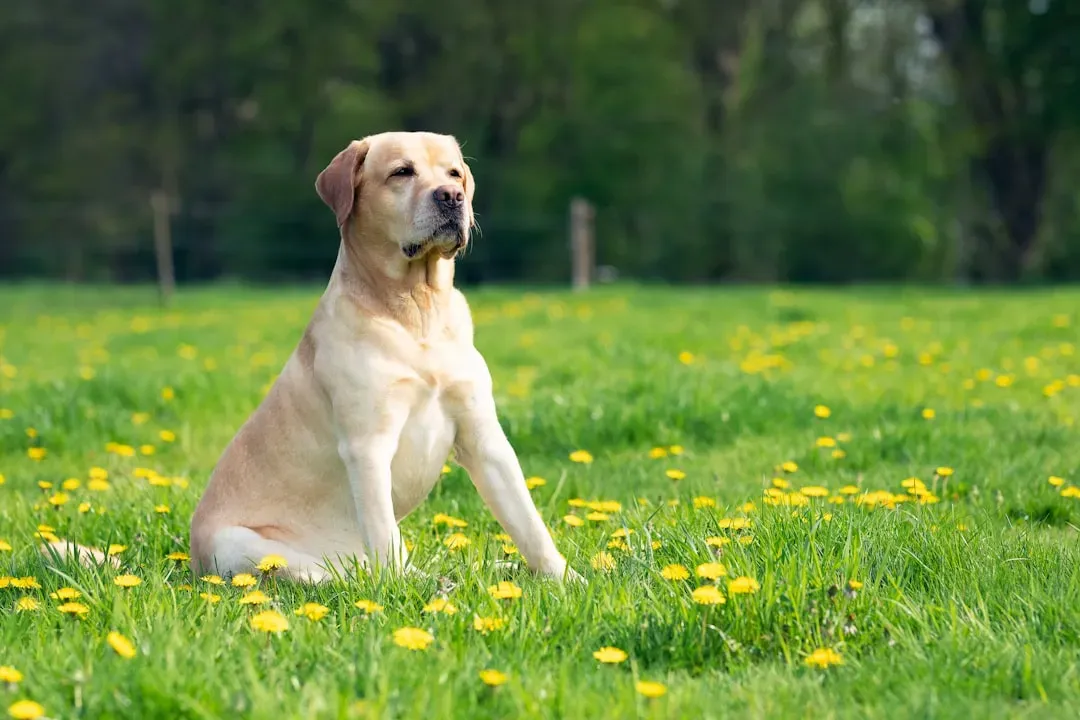
Labrador Retrievers are known for their steady temperament and strong desire to stay near their people. They often settle into a spot and remain there for long stretches, offering a consistent weight and warmth that can ground someone mid episode. Their even energy levels mean they rarely react with sudden movements that might add to the tension.
Many owners report that Labs seem to sense when stillness is needed and adjust their behavior accordingly. This breed tends to form deep attachments, which shows up as patient waiting rather than restless pacing. Their size also provides a reassuring physical presence without demanding constant attention or play.
Golden Retriever
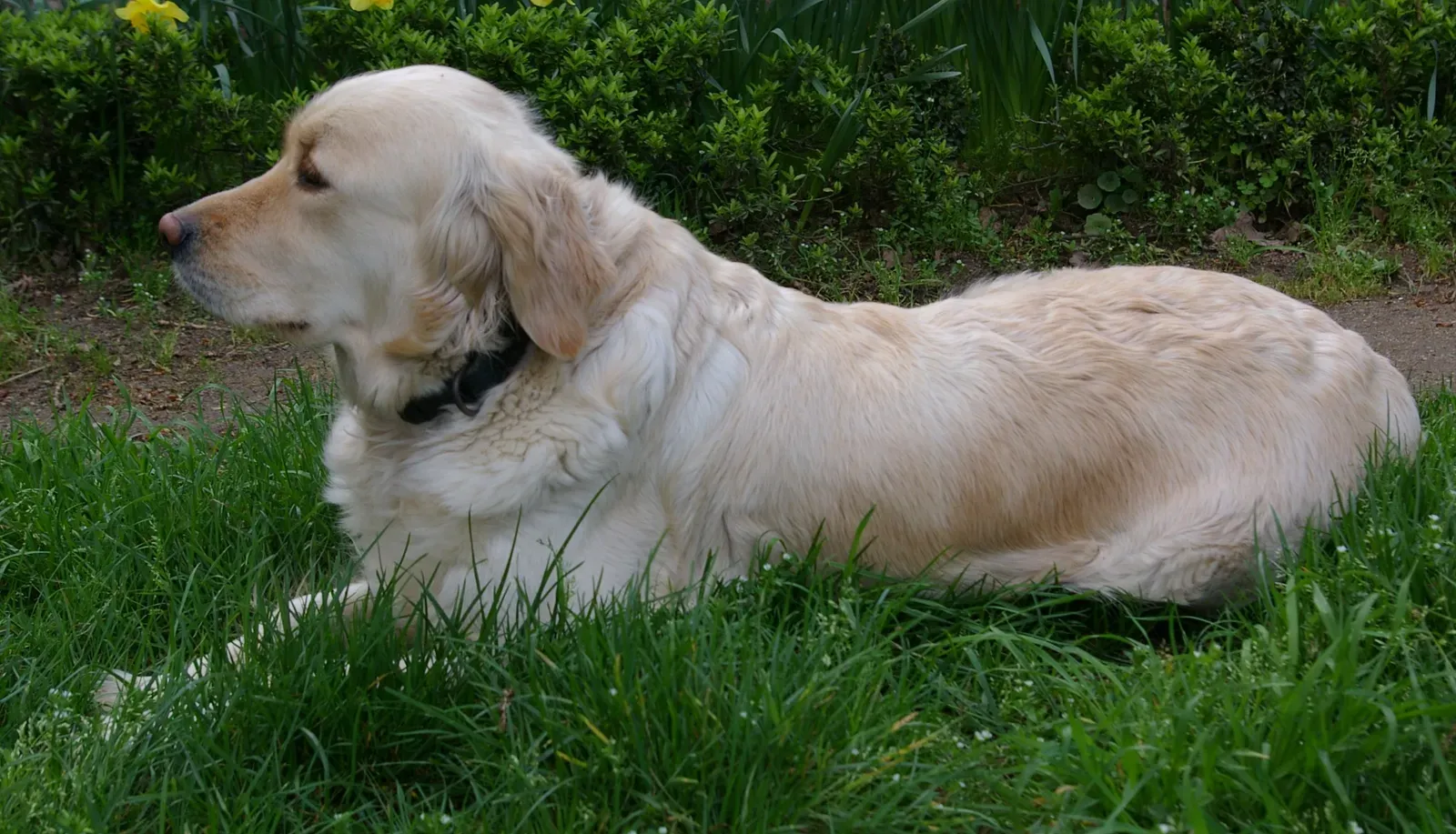
Golden Retrievers bring a gentle, people focused nature that makes them well suited for moments of high stress. They frequently choose to lie down nearby and stay put, matching the quiet rhythm of the room instead of seeking out distractions. Their soft coats and relaxed posture add a layer of comfort that feels natural rather than forced.
These dogs usually develop a calm routine once they understand the household patterns. During periods of anxiety they tend to remain in one place, offering silent support through their steady breathing and occasional gentle lean. Their overall friendliness extends to respecting personal space when it matters most.
Cavalier King Charles Spaniel
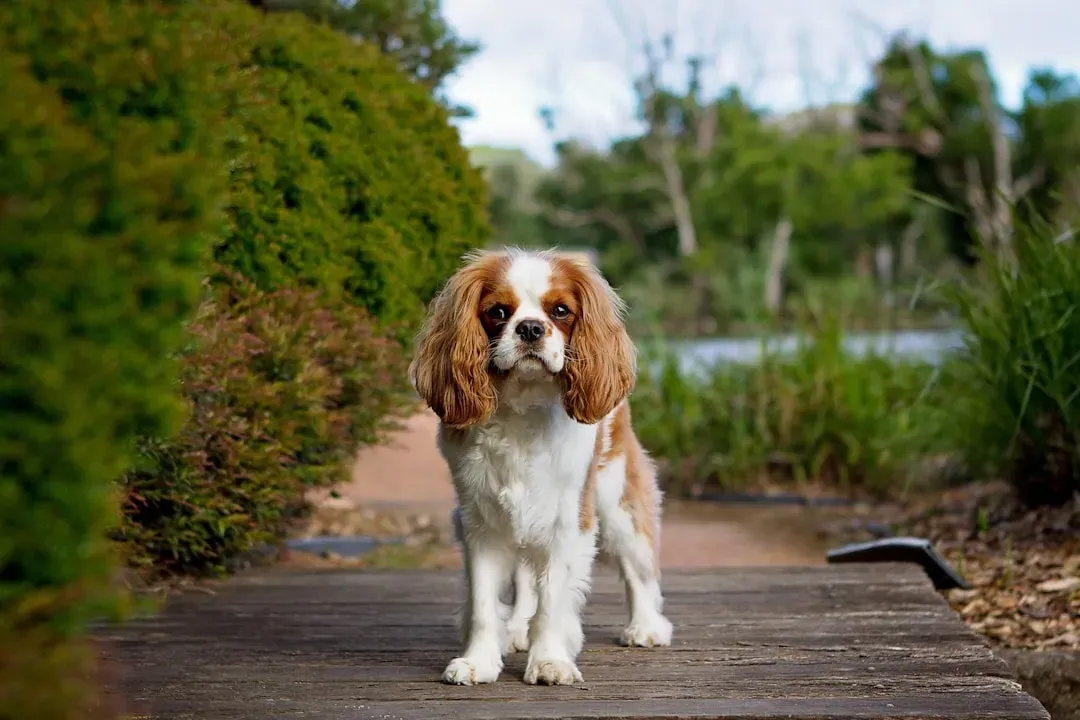
Cavalier King Charles Spaniels are small enough to fit comfortably on a lap or beside a chair yet sturdy enough to feel like a solid anchor. They often curl up and remain motionless for extended periods, content simply to be close. Their affectionate yet undemanding personality helps them blend into quiet moments without adding pressure.
Owners frequently note how these spaniels seem to mirror the energy around them, shifting into a restful state when needed. Their expressive eyes and soft fur provide a focal point that can help redirect attention during a panic attack. Because they bond closely with one or two people, they tend to prioritize staying put over exploring the house.
Basset Hound
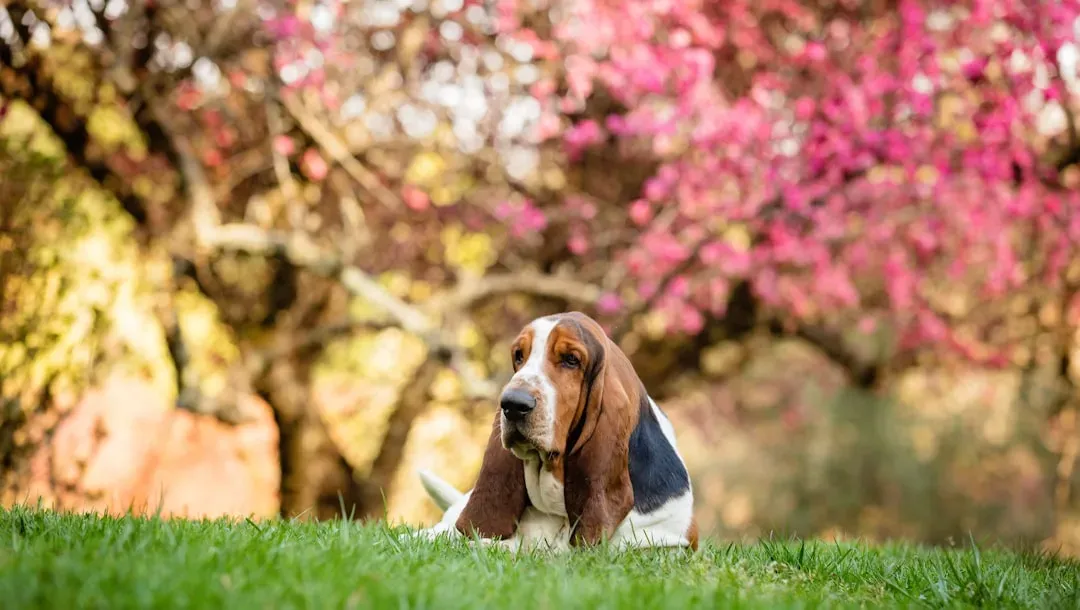
Basset Hounds move at their own deliberate pace and rarely rush anywhere, which carries over into their resting habits. Once they find a comfortable spot they often stay there for hours, creating a reliable presence that does not shift or wander. Their low energy profile makes them less likely to react to subtle changes in the room.
The breed’s droopy features and slow breathing can have a surprisingly soothing effect during anxious episodes. Bassets usually accept long stretches of inactivity without complaint, matching the need for stillness rather than pushing for activity. Their independent streak means they do not require constant interaction, allowing them to simply be there.
Newfoundland
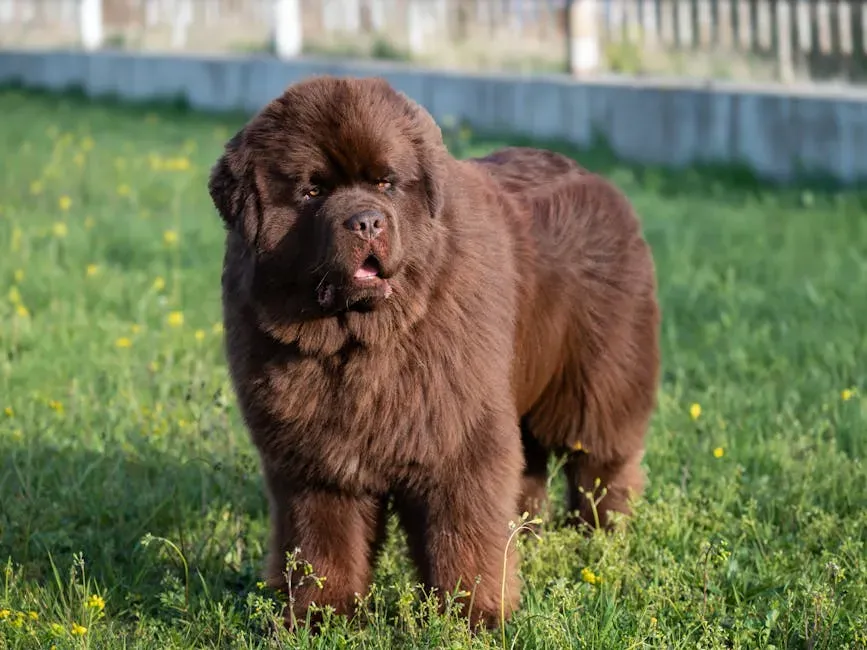
Newfoundlands are large, calm dogs whose sheer size can feel protective without being overwhelming. They tend to settle into a corner or beside furniture and remain there, offering a steady, heavy presence that many find grounding. Their water dog heritage contributes to a patient, unflappable demeanor even in changing situations.
These dogs often display a quiet watchfulness rather than active interference. When someone is experiencing a panic attack the Newfoundland is likely to stay exactly where it is, breathing evenly and providing a sense of stability through its bulk and relaxed posture. Their loyalty shows up as consistent availability rather than dramatic gestures.
Saint Bernard
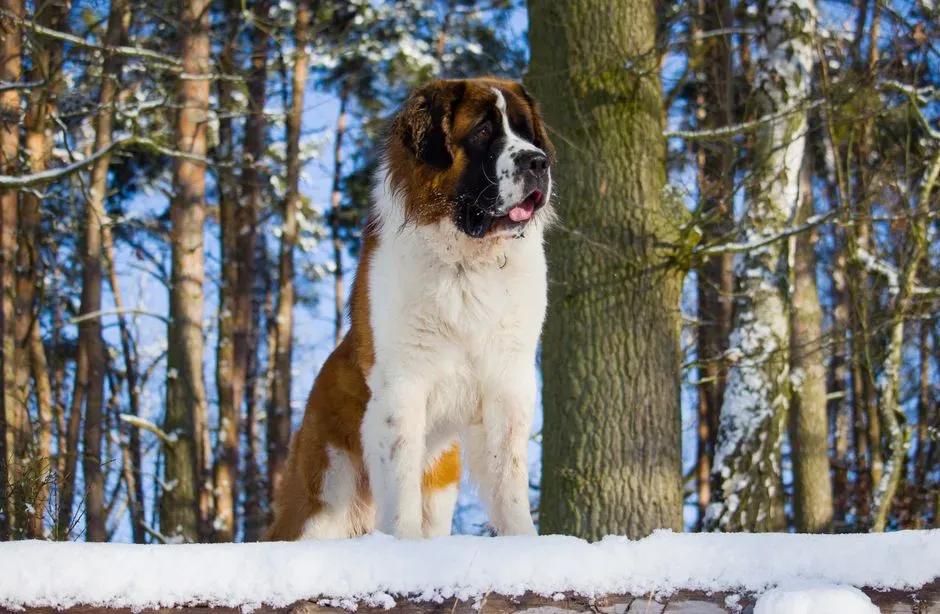
Saint Bernards carry a reputation for gentle strength and a preference for calm surroundings. They frequently choose one resting place and stick to it, rarely getting up unless necessary. Their thick coats and slow movements contribute to an overall sense of solidity that can feel reassuring during moments of distress.
Owners describe these dogs as content to observe quietly from their chosen spot. The breed’s history as a rescue dog translates into a natural inclination to stay close without demanding attention. Their measured pace and low reactivity help them remain motionless through extended periods of human stillness.


