
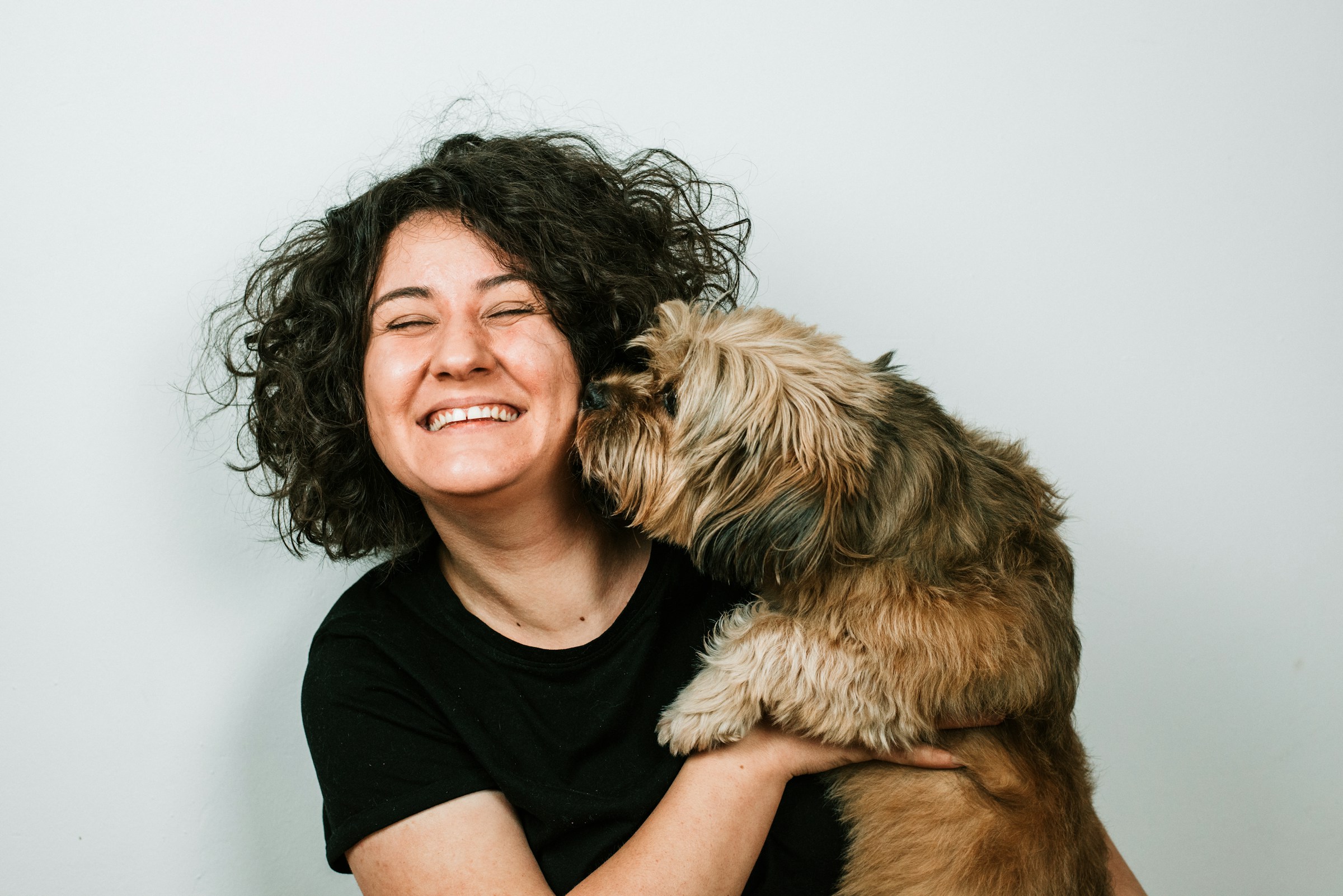
Imagine calling your dog from the kitchen while they lounge in the living room. Their ears perk up, and before you know it, they are trotting in with that familiar wag, already knowing it is you on the other end.
This ability goes beyond simple hearing. It taps into how dogs connect sounds to the people they love most, creating a quiet kind of magic in everyday moments.
The Science of Canine Voice Recognition

Dogs process human voices in ways that highlight their social intelligence. Studies in animal psychology show they can distinguish familiar voices from strangers even without visual cues, relying on tone, pitch, and rhythm instead.
This skill likely developed through thousands of years of living alongside people. It helps them navigate their world by linking specific sounds to safety, affection, and routine.
Real Life Moments That Reveal This Talent

Think about those times you speak from another room during a storm. Your dog may seek you out specifically because your voice signals comfort amid the noise.
Or consider video calls where your voice comes through a speaker. Many dogs react with excitement or curiosity, showing they connect the sound to their person rather than treating it as random noise.
Behavior Cues That Show Recognition
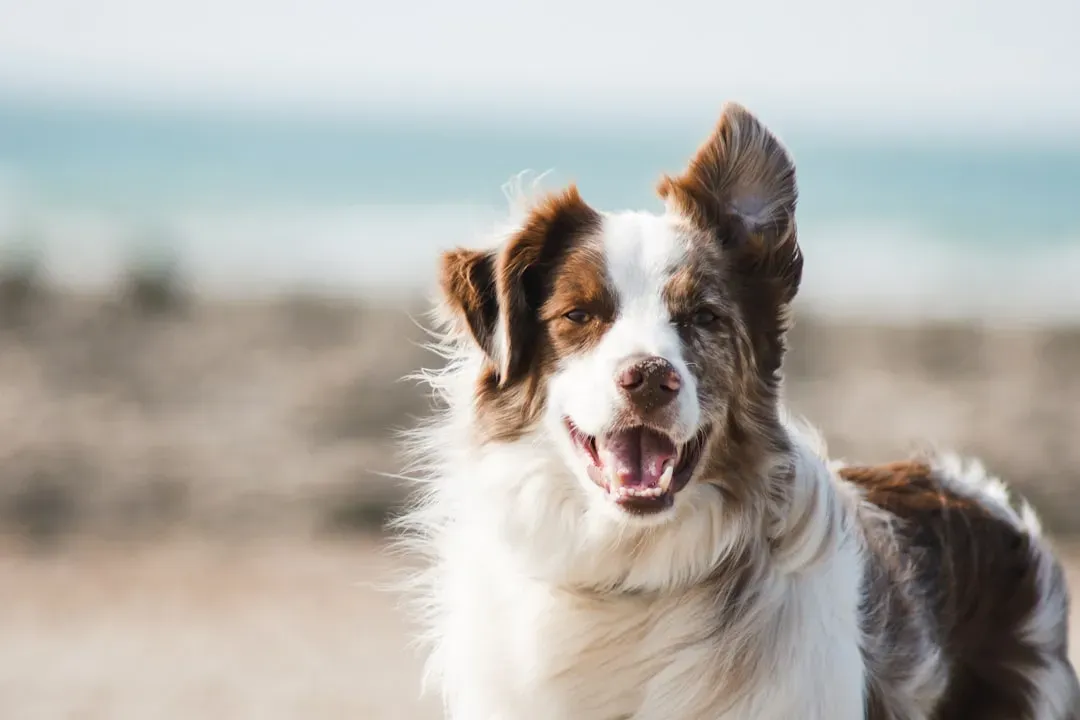
Watch for subtle signs like a sudden head tilt or relaxed posture when your voice reaches them. These small shifts often mean they have identified you and feel at ease.
Some dogs even respond with a soft whine or quick approach, behaviors that build over time as the bond strengthens through consistent vocal interaction.
How Voice Connection Supports Emotional Health
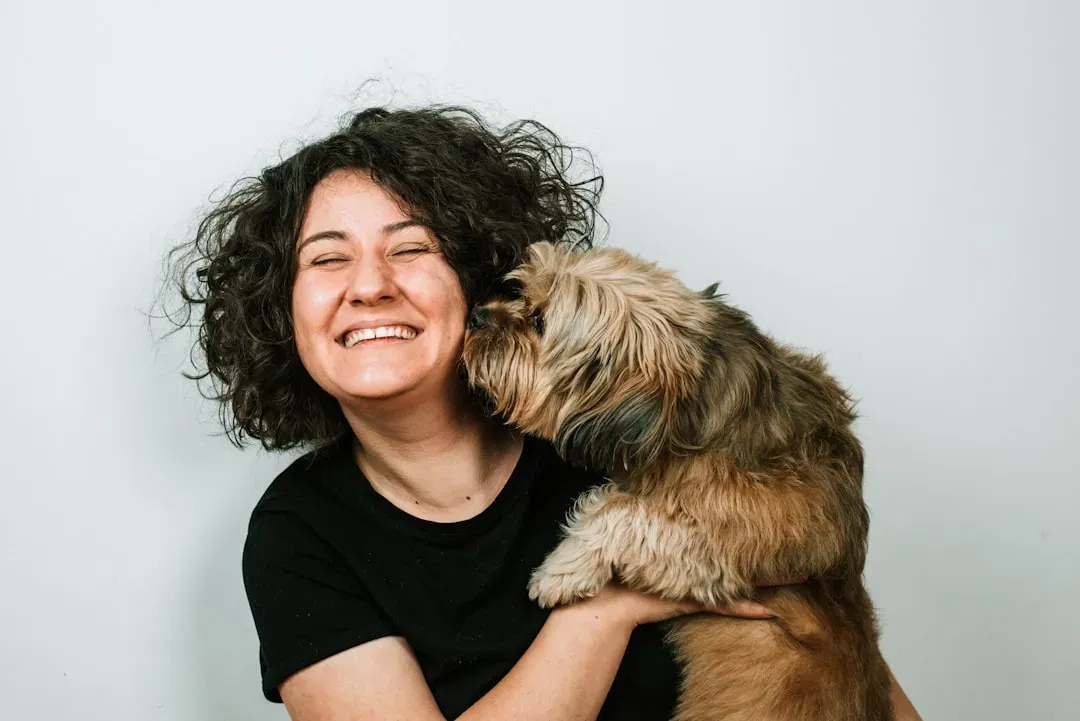
Hearing a familiar voice can lower stress levels in dogs, much like a reassuring presence during vet visits or travel. It provides a steady anchor in unfamiliar settings.
Owners who speak regularly to their dogs often notice calmer reactions to separation or new environments. This simple habit reinforces security without needing physical contact every moment.
Practical Ways to Use Your Voice Daily
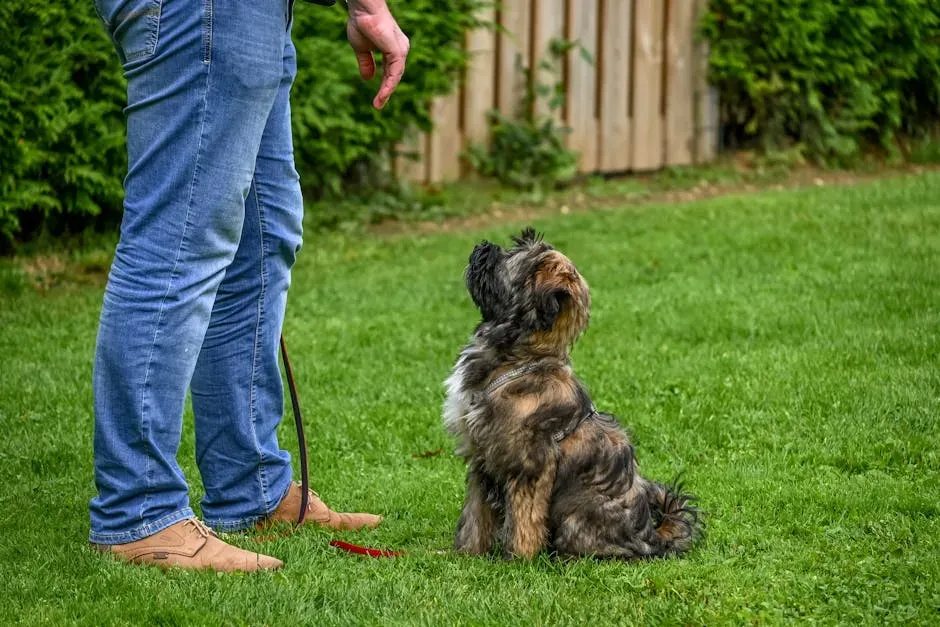
Try narrating your routines out loud, such as describing a walk before it happens. This builds anticipation and helps your dog associate your tone with positive events.
Keep the volume natural and vary your expressions slightly. Over time these patterns become reliable signals that deepen trust and make daily life smoother for both of you.
When Recognition Might Need Extra Support
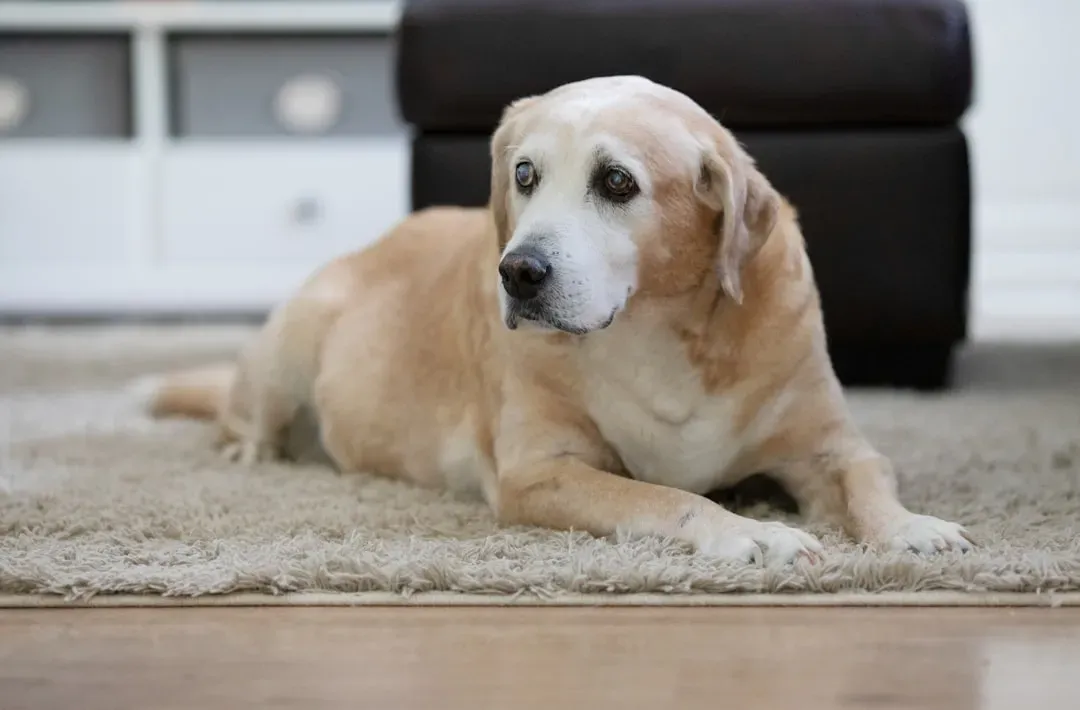
Older dogs or those with hearing changes may rely more on other senses, yet many still respond to familiar voices through vibration or volume adjustments. Patience helps here.
If your dog seems less responsive than usual, a check with the vet can rule out health factors. Meanwhile, consistent gentle talking keeps the connection alive while you address any concerns.
Building Stronger Bonds Through Sound
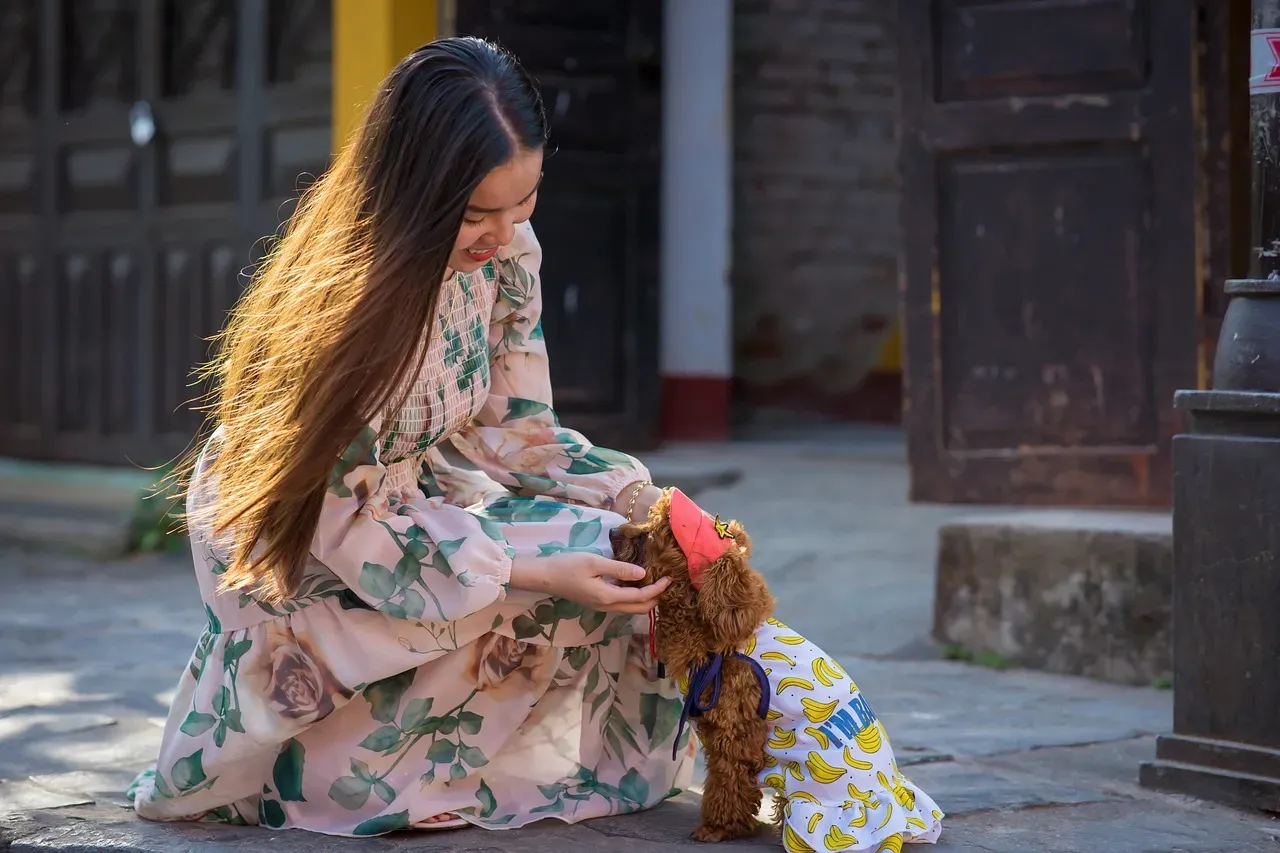
Voice recognition reminds us that dogs experience the world through layers of connection we sometimes overlook. Speaking to them thoughtfully turns ordinary moments into threads of closeness.
Over months and years these exchanges shape a shared language that feels personal and reliable. It is one of the quiet joys of sharing life with a dog.
Final Reflections
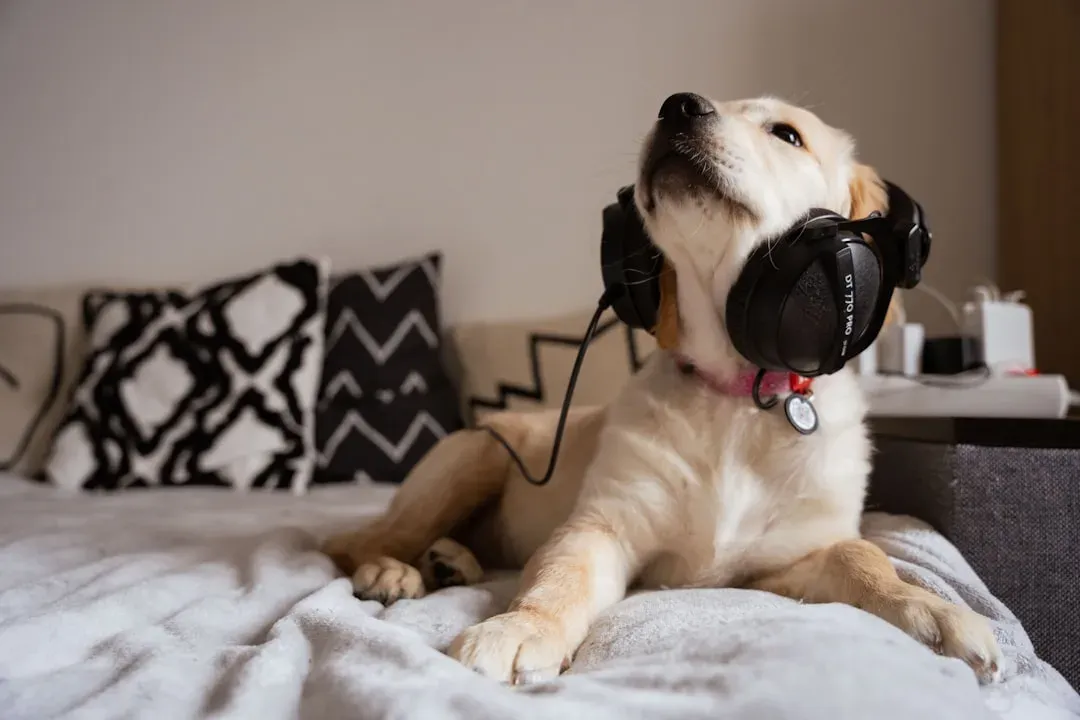
Paying attention to how your dog responds to your voice opens a window into their inner world. Small adjustments in how you speak can make a lasting difference in their sense of security.
In the end, this ability highlights the depth of the human dog relationship. It invites us to keep talking, listening, and growing together every day.


