
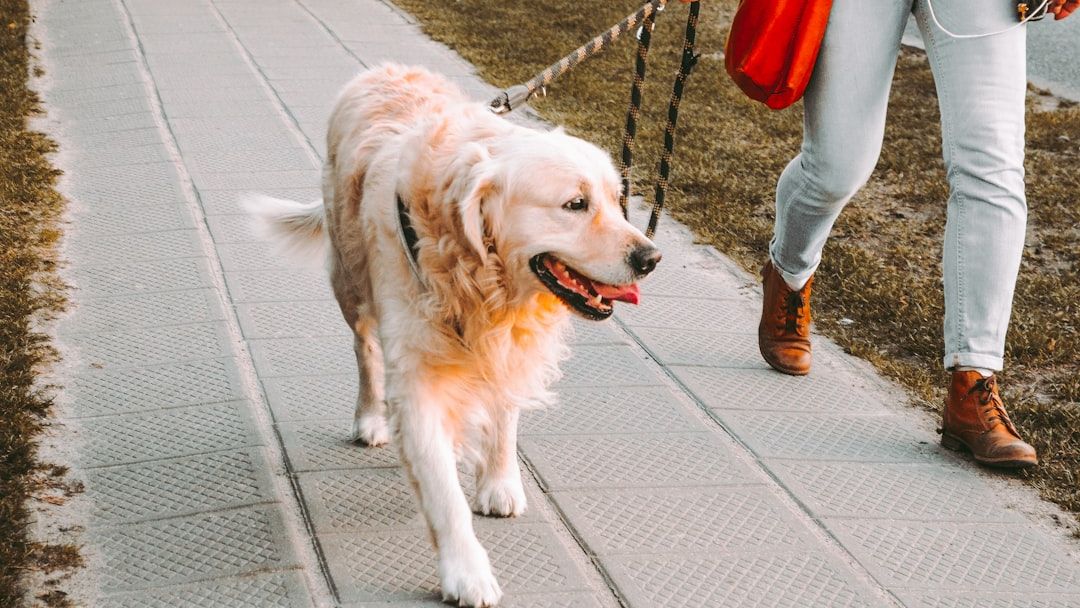
Ever notice how your dog starts pacing by the door right before you usually get home from work, even on days when your schedule shifts a little? It feels almost uncanny, like they have some hidden watch tucked away. Yet the truth runs deeper than simple guessing. Canine psychology points to something more structured, where dogs weave their understanding of time directly into the patterns we create every day.
Understanding Canine Time Perception
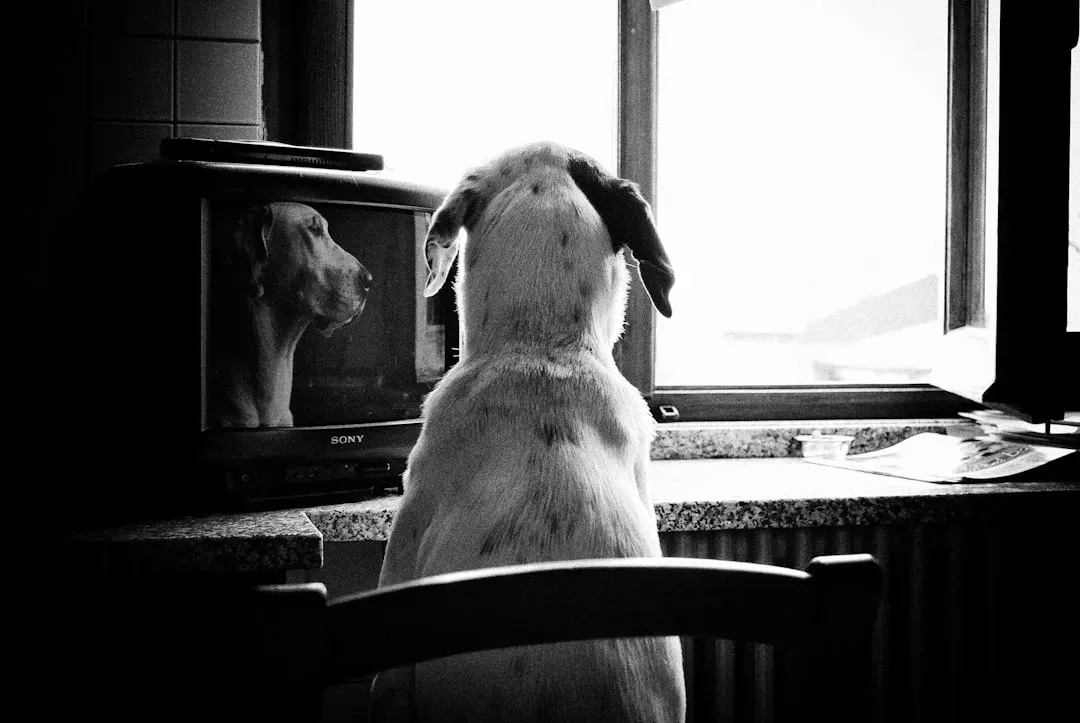
Dogs experience time through a blend of internal rhythms and external cues rather than precise minutes on a clock. Their circadian systems help track day and night cycles, but daily events gain sharper focus when tied to consistent human actions. This creates a reliable framework they learn to anticipate with surprising accuracy.
Researchers observe that dogs often react to subtle signals like the sound of keys or the smell of food preparation long before the main event unfolds. These associations build over repeated exposures, turning ordinary routines into predictable markers. The result feels less like magic and more like a learned language between species.
The Power of Daily Routines
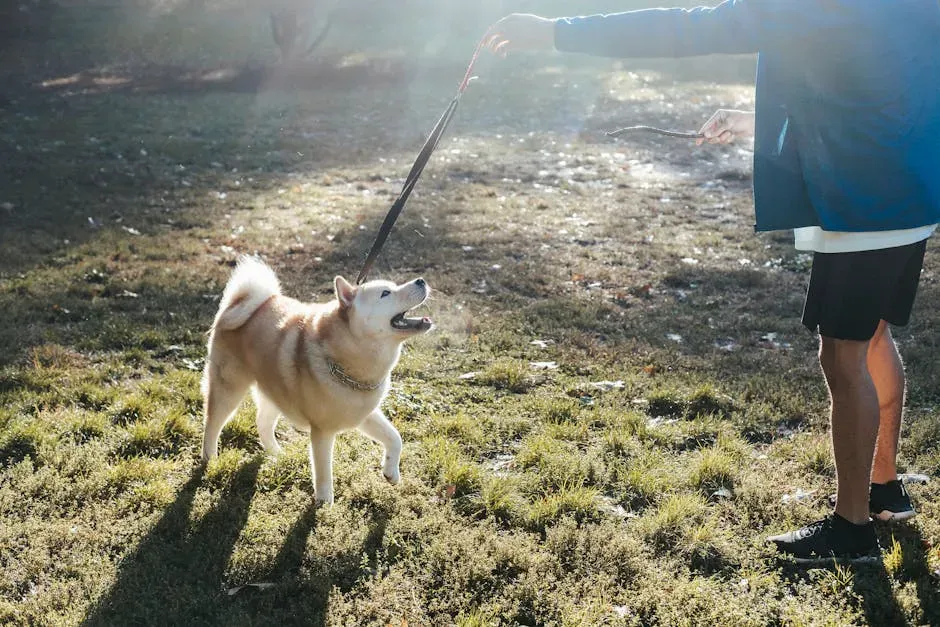
Human schedules provide the backbone for how dogs organize their expectations throughout the day. Morning walks, afternoon meals, and evening play sessions become anchors that dogs rely on to navigate their hours. When these patterns hold steady, dogs show calmer behavior and clearer anticipation of what comes next.
Disruptions in routine can unsettle them quickly because the familiar timeline suddenly shifts. A delayed dinner or an unexpected absence throws off their internal map. Over time, dogs adjust by layering new cues onto the old ones, showing flexibility within the structure we set.
Signs Your Dog Tracks Time
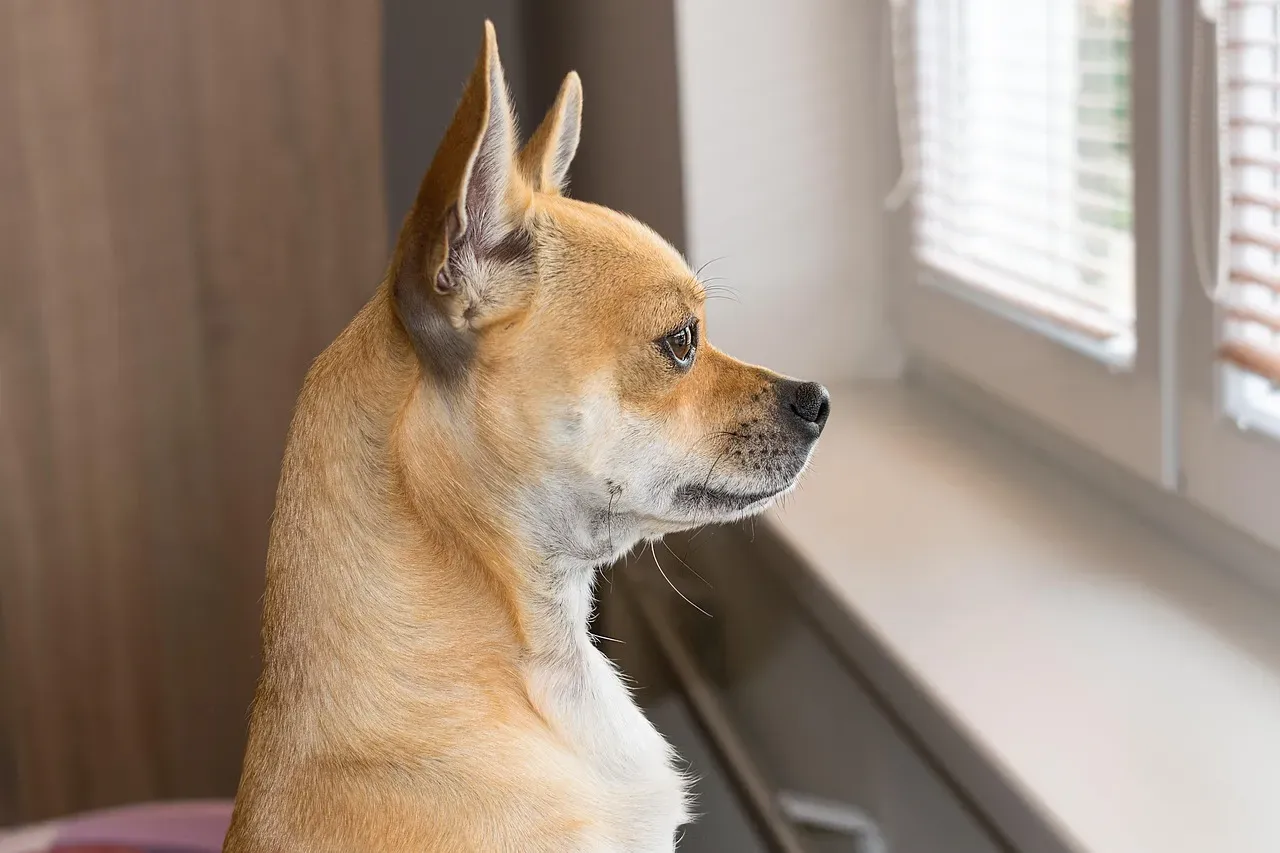
Watch for the way your dog positions itself near entry points or feeding areas at specific moments. These behaviors often align closely with your typical return or meal times, even without obvious triggers like daylight changes. Such positioning reflects learned timing rather than random waiting.
Another clue appears in their energy levels, which rise or settle in sync with recurring activities. A dog might grow restless exactly when a family member usually arrives, or settle down after the last walk of the evening. These patterns emerge from consistent repetition across weeks and months.
The Science Behind It
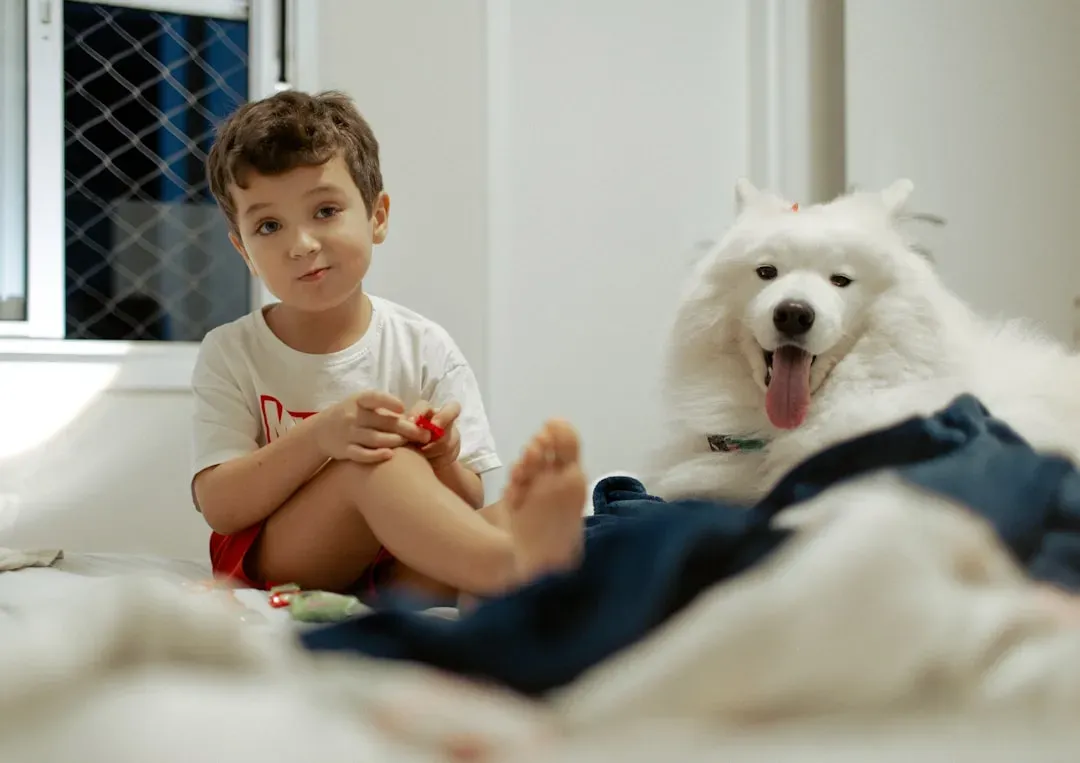
Studies in canine cognition highlight how dogs use episodic memory to connect sequences of events with approximate durations. They do not count seconds like a stopwatch, yet they register intervals through repeated pairings with human presence. This mechanism allows them to forecast outcomes based on past experiences.
Physiological markers such as heart rate changes or hormone shifts also align with expected routine moments. These responses develop because dogs link the passage of time to reliable outcomes like affection or nourishment. The process strengthens with age and exposure to steady household rhythms.
Impact on Behavior and Emotions

When routines stay predictable, dogs often display lower stress and stronger trust in their environment. They greet familiar sequences with enthusiasm instead of uncertainty. This stability supports better overall mood and smoother interactions with family members.
Irregular schedules, by contrast, can heighten anxiety or lead to attention seeking at odd hours. Dogs may vocalize more or show restlessness when their expected timeline breaks down. Over time, these emotional responses reinforce how tightly their sense of security ties to human patterns.
Practical Ways to Support Their Sense Of Time

Establishing clear, repeatable sequences helps dogs build confidence in their daily flow. Simple steps like consistent feeding times or pre departure rituals give them reliable reference points. Small adjustments, such as using the same tone of voice for certain activities, further sharpen their understanding.
Owners can also introduce gentle variations to build resilience without causing confusion. Short practice sessions where routines shift slightly prepare dogs for real life changes. The goal remains balance, where structure meets enough flexibility to keep them adaptable.
Why This Connection Matters More Than We Realize

Recognizing how dogs anchor time to our habits invites a deeper respect for the quiet ways they adapt to us. It shifts the relationship from one sided care to mutual rhythm, where both sides benefit from thoughtful consistency. Many owners already sense this bond without naming it, yet putting it into words changes how we approach everyday choices.
In the end, honoring these patterns does not demand perfection, only awareness. Dogs thrive when our lives offer steady threads they can follow, and that awareness often returns greater calm and closeness in return. The real takeaway sits in the ordinary moments we share, where time itself becomes a shared language rather than a human invention alone.


