
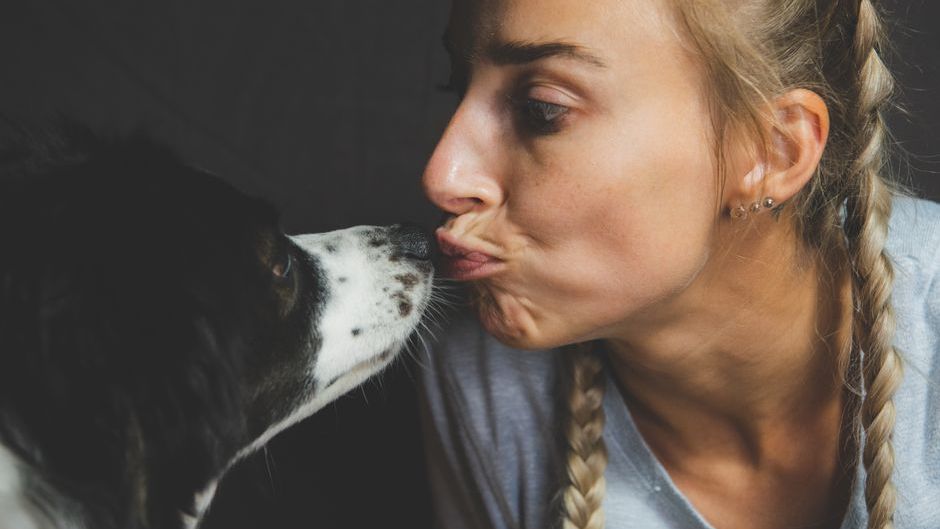
Most dog owners have felt that quiet moment when their pet locks eyes with them across the room. It feels personal, almost like a silent conversation that cuts through the noise of the day. Yet what seems like simple affection turns out to carry deeper roots in how dogs and people connect.
Animal science has spent years examining these glances. The findings point to a deliberate behavior that helps build lasting emotional ties rather than random staring. This raises an interesting question about what really happens in those shared looks.
Understanding the Role of Gaze in Dog Human Interactions
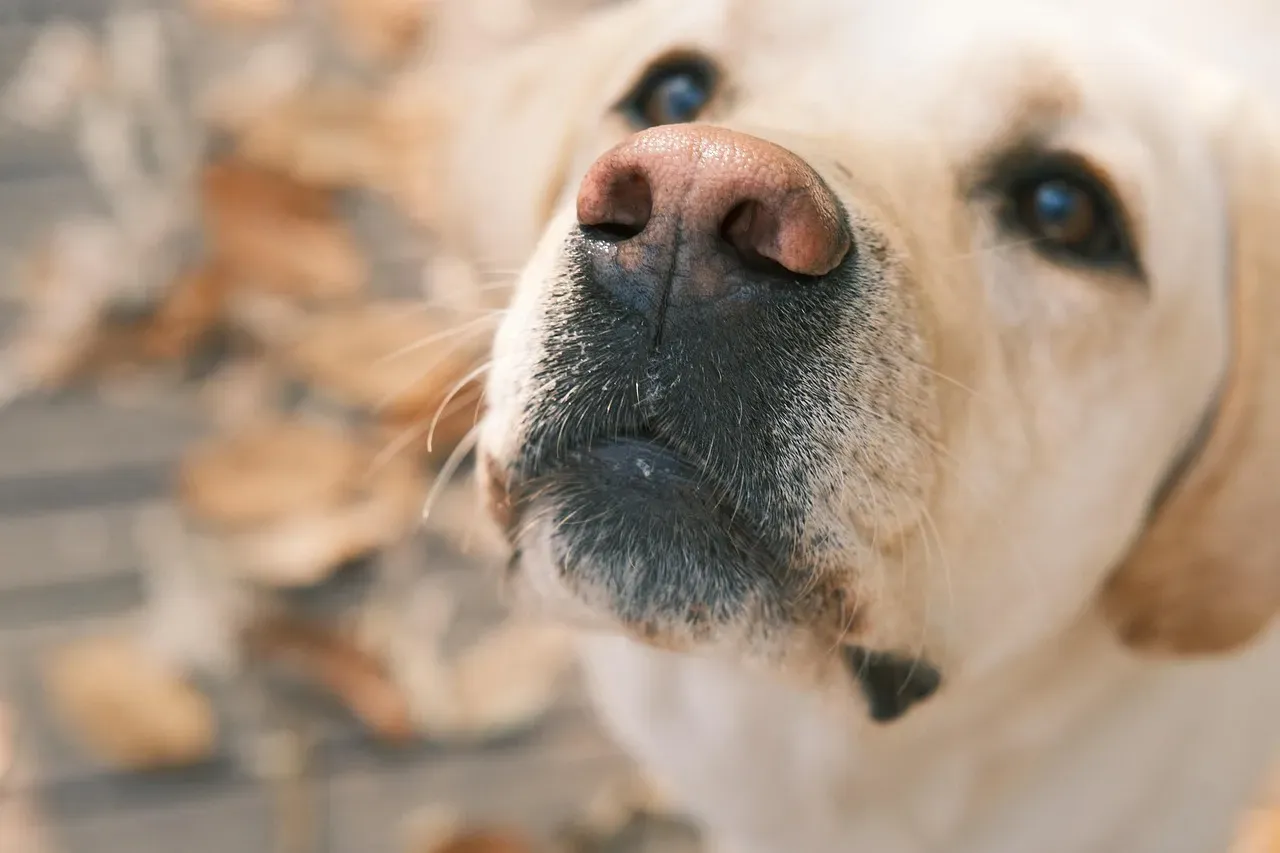
Dogs have developed a unique way of using their eyes to engage with people that sets them apart from many other animals. They often initiate eye contact during calm moments at home or while out on walks. This behavior helps them gather information about our moods and intentions without needing words.
Researchers note that this form of gazing serves as a bridge in daily life. A dog might hold the look a little longer when seeking reassurance or simply enjoying company. Over time these exchanges become part of the rhythm that makes the relationship feel secure and familiar.
The Hormonal Connection That Builds Trust
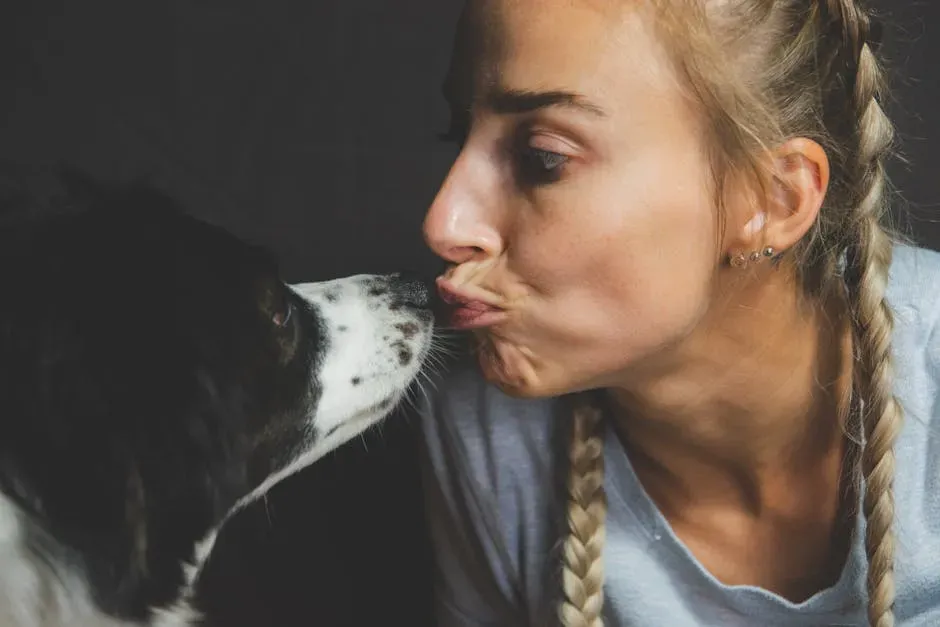
Mutual eye contact between dogs and their owners triggers the release of oxytocin in both parties. This hormone plays a key role in feelings of closeness and reduced stress. The effect appears mutual, creating a feedback loop that reinforces the bond each time it happens.
Unlike quick glances, sustained looks seem to amplify this response. Owners often report feeling calmer after these moments, while dogs show signs of relaxation such as softer body language. The process unfolds naturally during ordinary routines like sitting together on the couch.
Evolutionary Roots of This Behavior
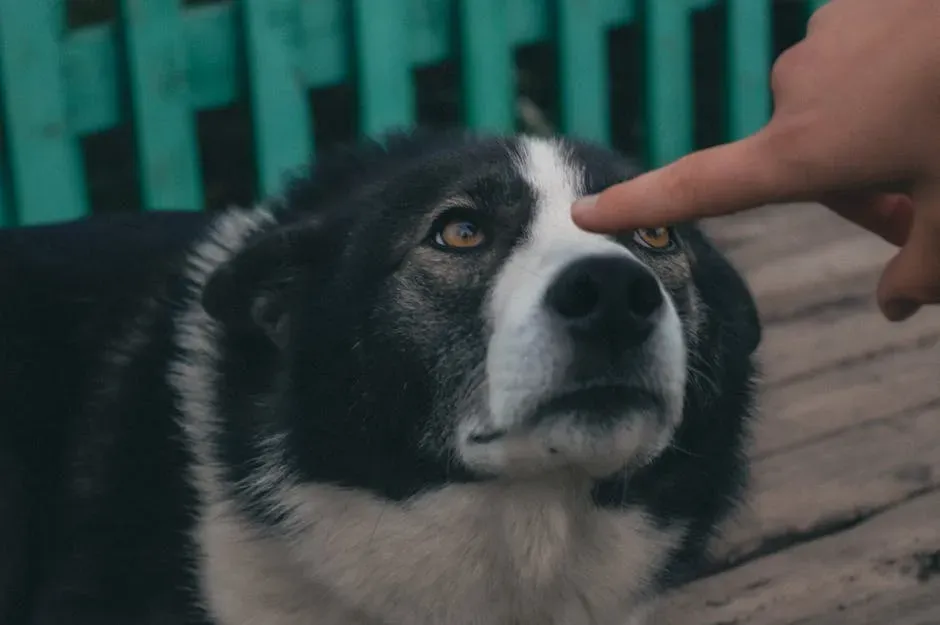
Dogs descended from wolves yet shifted their social habits as they adapted to living alongside humans. Wolves rarely sustain eye contact with one another in the same relaxed way. Domestication appears to have favored dogs that could read and respond to human faces more directly.
This change likely helped early dogs secure food and protection by tuning into people. Over generations the trait became more pronounced. Modern dogs carry forward that legacy every time they meet our gaze with ease and comfort.
Eye Contact as a Form of Nonverbal Communication
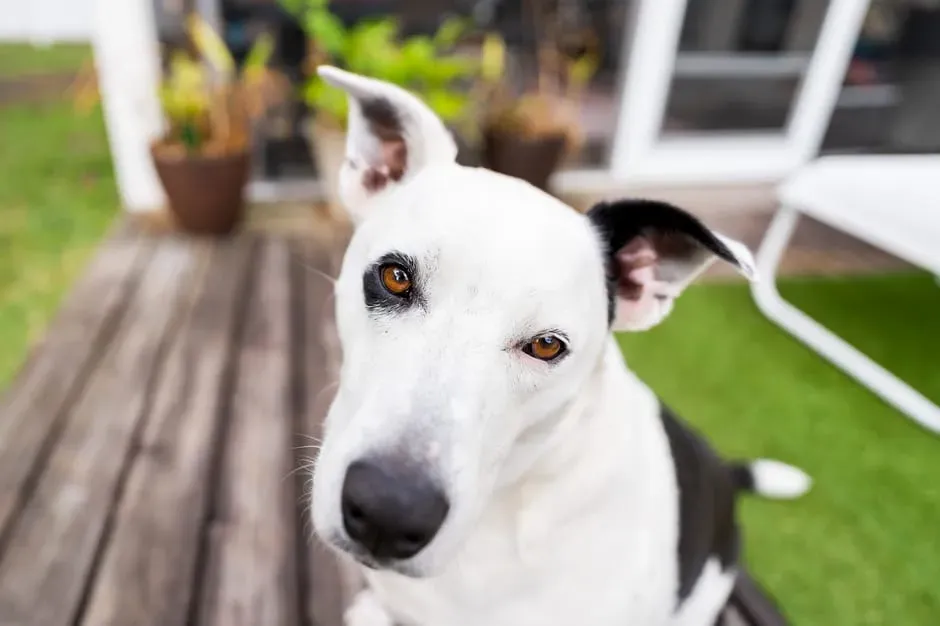
Beyond hormones, eye contact lets dogs convey needs or emotions without barking or jumping. A steady look might signal a request for attention or an invitation to play. People learn to interpret these cues through repeated shared experiences.
The communication flows both ways. Owners often use their own eyes to reassure a nervous dog or celebrate a small success during training. These silent exchanges add layers to the relationship that spoken commands alone cannot achieve.
Strengthening Bonds Through Daily Interactions
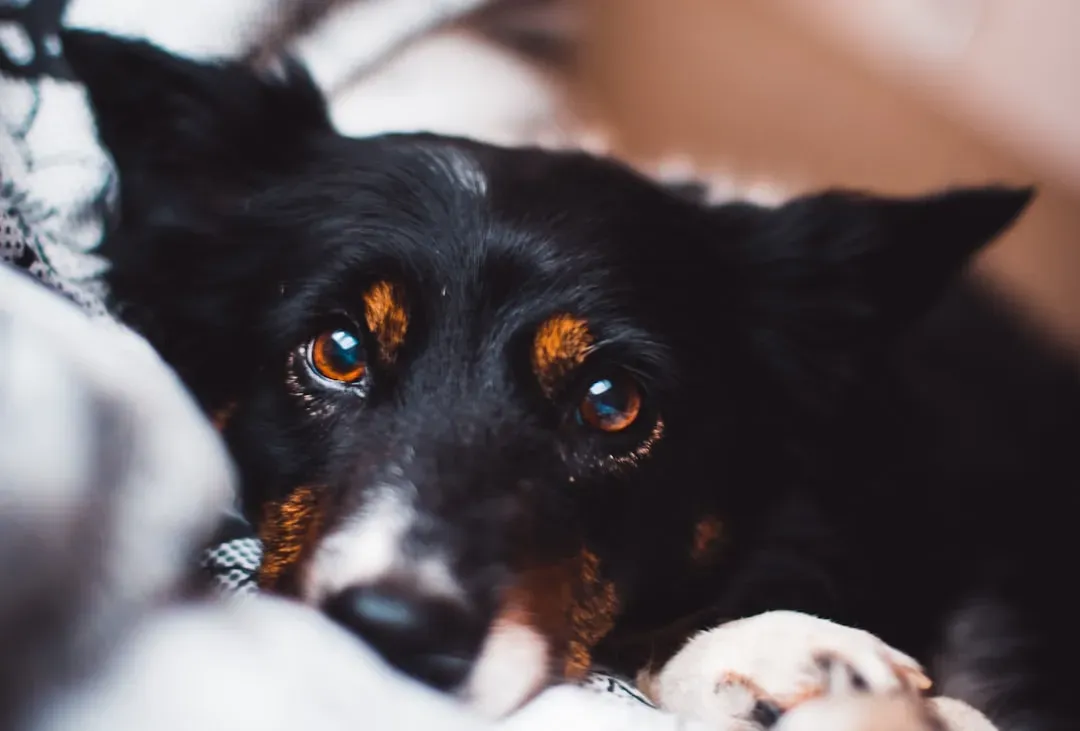
Simple habits like pausing for a few seconds of eye contact during feeding or grooming can deepen the connection over weeks and months. Dogs respond positively to consistent, gentle engagement of this kind. The routine builds a sense of predictability and warmth.
Many families notice their dogs become more attentive and relaxed after incorporating these moments. The practice requires little effort yet yields noticeable shifts in how the pet approaches its people. It turns ordinary time together into something more meaningful.
Recognizing When Staring Means Something Else
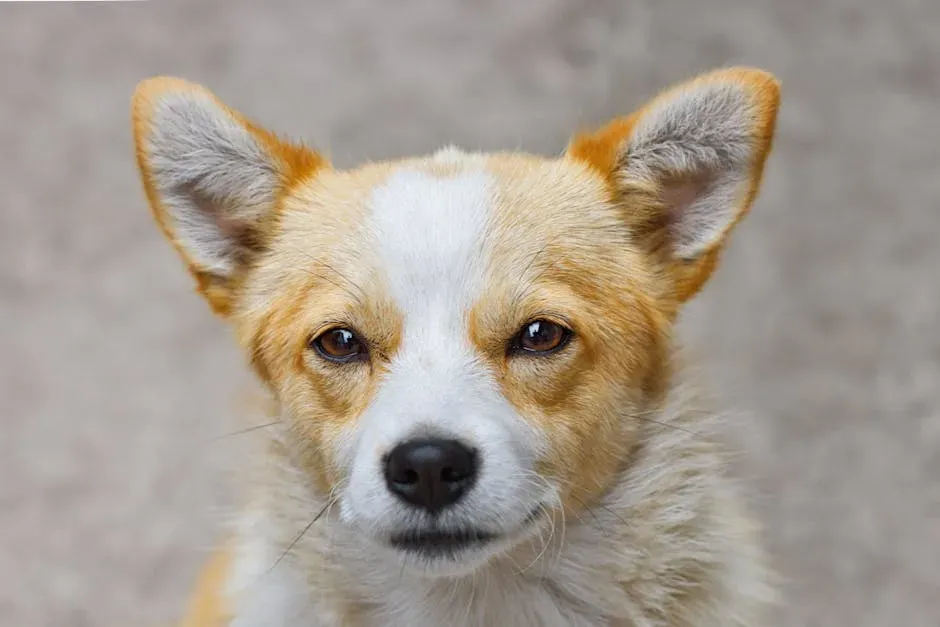
Not every prolonged look carries the same friendly intent. Context matters a great deal. A dog might stare because it feels threatened, confused, or focused on a potential resource like food.
Body posture and surrounding circumstances help distinguish these situations. Relaxed ears and a loose tail usually accompany bonding gazes. Tension or avoidance behaviors suggest the dog needs space instead. Paying attention to the full picture prevents misunderstandings.
Embracing Eye Contact for Deeper Connections
In the end the science simply confirms what many dog lovers already sense in their homes. These shared looks offer a reliable path to greater closeness without complicated techniques or expensive tools. They fit naturally into the life most people already share with their pets.
Choosing to meet a dog’s gaze with patience and warmth can quietly reshape the relationship for the better. It reminds us that some of the strongest bonds grow from the smallest, most ordinary gestures repeated over time. That quiet exchange remains one of the simplest gifts dogs and people give each other.


