
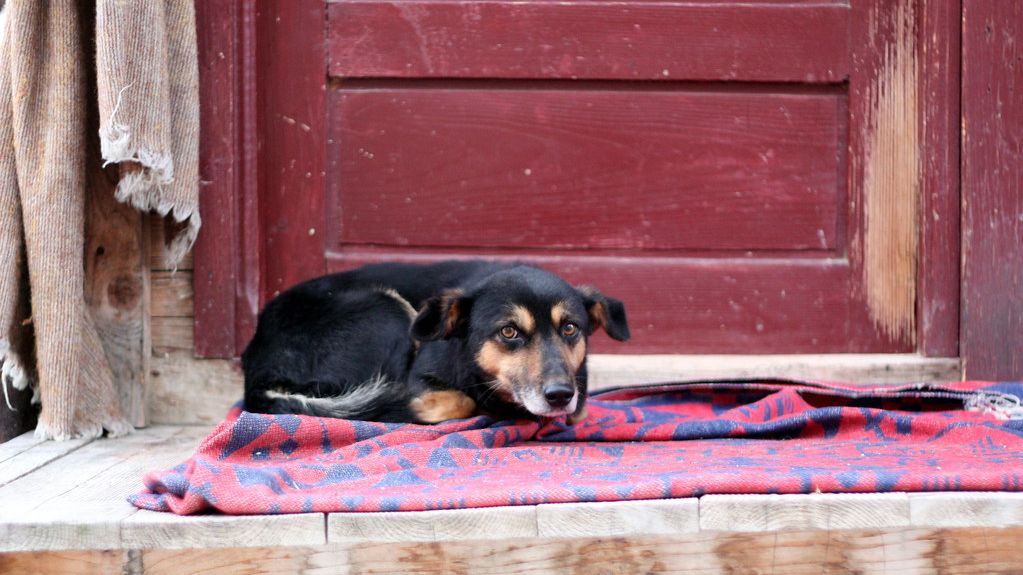
Picture your dog settling down for the night, choosing the spot right by the doorway instead of a cozy bed or the middle of the room. It seems like an odd preference at first, yet this habit shows up in homes everywhere.
Animal behavior insights point to a mix of old instincts and practical needs that might explain why some dogs pick these locations. The choice could reveal more about how they manage their environment than many owners realize.
The Evolutionary Pull Toward Entry Points
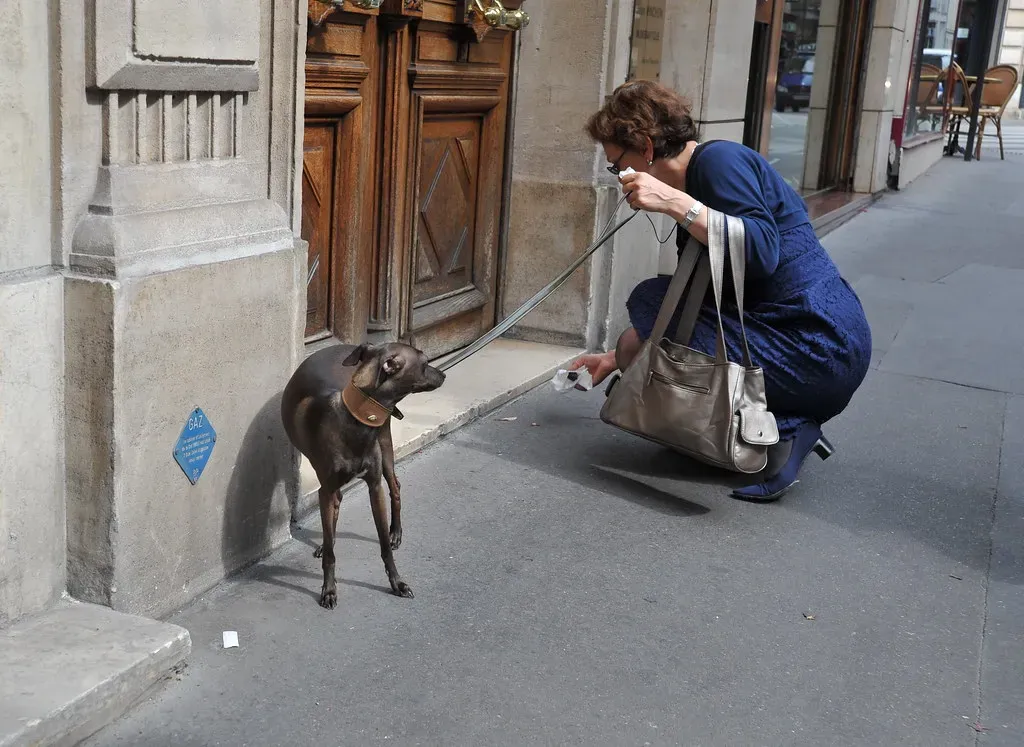
Dogs trace their roots back to wild ancestors who needed to stay aware of their surroundings at all times. Sleeping near a doorway lets them keep an eye on the main way in or out without much effort.
This positioning echoes pack behaviors where one member often watched over the group while others rested. Modern pets carry that same wiring even in safe homes filled with familiar faces and routines.
Why Awareness Matters During Sleep
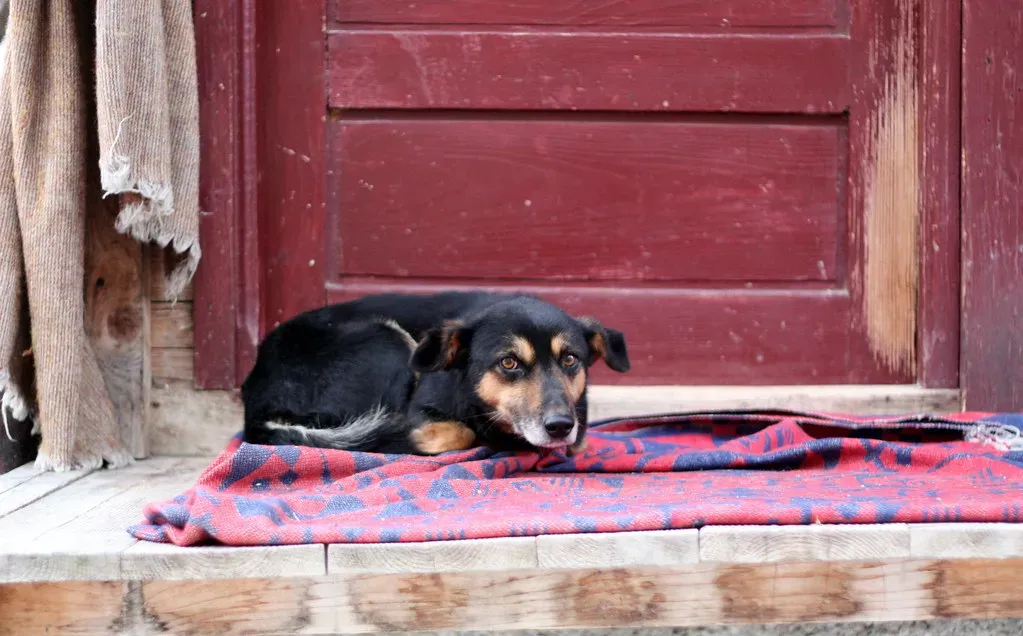
A doorway spot gives dogs a clear line of sight and sound to any movement nearby. They can pick up on subtle changes like footsteps or a door creaking without fully waking up.
That level of monitoring helps them feel prepared rather than on edge. It turns a potential vulnerability into a quiet advantage during hours when the household is quiet.
Rest and Readiness in One Place
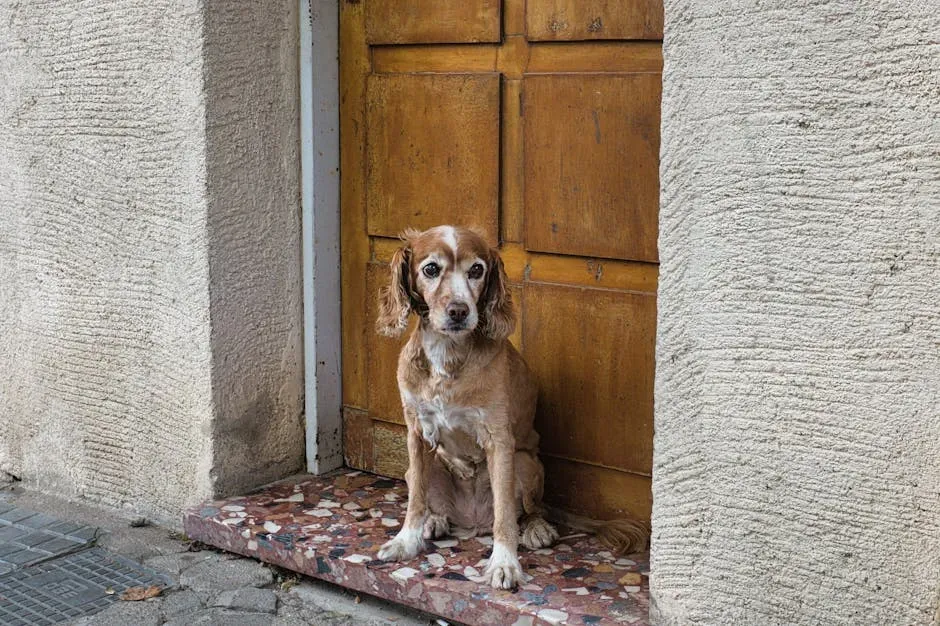
The balance comes from finding a spot that supports both deep relaxation and quick response if needed. Doorways often offer cooler air flow or a solid surface that feels stable under their body.
At the same time the location keeps them connected to household activity without demanding constant attention. Many dogs seem to drift off easily here while still tuned into the bigger picture around them.
Breed Traits and Individual Differences
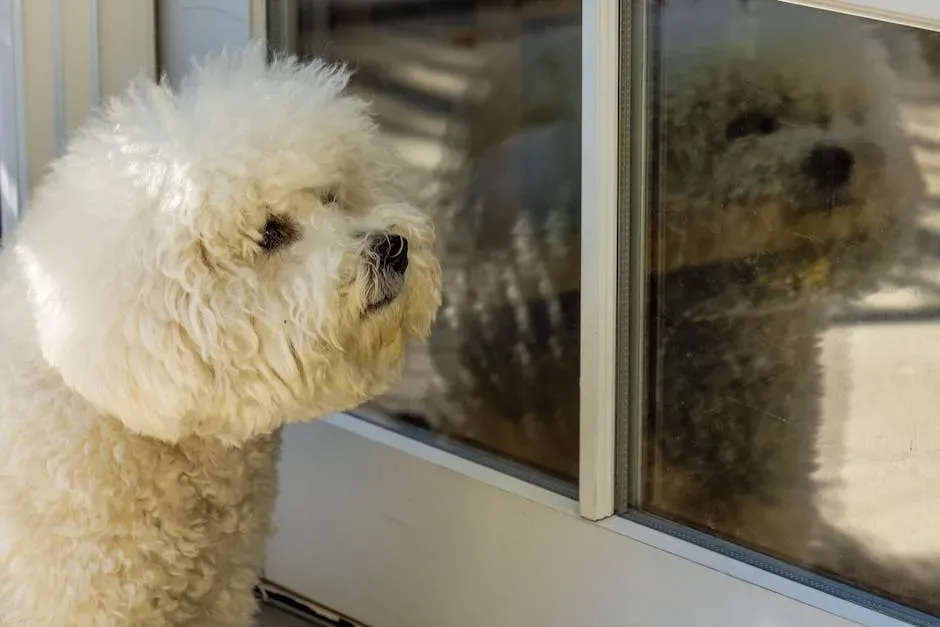
Some breeds with strong guarding histories lean toward these spots more often than others. Herding or working dogs in particular may show this pattern as part of their natural makeup.
Yet personality plays a big role too. A confident dog might choose the doorway out of habit while a more anxious one seeks it for extra reassurance from the familiar layout of the home.
Household Layout and Daily Patterns
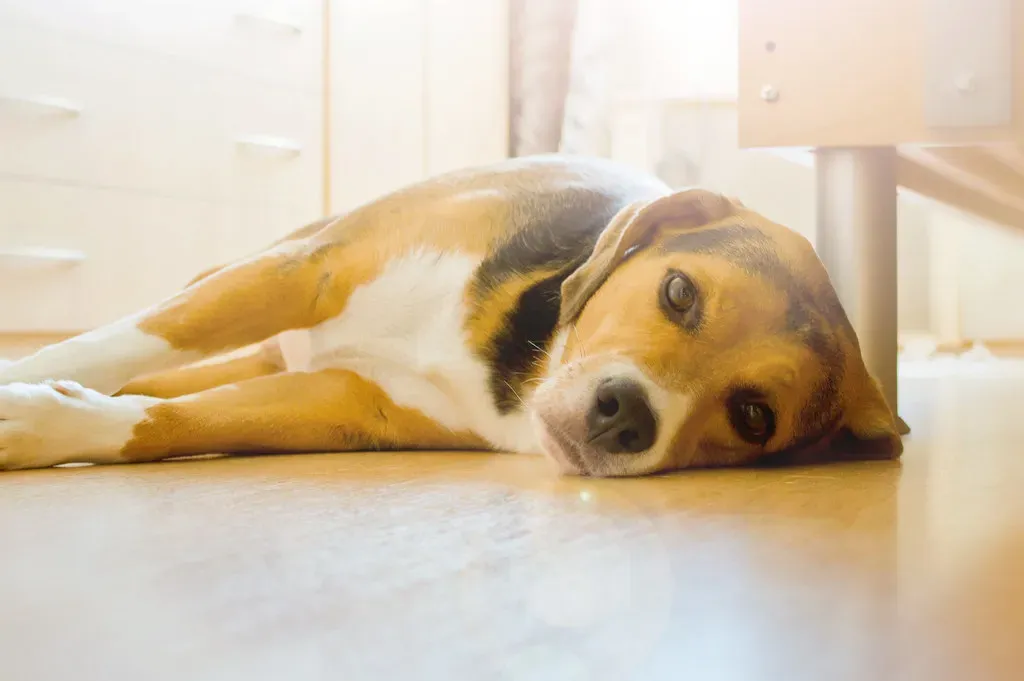
The way a home is arranged influences where dogs decide to settle. High traffic areas near doors become natural gathering points during the day so the habit carries over at night.
Temperature shifts or family schedules can also steer them there. A cool tile floor by the entrance might feel better than a warm carpeted corner when the weather changes.
Reading the Signs in Your Own Pet

Watch how your dog moves into that spot and whether they seem settled or restless. Relaxed breathing and quick returns to sleep suggest the choice works well for them.
Changes in this routine could hint at something new in their world like added noise outside or shifts in family presence. Paying attention helps owners understand what their dog values most in those quiet hours.
A Thoughtful Look at Canine Choices
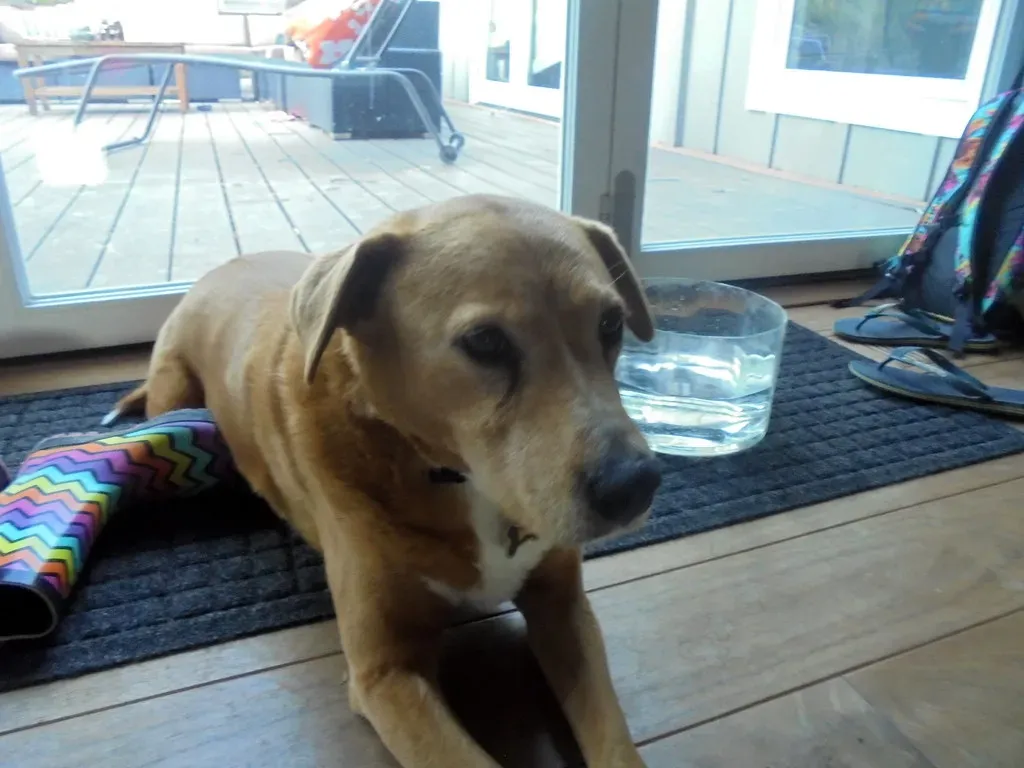
Owners who notice this behavior often feel a quiet appreciation for how their dog navigates the world. It reminds us that even simple habits carry layers of instinct and adaptation worth respecting.
Ultimately giving dogs space to follow these preferences strengthens the bond between pet and person. Small adjustments like a soft mat near the doorway can make the arrangement even better for everyone involved.


