
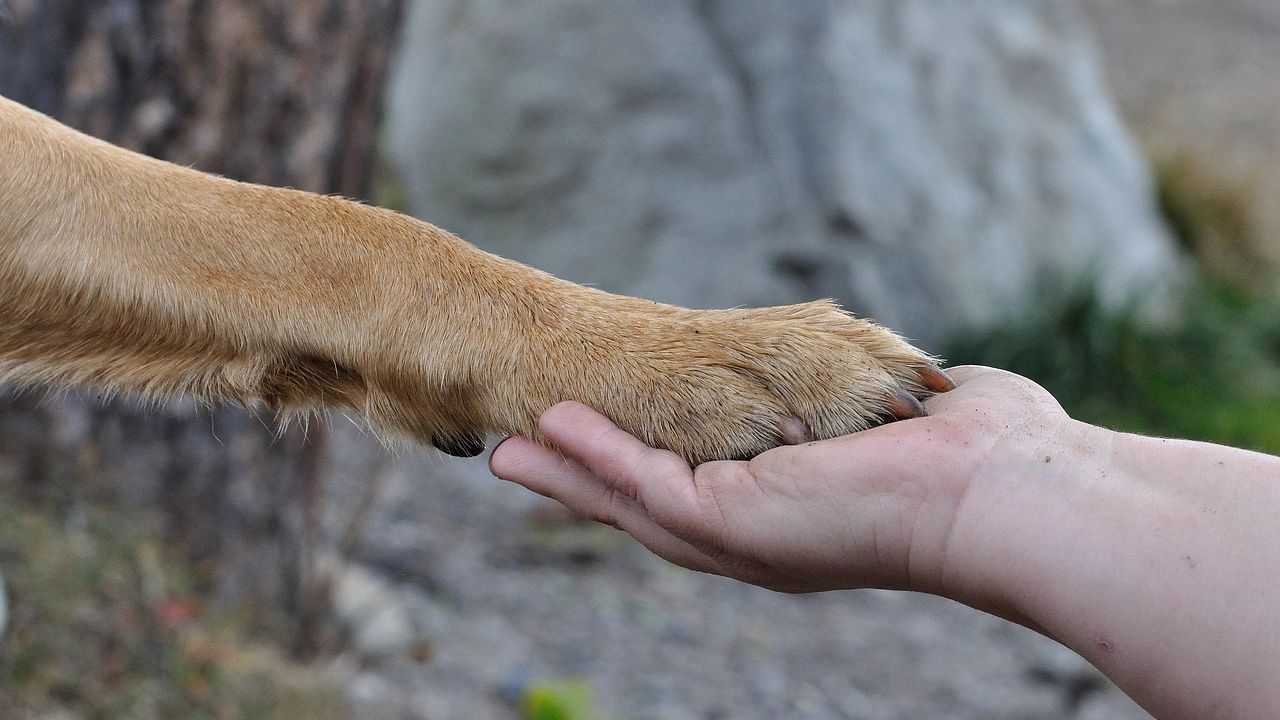
That soft press of a paw against your arm can stop you mid motion. It feels deliberate, almost like a quiet message passed between two old friends who do not need words.
Many owners notice this happens during calm moments, right when petting slows or the room grows still. The gesture invites a closer look at what dogs communicate through touch alone.
The Subtle Language of Paws
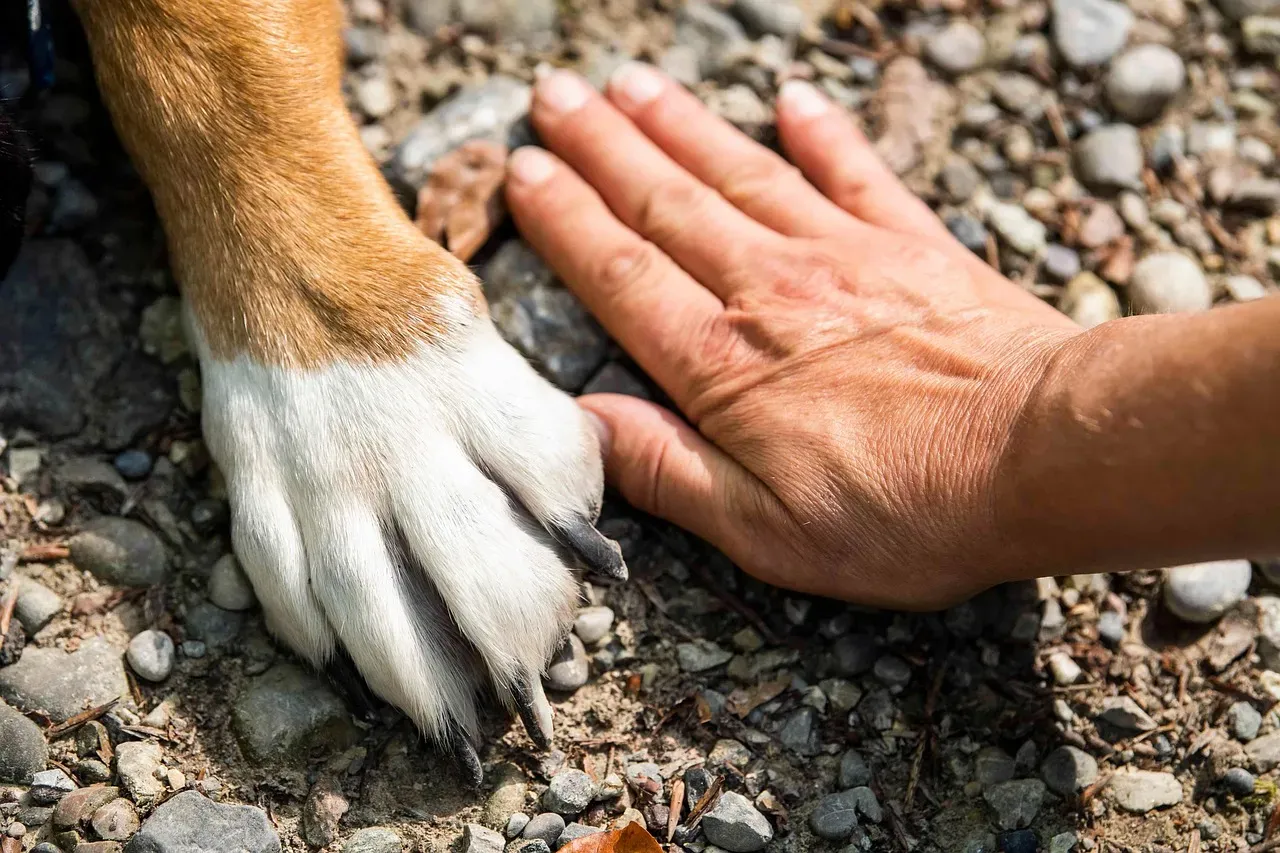
Dogs rely on body language far more than most people realize. A gentle paw placement often serves as their version of tapping someone on the shoulder to start a conversation. This action stands out because it feels intentional rather than accidental or frantic.
Experts note that such contact usually signals an unmet need or a desire to connect. The softness of the touch suggests the dog feels safe enough to reach out without force. Context matters here, since the same move can shift meaning based on what else the dog is doing at the time.
More Than Just a Request for Pets
Sometimes the paw lands because your dog simply wants the petting to continue. They learn quickly that this light touch brings your hand back into action. The behavior reinforces itself each time you respond with more strokes or scratches.
Yet the gesture can also appear when no petting has started at all. In those cases it might point to a broader wish for closeness or engagement. Watching the rest of their body helps separate a simple ask from something deeper.
A Display of Deep Affection
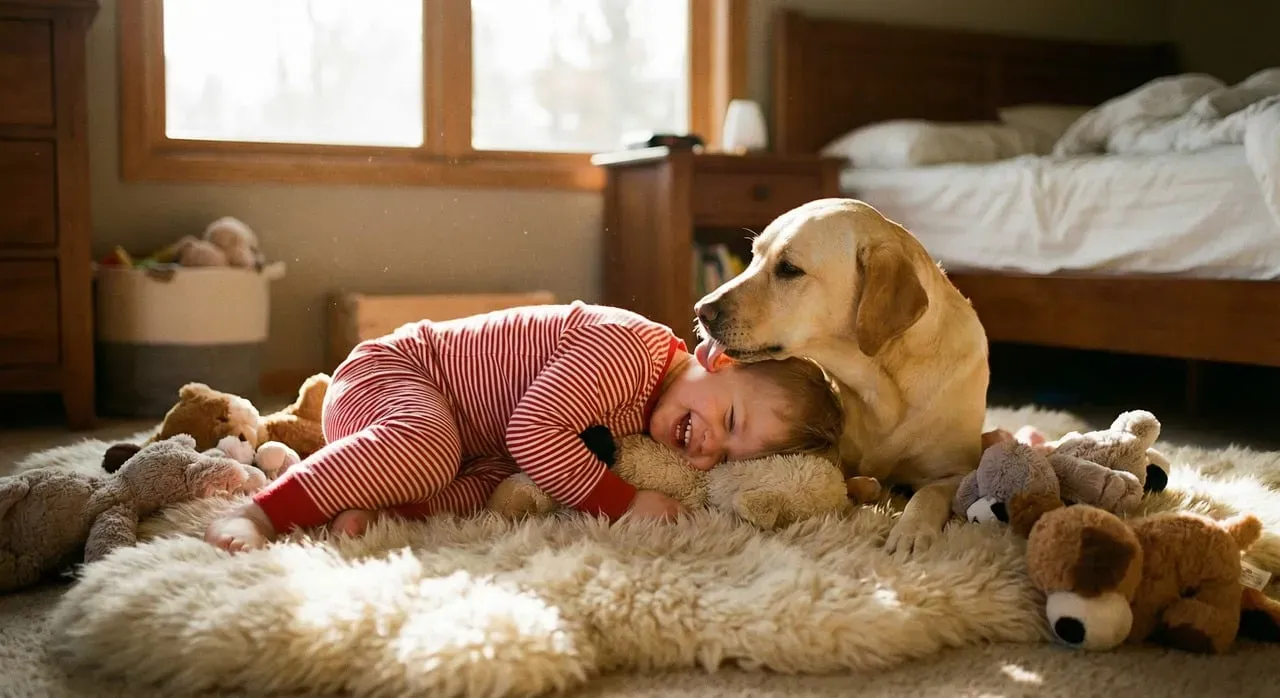
Many dogs rest a paw on their person as a quiet way to show love. The move mirrors how they might lean against you or rest their head in your lap during relaxed times. It carries the same warmth without any demand attached.
Research into canine emotions supports the idea that dogs experience bonding chemicals similar to humans. That paw can represent their version of a hug offered freely. Owners often describe the moment as one of mutual calm rather than excitement.
Reaching Out for Reassurance
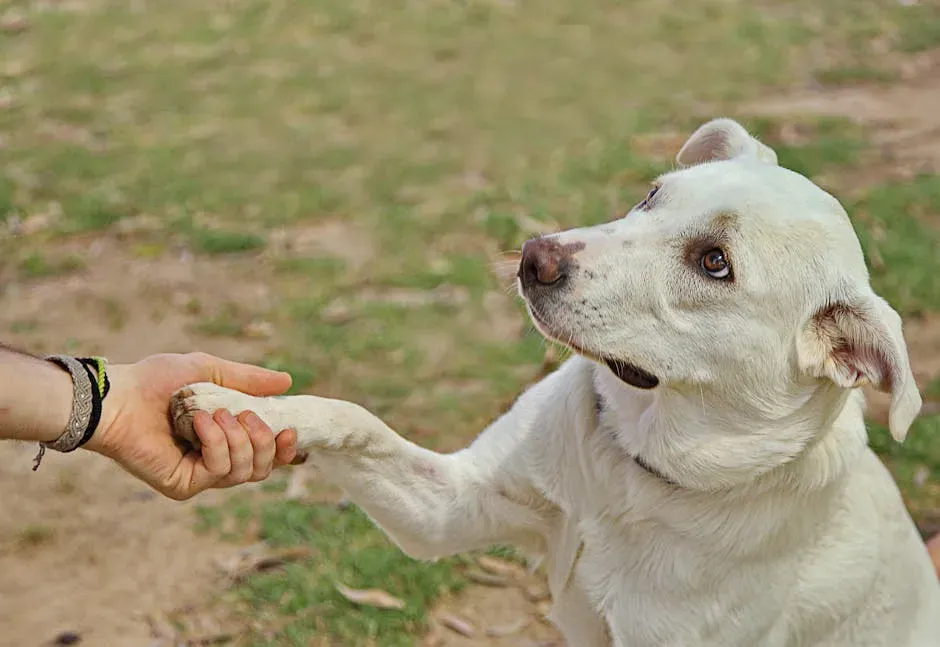
A paw can appear when something in the environment feels uncertain to your dog. Thunder, strange noises, or even your own stressed posture might prompt them to seek contact. The touch serves as both a request for comfort and a way to check that everything remains okay.
This form of reaching out shows trust in you as their safe base. It differs from anxious pawing because the pressure stays light and the dog stays close rather than pacing. Over time the habit can strengthen the sense of security between you both.
Building Bonds Through Touch
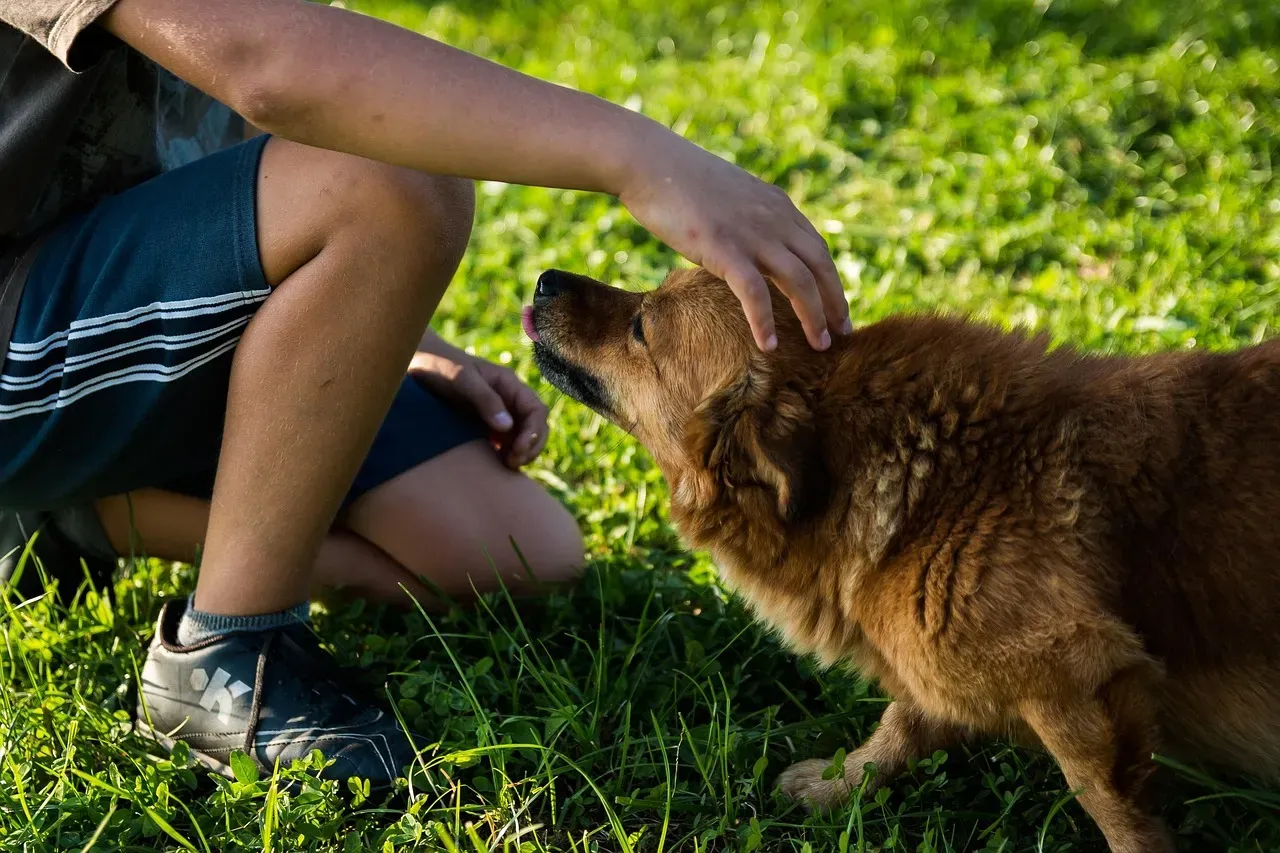
Repeated gentle pawing often marks a strong attachment that has grown over months or years. The dog chooses this specific contact because it works reliably to maintain closeness. Each instance adds another layer to the shared routine you have created together.
Touch like this also helps dogs read your mood and respond in kind. They pick up on subtle shifts in your breathing or posture and mirror them with their own quiet presence. The result feels like a steady, wordless conversation that deepens daily.
When Boredom Calls for Interaction
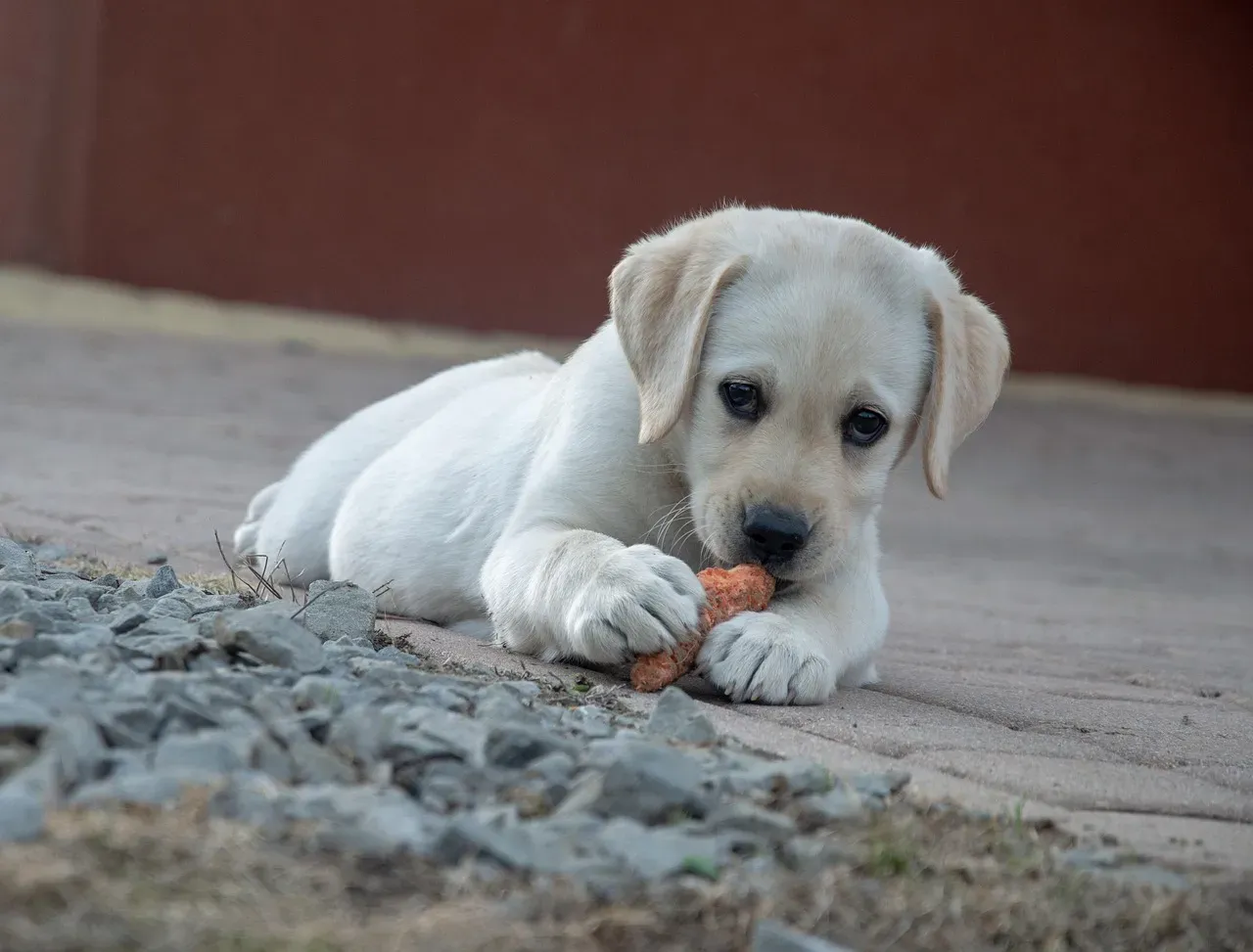
Some dogs use the paw when they have run out of things to do on their own. The move acts as an invitation to play, walk, or simply share space in a more active way. It appears most often during long stretches of quiet in the house.
Recognizing this pattern lets you respond with enrichment rather than just more petting. A quick game or short outing can satisfy the need behind the gesture. The behavior then becomes less frequent once mental and physical needs are met.
What This Behavior Really Tells Us About Your Bond
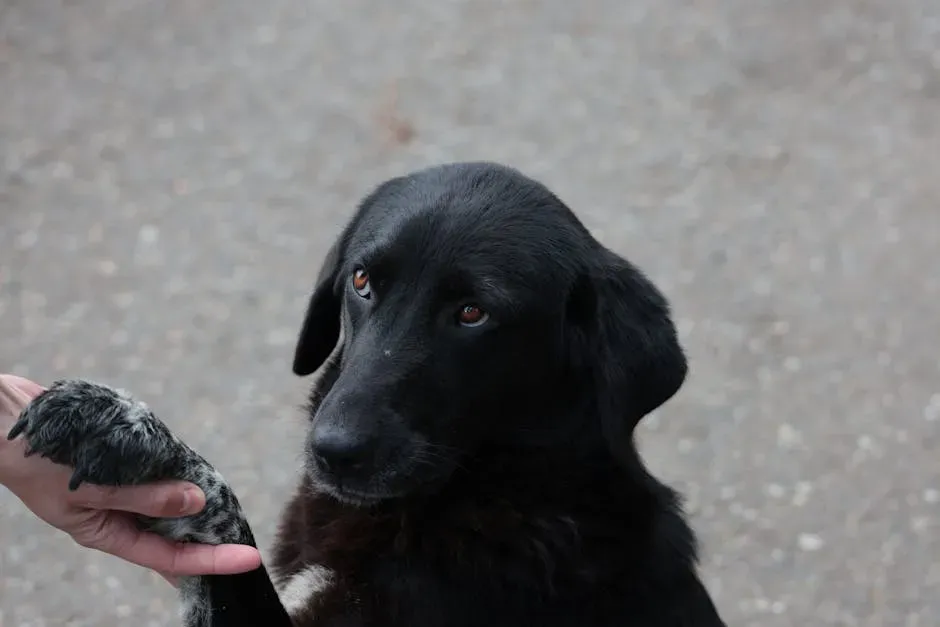
Ultimately the gentle paw on your arm reveals how much your dog relies on you for both comfort and companionship. It shows they view you as someone worth reaching toward rather than someone to demand from. That distinction matters more than any single interpretation.
Paying attention to the full picture, including timing and other signals, turns these moments into opportunities for better understanding. The bond grows stronger when both sides learn to read these small exchanges. In the end the paw serves as a reminder that the relationship rests on mutual care expressed in the simplest ways.


