
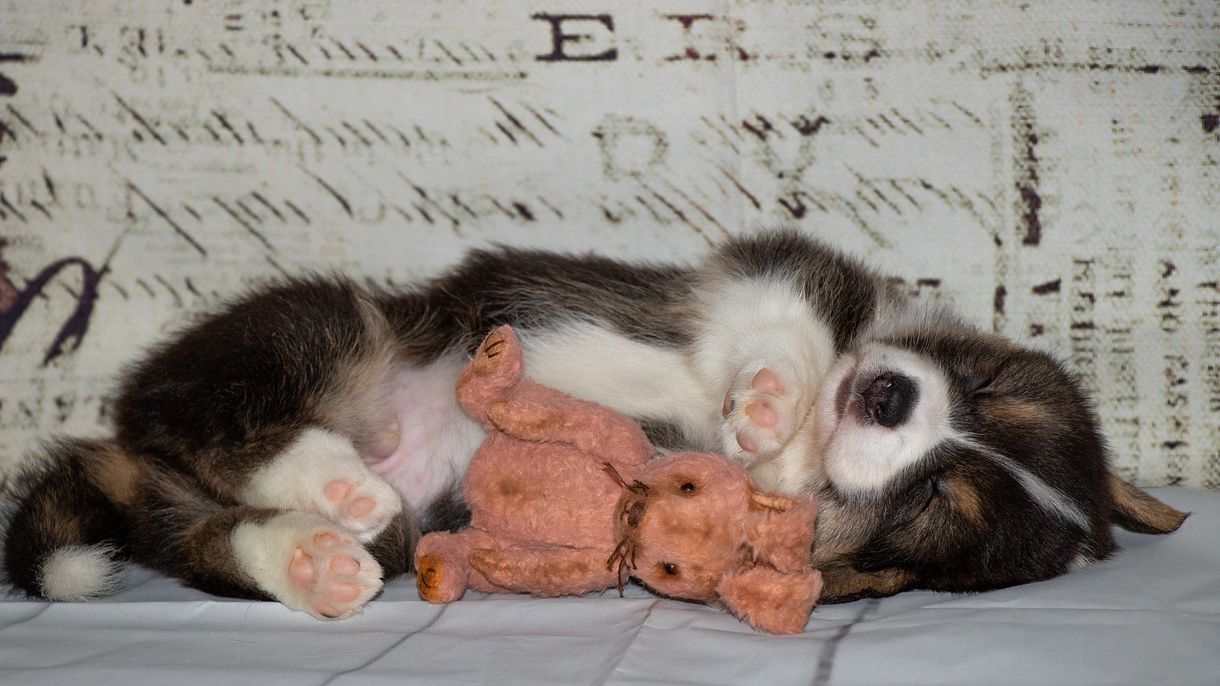
Watch a dog settle in for the night and you might notice something small but telling. They pad over to their toy pile, select one with care, and carry it straight to their bed before curling up. It looks like a simple habit at first glance, yet animal psychology points to something deeper at work.
This quiet ritual often reflects how dogs build a sense of security in their surroundings. The choice of toy and its placement reveal instincts that have lingered from their wild ancestors, mixed with the bonds they form in our homes.
The Instinct to Protect Valuables
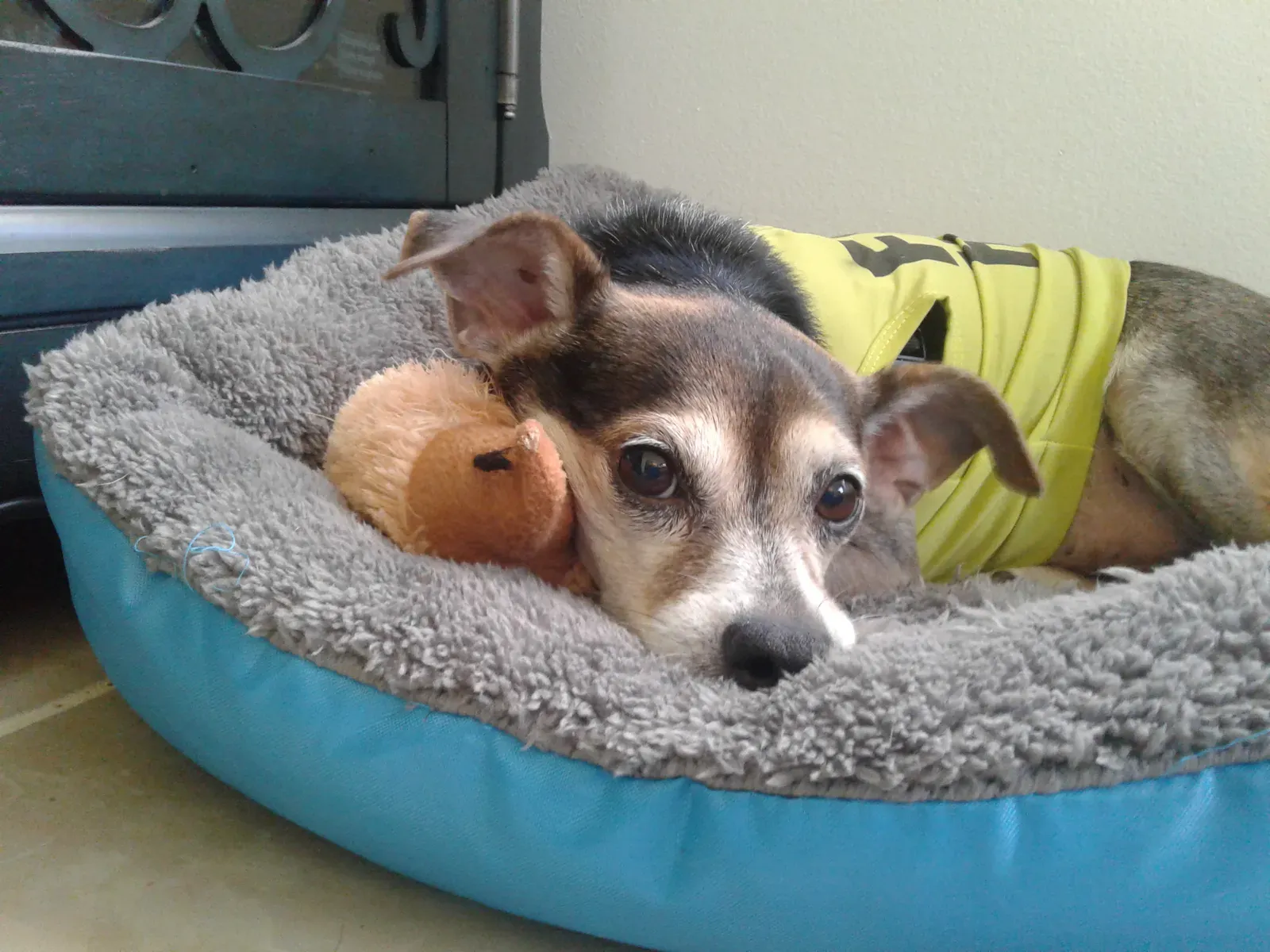
Dogs carry a strong drive to safeguard items they value. In the wild, they would hide food or prized finds to keep them from others. Bringing a toy to bed taps into that same urge, turning the sleeping spot into a protected zone where nothing can be taken away.
Owners often see this play out when a dog gathers several toys at once. The bed becomes a collection point, a place where everything important stays close and accounted for. This behavior feels instinctive rather than learned, showing up even in puppies who have never faced real threats.
Comfort and Security in Familiar Objects
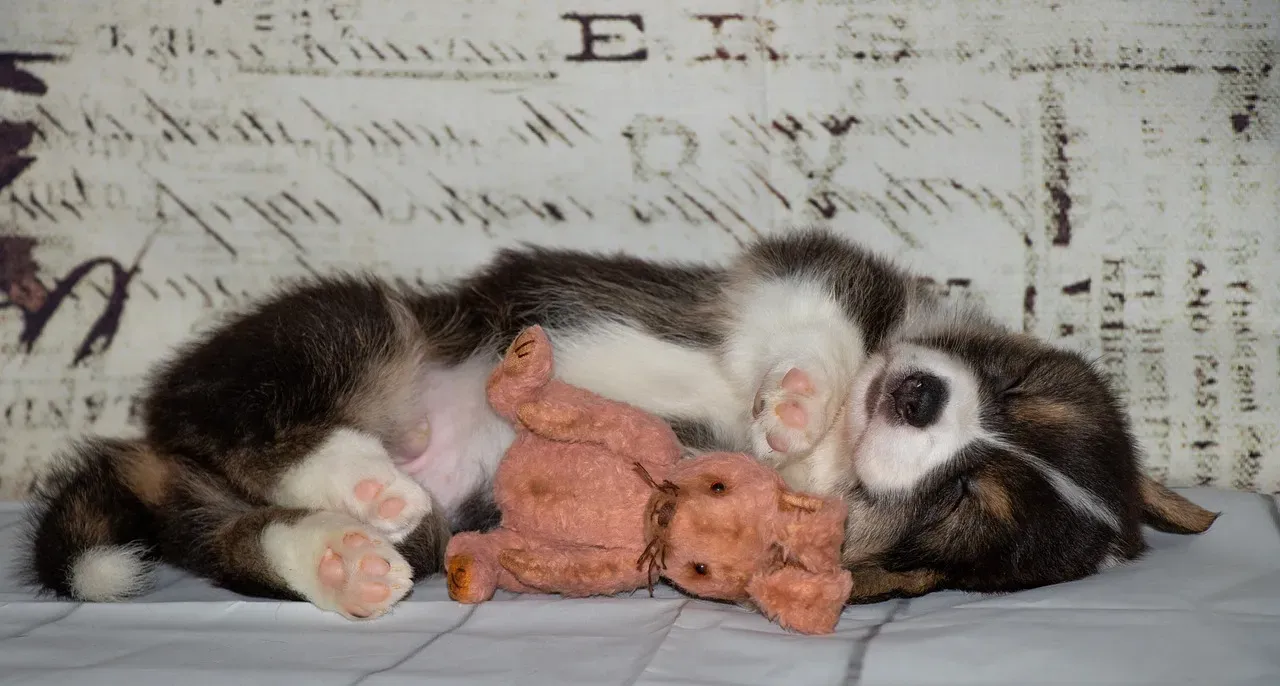
A favorite toy carries scents and textures that feel reassuring. Much like a child with a well worn blanket, a dog finds calm in holding or resting near something familiar. The toy acts as a steady presence during the quiet hours when the house grows still.
Animal behavior studies note that these objects can lower stress levels. A dog that sleeps with its toy tends to settle faster and shows fewer signs of restlessness. The association builds over repeated nights, turning the toy into a reliable cue for rest and safety.
Bed as a Personal Sanctuary

The bed holds special meaning for most dogs. It serves as their main territory inside the home, a spot they claim as their own. Placing a toy there reinforces that claim and creates a complete little world where they feel in control.
Many dogs choose the same toy night after night. This repetition strengthens the link between the object and the feeling of being secure. Over time the bed and the toy together signal that it is time to relax and let guard down.
Signs of Emotional Attachment
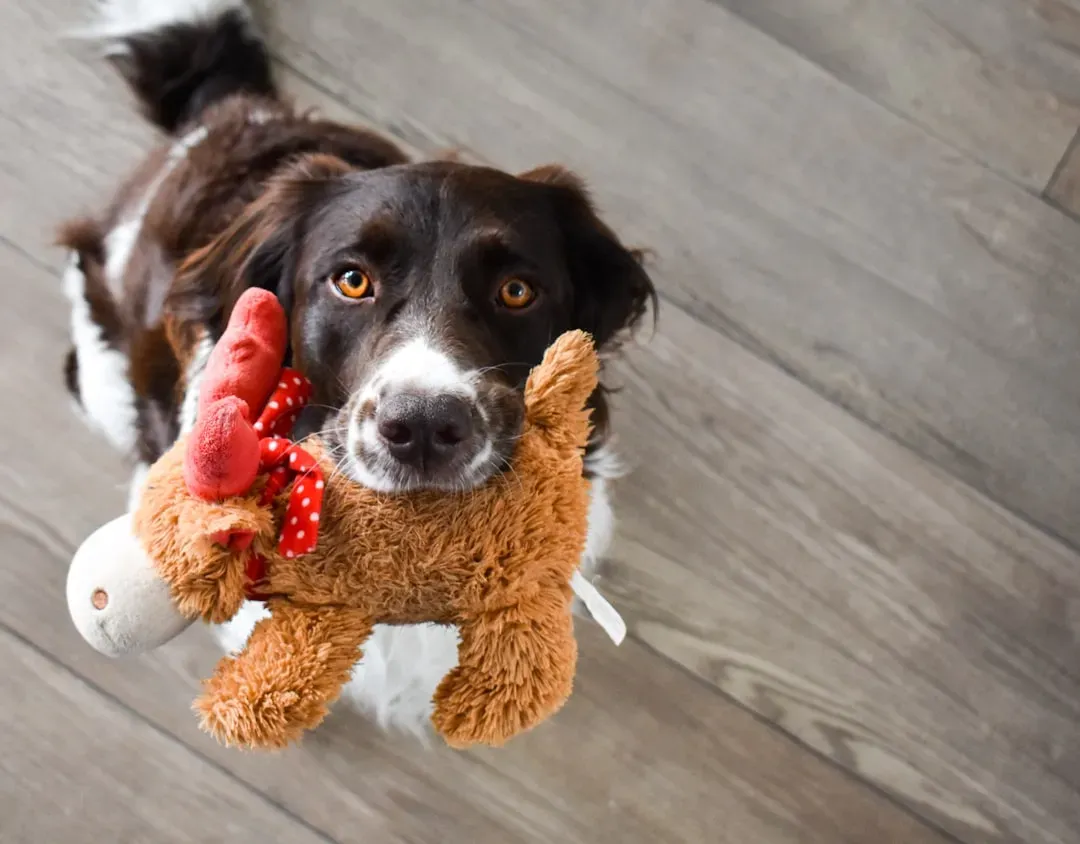
Some dogs treat their chosen toy almost like a companion. They carry it gently, sometimes even grooming it with their tongue before settling. This attachment grows from daily interactions and the comfort the toy provides during alone time or changes in routine.
Rescue dogs in particular may lean on this habit more heavily. A toy that smells like home or carries memories of play can ease the transition into a new environment. The behavior offers a window into how dogs process feelings of belonging.
How This Behavior Develops Over Time
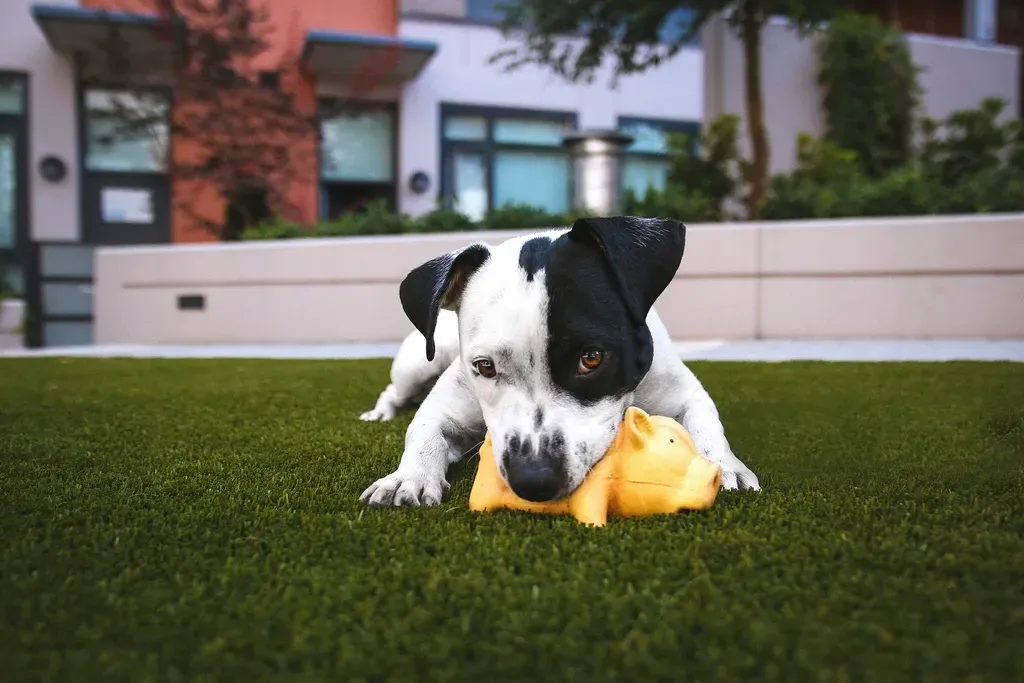
Puppies often start by exploring toys everywhere. As they mature, they begin to select favorites and move them to preferred resting spots. The shift happens gradually as the dog learns which objects bring the most comfort and which locations feel safest.
Owners who notice the pattern early can support it by keeping the bed area consistent. A stable setup helps the dog strengthen the positive connection. Changes in the household, like new furniture or visitors, sometimes prompt a dog to double down on this ritual for reassurance.
Variations Across Different Breeds and Personalities
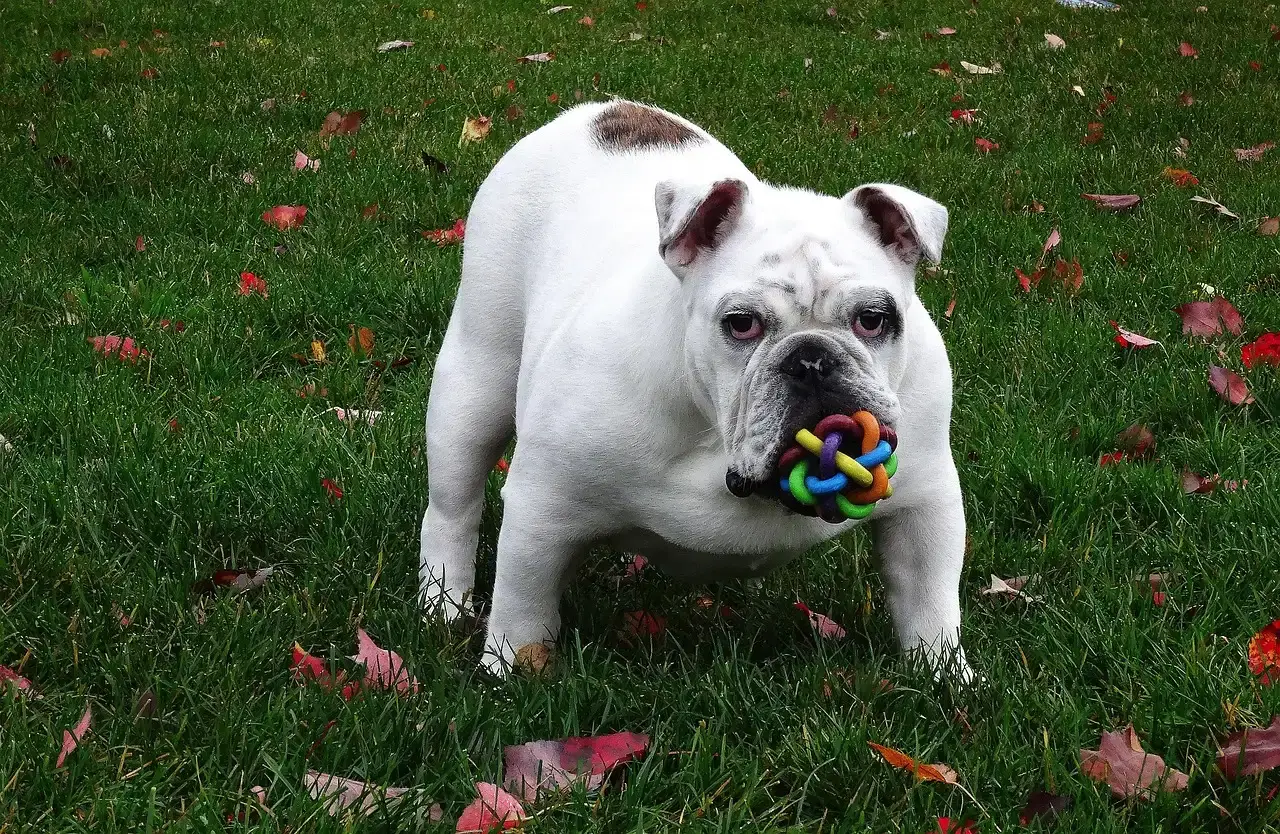
Not every dog shows this habit with the same intensity. Herding breeds might gather toys more methodically, while independent types could keep just one close by. Individual temperament plays a large role in how strongly the safety association forms.
Age and past experiences also shape the behavior. Older dogs that have lived through moves or losses may rely on the toy more than younger ones. Watching these differences helps owners understand their pet on a deeper level without assuming every dog follows the same pattern.
What Owners Can Learn From This Habit

Paying attention to toy choices reveals a lot about a dog needs. A sudden increase in carrying toys to bed might signal stress from a schedule change or new noise in the home. Small adjustments, like adding a familiar blanket, can build on the existing comfort the toy already provides.
This simple act reminds owners that dogs seek security in everyday ways. Respecting the ritual by leaving the chosen toy in place shows care and strengthens the trust between pet and person. Over time it becomes one more quiet thread in the bond they share.
In the end, the habit speaks to a basic truth about dogs. They do not just live alongside us. They actively shape their world to feel safe, one toy at a time. Noticing that effort changes how we see their nights and our own role in making home feel right.


