

Walk through any neighborhood park on a weekday morning and you will notice something quietly striking. The older adults with dogs often move with a kind of steady attentiveness that feels different from the hurried pace of younger owners. It raises a natural question about what changes with age and experience that turns ordinary pet care into something deeper.
These differences do not appear overnight. They build from years of living, adjusting, and learning what really matters in daily companionship. The result shows up in small consistent choices that add up to remarkable devotion.
They Bring Decades of Life Experience to Every Interaction
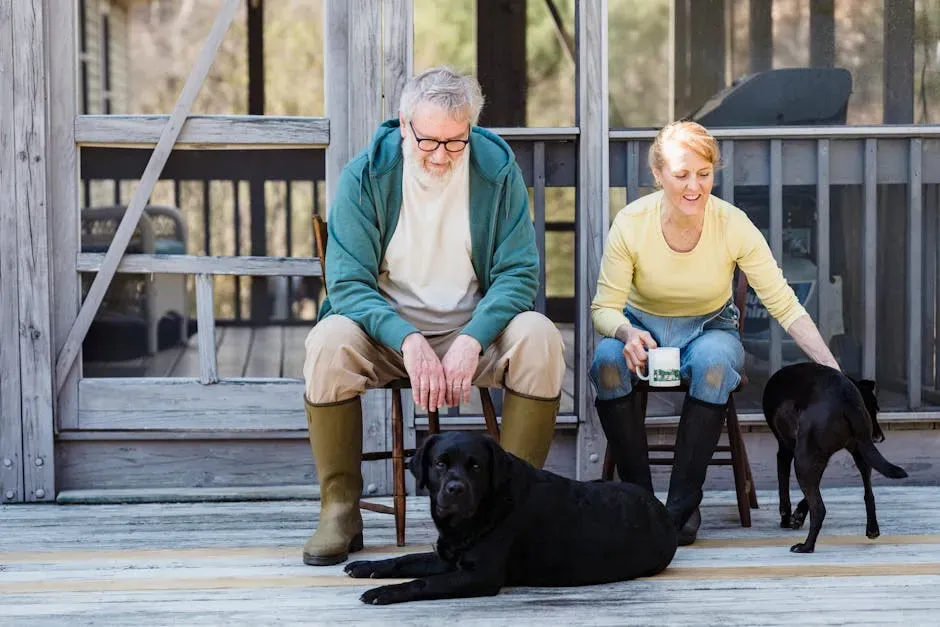
Owners over 50 have already navigated careers, relationships, and personal setbacks. That history shapes how they read a dog’s moods and needs without rushing to quick fixes. They notice subtle shifts in energy or appetite that come from paying attention over time rather than scrolling for answers.
This perspective also means they avoid common early mistakes like inconsistent rules or overreacting to normal behaviors. Instead they draw on patterns observed across multiple seasons of their own lives. The dog benefits from calm, informed responses that feel steady and reliable.
Empty Nest Years Create Space for Focused Attention
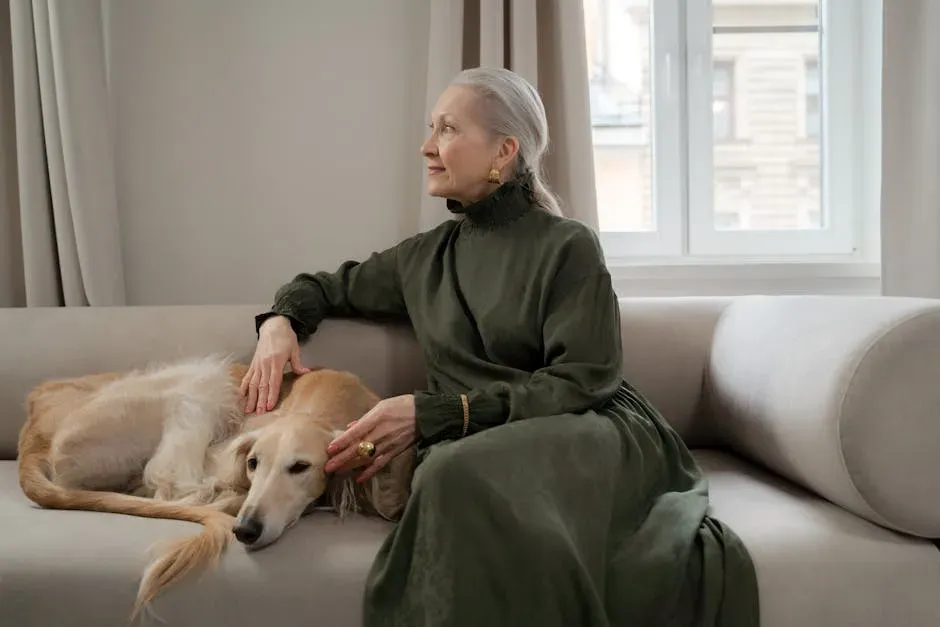
When children leave home many people find themselves with extra hours and emotional room. A dog steps into that space naturally and receives undivided daily presence. Walks become longer conversations rather than quick errands squeezed between other demands.
Owners in this stage often describe the relationship as a new chapter of caregiving that feels chosen rather than required. They plan activities around the dog’s comfort and preferences. The result is a bond built on consistent companionship instead of divided attention.
Financial Stability Supports Better Nutrition and Care

With mortgages paid down and careers established, many owners over 50 can prioritize quality food, regular vet visits, and even specialized treatments. They research options thoroughly and choose what fits the individual dog rather than the cheapest available. This practical support shows up in healthier coats, steady weights, and prompt attention to minor issues before they grow.
They also budget for training classes or enrichment toys without hesitation. The investment reflects a long view of the dog’s well being rather than short term convenience. Over time these choices compound into noticeably vibrant pets.
Established Routines Provide Predictable Comfort
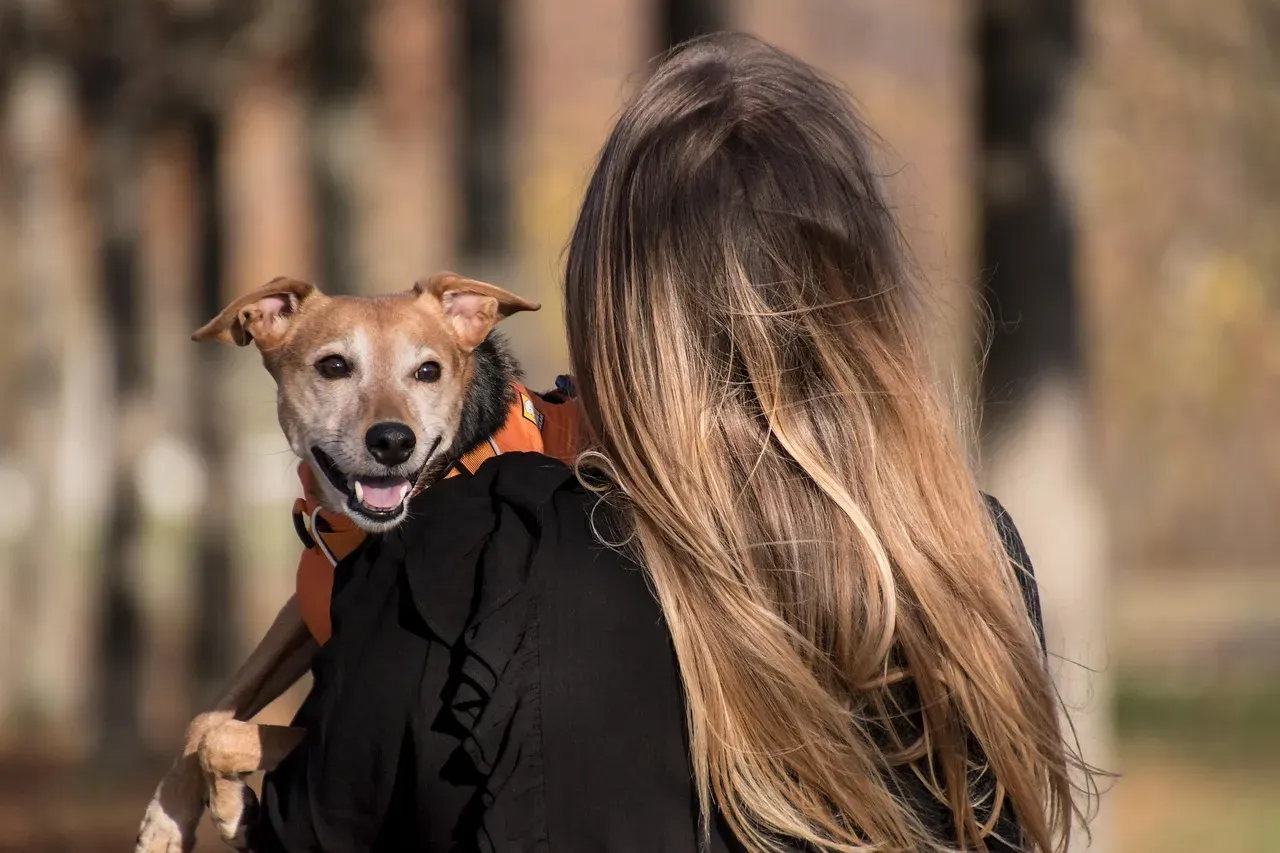
Daily schedules tend to settle into reliable rhythms after fifty. Feeding times, walk routes, and bedtime patterns become anchors that dogs learn to trust completely. This consistency reduces anxiety and builds a sense of security that younger households with shifting work hours sometimes struggle to match.
Owners notice how their dogs relax into the familiar sequence of events. They adjust the routine gently when needed but keep the core structure intact. The stability becomes a quiet form of devotion expressed through repetition rather than grand gestures.
Patience Has Grown Through Years of Practice
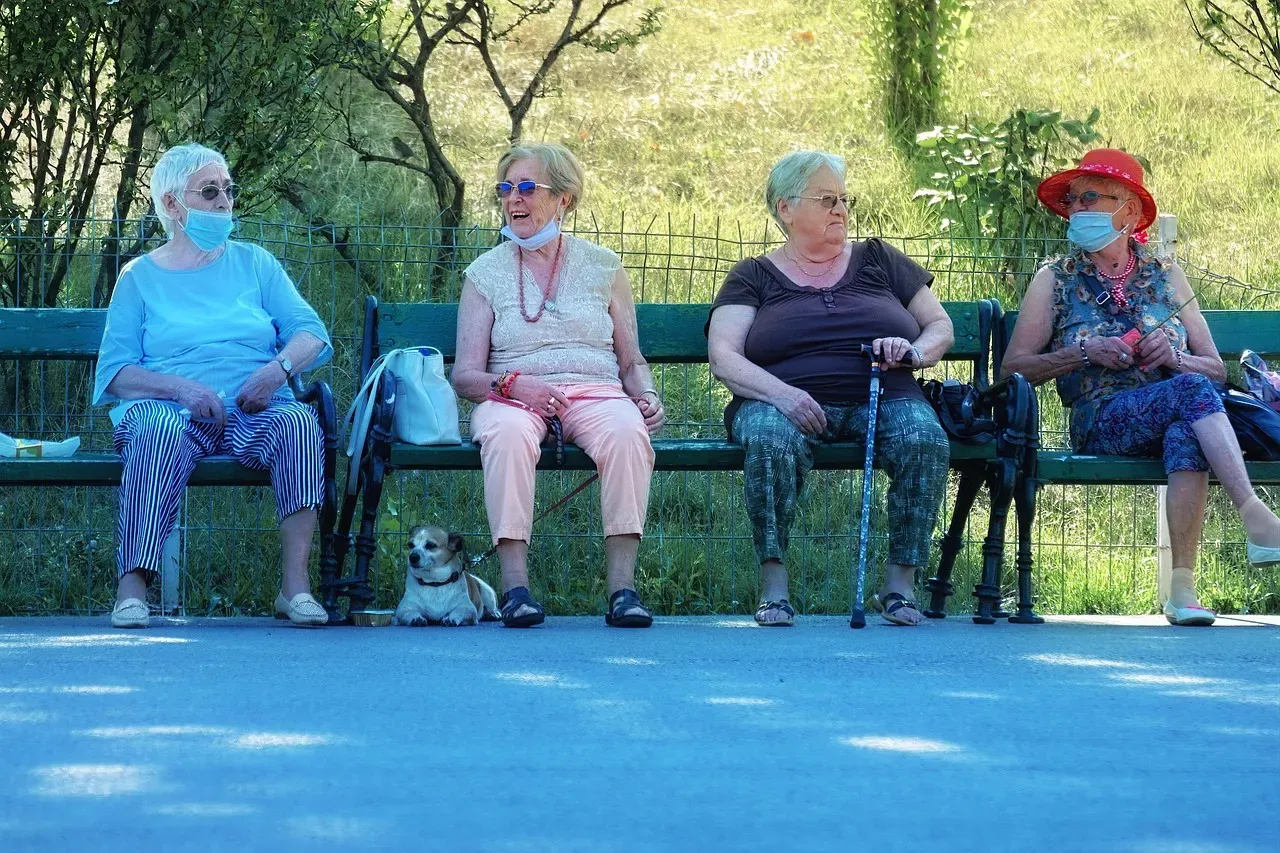
Life teaches most people over fifty that not every problem needs an immediate dramatic solution. They apply the same measured approach to training and behavior challenges. A dog that takes longer to learn a command receives repeated calm sessions instead of frustration.
This patience extends to health changes that come with age for both the owner and the pet. They adapt exercise levels or introduce ramps without complaint. The steady presence communicates acceptance that strengthens the relationship over time.
Health Awareness Drives Consistent Activity
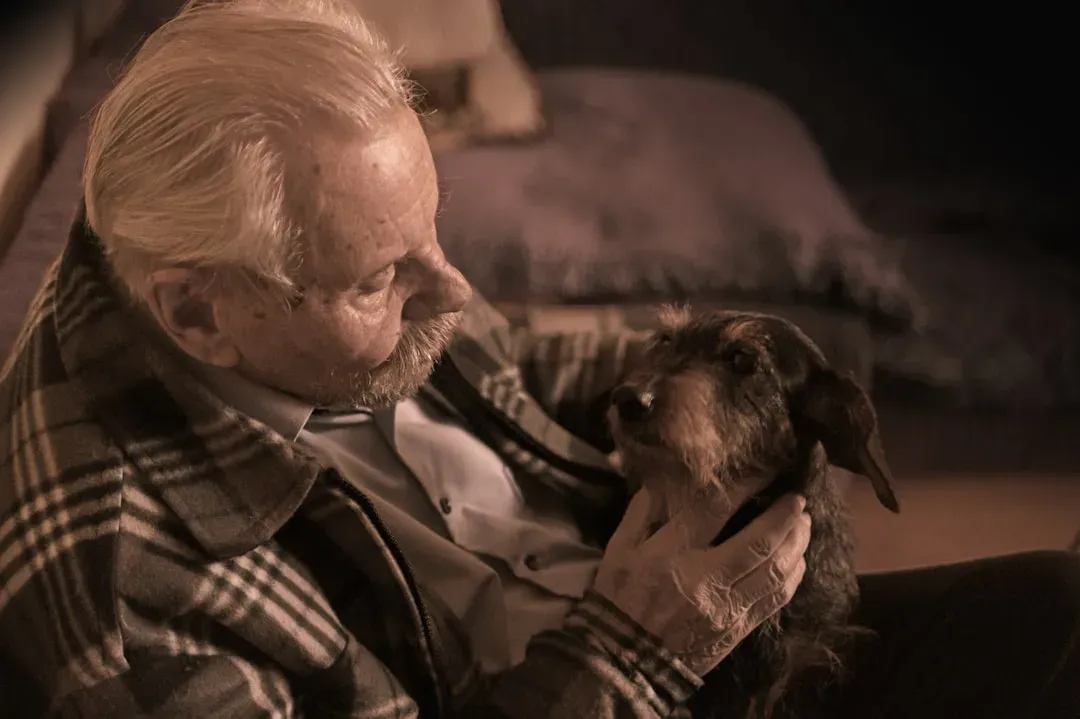
Many owners in this age group have personal experience with the benefits of movement for joints and mood. They translate that knowledge into daily walks or gentle play that keeps their dogs fit. The activity often becomes mutual, with both parties gaining energy from the shared habit.
They track subtle signs of stiffness or fatigue and adjust accordingly. Preventive care like joint supplements or regular checkups fits naturally into their own wellness routines. The dog receives proactive attention that supports longer, more comfortable years.
Emotional Maturity Deepens the Bond
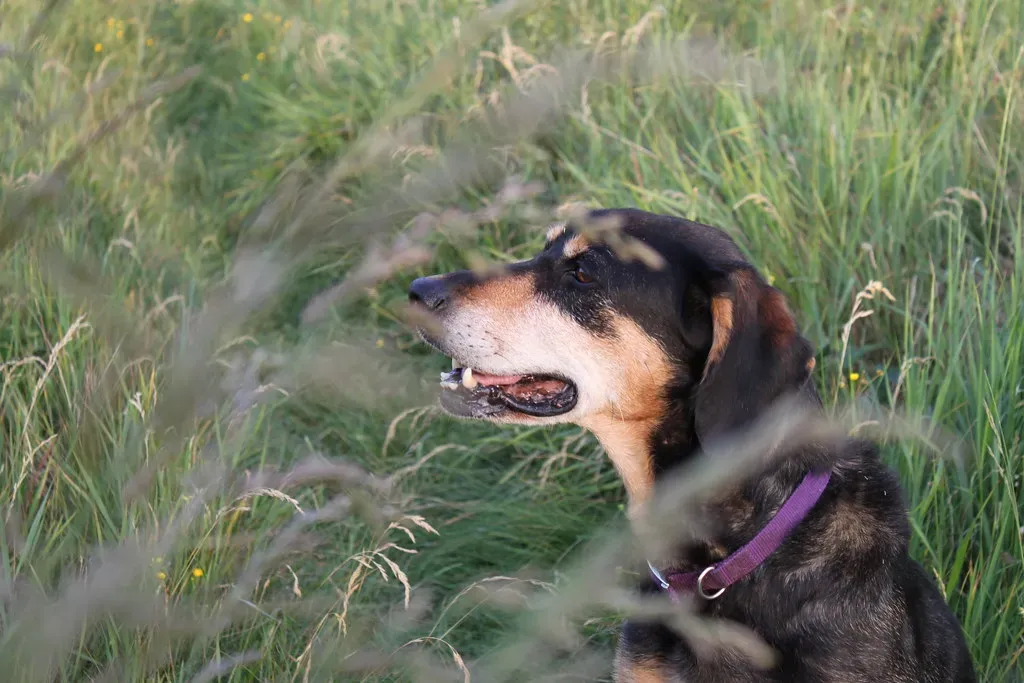
By this stage most people have learned to value quiet loyalty over flashy excitement. They appreciate the simple presence of a dog waiting at the door or settling beside them on the couch. Conversations with the pet happen naturally as part of processing the day.
This maturity also means they handle the inevitable challenges of aging pets with grace. They focus on comfort and quality time rather than denial or avoidance. The relationship gains a reflective quality that feels mutual and grounded.
Career Pressures Have Eased for More Presence

Retirement or reduced work hours free up mental space that once went to deadlines and meetings. Owners notice their dogs respond to this availability with increased affection and relaxed behavior. Evenings stretch into extended play or grooming sessions that strengthen connection.
They often rearrange their days around the dog’s natural rhythms instead of forcing the dog to fit around work. This flexibility shows up in midday check ins or spontaneous outings. The dog experiences a level of attunement that feels attentive and personal.
Community Ties Expand Through Dog Related Activities

Dog parks, training groups, and neighborhood walks introduce regular social contact centered on the pet. Owners over fifty often become familiar faces who remember other dogs’ names and stories. These interactions create a support network that benefits both the person and the animal.
They share tips on local resources or recommend trusted sitters without hesitation. The involvement turns pet ownership into a shared community experience rather than an isolated task. The dog gains from the expanded circle of familiar people and places.
Long Term Thinking Shapes Every Decision

Owners at this stage plan ahead for the dog’s entire lifespan rather than reacting month to month. They research breeds or rescues with realistic expectations about energy levels and care needs. Future considerations like mobility aids or end of life comfort enter conversations early.
This forward view also influences choices about training and socialization that pay off years later. They invest in relationships that will last through multiple life phases. The commitment feels deliberate and enduring from the start.
Appreciation for Simple Daily Joys Runs Deep
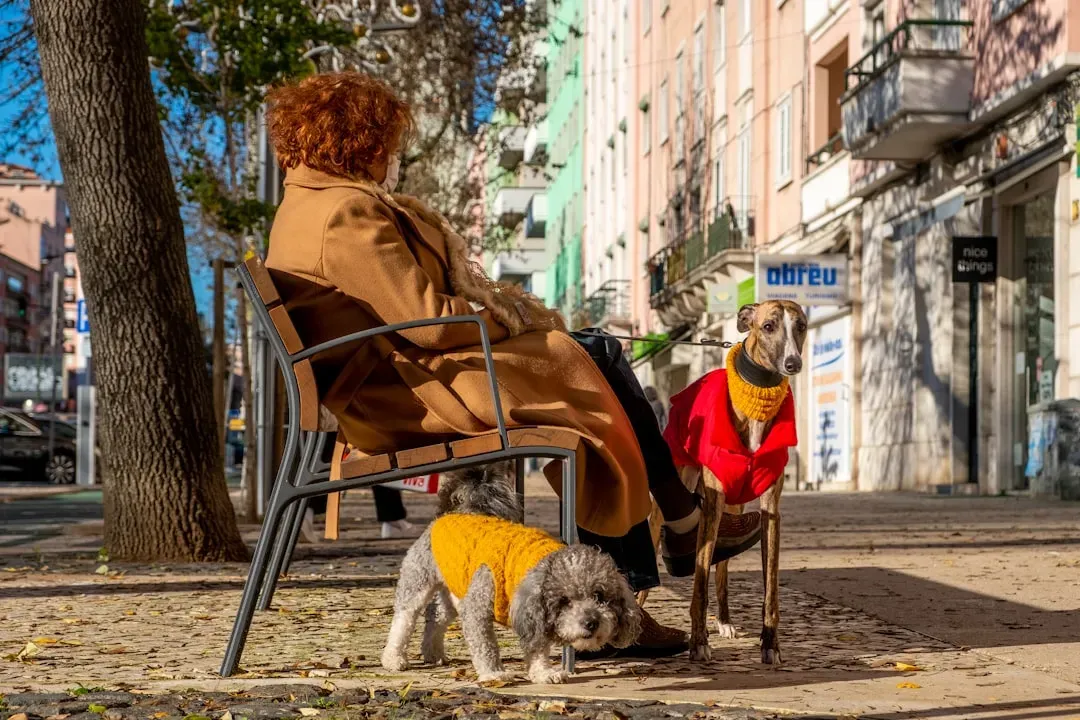
After decades of chasing milestones many people over fifty find renewed pleasure in ordinary moments like watching a dog chase a ball or curl up in sunlight. They linger during walks to notice scents and sounds the dog enjoys. These pauses turn routine outings into shared experiences full of quiet delight.
The gratitude extends to the dog’s unconditional presence during quieter periods of life. Owners often speak of the pet as a steady companion through transitions. This perspective infuses care with genuine warmth that younger owners may still be developing.
These patterns of devotion do not come from any single advantage but from the way time, perspective, and circumstance align. The result is a model of pet parenting that feels both practical and deeply felt. Watching it in action reminds us how much steady presence can shape a life shared across species.


