

Watch a dog settle by the door ten minutes before its person usually gets home from work. The quiet anticipation feels almost uncanny, as if the animal carries an internal schedule tuned to someone else’s life. This pattern shows up again and again in homes everywhere, hinting that dogs may measure their days less by abstract hours and more by the steady rhythm of the people they live with.
Understanding How Dogs Experience Time
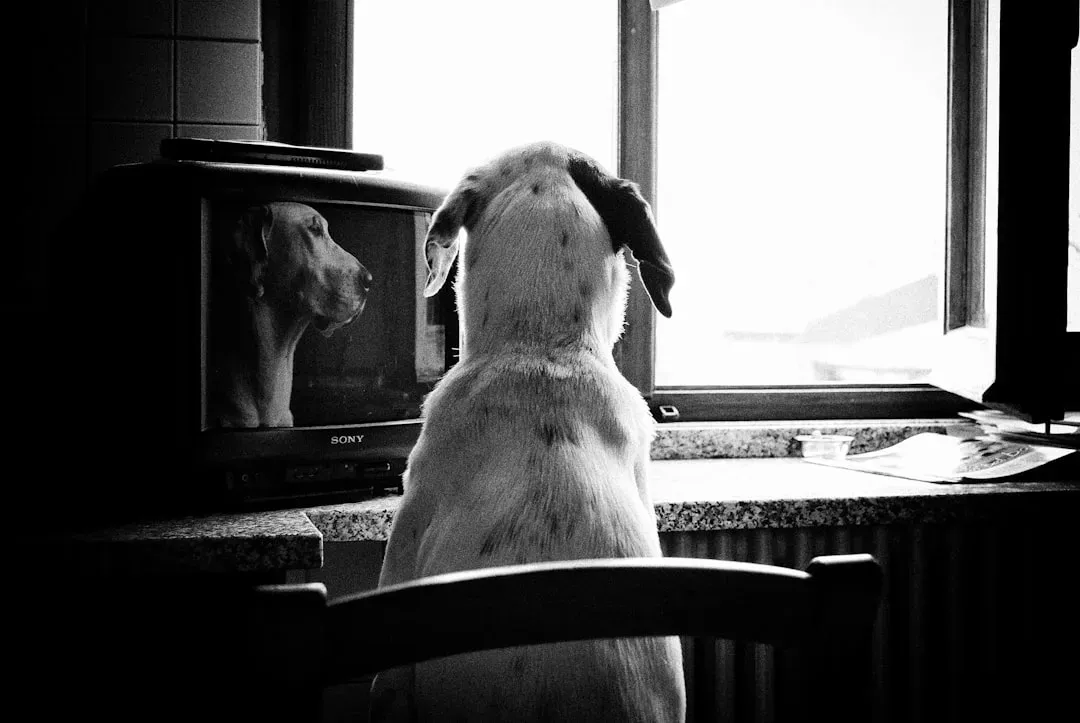
Dogs appear to track time through a combination of internal body signals and external cues rather than reading a mental clock. Their sense of duration often ties directly to predictable events such as meals, walks, or the sound of a car pulling into the driveway. This associative approach lets them anticipate what comes next without needing to count minutes.
Studies of animal cognition suggest dogs hold short term memories of sequences that repeat daily. When those sequences shift, many dogs show clear signs of confusion or adjustment. The result is a practical, lived sense of time shaped by repetition instead of precise measurement.
The Influence of Daily Human Patterns

Most household dogs align their activity peaks with the comings and goings of their owners. Morning coffee time often coincides with a request for a walk, while evening television hours bring quiet settling on the couch. These repeated pairings teach dogs to expect certain outcomes at certain points in the shared schedule.
Changes in a person’s work hours or travel can visibly disrupt a dog’s behavior. Some animals become restless or vocal when the usual pattern breaks, showing how tightly their expectations link to human movement. Over time the dog recalibrates, demonstrating flexibility built around the routines it observes most closely.
Biological Clocks at Work

Like many mammals, dogs possess circadian rhythms that regulate sleep, hunger, and energy levels across roughly twenty four hours. These internal cycles respond strongly to light exposure and feeding times set by their caregivers. When owners maintain consistent schedules, the dog’s body learns to prepare for activity or rest accordingly.
Disruptions such as daylight saving time or irregular night shifts can throw these rhythms off temporarily. Dogs may wake earlier or show reduced appetite until the new pattern stabilizes. The adjustment period highlights how much their physiology leans on external human signals to stay synchronized.
Behavioral Cues That Reveal Timing Awareness

Owners often notice dogs positioning themselves near doors or food bowls well before the expected moment arrives. Some pace or whine softly, while others simply stare with focused patience. These small actions serve as visible markers of an internal countdown tied to familiar events.
Training records show that dogs quickly learn to associate specific sounds or movements with upcoming activities. The jingle of keys or the rustle of a leash becomes a reliable predictor. Such cues reinforce the idea that dogs build temporal expectations from the steady flow of household life rather than from any independent sense of hours passing.
Research Insights into Canine Cognition

Experiments involving delayed rewards and sequence memory indicate dogs can distinguish between short and longer intervals when those intervals connect to meaningful outcomes. They perform better when the timing aligns with daily patterns they already know. This suggests their time sense is practical and context dependent.
Comparative work with other species shows dogs excel at reading human social signals, which may amplify their ability to follow household rhythms. The combination of biological timing and learned associations creates a hybrid system well suited to life alongside people. Ongoing observations continue to refine how much of this ability stems from instinct versus experience.
Practical Ways to Support Your Dog’s Routine

Keeping feeding, exercise, and rest times reasonably steady helps dogs maintain calm expectations throughout the day. Small adjustments for weekends or holidays work best when introduced gradually rather than all at once. Predictability reduces stress and supports overall well being.
Enrichment activities placed at consistent points in the schedule give dogs additional anchors. Puzzle toys after breakfast or a short training session before evening wind down can strengthen positive associations. Owners who notice their dog’s preferred rhythm often find daily life flows more smoothly for everyone involved.
The Deeper Connection This Creates

When dogs organize their days around human routines, the relationship gains a quiet layer of mutual attunement. Each side learns the other’s patterns, creating a shared tempo that feels natural over months and years. This unspoken coordination often strengthens the bond without requiring extra effort.
Recognizing this dynamic encourages owners to treat consistency as a form of care rather than mere convenience. A steady schedule respects the way dogs actually experience time and reduces unnecessary confusion. In the end the simple act of showing up at roughly the same moments each day becomes one of the most reliable ways people and dogs stay in step.


