
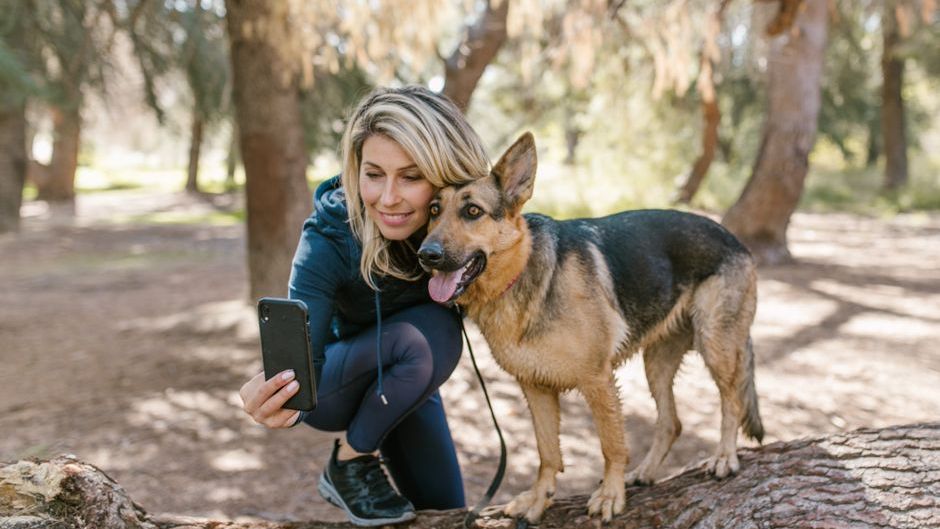
They Mirror Your Newfound Calm

Dogs pick up on subtle energy shifts long before humans name them. When schedules ease and evenings stretch longer, many dogs settle into quieter rhythms without any prompting. They linger near the couch instead of pacing for the next outing.
This mirroring happens because dogs read body language and tone with remarkable accuracy. A steadier voice and fewer rushed movements signal safety, so they relax their own guard. Over time the household feels more balanced as a result.
They Become More Attuned to Health Signals
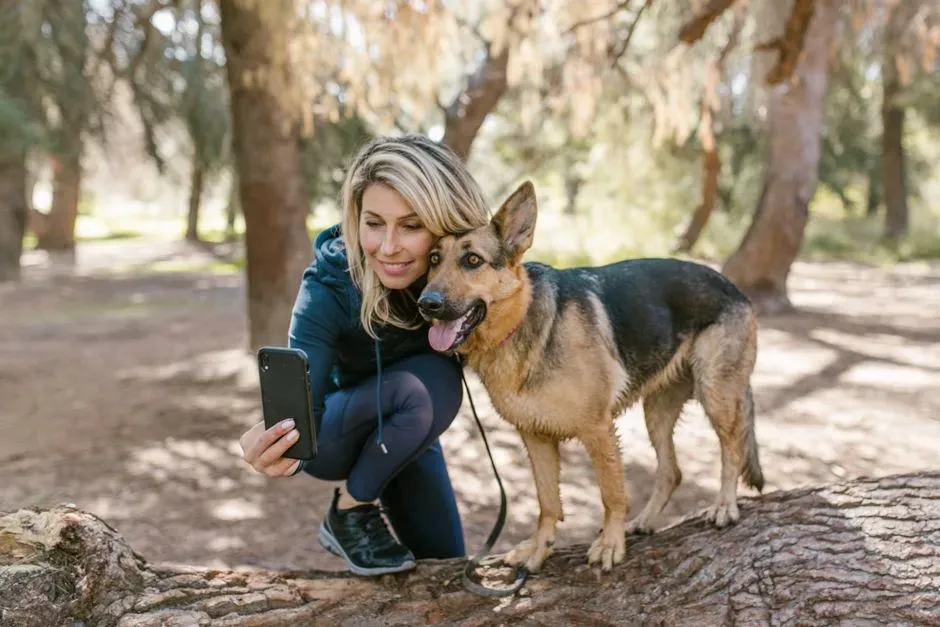
Owners in their fifties often track steps, sleep, or blood pressure more closely. Dogs notice the extra attention to routines and start aligning their own behavior. Some begin nudging owners toward water or reminding them of medication times through gentle persistence.
The change stems from consistent patterns rather than any special training. Dogs thrive on predictability, and health-focused habits create new cues they quickly learn. The result is a quiet partnership that supports both sides.
Play Styles Shift Toward Gentler Games

High-energy fetch sessions may give way to puzzle toys or short scent walks. Dogs adapt by choosing lower-impact activities that still engage their minds. They seem content with quality over quantity once the pattern settles.
This adjustment keeps joints comfortable for everyone involved. Many dogs discover they enjoy the mental challenge of new games just as much as the old sprints. The bond stays strong even as the pace changes.
They Develop Stronger Evening Routines

With more consistent bedtimes and wind-down periods, dogs often claim a favorite spot earlier in the evening. They may bring toys or simply rest nearby without demanding attention. The shift creates a shared sense of closure to the day.
Consistency helps dogs feel secure, and that security shows in calmer nights. Owners frequently report fewer middle-of-the-night disturbances once the rhythm locks in. Both parties benefit from the predictability.
They Show Increased Patience With Visitors

Adult children or grandchildren may visit more often during this life stage. Dogs that once barked at every arrival tend to observe first and greet second. The extra exposure builds tolerance without formal lessons.
Repeated positive encounters teach dogs that new faces usually mean familiar people. They learn to read the room and match the relaxed tone set by their owners. The home feels more welcoming as a result.
They Adjust Appetite to Match Activity Levels

Reduced daily mileage sometimes leads dogs to self-regulate portions more naturally. They finish meals without begging for extras once the overall movement decreases. Owners notice fewer requests for treats between meals.
This self-regulation keeps weight steady without constant monitoring. Dogs respond to the new energy output by conserving calories on their own. The change supports long-term joint health for both species.
They Become Better at Reading Subtle Cues
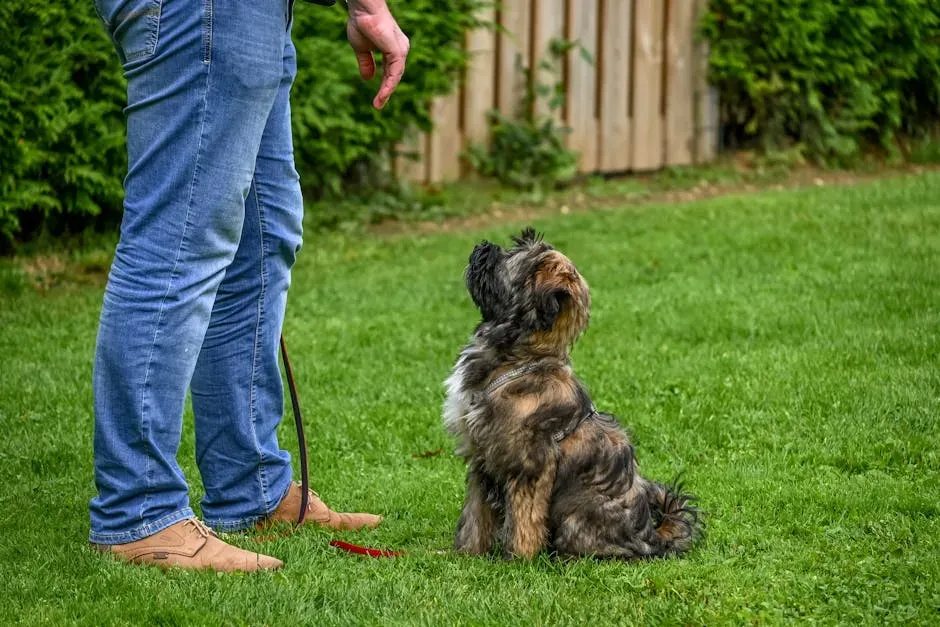
Owners often communicate more through quiet gestures and less through loud commands. Dogs sharpen their focus on these smaller signals over time. A slight shift in posture or a soft word becomes enough to guide behavior.
The refinement happens through daily repetition rather than deliberate training. Dogs already excel at reading people, and calmer households reward finer attention. Everyday interactions grow smoother and more intuitive.
They Form Deeper Attachments to Shared Spaces

Favorite chairs or corners of the yard gain new significance when time spent at home increases. Dogs claim these spots with quiet confidence and return to them throughout the day. The spaces become anchors for both owner and pet.
Shared environments strengthen the sense of partnership. Dogs seem to understand that certain rooms now hold longer stretches of togetherness. The attachment feels mutual and grounding.
They Offer Steady Companionship During Transitions

Life changes such as career shifts or grown children leaving home can feel abrupt. Dogs provide consistent presence without judgment or advice. Their steady routines help anchor days that otherwise feel unsettled.
Many owners describe this companionship as quietly reassuring rather than dramatic. The dog simply stays close through the adjustments. That reliability becomes one of the most valued parts of the relationship.
The nine shifts rarely arrive all at once, yet each one reflects how dogs adapt to the people they live with. Paying attention to these small changes often deepens the connection in ways that feel both surprising and entirely natural.


