
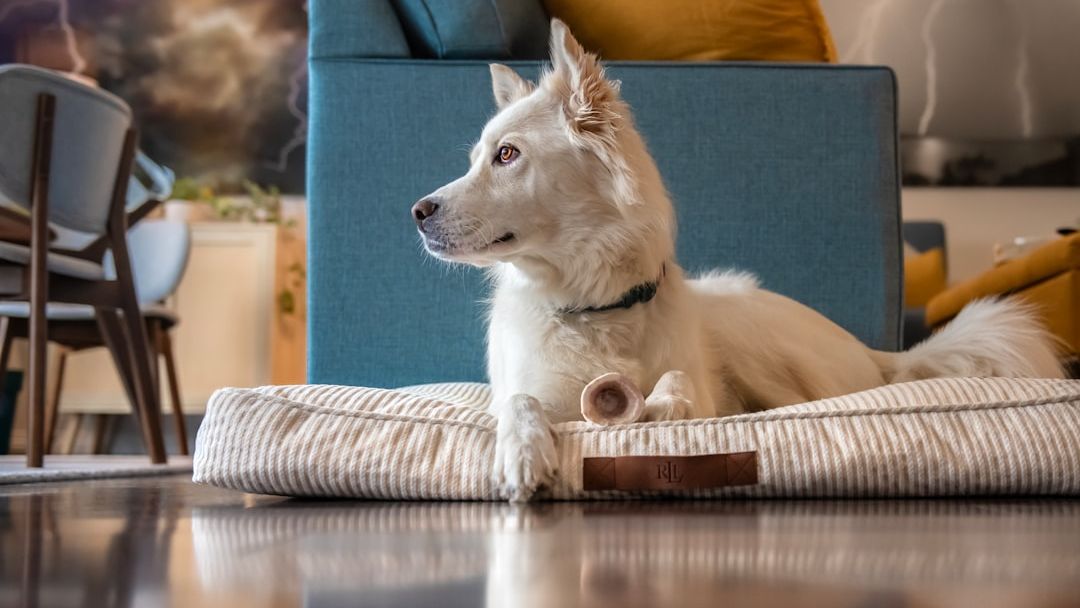
Many dog owners have shared stories of their pets slipping away quietly to a corner or under a piece of furniture in their last hours. This pattern sparks curiosity about what drives such choices and whether it reflects something deeper than simple coincidence.
Canine psychology points to ancient survival mechanisms that still influence how dogs behave when they feel vulnerable. These instincts push them toward spaces that offer protection or comfort, even as their bodies slow down.
The Roots of This Behavior in Wild Ancestry
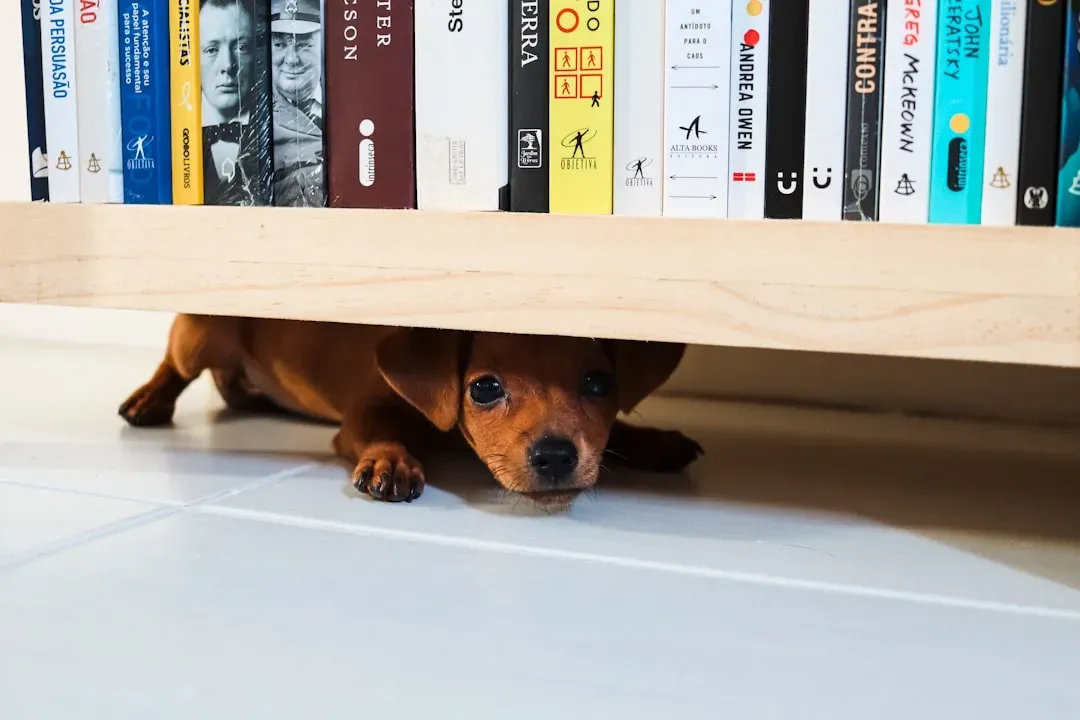
Dogs descend from wolves and other wild canids that faced constant threats from predators. When an animal grew weak or injured, isolating itself reduced the chance of drawing attention to the group or becoming easy prey.
Modern dogs carry echoes of those patterns in their DNA. Even after thousands of years of domestication, the impulse to find cover when energy fades remains strong in many individuals.
Observations from behaviorists show this response appears across breeds and living situations. It serves as a reminder that our companions still operate with some of the same wiring as their distant relatives.
Studies of feral dog populations reinforce how these tendencies persist without human influence. The drive to hide emerges naturally when physical decline sets in.
How Survival Instincts Shape Their Choices

A dog sensing its own frailty often prioritizes locations that feel secure from perceived dangers. This might mean a closet, behind the couch, or even a familiar outdoor spot that once provided shade and quiet.
The instinct does not involve a conscious understanding of death itself. Instead, it stems from an automatic response to discomfort and reduced ability to defend or escape.
Owners sometimes notice their dog testing different areas before settling on one. That exploration reflects an internal assessment of safety rather than any dramatic farewell ritual.
Body language during these moments tends to show calm rather than distress. The choice of spot often aligns with places the dog already associated with rest and low activity.
Signs That a Dog Might Be Seeking Solitude
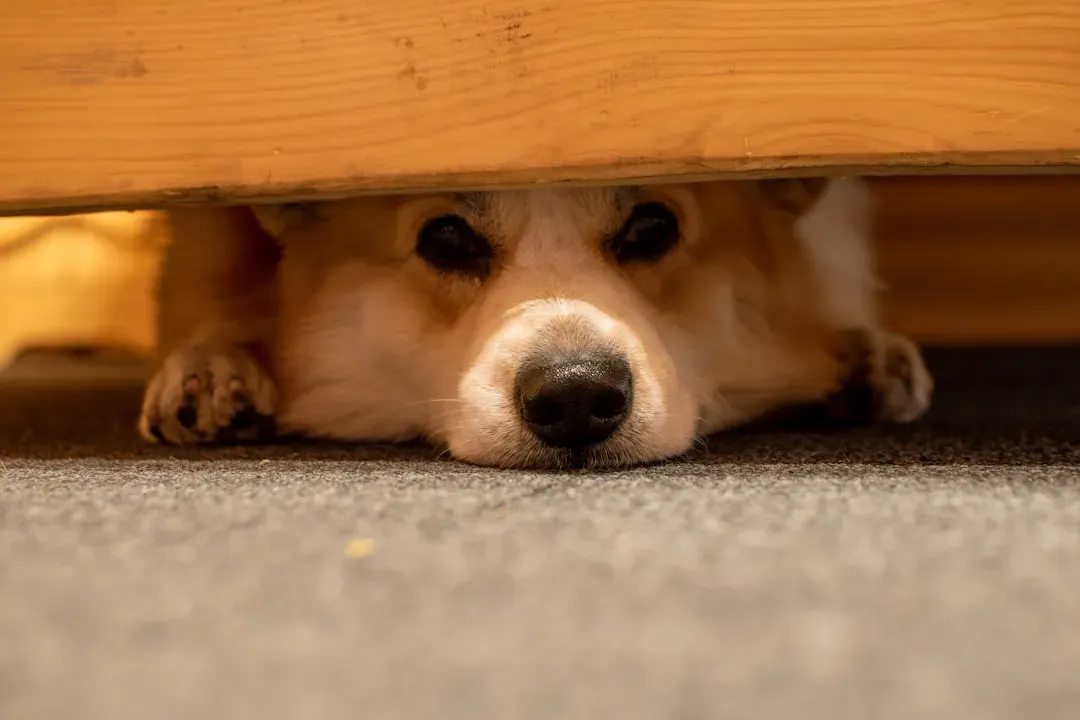
Changes in routine often appear first, such as spending more time in one room or avoiding high traffic areas of the home. These shifts can signal the dog is conserving energy and seeking less stimulation.
Reduced interest in food or play sometimes accompanies the withdrawal. The dog may still respond to gentle voices but prefers not to move far from its chosen spot.
Some pets alternate between hiding and brief returns to their people. This back and forth shows the instinct at work alongside their bond with the household.
Physical cues like slower movements or choosing cooler, darker corners add to the picture. Each dog expresses the behavior in its own way depending on personality and health.
Why Some Dogs Stay Close Instead
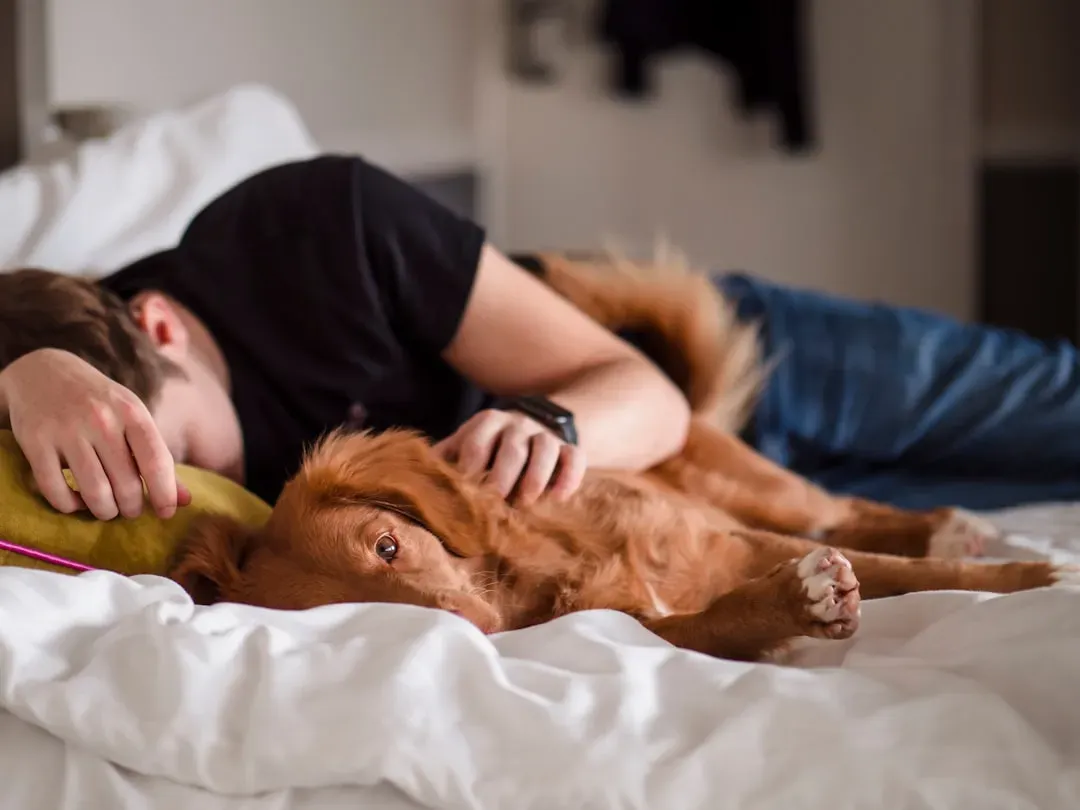
Not every dog follows the hiding pattern. Those with strong attachments to their families may seek extra closeness and reassurance during decline.
Individual temperament plays a large role here. Confident or highly social dogs often draw comfort from familiar voices and touch rather than isolation.
Environment matters too. A dog that has always slept near its people may continue that habit even when feeling unwell. The safest place for them remains right beside their humans.
Both responses are valid expressions of the same underlying drive for security. What looks like opposite behaviors actually serve the same goal of feeling protected.
The Role of Environment and Familiarity
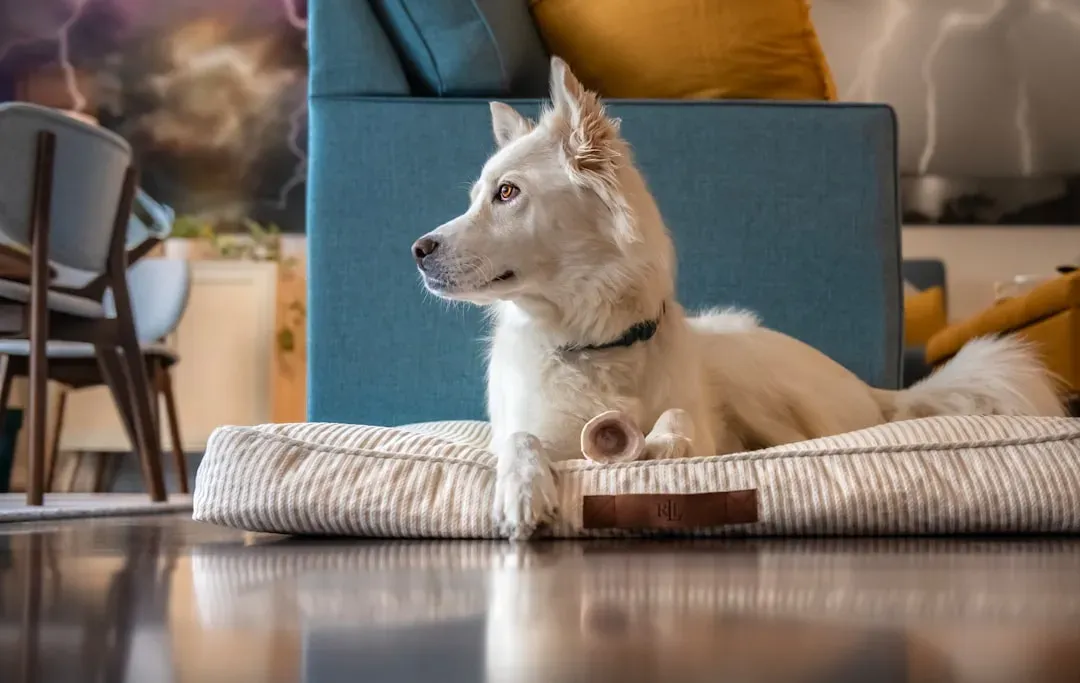
A dog evaluates its surroundings based on past experiences of safety. The spot it chooses often ties back to places where it has rested peacefully before.
Changes in the home, such as new furniture or visitors, can influence where the dog retreats. Familiar scents and textures provide additional reassurance during this time.
Outdoor access sometimes leads dogs to favorite garden corners or under porches. These locations echo the natural cover their ancestors would have used.
Owners who notice these preferences early can make small adjustments. Adding a soft blanket to a chosen area helps the dog feel even more secure without interfering with its instincts.
What Owners Can Do to Support Their Pets

Respecting the dog’s choice of space while staying nearby offers a balanced approach. Quiet presence lets the animal know it is not alone without forcing interaction.
Monitoring comfort levels remains important. Gentle checks for pain or distress allow timely veterinary support if needed.
Creating a calm atmosphere around the chosen spot reduces external stressors. Soft lighting and minimal noise help the dog maintain its sense of safety.
Many owners find that simply sitting nearby and speaking softly provides mutual comfort. The bond continues even as the dog follows its natural inclinations.
Understanding This Instinct Brings Peace to the Journey
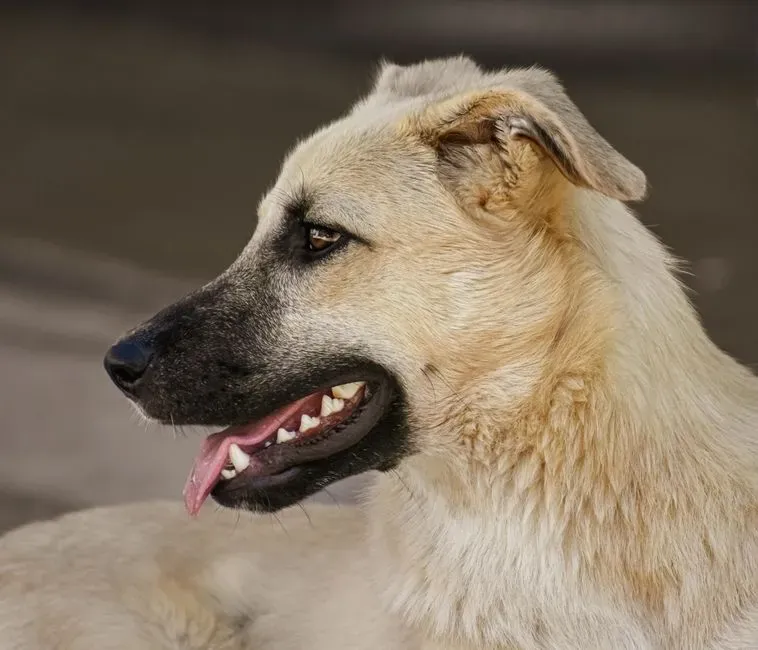
Witnessing a dog follow its instincts can feel bittersweet, yet it also highlights the quiet wisdom these animals carry. Their choices reflect a deep rooted drive for protection that has served their kind for generations.
Accepting this behavior as natural rather than a rejection helps owners focus on the love that defined the relationship. The final moments become less about control and more about honoring what the dog needs.
Every dog writes its own ending within the limits of its instincts and circumstances. Paying attention to those signals allows for a more compassionate close to a shared life.
In the end, the instinct to seek safety reminds us that our dogs remain true to themselves even at the close. That consistency offers its own quiet form of reassurance.


