
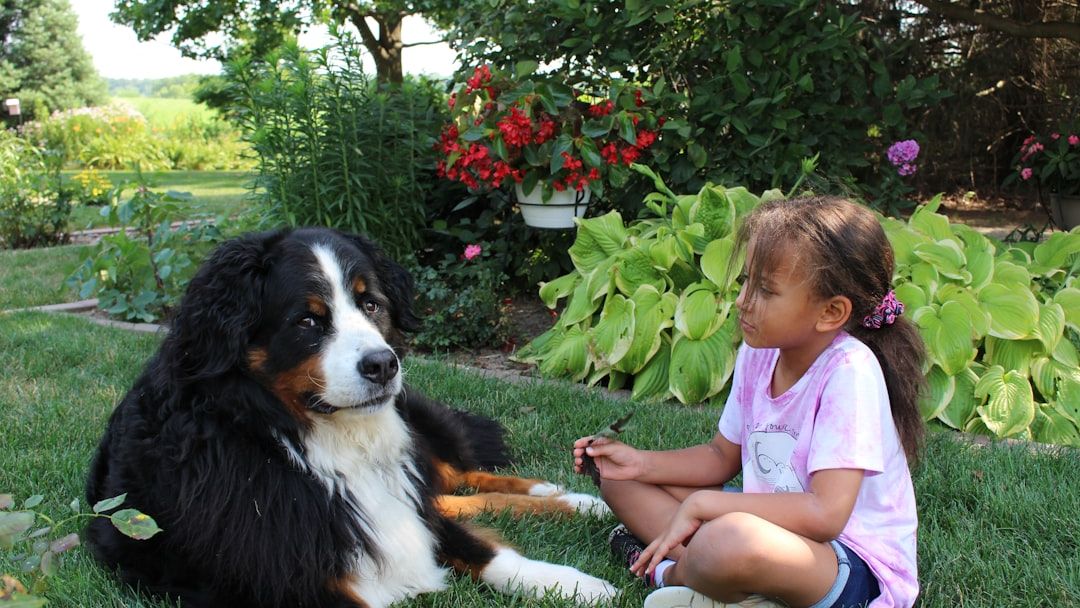
Parents often watch their children interact with the family dog and sense something special unfolding. The bond goes beyond playtime or walks around the block. It shapes how kids see the world in ways that feel quietly profound.
Those lessons emerge in small daily moments rather than structured lessons. They build habits and perspectives that stick long after the school bell rings. Here are eight of the most lasting ones.
Responsibility Through Consistent Care
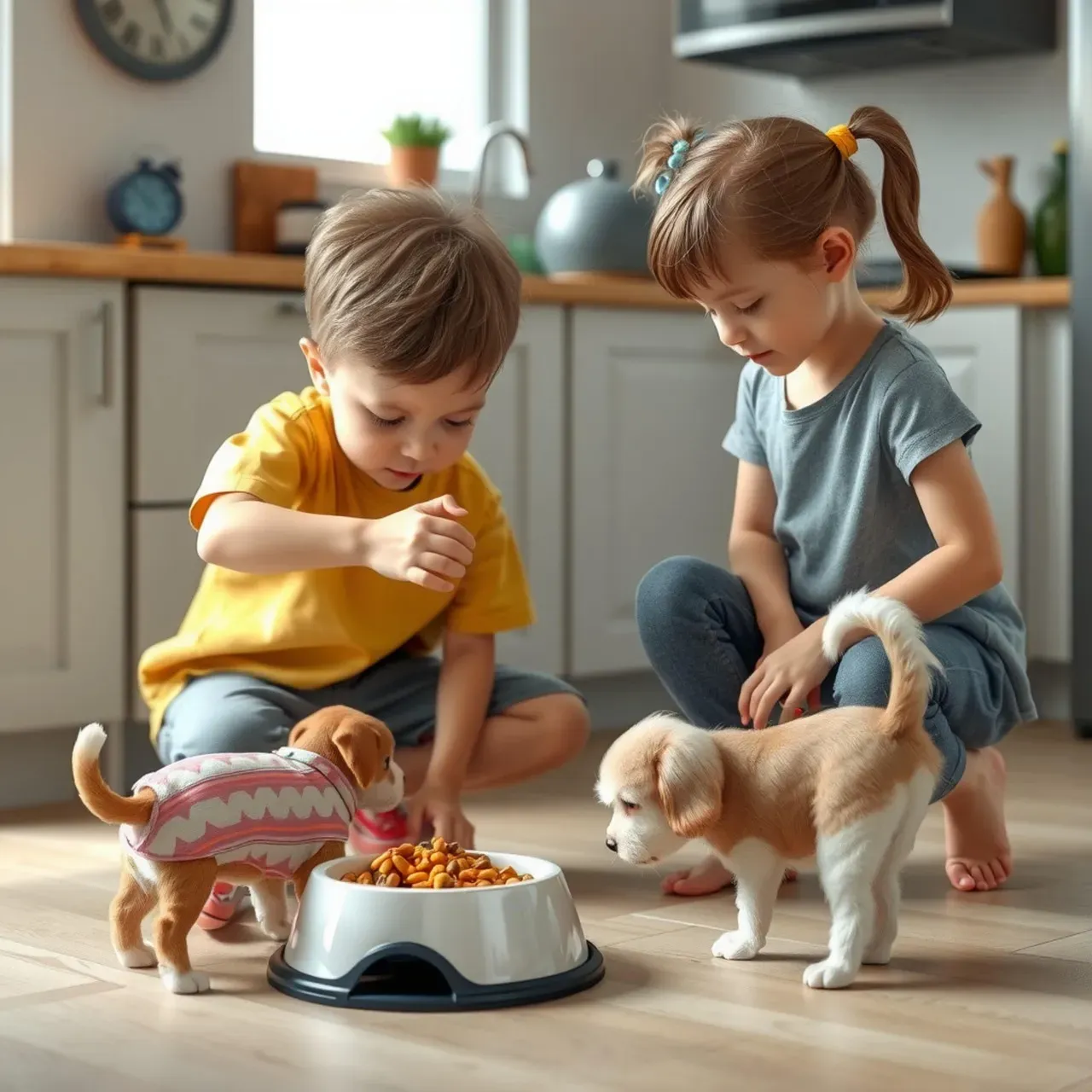
Feeding the dog at the same time each day shows children that another living being depends on them. They learn to plan ahead and follow through even when they feel tired or distracted. Over time this turns into a quiet sense of ownership that no homework assignment quite matches.
Walking the dog in all kinds of weather adds another layer. Kids discover that commitments do not pause for convenience. They also notice how their efforts keep the animal healthy and happy, which reinforces the link between action and outcome.
Empathy From Watching Needs
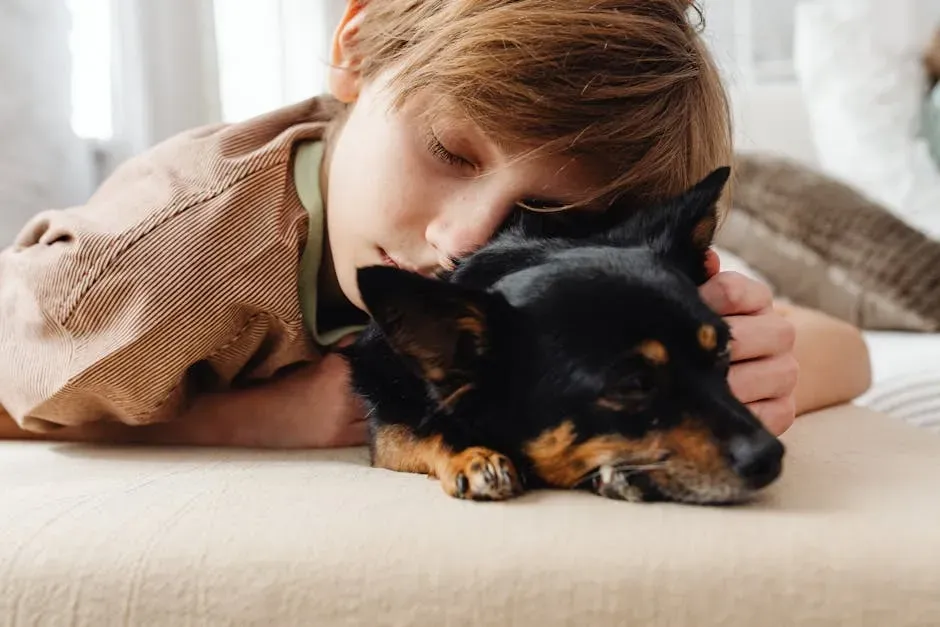
Dogs cannot speak, so children quickly pick up on subtle signals like a lowered tail or restless pacing. They start to connect those cues with feelings such as hunger or fear. This practice in reading another creature builds a foundation for understanding people too.
When a child comforts the dog after a loud noise or offers water on a hot afternoon, the response is immediate and genuine. Those small acts of noticing create a habit of thinking beyond themselves. The skill grows naturally without any formal instruction.
Patience During Training Sessions
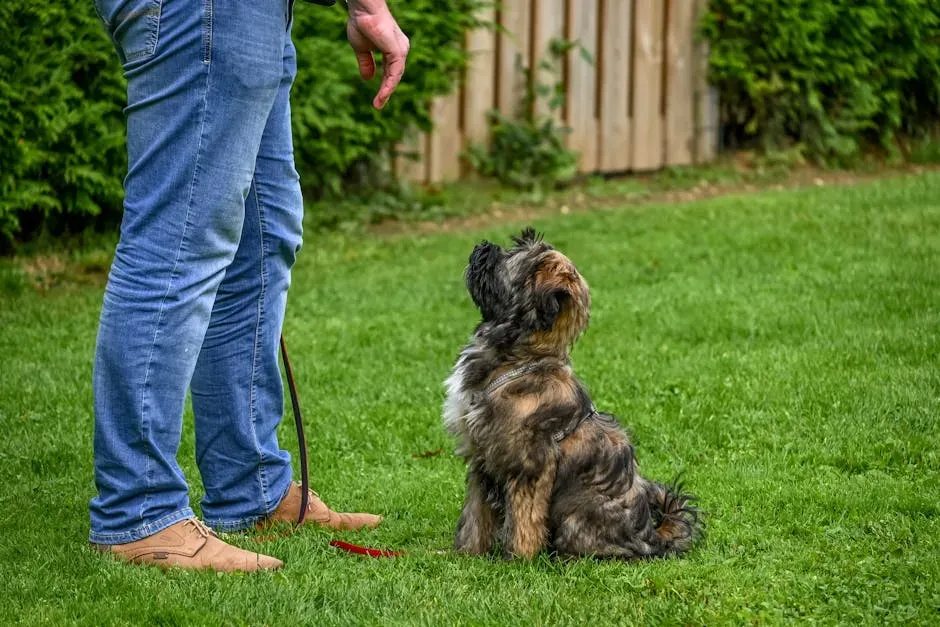
Teaching a dog to sit or stay requires repetition and calm repetition. Children learn that progress rarely happens in one try. They practice waiting for the right moment instead of rushing ahead.
Frustration appears when the dog gets distracted, yet the child sees that steady encouragement works better than scolding. This back and forth builds tolerance for slow results. It also shows that relationships improve through steady effort rather than quick fixes.
Loyalty Modeled Every Day
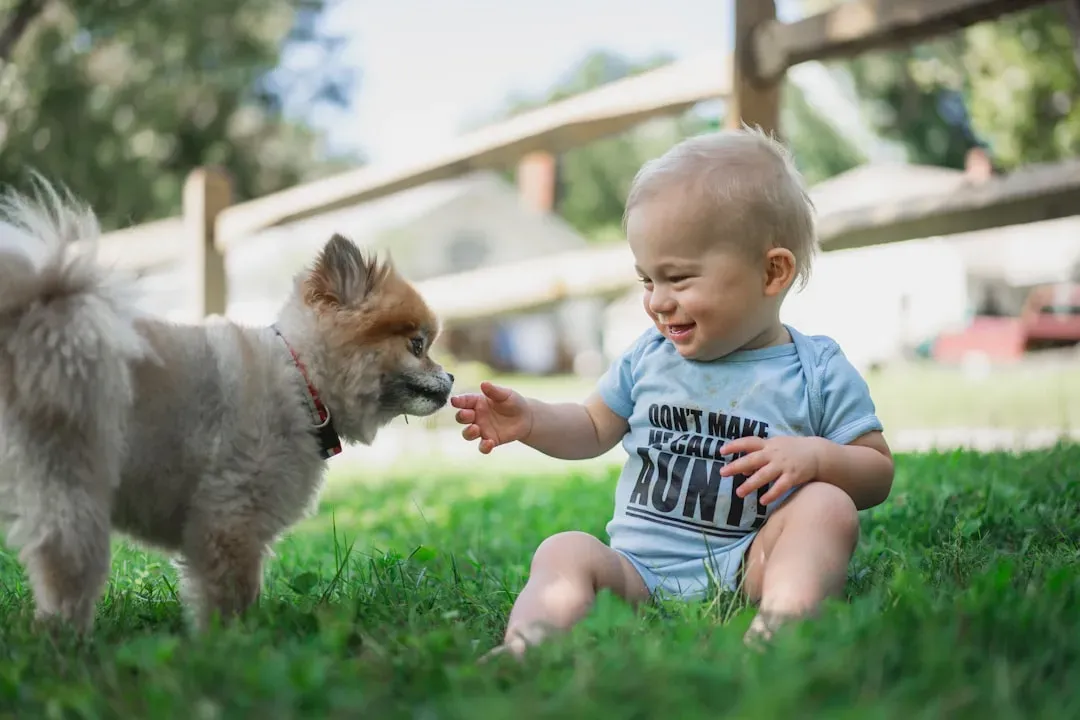
The dog greets the child at the door with the same enthusiasm whether the day went well or poorly. That steady presence demonstrates loyalty without conditions. Children absorb the idea that showing up matters more than perfect performance.
Over months and years the consistency becomes part of how the child views friendship. They notice that the dog does not hold grudges after a scolding or a missed walk. The example quietly shapes expectations for how people should treat one another.
Routine That Brings Stability
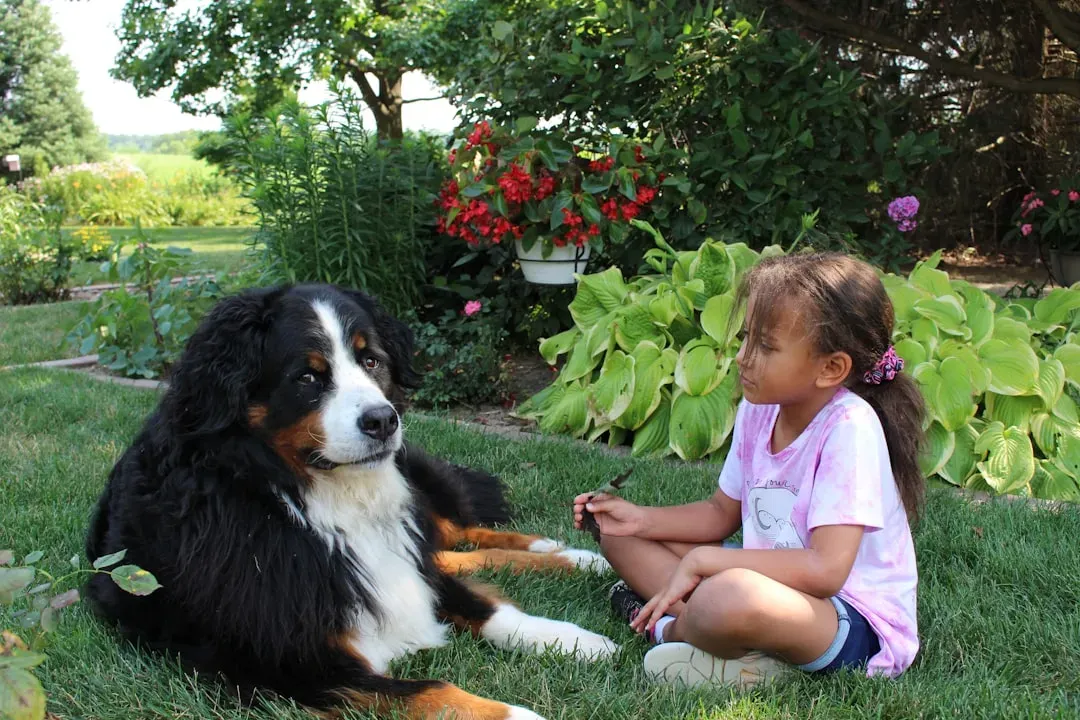
Mealtimes, walks, and bedtime rituals with the dog create a predictable rhythm. Children see how structure reduces chaos for everyone in the household. They begin to value the comfort that comes from knowing what comes next.
When life feels uncertain at school or with friends, the dog still expects the usual evening stroll. That anchor teaches kids to create their own steadiness. The lesson arrives through lived experience rather than a lecture on time management.
Emotional Resilience After Setbacks
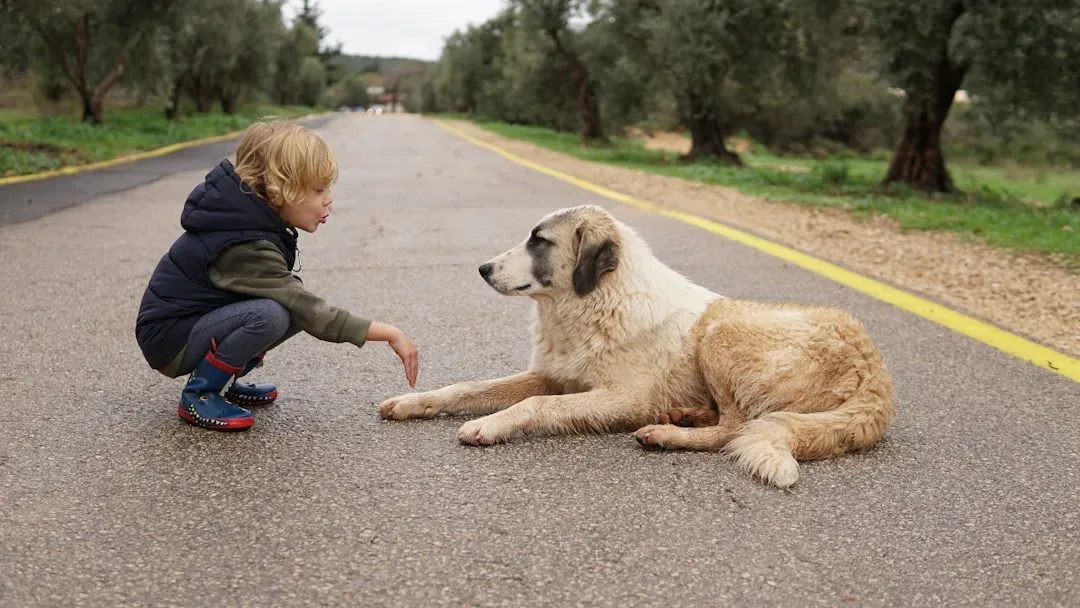
Dogs recover quickly from a scolding or a missed treat. Children watch this bounce back and start to mirror it after their own disappointments. The animal offers a living reminder that one bad moment does not define everything.
Sharing quiet time with the dog after a tough day at school helps kids name their feelings without words. The simple act of petting lowers tension and models self soothing. Over time this builds a practical approach to handling stress.
Physical Activity As Daily Habit
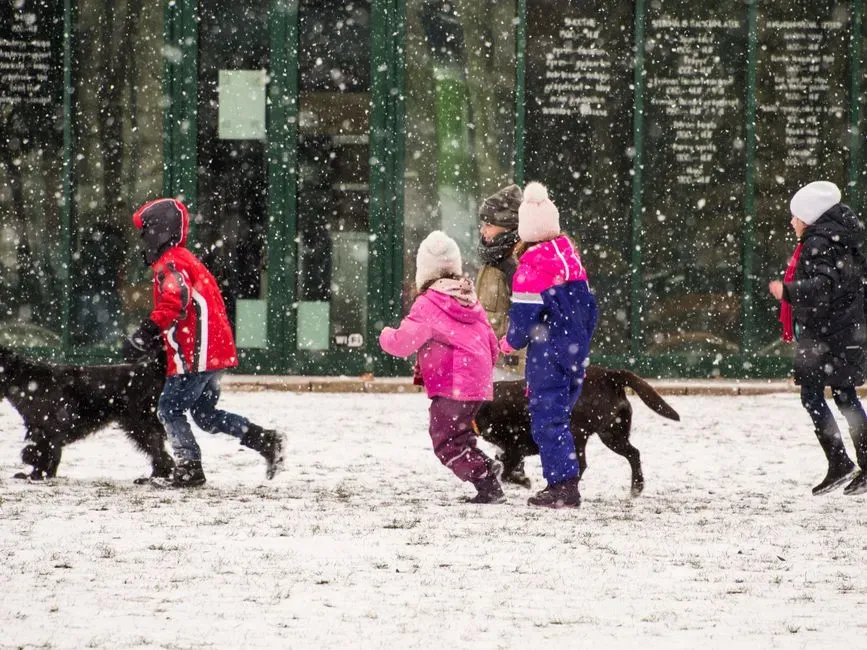
Regular walks and play sessions turn movement into something enjoyable rather than a chore. Children notice how both they and the dog feel better after time outside. The connection between activity and mood becomes obvious through direct experience.
They also learn limits, such as when the dog needs rest or when weather makes play unsafe. These observations encourage balanced choices instead of extremes. The habit forms without any fitness curriculum or scoreboard.
Joy Found In Ordinary Moments
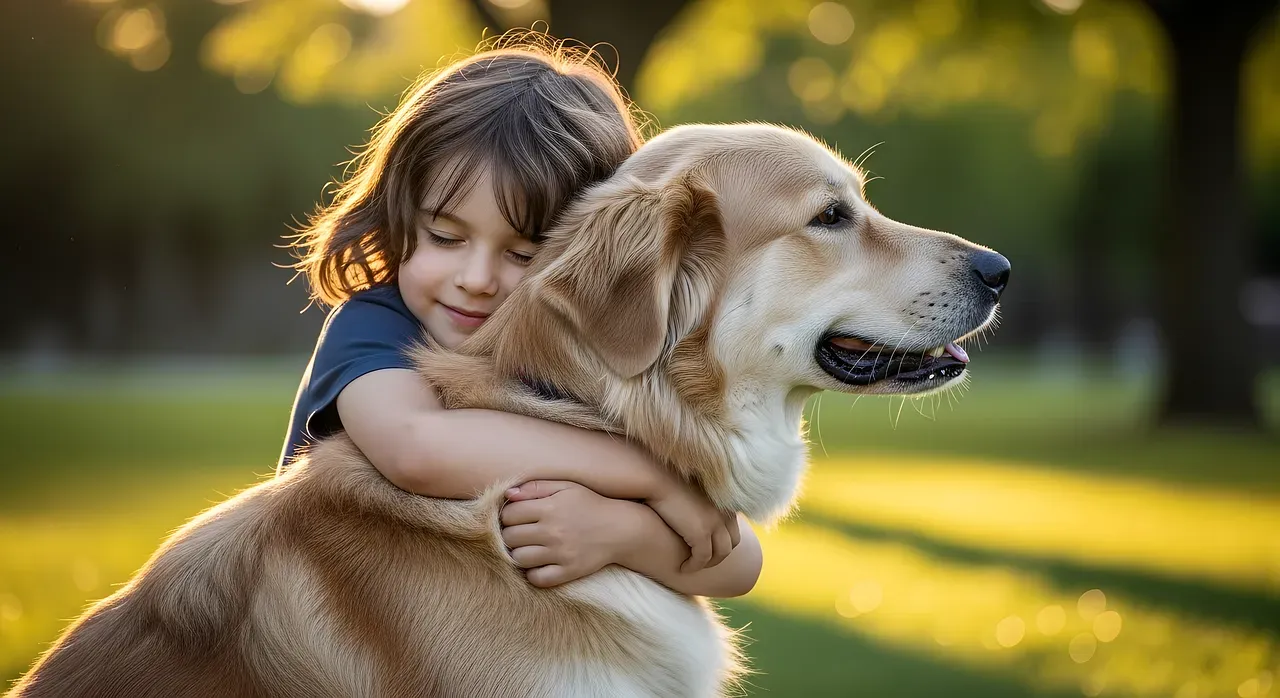
A dog celebrates a simple stick or a patch of sunlight with full attention. Children absorb that capacity for delight in small things. They practice pausing to notice what is already present instead of always chasing the next event.
Shared laughter during a game of fetch or a quiet cuddle on the couch reinforces the value of presence. The dog does not check a phone or plan ahead. That example encourages kids to savor the current moment more often.
In the end the family dog offers lessons that feel personal and lasting because they arrive through relationship rather than rules. Children carry those habits into adulthood in ways that shape how they treat others and themselves. The classroom may teach facts, yet the dog teaches how to live with them.


