
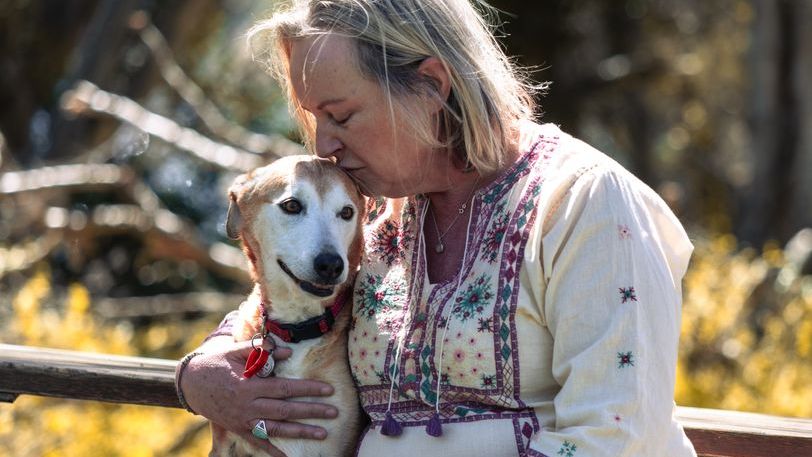
Many dog owners notice shifts in their pet’s behavior that seem to coincide with their own midlife changes. A once steady companion might suddenly follow them everywhere or pull back at unexpected moments. These observations often spark curiosity about what dogs pick up on during this stage of life.
The Remarkable Sensitivity of Canine Senses
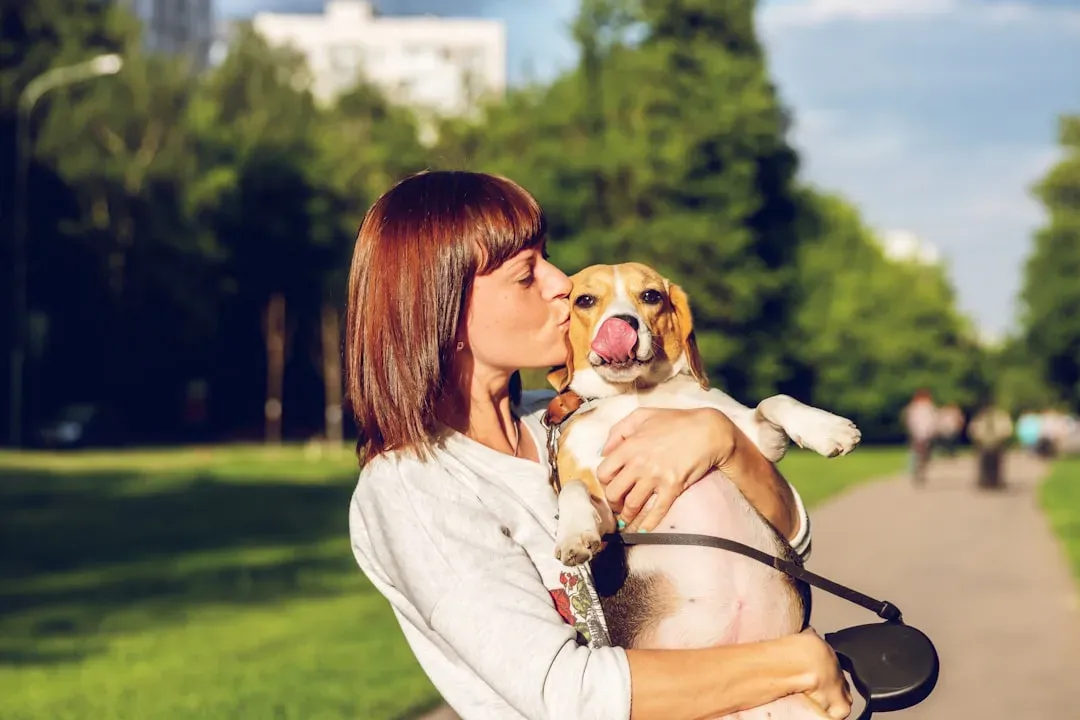
Dogs possess an extraordinary sense of smell that allows them to detect minute chemical variations in their surroundings. This ability extends to subtle shifts in human body chemistry that occur over time. Owners going through menopause experience fluctuations in hormones that can alter natural scents in ways humans rarely notice themselves.
These changes register clearly to a dog tuned into every detail of the household environment. The result can appear as increased sniffing or altered interactions during daily routines. Such responses reflect how dogs process information through scent rather than any deliberate reaction to the situation.
Hormonal Fluctuations and Their Ripple Effects
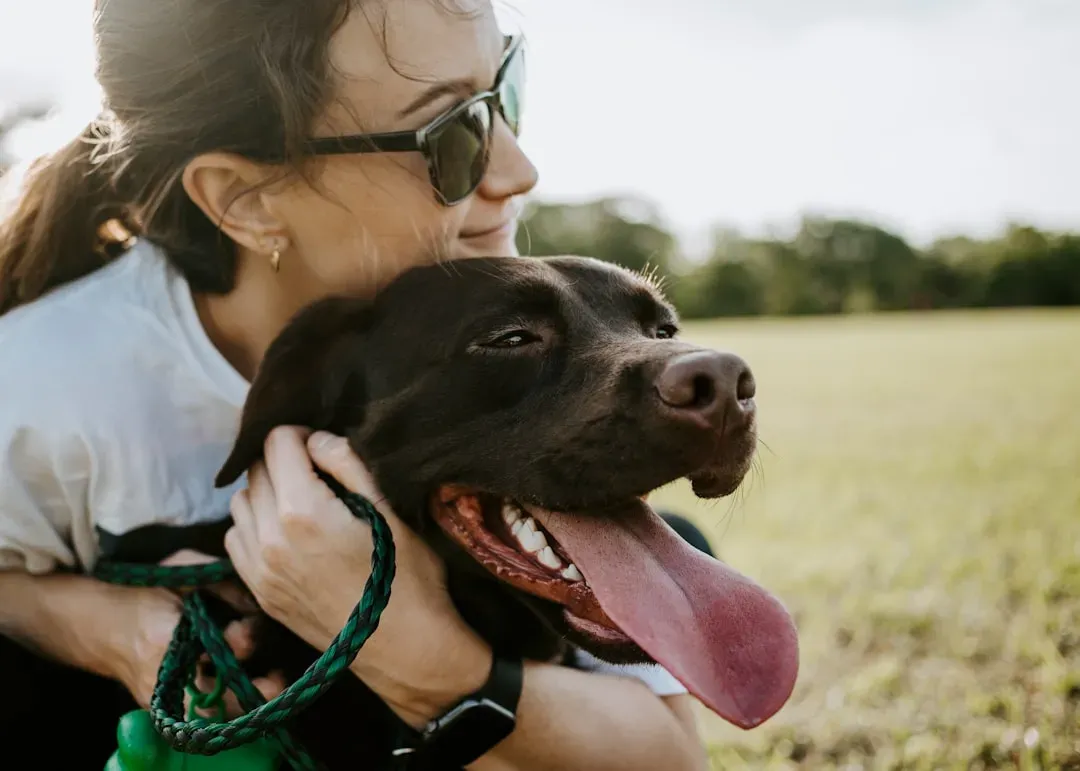
Menopause involves a gradual adjustment in estrogen and other hormones that influence everything from sleep patterns to energy levels. Dogs often mirror the emotional tone of their home through their own behavior. When an owner feels more fatigued or experiences mood variations, the pet may respond by seeking extra reassurance or creating space.
This mirroring happens because dogs are highly attuned to nonverbal cues and routine consistency. A change in how an owner moves through the day can prompt the dog to adjust its own habits accordingly. The connection stems from long shared living rather than any specific awareness of the biological process.
Shifts in Household Routines
Daily schedules tend to evolve during menopause as sleep quality changes and energy comes in waves. Dogs thrive on predictable patterns for meals, walks, and affection. Disruptions to these rhythms can lead to restlessness or attempts to reestablish closeness through following or vocalizing.
Owners might also spend more time resting or adjusting activities, which alters the dog’s opportunities for interaction. The pet learns to adapt by changing its approach to seeking attention. Over time these adjustments become part of the new normal for both.
Emotional Atmosphere in the Home
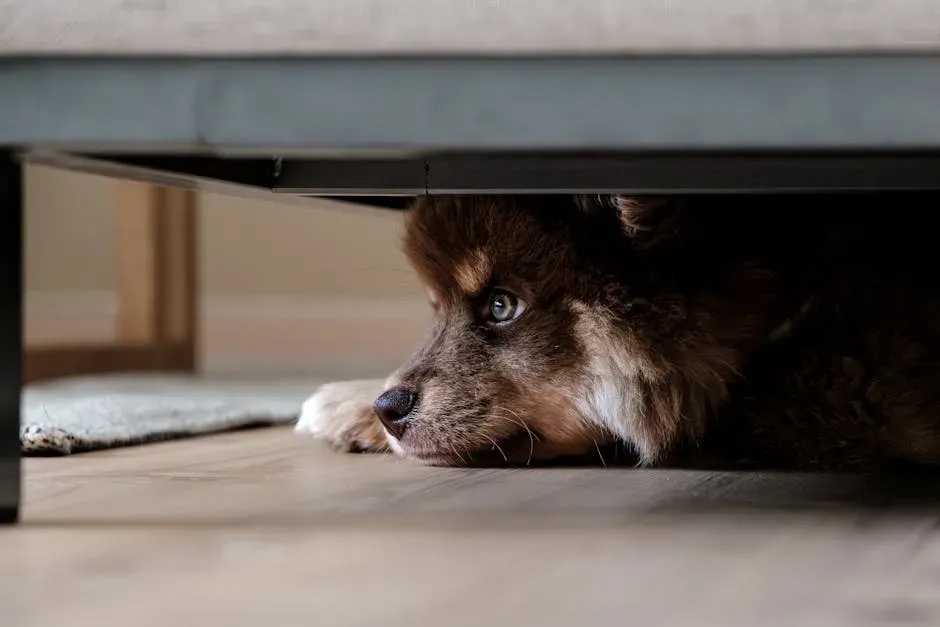
Stress and emotional states travel between people and their pets in noticeable ways. Menopause can bring periods of heightened anxiety or introspection that fill the shared space. Dogs pick up on these undercurrents through body language and tone of voice.
A normally independent dog might become more attentive as a way to offer comfort. Conversely some pets withdraw when they sense tension they cannot resolve. These responses highlight the deep emotional link that develops over years of companionship.
Protective Instincts Coming Forward
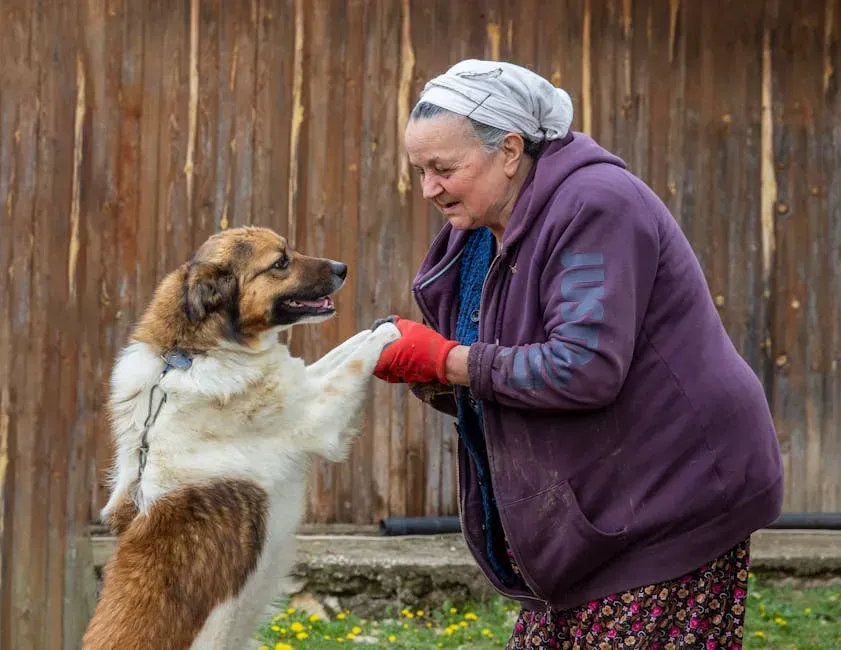
Certain dogs display increased watchfulness when their owner seems more vulnerable or less steady. This can manifest as staying closer during outings or showing mild wariness toward visitors. The behavior often ties back to the dog’s natural inclination to guard its primary person.
Changes in physical presence or movement patterns during this time may trigger that protective mode. It represents an extension of the bond rather than a sudden new trait. Many owners report this as a quiet form of support that strengthens their connection.
Variations in Energy and Interaction Styles
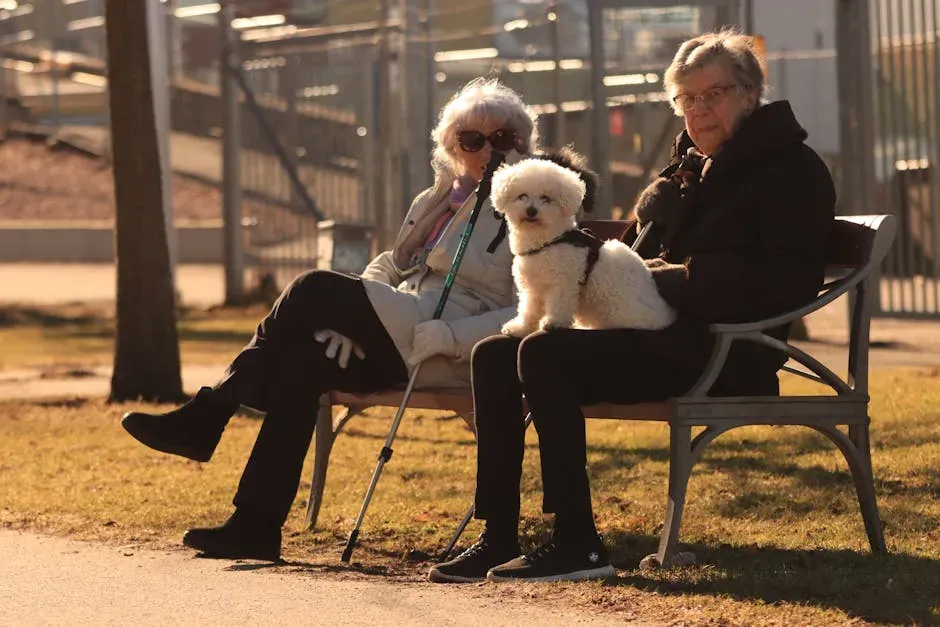
Some dogs respond to household shifts by becoming more playful or demanding of attention. Others settle into calmer patterns that match a slower pace. These differences depend on the individual dog’s personality and prior experiences with change.
Age also plays a part since older dogs may already have established preferences for routine. The key lies in observing what feels different from the usual dynamic. Small adjustments in how the owner engages can help restore balance over weeks or months.
Navigating These Changes Together
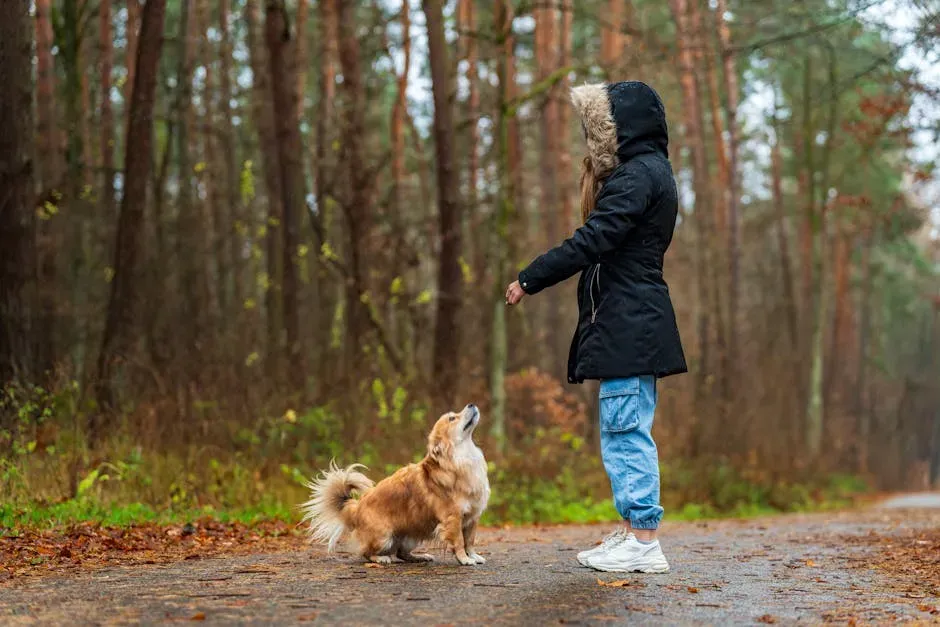
Understanding possible reasons behind behavioral shifts helps owners respond with patience rather than concern. Maintaining consistent care and gentle reassurance often eases the transition for the dog. Professional guidance from a veterinarian or trainer provides tailored strategies when needed.
Many find that these periods ultimately deepen the relationship through shared adaptation. The experience reminds us how closely our lives intertwine with our pets over time. In the end the bond proves resilient enough to weather such natural evolutions with grace and mutual understanding.


