
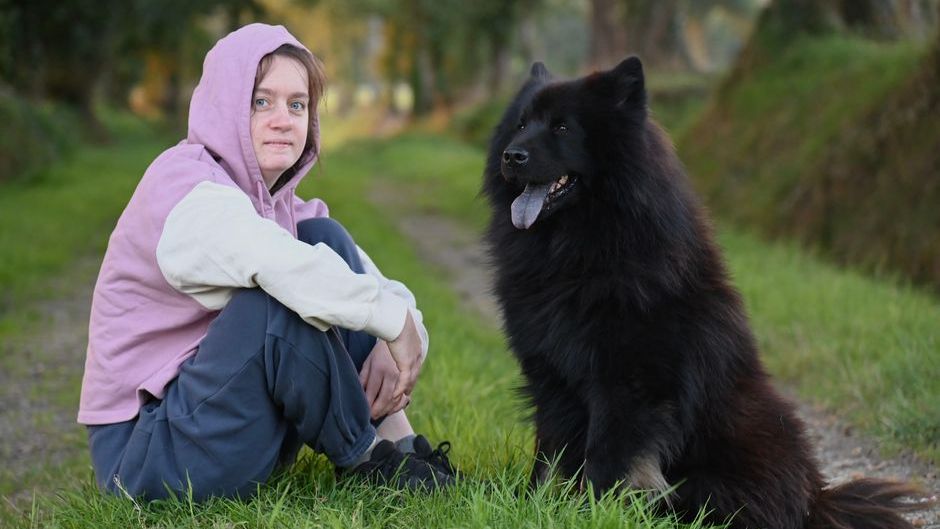
Dogs notice shifts in the room that people often miss. Their senses pick up on tension, voice changes, and subtle body signals that come with uneasy moments. Owners sometimes wonder if their pet is reacting to more than just random energy in the air.
These behaviors can feel like quiet alerts. They build from the way dogs read stress hormones or inconsistent movements. Paying attention to them adds another layer to how we understand our homes.
Prolonged, Unwavering Stares

Dogs often lock eyes on someone when the atmosphere feels off. This steady gaze can last longer than usual and seems aimed at the person whose words do not quite match their actions. The look carries a quiet intensity that draws attention without any sound.
Owners report this happening during conversations that turn awkward. The dog may sit or stand in a fixed spot while watching closely. It serves as a reminder that something in the exchange feels unsettled to the animal.
Low, Persistent Whining

A soft whine can emerge when a dog senses discomfort in the room. The sound tends to repeat at intervals rather than burst out once. It often points toward the individual whose story carries extra hesitation or strain.
This vocalization differs from the excited noises dogs make during play. It carries a note of concern that lingers. Many people notice it grows stronger if the uneasy exchange continues.
Excessive Sniffing Around the Person
Dogs rely heavily on scent to gather information. When someone feels stressed, their body releases different chemical signals that a dog can detect. The animal may circle or approach closely to gather more of that information.
The sniffing often focuses on hands, feet, or clothing rather than random spots. It can appear sudden and deliberate. Owners sometimes link this pattern to moments when explanations feel stretched.
Following the Suspect from Room to Room
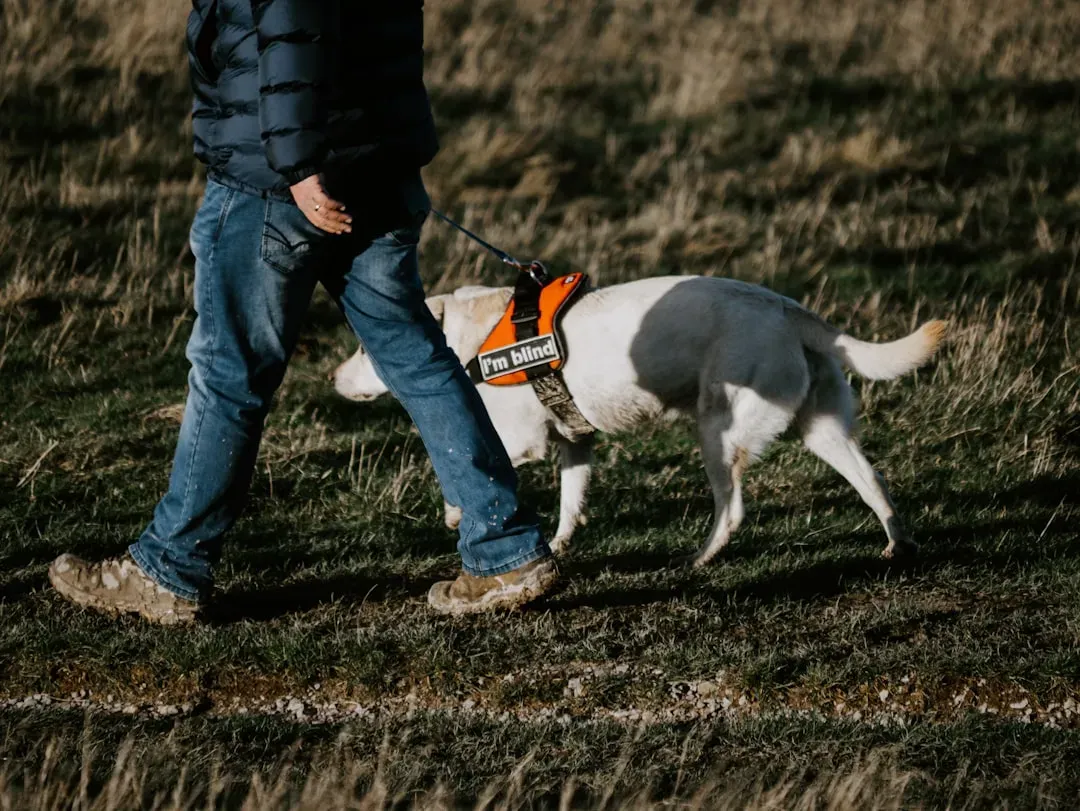
Some dogs shadow one particular person after a tense exchange. They trail behind at a steady distance without the usual playful energy. The movement feels purposeful rather than casual curiosity.
This behavior keeps the dog near the source of whatever triggered their attention. It can continue even after the conversation ends. People describe it as the dog refusing to let the matter drop.
Ears Pinned Back or Suddenly Alert

Ear position changes quickly when dogs register unease. Ears may flatten against the head or snap forward in quick succession. These shifts often align with the moment a questionable statement lands.
The change stands out because it interrupts the dog’s normal relaxed posture. It can happen repeatedly during the same interaction. Observant owners learn to read these small adjustments as early signals.
Restless Pacing Near the Conversation
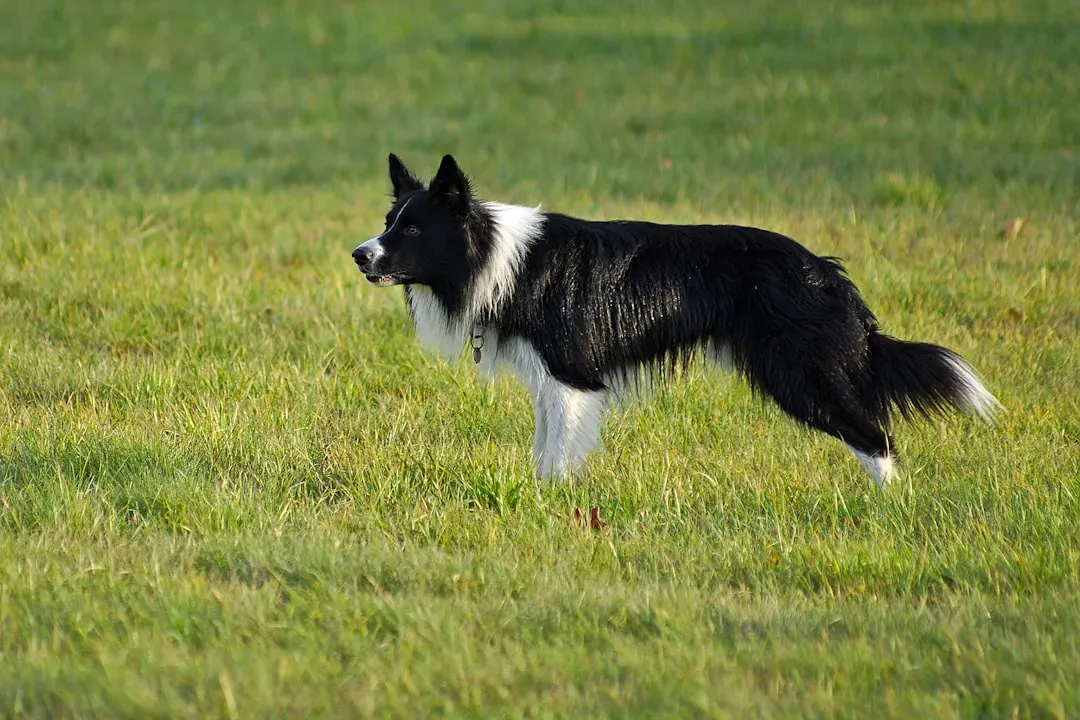
Pacing back and forth near the people involved shows internal agitation. The dog may move in short lines rather than settle in one place. The motion tends to increase when voices rise or pause awkwardly.
This activity differs from the usual zoomies or exercise needs. It appears tied to the emotional temperature of the room. Many households notice the pattern repeats in similar situations.
Light Pawing or Nudging at the Owner
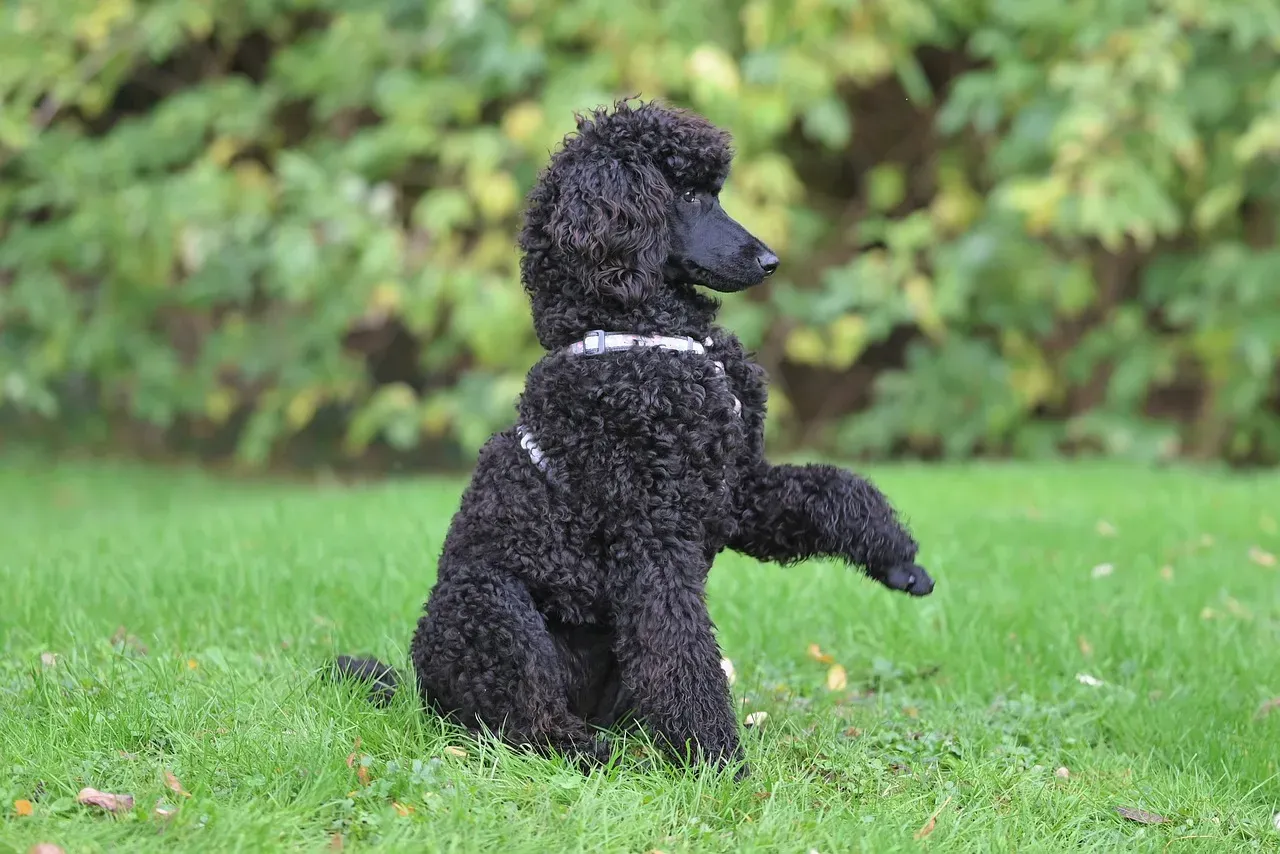
A gentle paw on the leg or a soft nudge can serve as an interruption. The dog seems to seek connection with the person they trust most. The gesture often occurs right after a doubtful remark.
It feels like an attempt to redirect attention or offer comfort. The touch stays light rather than demanding. Owners sometimes interpret it as the dog trying to ground the situation.
One-Sided or Stiff Tail Movements
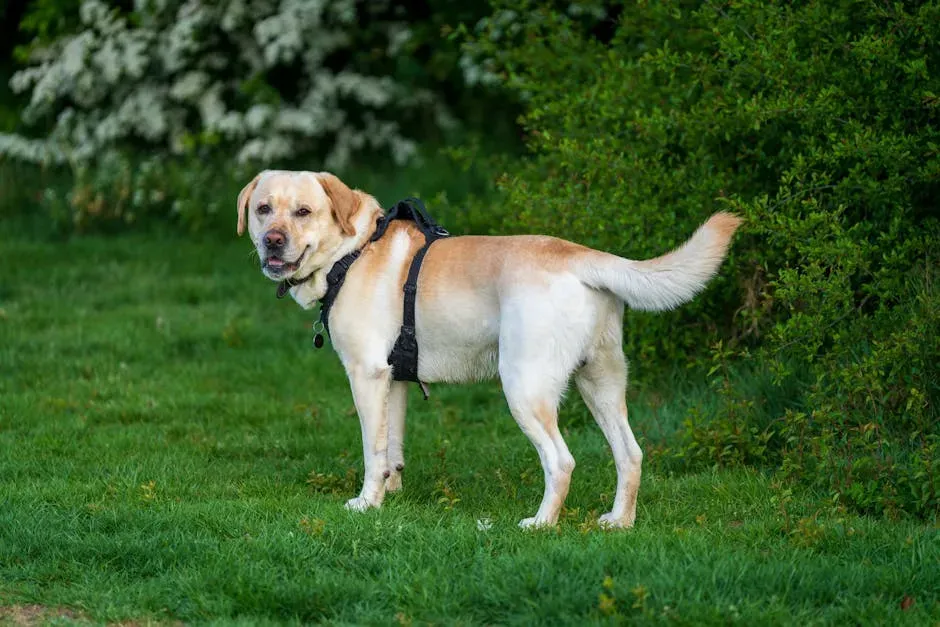
Tail language reveals a lot about a dog’s state. A tail that wags only on one side or stays unusually rigid can signal mixed feelings. These movements often appear when the dog focuses on one speaker.
The change stands out against the dog’s typical loose, full wag. It can last through the rest of the exchange. People who watch closely start to connect the pattern with moments of doubt.
Sudden Barking or Growling at Odd Times

An unexpected bark or low growl can break the quiet when tension rises. The sound usually targets the direction of the person whose story feels inconsistent. It stops once the moment passes or attention shifts.
This vocal response differs from territorial barking at the door. It carries a sharper edge tied to the immediate atmosphere. Households often notice it happens more than once in similar circumstances.
Dogs offer a steady, wordless commentary on the energy around them. Their reactions encourage people to slow down and notice details they might otherwise overlook. In the end, these signals remind us that homes hold more conversations than the ones we speak out loud.


