
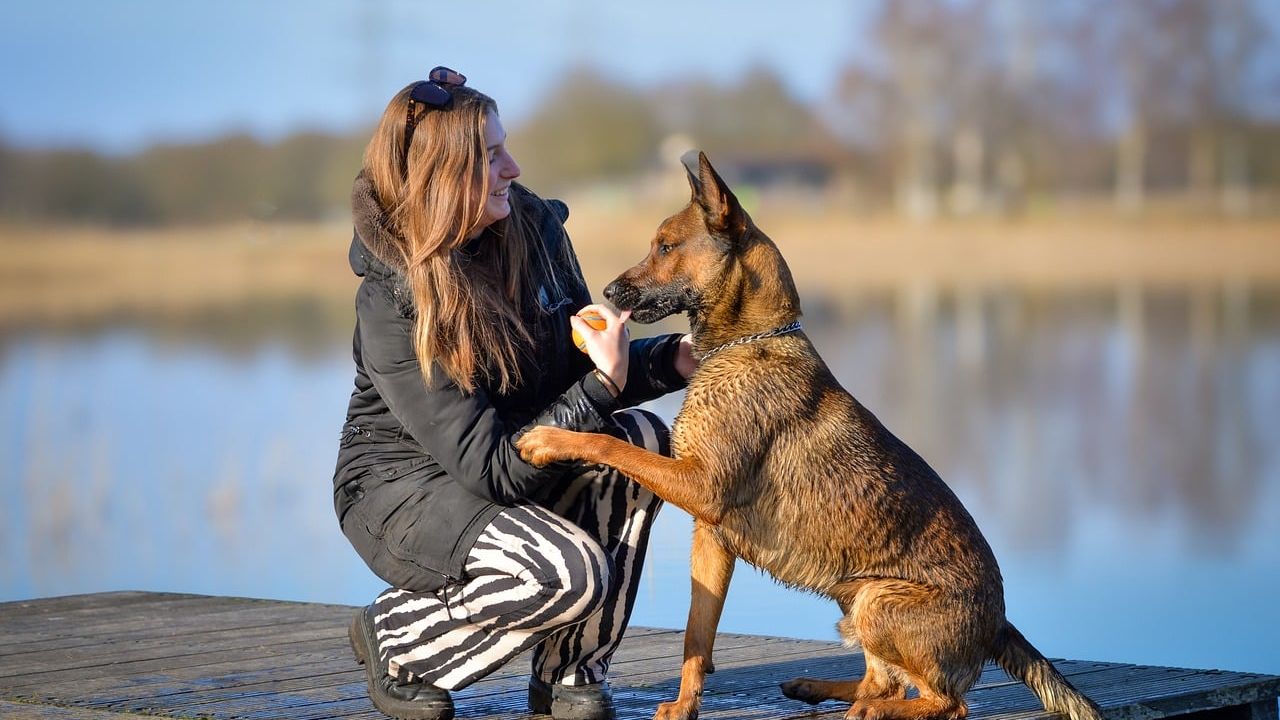
Most dog owners have felt that gentle tap on the back of the hand or arm. It happens during quiet evenings on the couch or while you are busy with something else. The gesture looks simple, yet it often leaves people wondering exactly what their dog needs in that moment.
Over time, trainers and behaviorists have noticed patterns in how dogs use their paws to communicate. These signals can point to a range of everyday requests rather than one single meaning. Paying attention to the surrounding context usually helps narrow it down.
They Want Your Full Attention
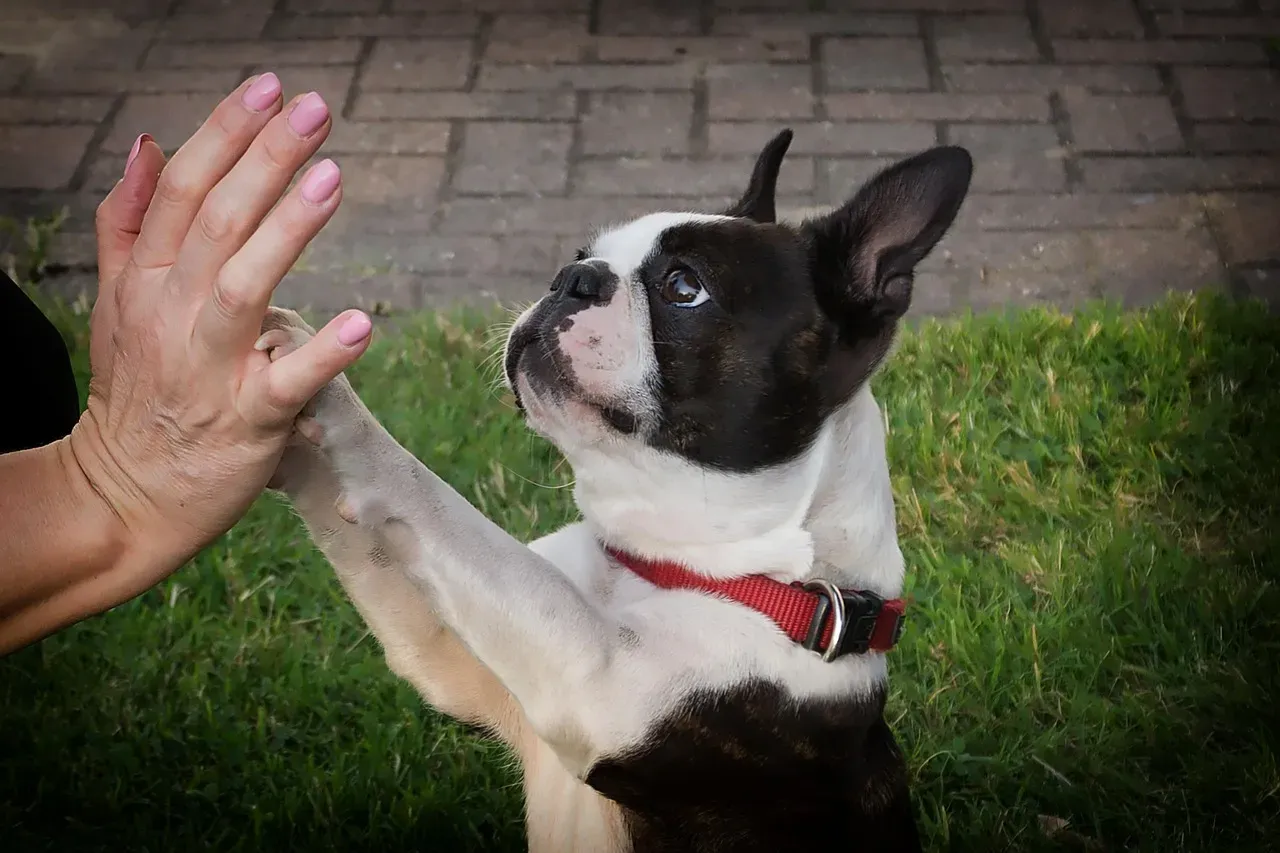
Dogs often place a paw on a hand when they feel ignored for too long. The action serves as a polite nudge to remind you they are there and ready for interaction. In many households this happens right after you start scrolling on your phone or working at a desk.
Context matters here. If the paw comes with direct eye contact and a relaxed body, the dog is likely seeking simple companionship. A quick response with a few words or a pat usually satisfies the request and prevents escalation to barking or other behaviors.
They Are Requesting Physical Affection
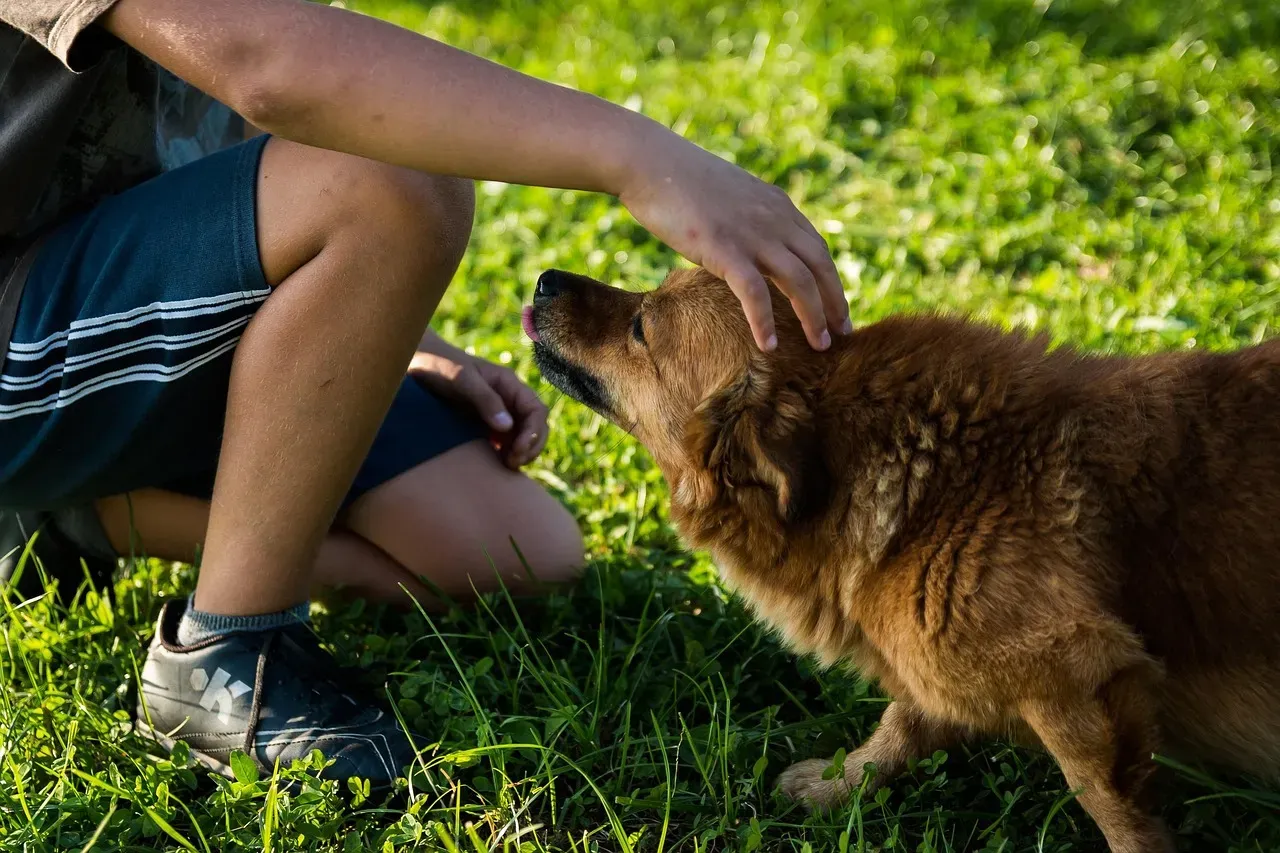
Some dogs learn that a paw on the hand brings scratches behind the ears or along the chest. This learned association turns the gesture into a clear request for touch. The behavior appears more often in dogs that enjoy close contact with their people.
Watch the tail and ears for confirmation. A loose wag and soft expression usually mean the dog is comfortable and simply wants more of the good feeling. Consistent gentle petting in response helps strengthen the habit without creating demands that feel overwhelming.
They Would Like to Play
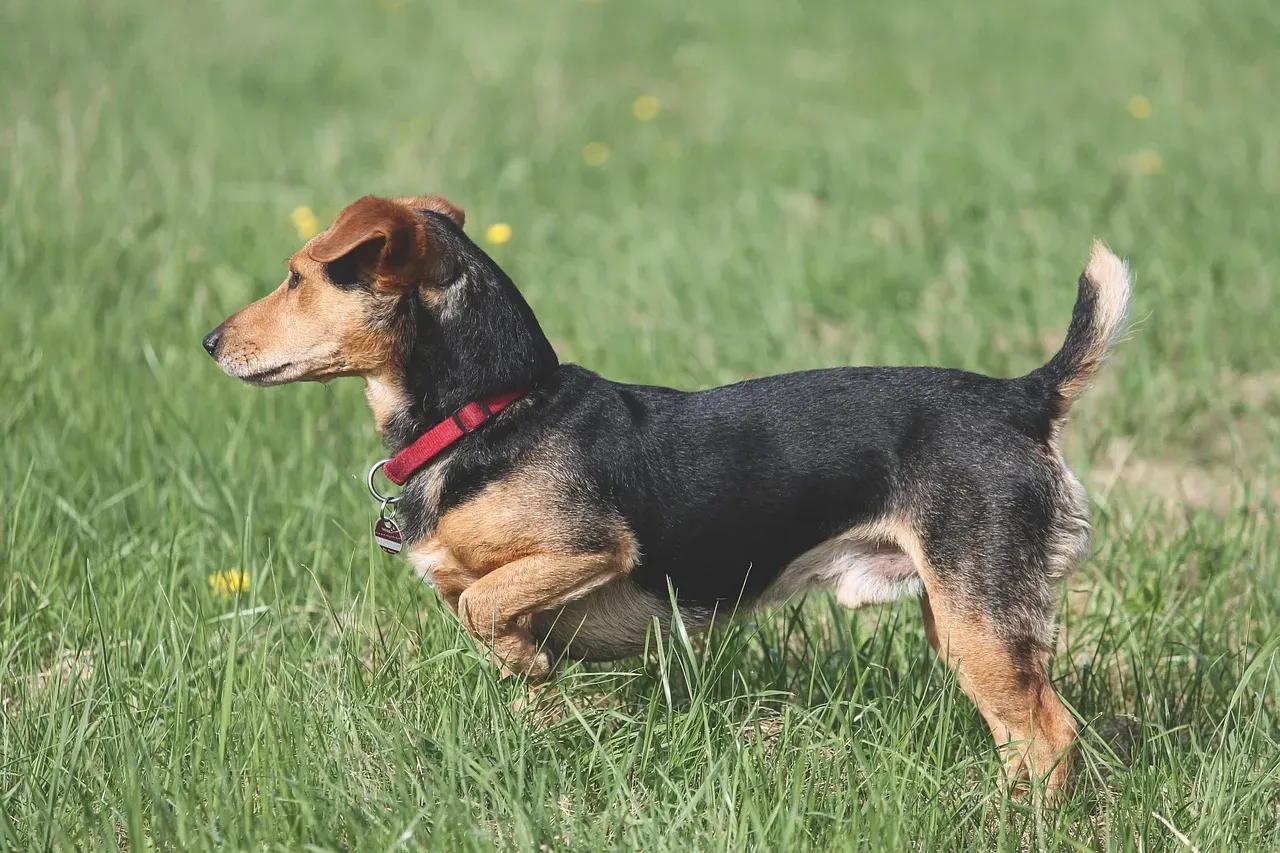
A paw on the hand can signal an invitation to a quick game of tug or fetch. Dogs that enjoy interactive play often use this move when toys are nearby or when they notice you have free hands. The timing frequently coincides with bursts of energy after a nap or meal.
Body language gives extra clues. Play bows or bouncy movements alongside the paw touch point toward fun rather than comfort. Responding with a favorite toy or a short session of chase keeps the dog engaged and burns off excess energy in a positive way.
They Are Seeking Reassurance
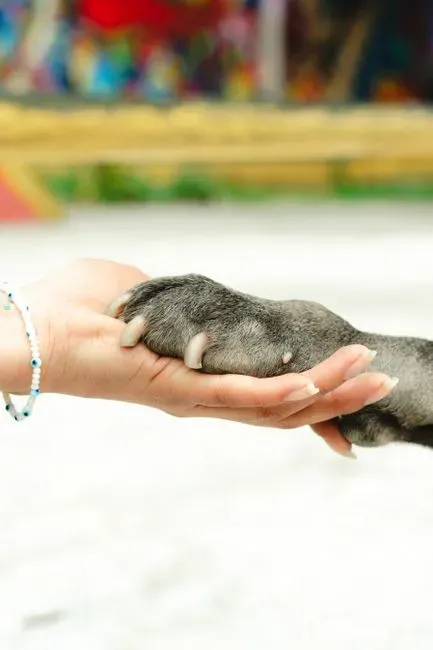
During thunderstorms or visits from strangers, some dogs rest a paw on a trusted hand for security. The contact provides a sense of safety and connection when the environment feels uncertain. This request appears more often in sensitive or younger dogs still building confidence.
Calm presence usually works better than dramatic reactions. Speaking in a steady voice while allowing the paw to stay in place helps the dog settle without reinforcing fear. Over time, these moments can become opportunities to build greater resilience through gradual exposure.
They Need Something Practical
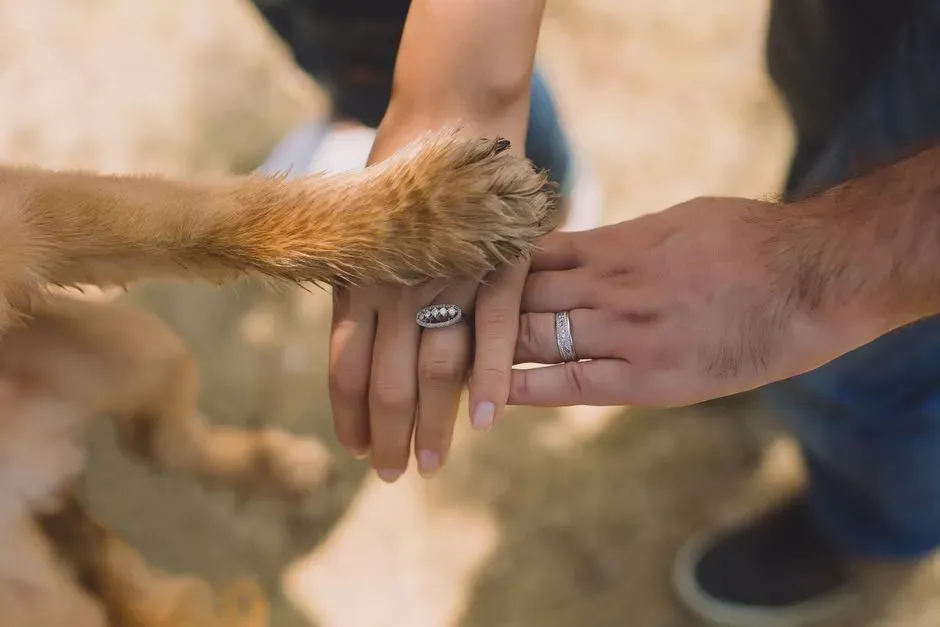
Hunger, thirst, or the need to go outside sometimes prompts the paw touch. Dogs quickly learn that placing a paw on a person gets results when other signals have been missed. The behavior tends to occur near doors, food bowls, or water stations.
Checking basic needs first prevents confusion. A quick glance at the bowl or a short walk outside often resolves the request immediately. Keeping routines predictable reduces the frequency of these practical reminders over time.
They Are Expressing Affection Back
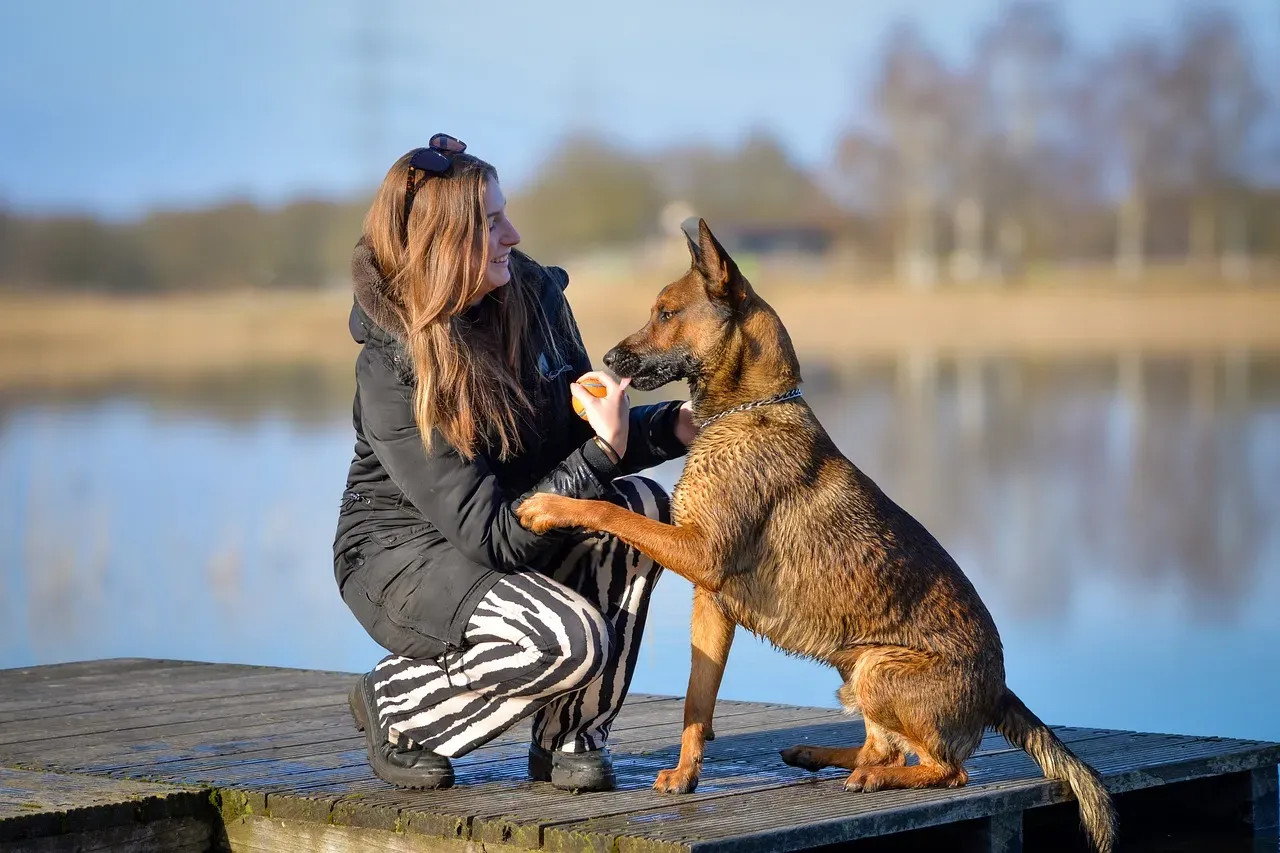
Many dogs mirror the affection they receive by offering a paw in return. The gesture feels reciprocal and strengthens the bond between dog and owner. It shows up during relaxed moments when the dog already feels content and connected.
Accepting the paw with a smile or soft words reinforces the positive exchange. Dogs notice these small acknowledgments and may repeat the behavior when they sense the same warm atmosphere. The interaction becomes a quiet ritual that both sides enjoy.
They Want You to Stop an Activity
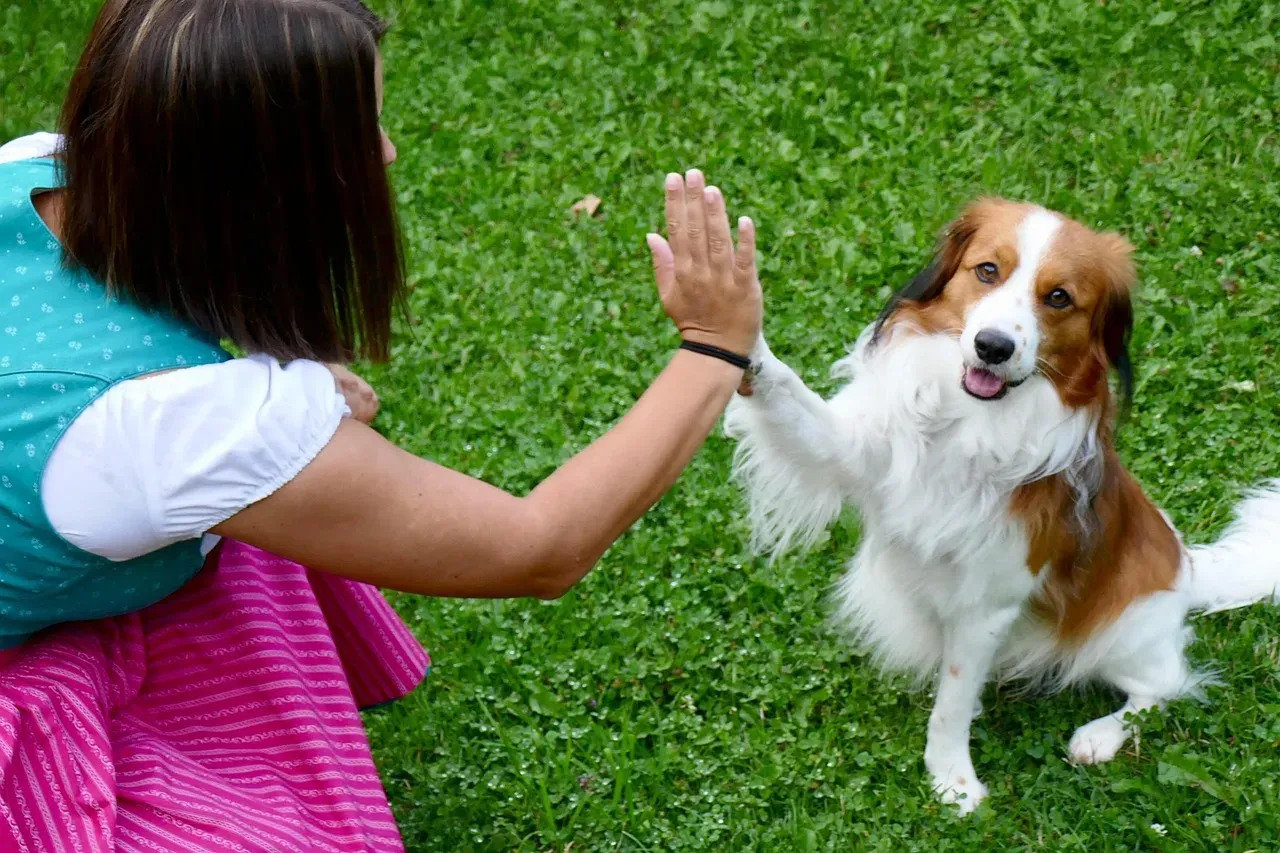
Occasionally the paw serves as a gentle request to pause whatever you are doing. This can happen when a dog feels the current task is taking too much attention away from them. The touch often arrives with a slightly insistent pressure rather than a light tap.
Recognizing the difference between a light request and a firmer one helps respond appropriately. Sometimes a short break to acknowledge the dog satisfies the need and allows you to return to your task without tension. Setting gentle boundaries prevents the habit from becoming disruptive.
They Are Curious About What You Are Holding
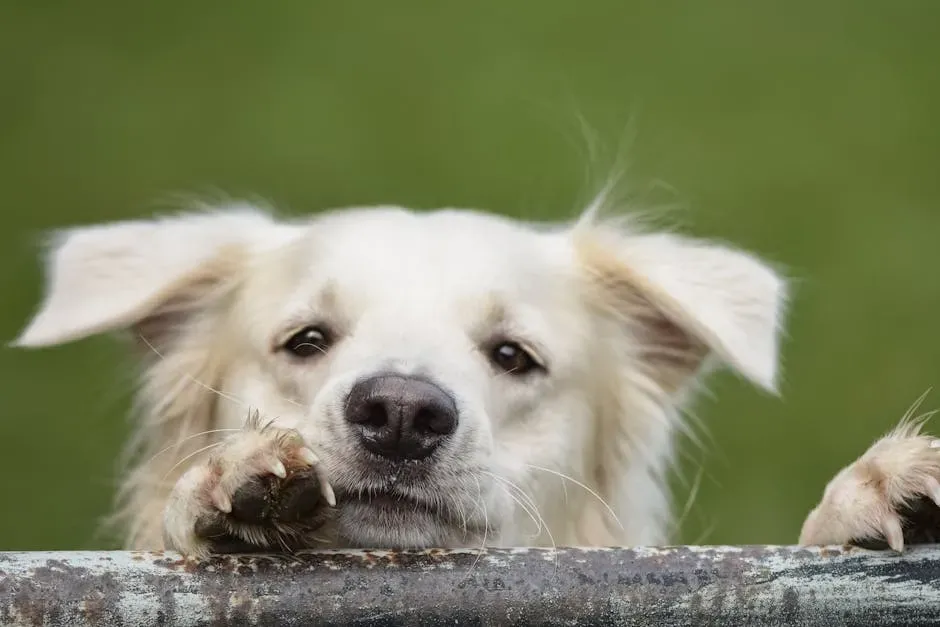
Dogs use their paws to investigate interesting objects, including hands that hold phones, remotes, or snacks. The gesture combines exploration with a desire to understand the item in front of them. This request appears frequently around mealtimes or when new items enter the room.
Allowing safe investigation satisfies the curiosity without encouraging grabbing. Offering an approved toy or treat instead redirects the interest productively. Over repeated interactions the dog learns which items are off limits and which ones invite gentle engagement.
They Feel Mild Discomfort
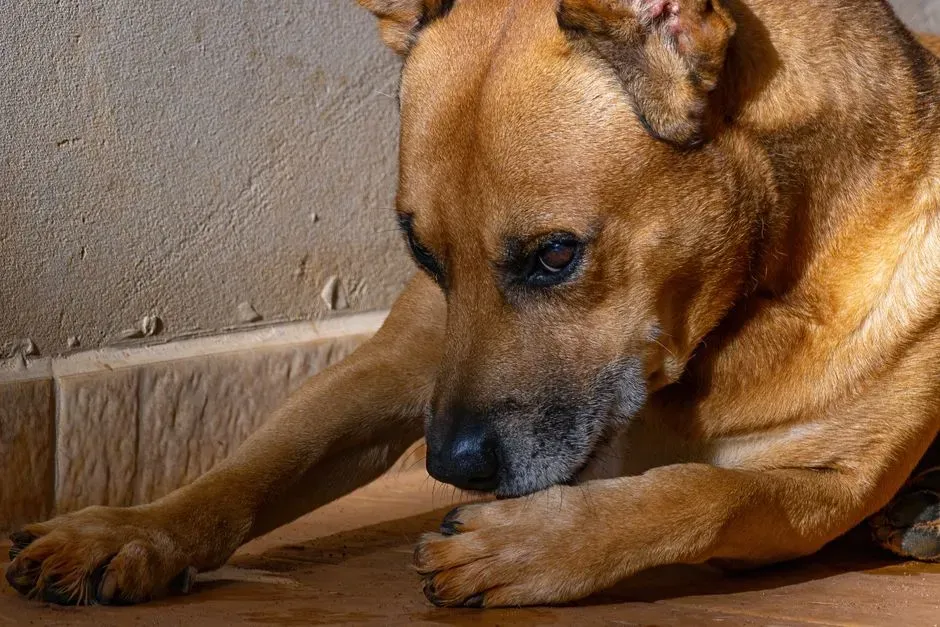
In some cases a paw on the hand signals minor physical unease such as an itch or slight soreness. The dog seeks contact as a way to communicate that something feels off. This request tends to repeat in the same location on the body.
Observing whether the paw touch occurs alongside licking or shifting weight helps identify the source. A calm check of paws, ears, or coat often reveals simple issues that can be addressed at home. Persistent patterns warrant a visit to the veterinarian for a thorough look.
They Simply Enjoy the Connection
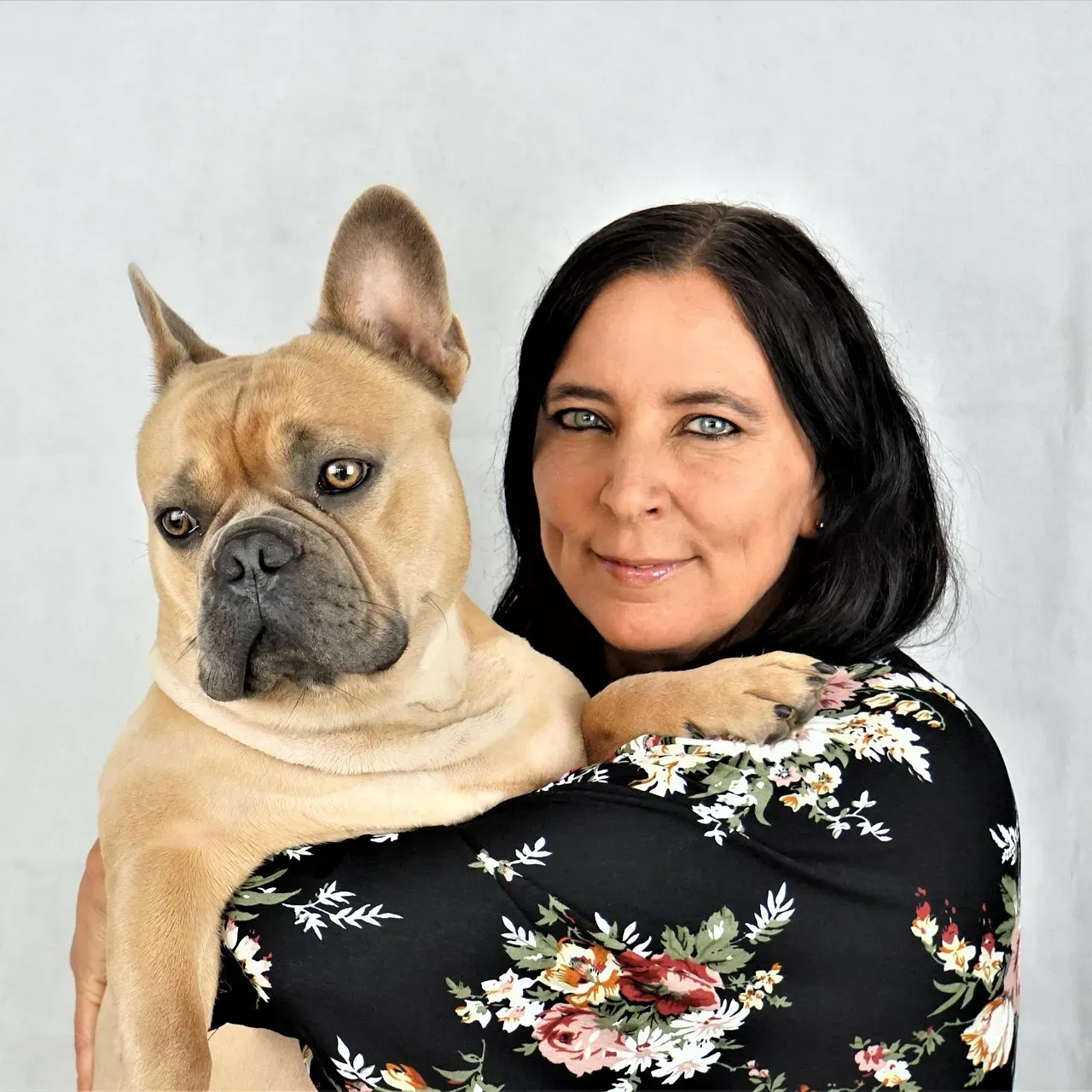
At times the paw touch carries no urgent request at all. The dog simply likes the feeling of physical closeness and chooses the hand as a comfortable resting spot. These moments occur during quiet evenings or while watching television together.
Allowing the contact without overthinking it supports the relationship in small but meaningful ways. Many owners find these quiet exchanges become some of their favorite parts of the day. The gesture ultimately reflects trust built through consistent care and presence.
Understanding these signals turns ordinary moments into clearer conversations between you and your dog. Each paw placement carries its own context, and noticing the details makes daily life smoother for both of you. Over time the habit of observing builds a deeper, more responsive partnership that benefits everyone in the household.


