
The Unbreakable Connection Dogs Form With Their People
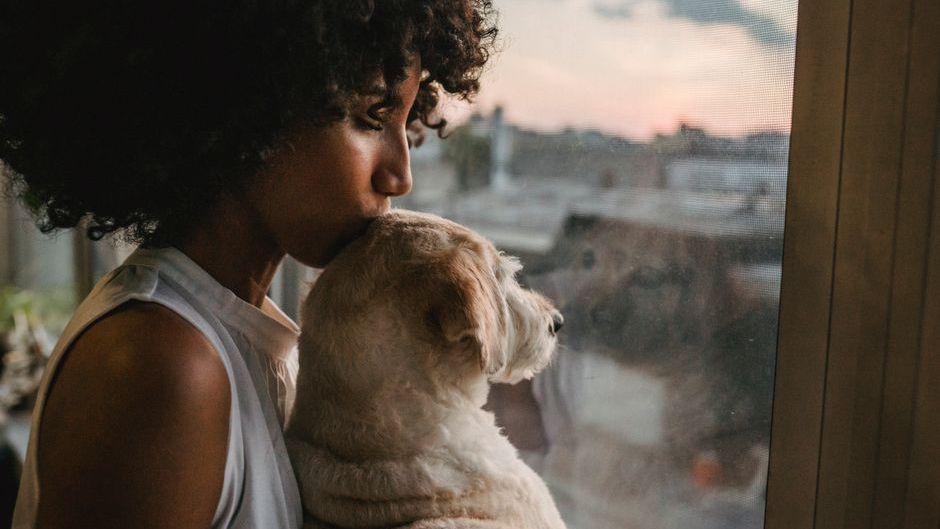
Dogs have evolved alongside humans for thousands of years, developing an ability to read our routines and emotions with remarkable accuracy. This partnership creates a strong sense of attachment that goes beyond basic training or feeding schedules. When an owner leaves each day, the dog registers the absence as a disruption in its social world.
Over time, that daily pattern reinforces the idea that the person will eventually return, yet the waiting itself becomes a way to stay close in spirit. Some dogs show this loyalty more intensely than others, depending on their individual history and temperament. The window serves as a vantage point that keeps the familiar scent and view alive in their mind.
Separation Anxiety as a Common Canine Experience
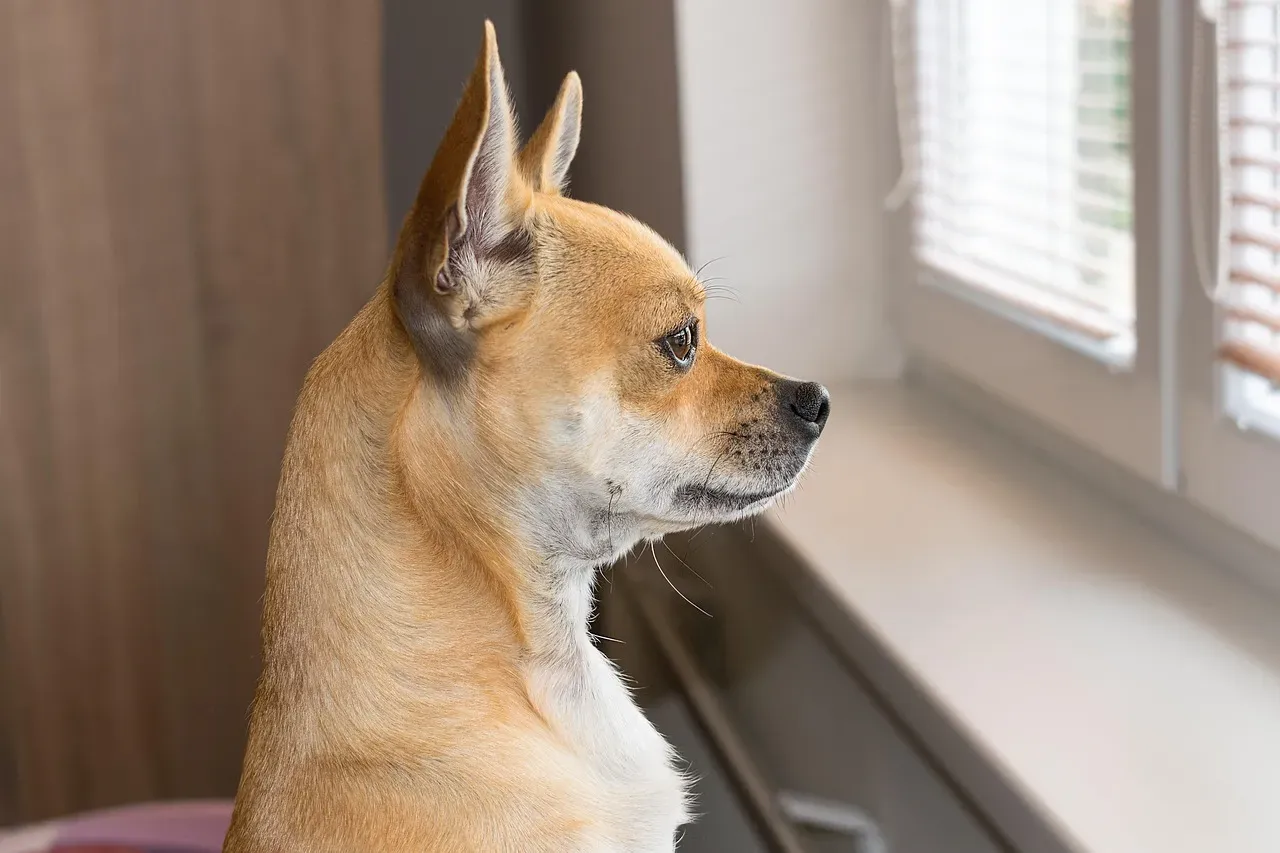
Many dogs experience a form of distress when parted from their primary caregiver, and this response can manifest as prolonged staring out the window. The feeling arises because dogs are social animals that thrive on consistent company rather than long stretches of solitude. What looks like patience from the outside often masks an underlying worry about whether the separation will end.
Research into canine behavior shows that this reaction appears across breeds, though certain types with higher energy or herding instincts may display it more visibly. The heart of the matter lies in how the dog perceives the departure as potentially permanent, even when past experience proves otherwise. Owners sometimes notice the intensity increases during periods of change, such as new work schedules or moves to a different home.
The Window as a Symbol of Hope and Waiting
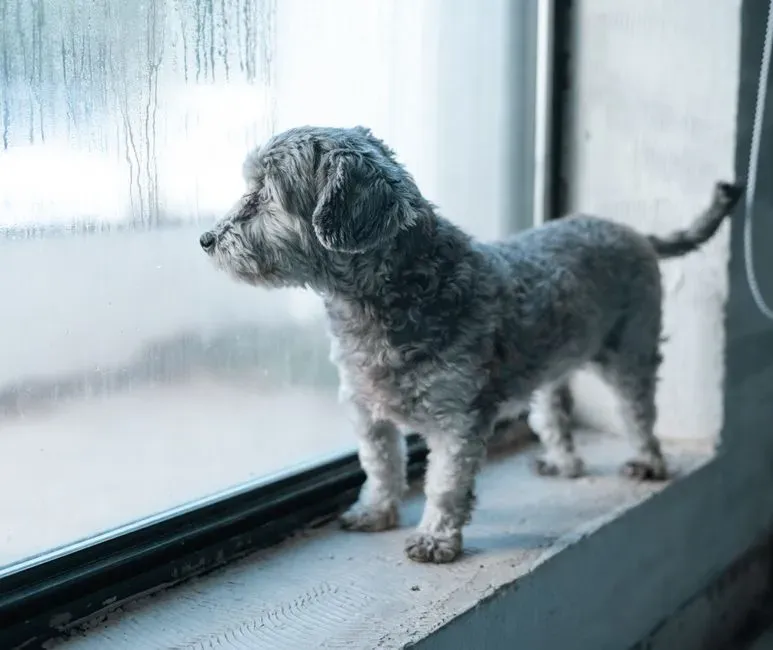
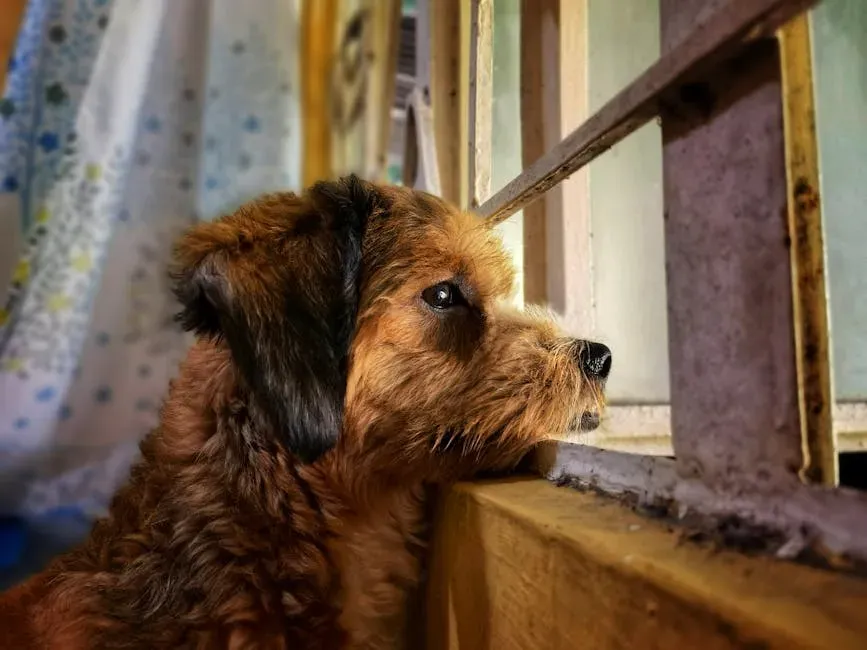
For a dog left behind, the window transforms into more than glass and frame. It becomes the place where familiar sounds and sights might signal an approaching return. The position allows the animal to monitor the street or driveway without moving far from its usual spot.
This choice of location reflects an instinctive drive to stay alert and connected to the outside world. Some dogs even adjust their posture throughout the day, shifting slightly as light changes or neighbors pass by. The act of waiting turns the ordinary view into a source of comfort amid the quiet house.
Behavioral Clues That Reveal a Dog’s Vigil
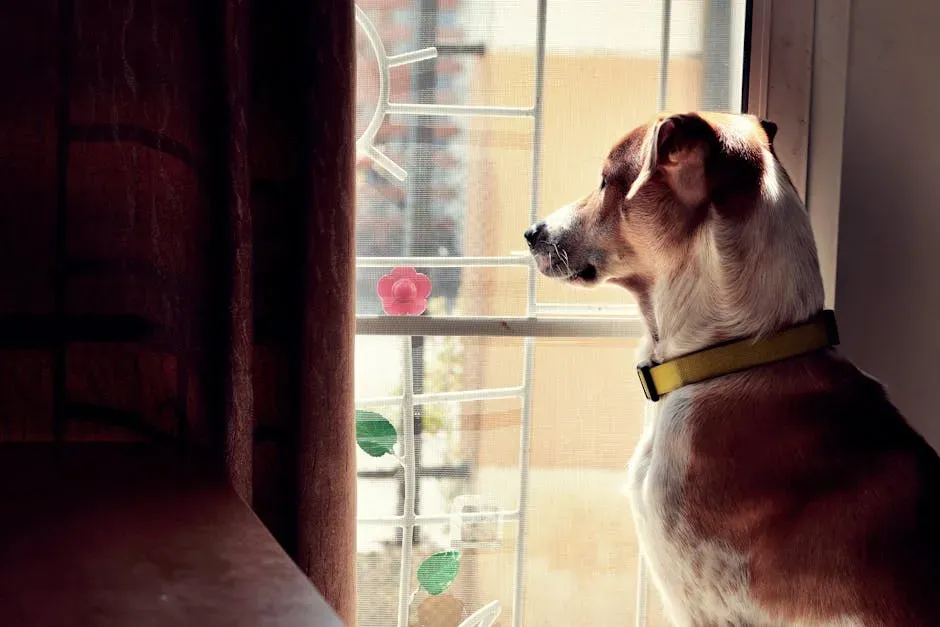
Owners often spot subtle signs that the waiting has lasted longer than expected, such as a dog that remains unusually still or perks up at every distant noise. These cues indicate the animal has not fully settled into the empty home. A wagging tail upon the first glimpse of the returning person shows the relief that follows hours of anticipation.
Other indicators include a reluctance to leave the window even after the owner arrives, or a quick return to the same spot the next morning. These patterns suggest the behavior is tied to routine rather than momentary curiosity. Watching for such details helps people understand the depth of their pet’s daily experience.
Factors That Intensify This Waiting Behavior
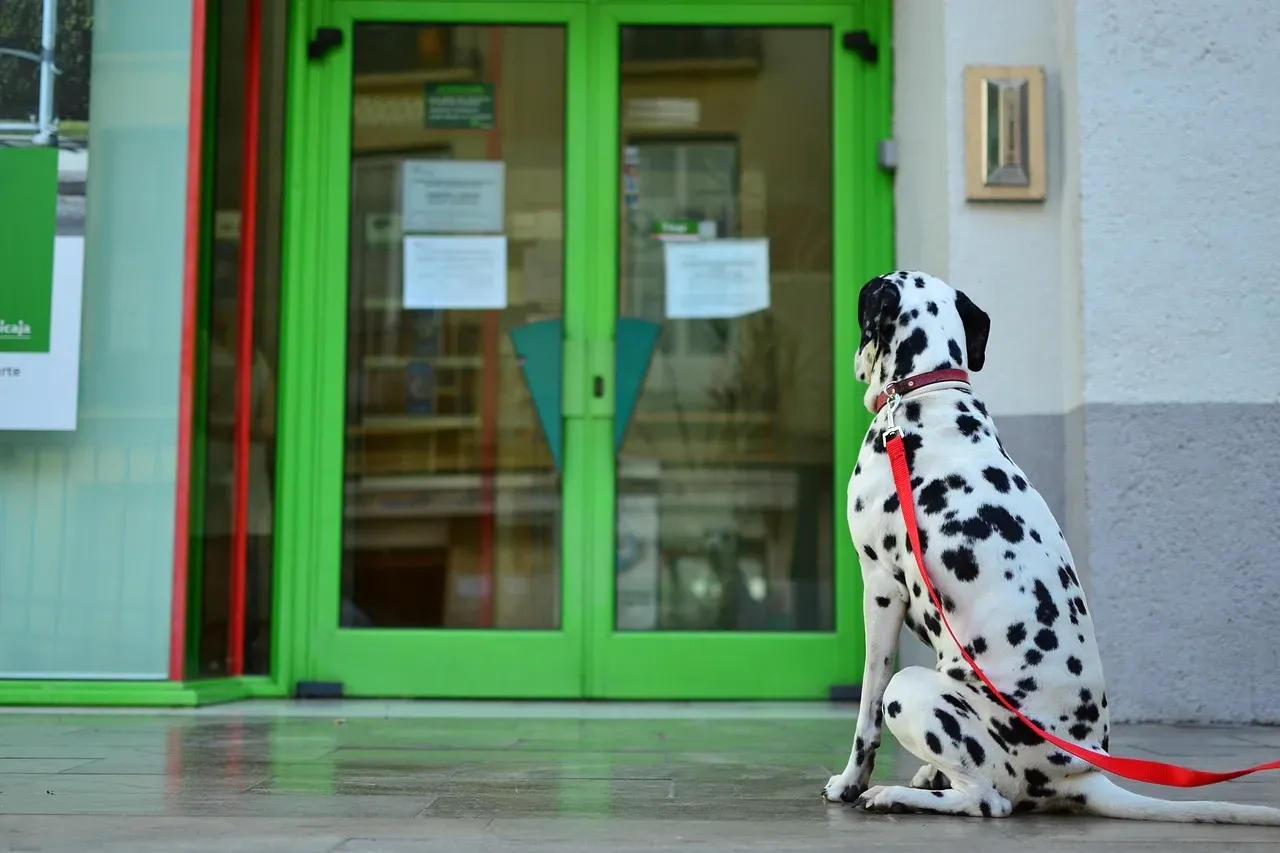
Certain conditions make the vigil more pronounced, including longer workdays or irregular schedules that leave the dog uncertain about timing. Puppies and rescue dogs with past instability tend to show stronger attachment responses. Environmental elements like a quiet neighborhood or limited indoor stimulation can also keep the focus on the window.
Age plays a role as well, with older dogs sometimes settling into the habit more firmly after years of the same routine. Health issues that reduce mobility may further encourage staying in one comfortable spot. Each of these elements combines to shape how long the waiting persists after the door closes.
The Emotional Toll on Both Dog and Owner
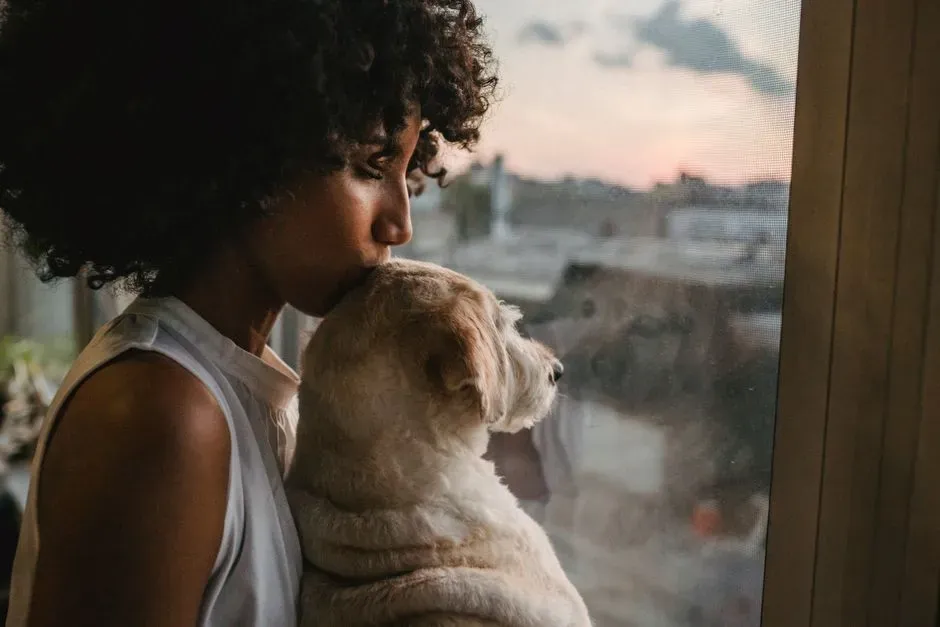
Witnessing this behavior can stir a sense of guilt in owners who wish they could stay home longer. At the same time, the dog’s loyalty often deepens the bond felt on both sides. The situation highlights how human work demands intersect with an animal’s need for companionship.
Over months or years, the pattern may affect the dog’s overall mood, leading to quieter moments or less enthusiasm for other activities. Owners report feeling a similar pull, wondering if small adjustments could ease the daily separation. This shared emotional layer turns a simple habit into something more meaningful.
Practical Steps to Ease the Heartache
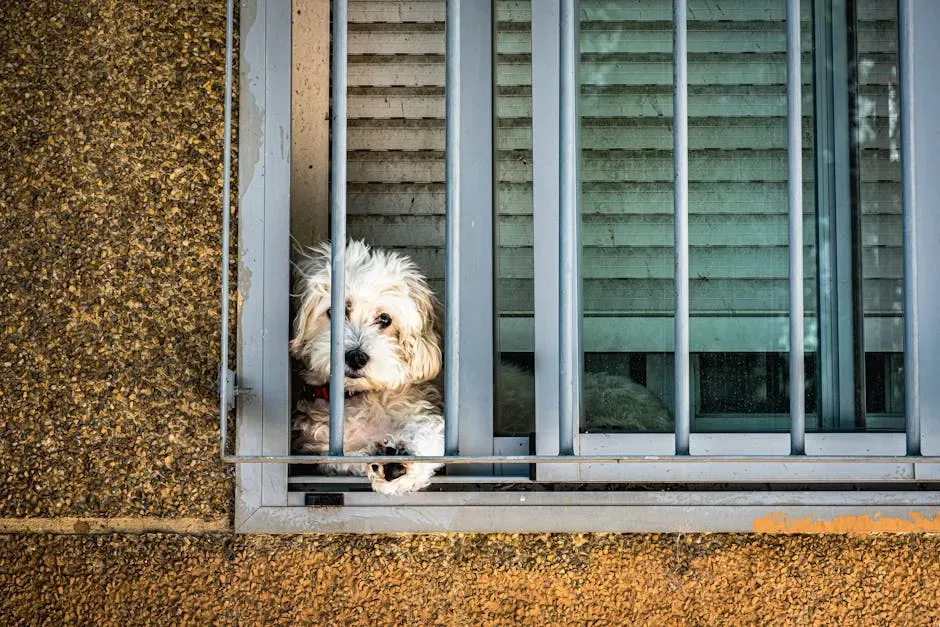
Small changes in departure routines, such as leaving behind a worn item with the owner’s scent, can provide reassurance during the wait. Gradual training that builds tolerance for alone time often reduces the intensity of the vigil over weeks. Interactive toys or background sounds from a television may help redirect attention away from the window.
Consulting a professional trainer or behaviorist offers tailored strategies when the waiting seems especially persistent. Consistent schedules and positive returns home reinforce that departures are temporary. In the end, acknowledging this waiting as a sign of genuine attachment encourages kinder approaches to daily goodbyes and reminds us that our dogs carry the day with them long after we are gone.


