It turns out, our canine companions can indeed experience jealousy, much like we do. Understanding this behavior is crucial for maintaining a harmonious relationship with your furry friend.
1. Aggressive Behavior
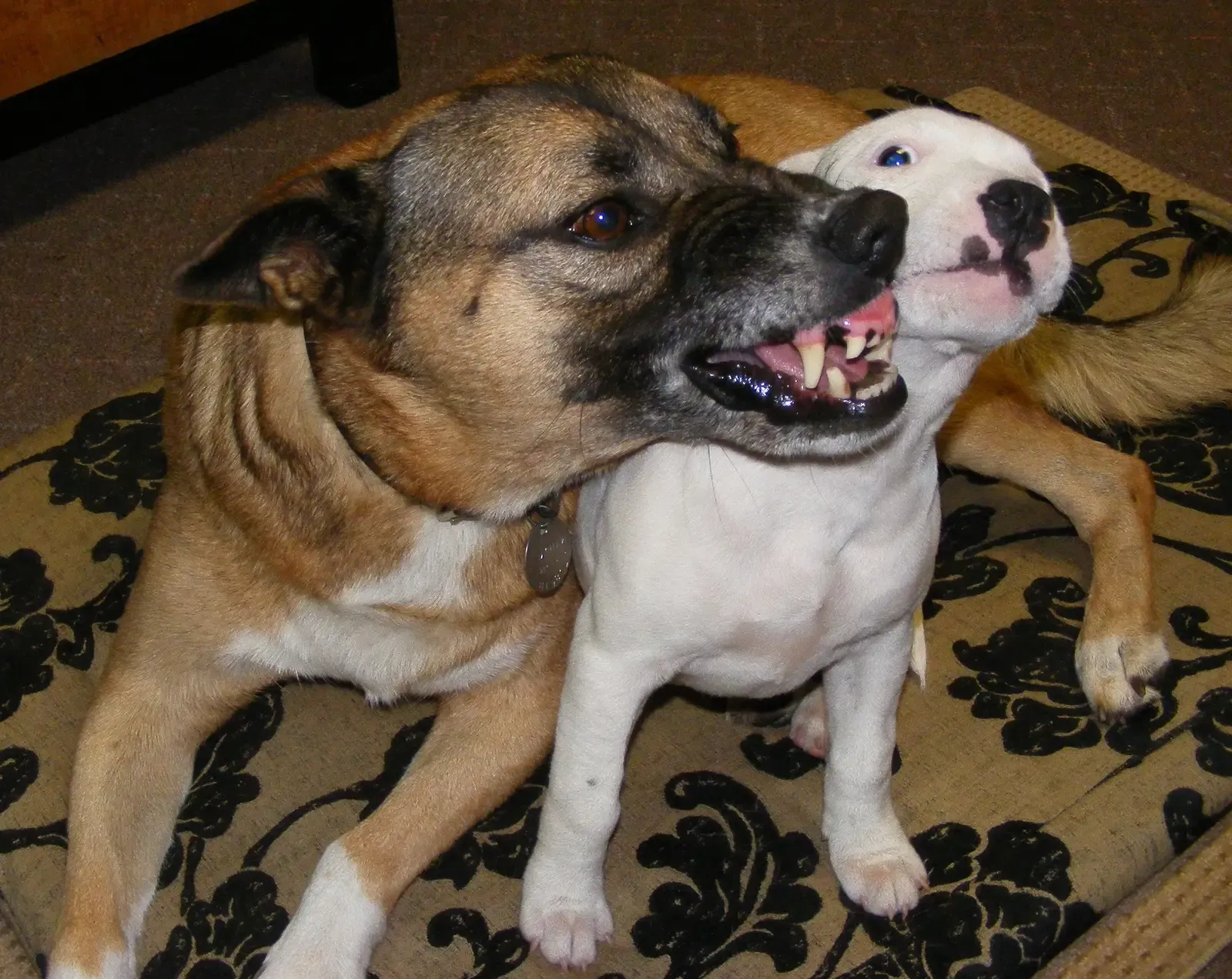
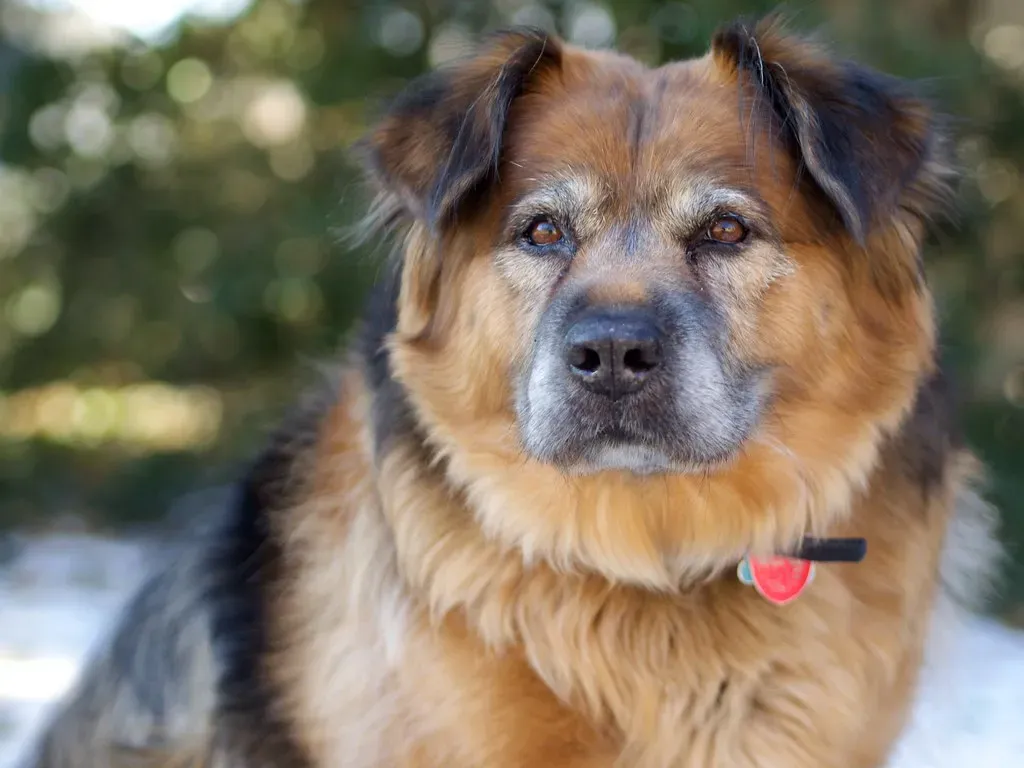
1. Aggressive Behavior (By Adam.J.W.C., CC BY-SA 3.0)When jealousy strikes, some dogs may exhibit aggression. This can manifest as growling, snapping, or even biting when they perceive a threat to their bond with you. Such behavior is a clear signal that your dog feels their relationship with you is being challenged.Addressing this requires patience and training. It’s essential to ensure your dog feels secure and understands that your affection isn’t limited. Consistent positive reinforcement can help mitigate these aggressive tendencies.
2. Interrupting Your Attention
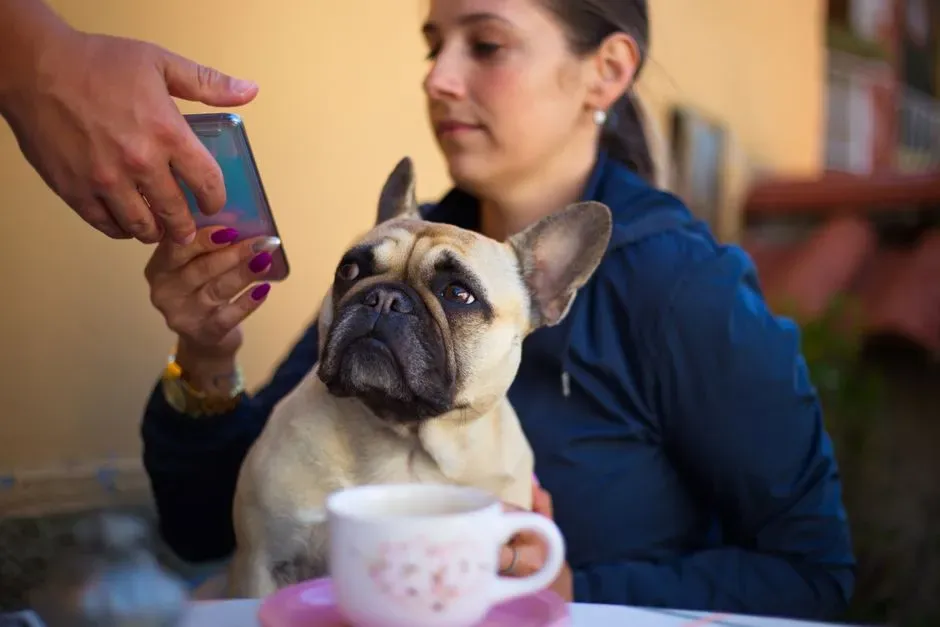
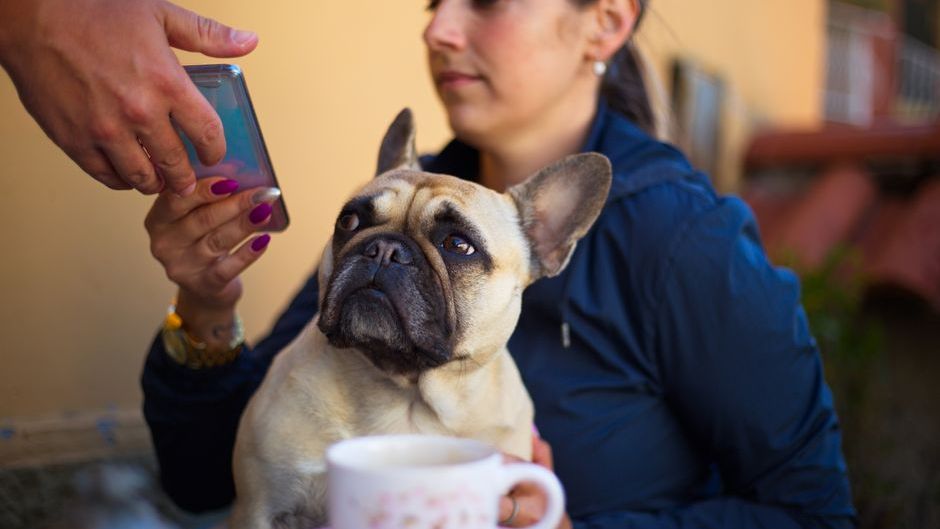
2. Interrupting Your Attention (Image Credits: Pexels)Dogs often seek to reclaim your focus by physically inserting themselves between you and the object of your attention. Whether it’s another pet, a person, or even a device, they’ll nudge or push to redirect your gaze back to them.This behavior underscores their desire to be the center of your world. While it’s endearing, it’s important to set boundaries to prevent it from becoming disruptive.
3. Excessive Barking or Whining
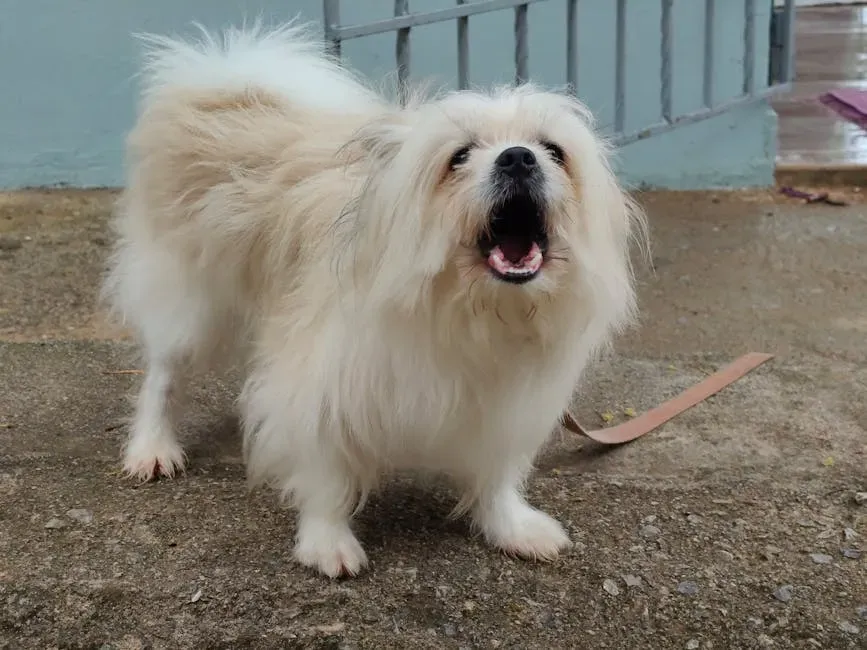
3. Excessive Barking or Whining (Image Credits: Pexels)Vocalizations like barking or whining can be a dog’s way of expressing jealousy. They might do this when you’re engaged with someone else, signaling their displeasure at being left out.Understanding the context of these sounds is vital. If they occur predominantly during moments when your attention is elsewhere, jealousy could be the root cause.
4. Destructive Behavior
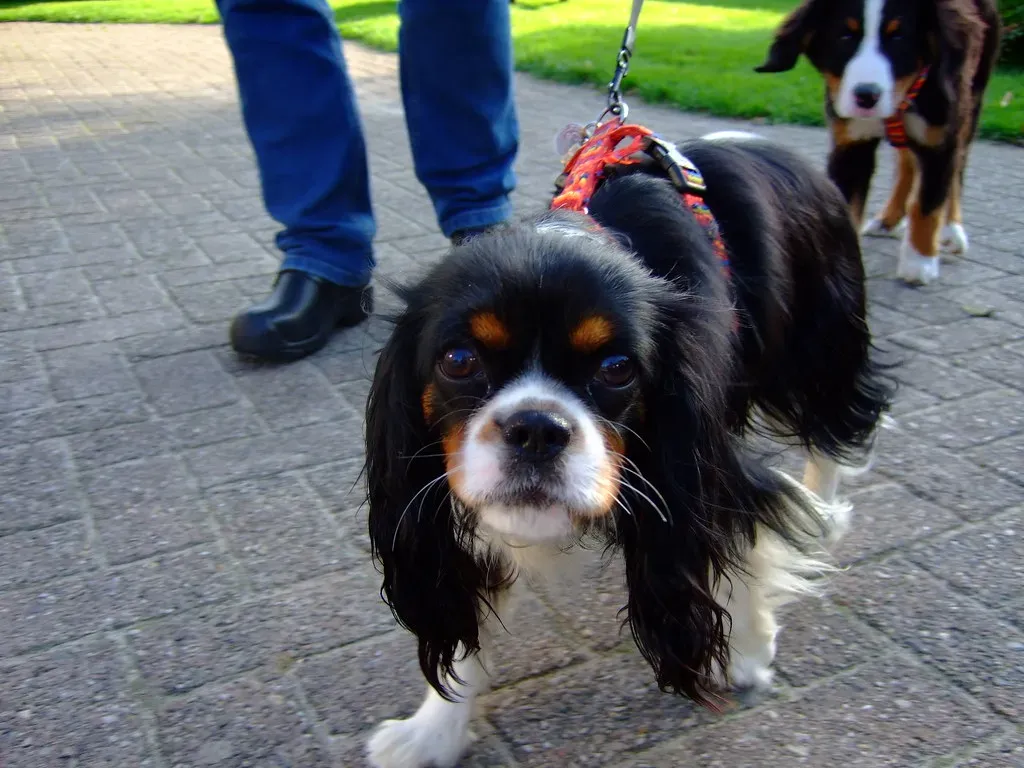
4. Destructive Behavior (Clownhouse III, Flickr, CC BY 2.0)In some cases, a jealous dog might resort to destructive actions, such as chewing on furniture or personal items. This is often a bid for attention, even if it’s negative.Providing ample mental and physical stimulation can help curb these behaviors. Ensuring your dog feels included and valued reduces the likelihood of such destructive tendencies.
5. House Soiling
5. House Soiling (Au Kirk, Flickr, CC BY 2.0)Unexpected indoor accidents can be a sign of jealousy. If your house-trained dog starts soiling inside, especially after changes like introducing a new pet or person, jealousy might be at play.It’s essential to rule out medical issues first. If health isn’t a concern, consider recent changes in the household that might be affecting your dog’s behavior.
6. Clingy Behavior
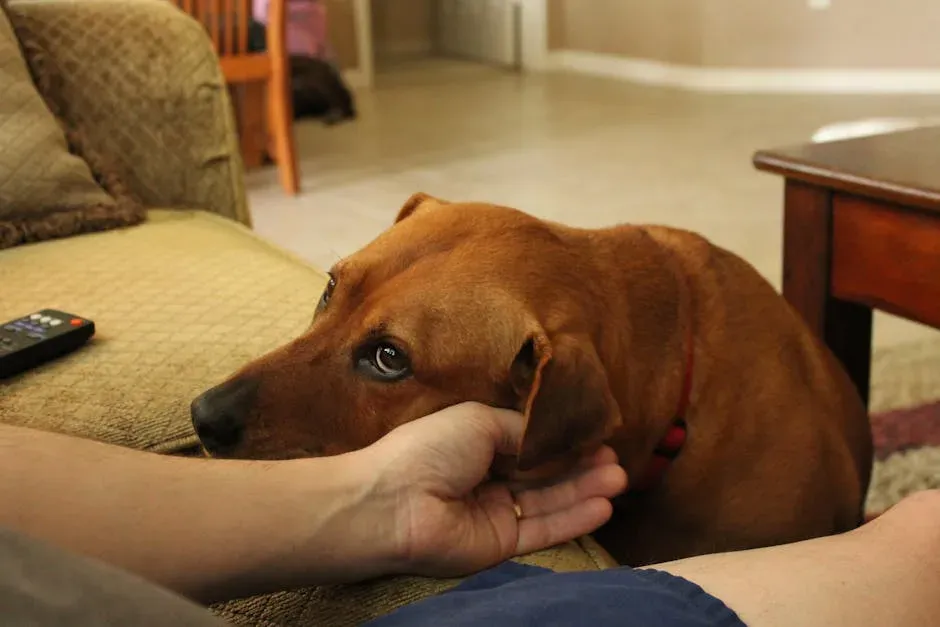
6. Clingy Behavior (Image Credits: Pexels)A jealous dog may become overly clingy, following you from room to room and seeking constant physical contact. This heightened neediness is their way of ensuring they remain close to you.While it’s heartwarming to have a devoted companion, it’s important to encourage independence to prevent separation anxiety.
7. Ignoring Commands
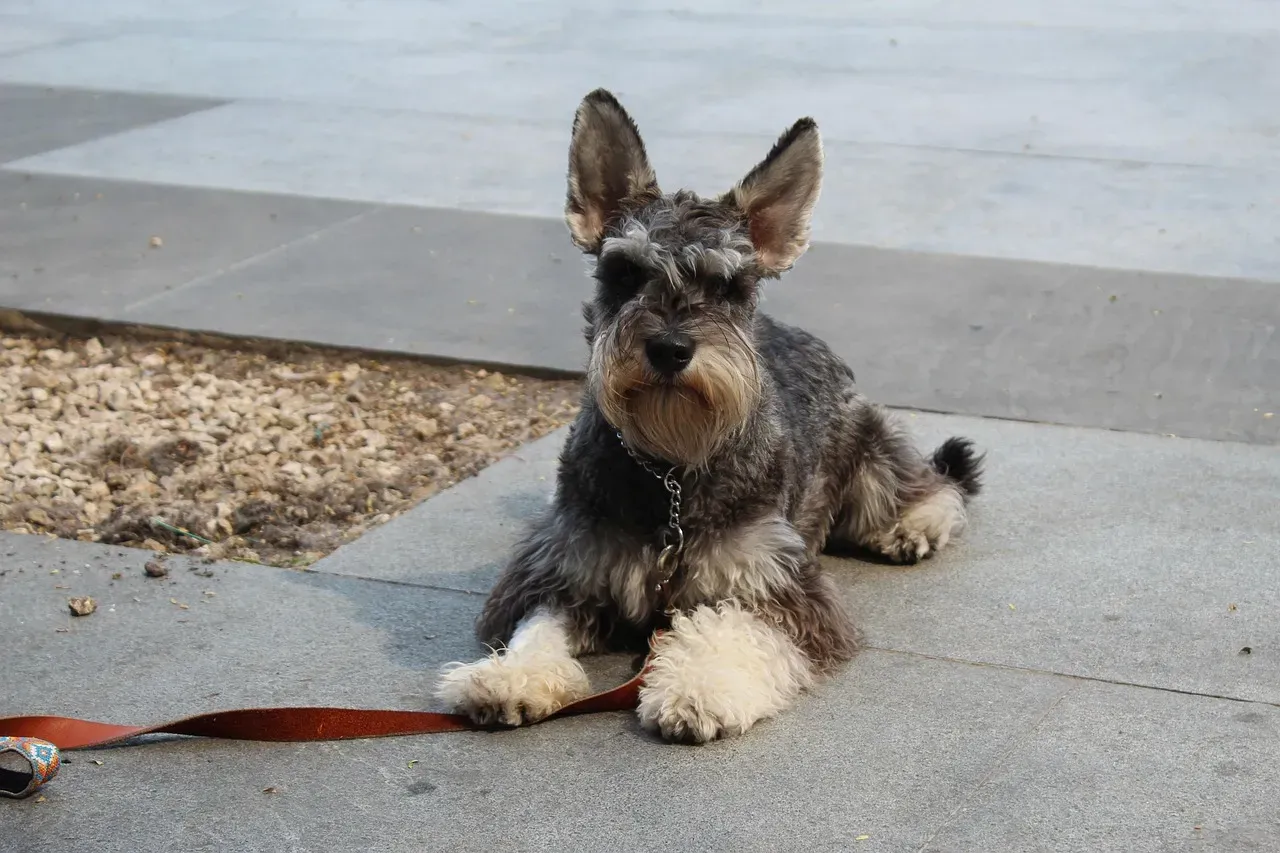
7. Ignoring Commands (Image Credits: Pixabay)Jealousy can lead to selective hearing. Your dog might deliberately ignore commands, especially when they feel sidelined.Consistent training and reinforcing positive behavior can help address this. Ensuring your dog feels secure in their place in the family reduces the need for such attention-seeking actions.
8. Over-Grooming
8. Over-Grooming (Image Credits: Unsplash)Some dogs might resort to excessive licking or grooming when they’re feeling jealous. This self-soothing behavior can lead to skin issues if not addressed.Monitoring for signs of over-grooming and providing alternative outlets for their energy and emotions can help alleviate this behavior.
9. Attempting to Block Your Path
9. Attempting to Block Your Path (Image Credits: Pexels)Physically positioning themselves to block you from leaving or moving towards someone else is another sign of jealousy. They might stand in doorways or lean against you to prevent you from engaging with others.Recognizing this behavior and gently redirecting it can help your dog understand that your attention isn’t a limited resource.In conclusion, while it’s natural for dogs to feel jealous at times, understanding and addressing these behaviors is key to a balanced relationship. By recognizing the signs and responding with patience and training, you can ensure your dog feels secure and loved. After all, isn’t that what every pet parent wants?