
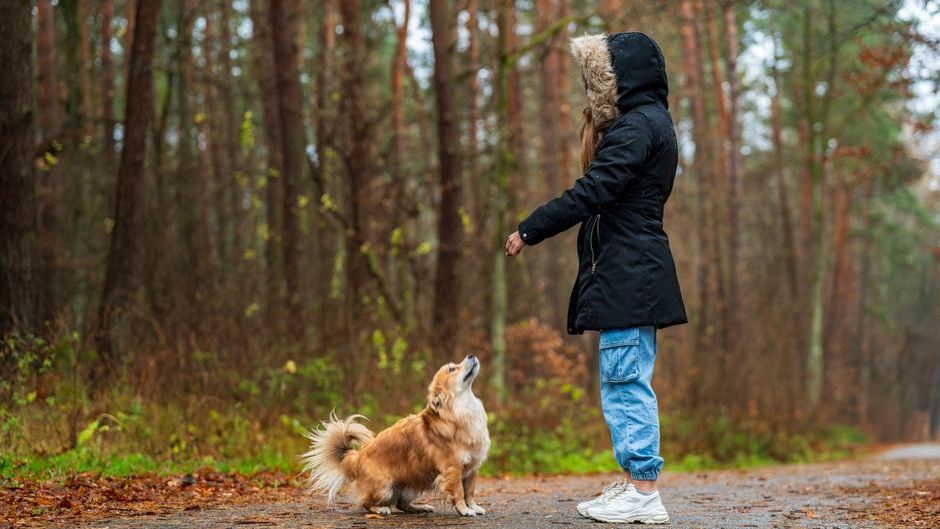
Ever wondered why your dog chews up your favorite shoes or barks incessantly at the mail carrier? The surprising truth is, these behaviors might be more about you than your furry friend. Let’s delve into how our actions and attitudes can shape our dogs’ behaviors, often in ways we don’t even realize.
Mirror, Mirror: Dogs Reflect Their Owners

It’s astonishing how much our dogs can mirror our own personalities. Studies have shown that dogs often adopt traits from their owners, such as anxiety, aggression, or even calmness. This means that if you’re feeling stressed or anxious, your dog might pick up on those vibes and exhibit similar behaviors. It’s a two-way street where our emotional states can significantly influence our pets.
Training Techniques: The Good, the Bad, and the Ugly
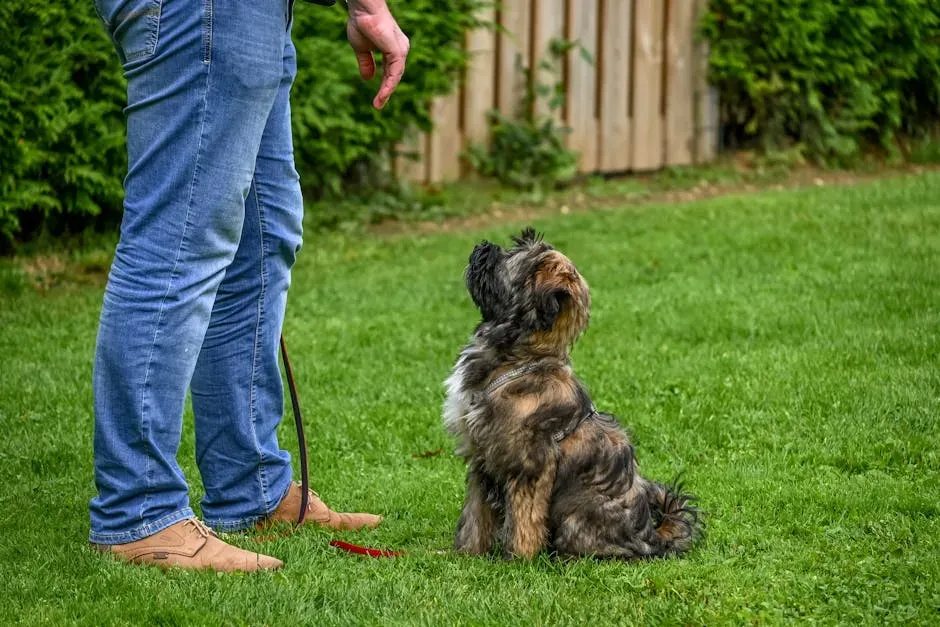
The methods we use to train our dogs can have lasting impacts. Positive reinforcement, like treats and praise, tends to foster good behavior and a strong bond. On the flip side, using harsh punishments or inconsistent training can lead to confusion and behavioral issues in dogs. It’s crucial to choose training methods that are clear, consistent, and compassionate to ensure your dog understands and follows the desired behaviors.
Consistency is Key: Mixed Signals Confuse Dogs

Imagine being told one thing one day and the opposite the next; it’s confusing, right? Dogs feel the same way when we send mixed signals. If you allow your dog on the couch sometimes but scold them other times, they won’t understand the rules. Consistency in commands and expectations helps your dog learn and adhere to desired behaviors, reducing the likelihood of bad habits forming.
Socialization: The Owner’s Role

Early and ongoing socialization is vital for a well-behaved dog. As owners, it’s our responsibility to expose our dogs to various environments, people, and other animals in a positive manner. Neglecting this can lead to fearfulness or aggression in unfamiliar situations. Proper socialization helps dogs become more adaptable and less likely to develop behavioral problems.
Exercise and Mental Stimulation: More Than Just a Walk

A bored dog is often a mischievous dog. Regular physical exercise and mental stimulation are essential to keep your dog happy and well-behaved. Without adequate outlets for their energy, dogs may resort to destructive behaviors like chewing or digging. Incorporating activities like puzzle toys, training sessions, and interactive play can keep your dog’s mind and body engaged.
Understanding Canine Communication

Dogs communicate primarily through body language. Misinterpreting or ignoring these signals can lead to misunderstandings and behavioral issues. For instance, a wagging tail doesn’t always mean a dog is happy; it can also indicate agitation. Learning to read and respond appropriately to your dog’s cues can prevent unwanted behaviors and strengthen your bond.
Seeking Professional Help: When to Call in the Experts
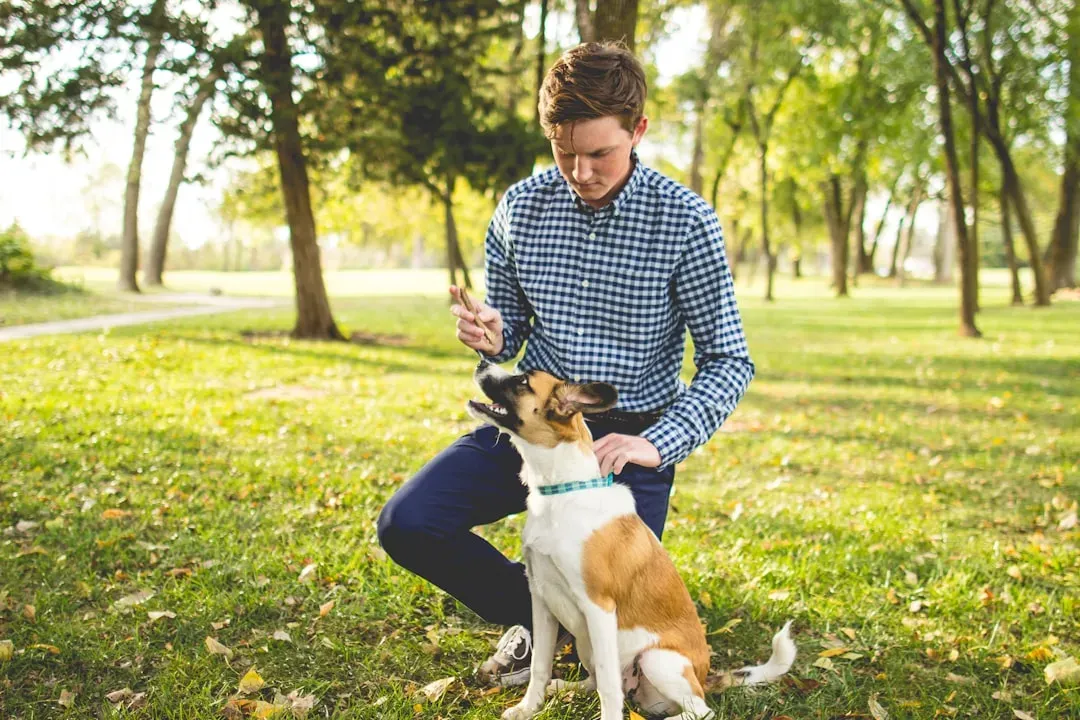
Sometimes, despite our best efforts, our dogs develop behaviors that are challenging to manage. In such cases, seeking help from a professional dog trainer or behaviorist is a wise decision. They can provide personalized guidance and strategies to address specific issues, ensuring both you and your dog lead a harmonious life together.
In conclusion, our dogs are often reflections of ourselves. By being mindful of our actions, emotions, and training methods, we can positively influence our dogs’ behaviors. Remember, a well-behaved dog starts with a responsible and attentive owner. So, next time your dog acts out, take a moment to reflect – could it be you?


