Imagine a companion who respects your need for solitude, doesn’t demand constant attention, and yet offers unwavering loyalty. For introverts, the quest for such a partner often leads to – canines that mirror their owners’ preference for quiet companionship over constant interaction. But what makes these breeds particularly appealing to those who cherish their alone time?
Understanding the Introvert’s Ideal Companion
Understanding the Introvert’s Ideal Companion (Image Credits: Pexels)Introverts often seek relationships that are deep and meaningful, yet not overwhelming. They value personal space and quiet moments, making a dog that shares these traits an ideal match. , known for their self-sufficiency and calm demeanor, align perfectly with this lifestyle. These dogs are content with their own company, reducing the pressure on introverted owners to engage in constant interaction.Moreover, such breeds typically require less socialization and are less likely to exhibit separation anxiety, which can be a relief for owners who prefer a more low-key lifestyle. This mutual understanding fosters a harmonious living environment where both the dog and owner can thrive without compromising their natural inclinations.
The Appeal of Low-Maintenance Relationships
The Appeal of Low-Maintenance Relationships (Image Credits: Unsplash)For many introverts, the idea of a relationship that doesn’t demand constant attention is highly appealing. embody this by being self-reliant and less needy. They don’t require constant supervision or engagement, allowing their owners to enjoy their own activities without feeling guilty or neglectful.This autonomy doesn’t mean a lack of affection; rather, it translates to a balanced relationship where the dog is happy to spend time alone but also cherishes moments of connection. Such dynamics are particularly suited to introverts who may find the demands of more dependent breeds overwhelming.
Shared Appreciation for Quiet Environments
Shared Appreciation for Quiet Environments (Image Credits: Pexels)Noise and constant activity can be draining for introverts, who often prefer serene and quiet settings. tend to be less vocal and more composed, contributing to a peaceful home atmosphere. Breeds like the Basenji, often referred to as the “barkless dog,” are known for their quiet nature, making them ideal companions for those who value tranquility.This shared preference for calm environments means that both the dog and owner can coexist comfortably without the stress of excessive noise or activity. It’s a partnership that respects and enhances the introvert’s need for a peaceful living space.
Respecting Personal Space
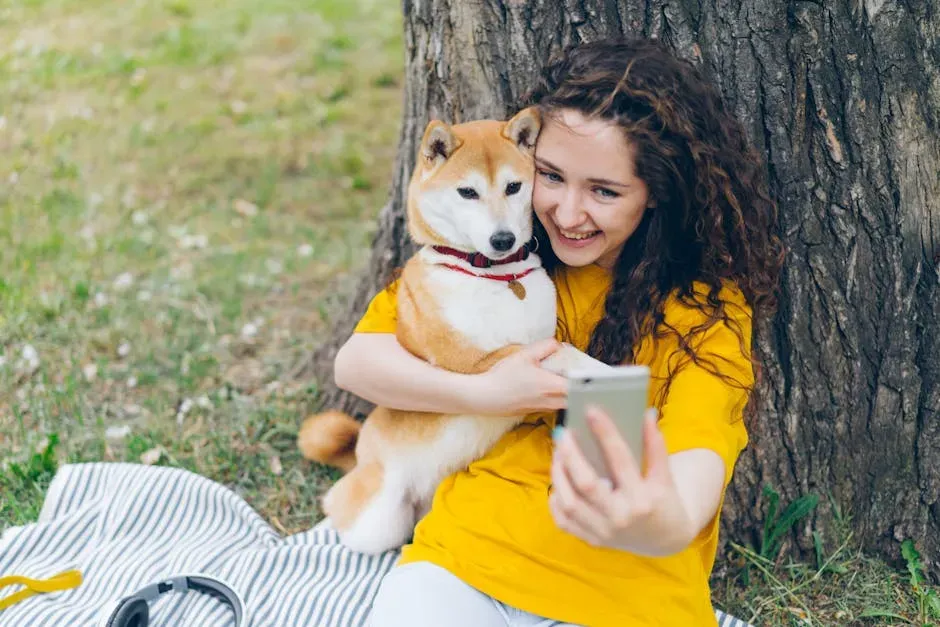
Respecting Personal Space (Image Credits: Pexels)Personal space is a cornerstone of an introvert’s comfort zone. Independent dogs naturally respect this boundary, often enjoying their own space as much as their owners do. Breeds like the Shiba Inu are known for their cat-like independence, often choosing to be near their owners without being overly clingy.This mutual respect for personal space allows introverts to recharge and enjoy solitude without feeling the pressure to constantly entertain or engage with their pet. It’s a relationship built on understanding and mutual respect, where both parties can enjoy companionship without compromising their need for independence.
Lower Socialization Demands
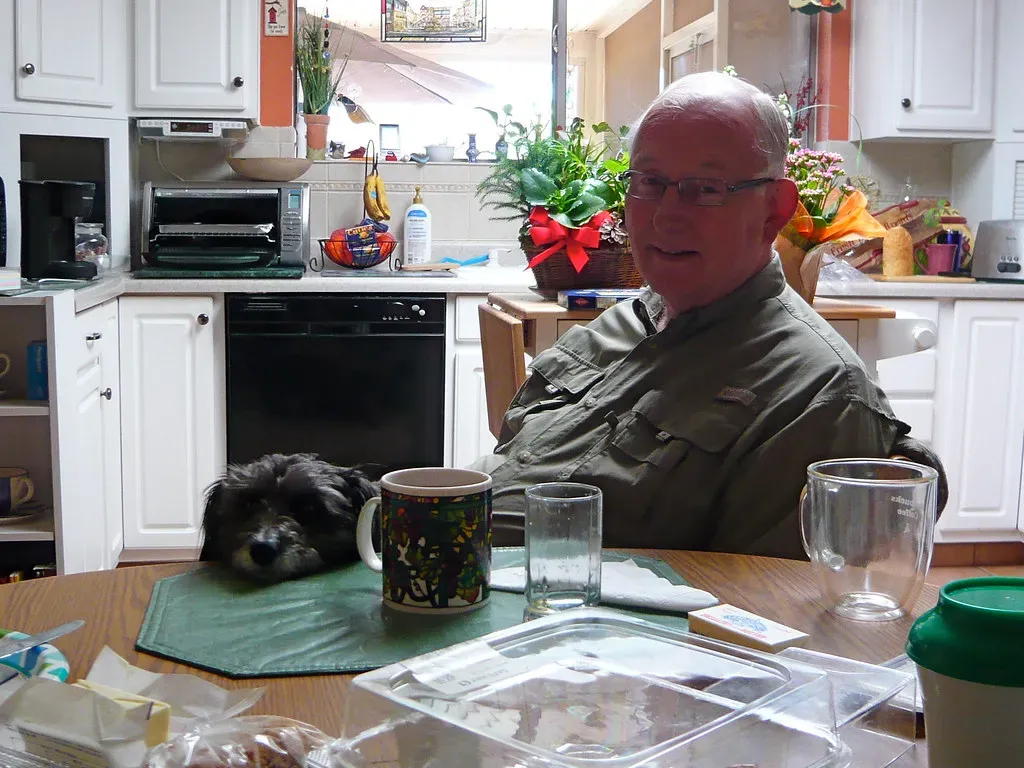
Lower Socialization Demands (WordRidden, Flickr, CC BY 2.0)Introverts often find social interactions draining and may prefer to limit them. typically require less socialization and are less likely to seek attention from strangers. This trait reduces the need for the owner to engage in frequent social activities, such as dog park visits or playdates, which can be taxing for someone who prefers solitude.By choosing a breed that doesn’t demand extensive socialization, introverts can maintain their preferred lifestyle without feeling pressured to participate in activities that don’t align with their comfort levels. It’s a choice that supports their well-being while still providing the joys of pet ownership.
Emotional Support Without Overwhelm
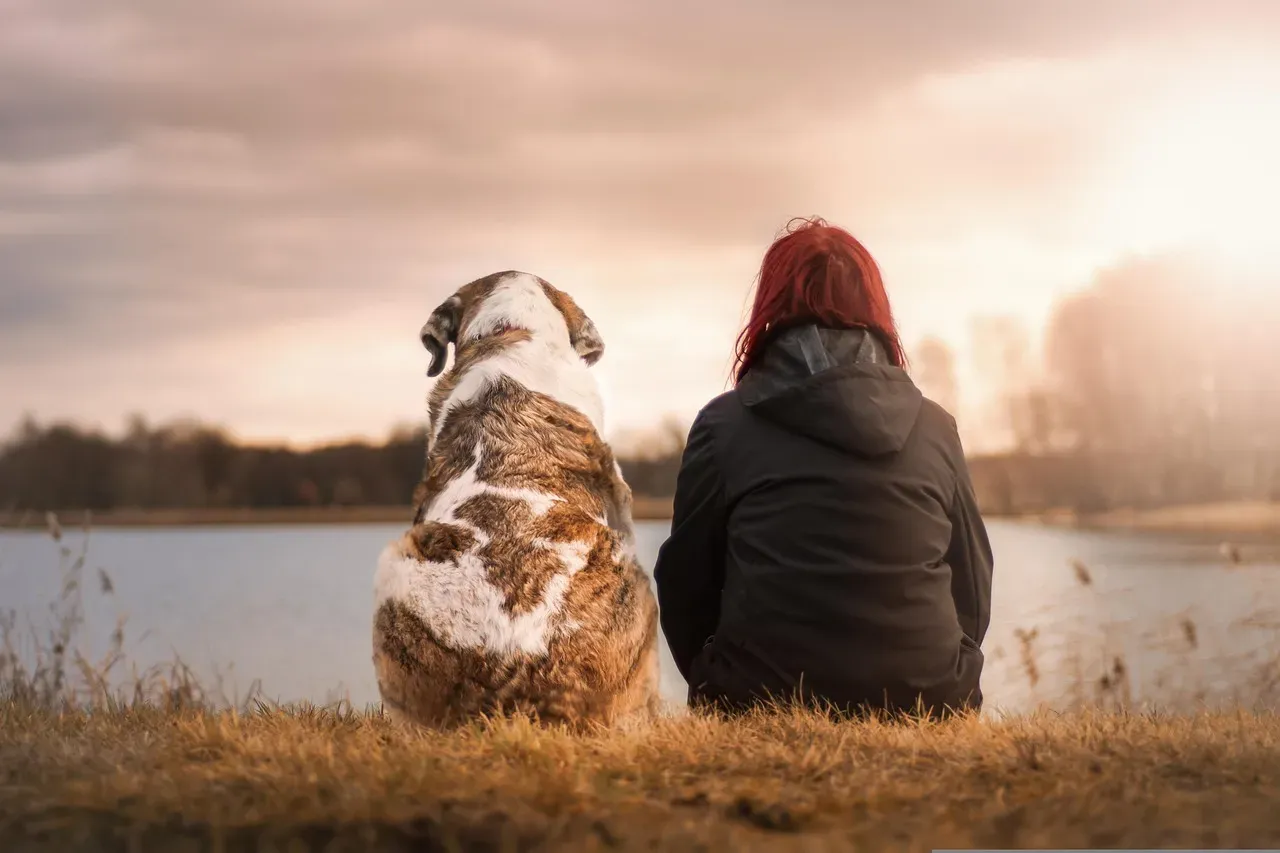
Emotional Support Without Overwhelm (Image Credits: Pixabay)While introverts may prefer solitude, they still value deep connections and emotional support. offer companionship without overwhelming their owners. They are there when needed but don’t impose themselves, allowing for a supportive presence that doesn’t intrude on the owner’s need for space.This balance ensures that introverts can enjoy the emotional benefits of having a pet without the stress of constant interaction. It’s a relationship that provides comfort and support in a way that aligns with the introvert’s natural tendencies.
Conclusion
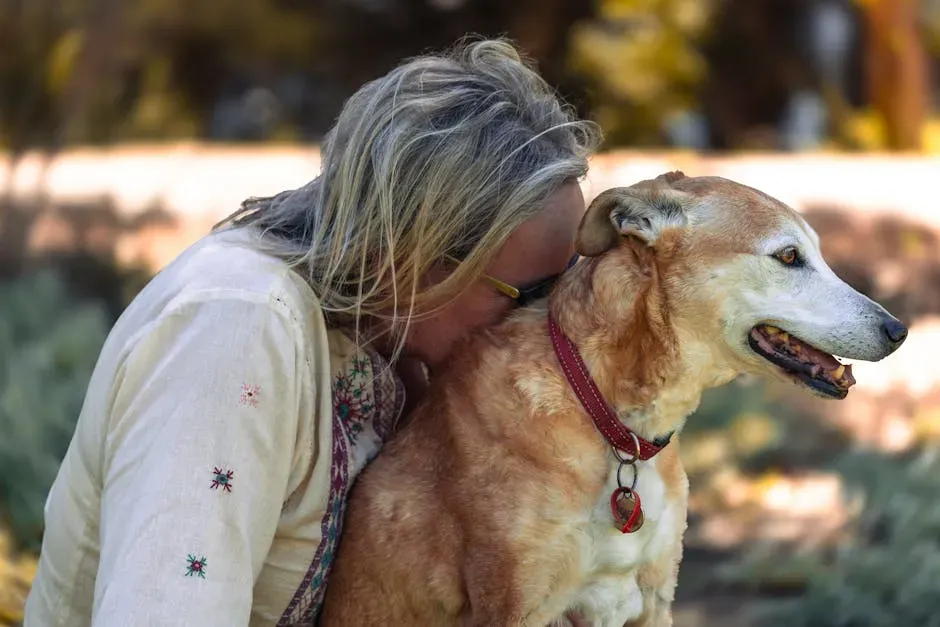
Conclusion (Image Credits: Pexels)Choosing an independent dog breed can be a game-changer for introverts seeking companionship that aligns with their lifestyle. These breeds offer the perfect blend of affection and autonomy, allowing for a harmonious relationship that respects the owner’s need for solitude and quiet. By selecting a dog that mirrors their own preferences for independence and calm, introverts can enjoy the joys of pet ownership without compromising their comfort. Isn’t it wonderful to find a companion who truly understands and complements your way of life?