
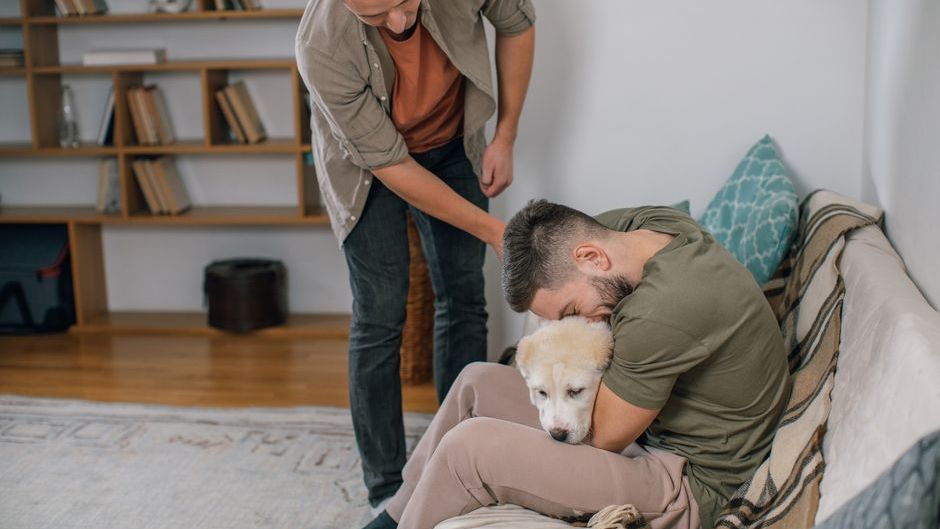
Imagine a world where loyalty knows no bounds, where devotion transcends the barriers of life and death. This isn’t the plot of a heartwarming novel; it’s the reality of countless dogs who, after losing their beloved humans, exhibit an unparalleled depth of fidelity. But what drives this profound allegiance? Let’s delve into the heart of canine loyalty and uncover the reasons behind their unwavering devotion.
The Depth of Canine Grief

When a dog loses its human companion, the void left behind is immense. Dogs are creatures of habit, deeply attuned to the routines and presence of their owners. The sudden absence disrupts their world, leading to behaviors that mirror human grief. They may become withdrawn, lose interest in activities they once enjoyed, or even refuse to eat. This profound sense of loss underscores the depth of the bond they shared with their human.
Moreover, dogs possess an acute sensitivity to their environment. They can detect subtle changes in their surroundings and the emotions of those around them. When their human is no longer present, the familiar scents, sounds, and routines vanish, leaving them in a state of confusion and sorrow. This heightened awareness amplifies their sense of loss, making the grieving process even more intense.
Evolutionary Roots of Loyalty
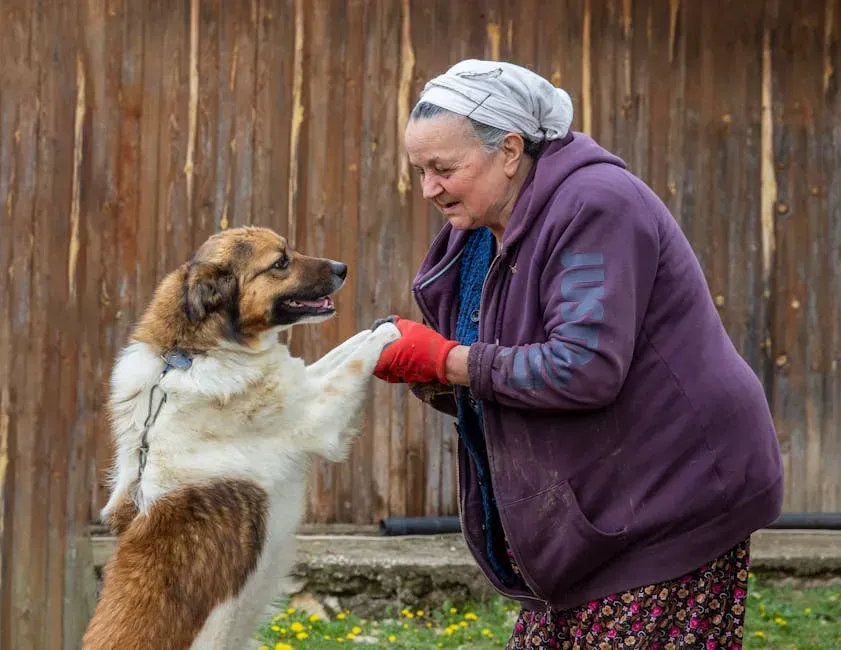
The unwavering loyalty observed in dogs isn’t a recent development; it’s deeply embedded in their evolutionary history. Descended from wolves, dogs have always been pack animals, relying on strong social bonds for survival. In the wild, the pack’s cohesion and mutual support were vital for hunting and protection. This intrinsic need for connection has been passed down through generations, manifesting in the deep attachments dogs form with their human families today.
Furthermore, the domestication of dogs over thousands of years has reinforced this loyalty. Humans provided food, shelter, and companionship, and in return, dogs offered protection and assistance. This symbiotic relationship has solidified the dog’s role as a devoted companion, always eager to please and remain close to their human counterparts.
Emotional Intelligence and Empathy
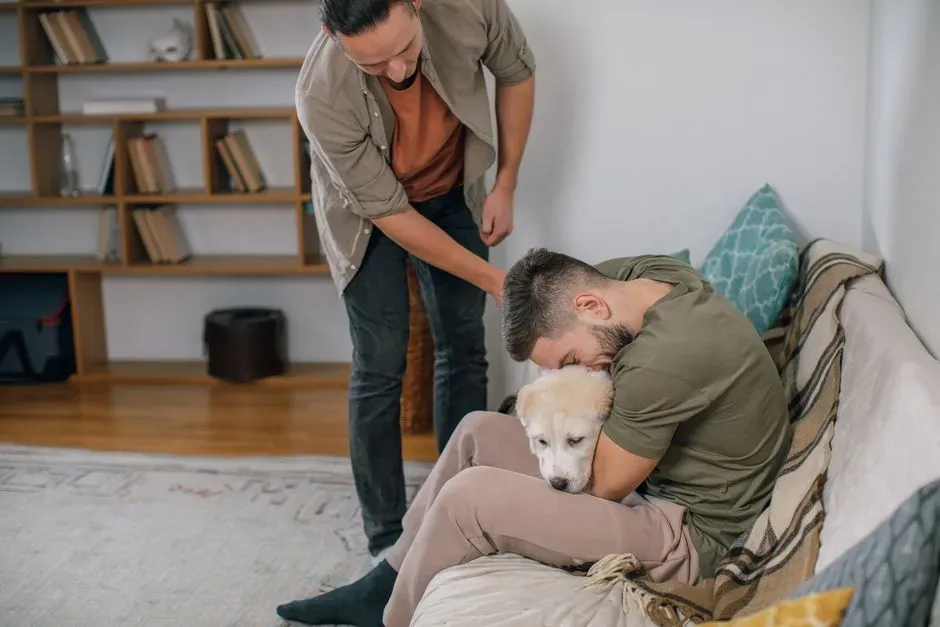
Dogs are not just loyal; they are incredibly empathetic creatures. They can sense human emotions, often responding to their owner’s feelings with comforting behaviors. This emotional intelligence means that when a dog loses its human, it doesn’t just miss the routine or the provider of food; it misses the emotional connection, the shared moments of joy, and even the shared sorrows.
This empathy extends beyond their immediate family. There have been numerous accounts of dogs comforting strangers in distress, showcasing their innate ability to connect and provide solace. This deep-seated empathy further explains why dogs who have lost their humans often form strong bonds with new caregivers, as they seek to rebuild that emotional connection.
Stories of Unwavering Devotion
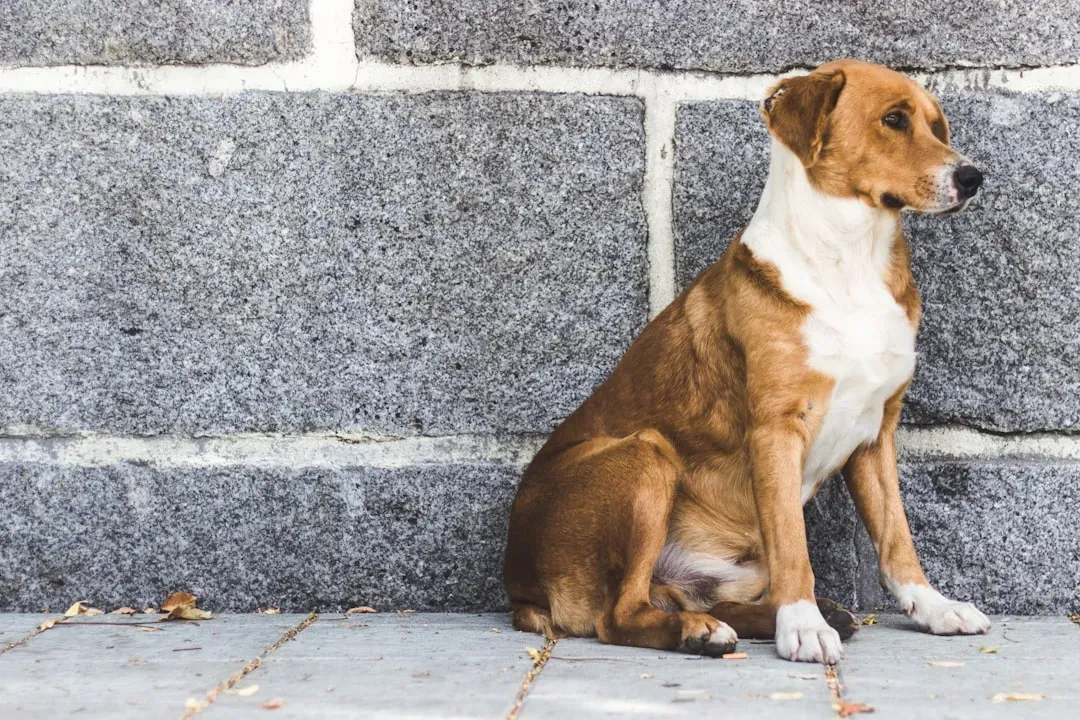
History is replete with tales of dogs demonstrating extraordinary loyalty after the loss of their owners. One such story is that of Hachiko, an Akita from Japan who waited at a train station every day for nine years after his owner’s death, hoping for his return. Such stories are not anomalies but rather testaments to the profound bonds dogs form with their humans.
Another poignant example is that of Greyfriars Bobby, a Skye Terrier in Scotland who guarded his owner’s grave for 14 years until his own death. These narratives, while heart-wrenching, highlight the depth of canine loyalty and the lengths to which dogs will go to remain connected to their beloved humans.
The Role of Memory and Scent
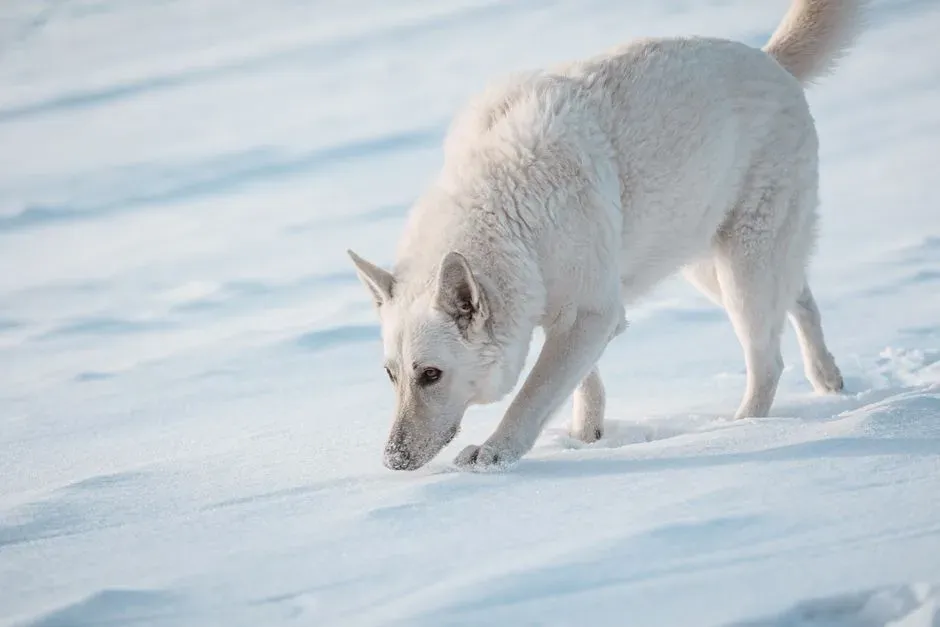
One of the most powerful senses in dogs is their sense of smell. They can remember and recognize scents for years, which plays a significant role in their loyalty. Even after their human has passed away, a dog can still detect their scent on belongings, in the home, or in familiar places, triggering memories and reinforcing their bond.
This olfactory memory means that dogs can experience a form of longing or yearning, much like humans do when reminiscing about a lost loved one. The scent acts as a bridge to the past, keeping the connection alive in the dog’s mind and heart.
Adapting to New Bonds
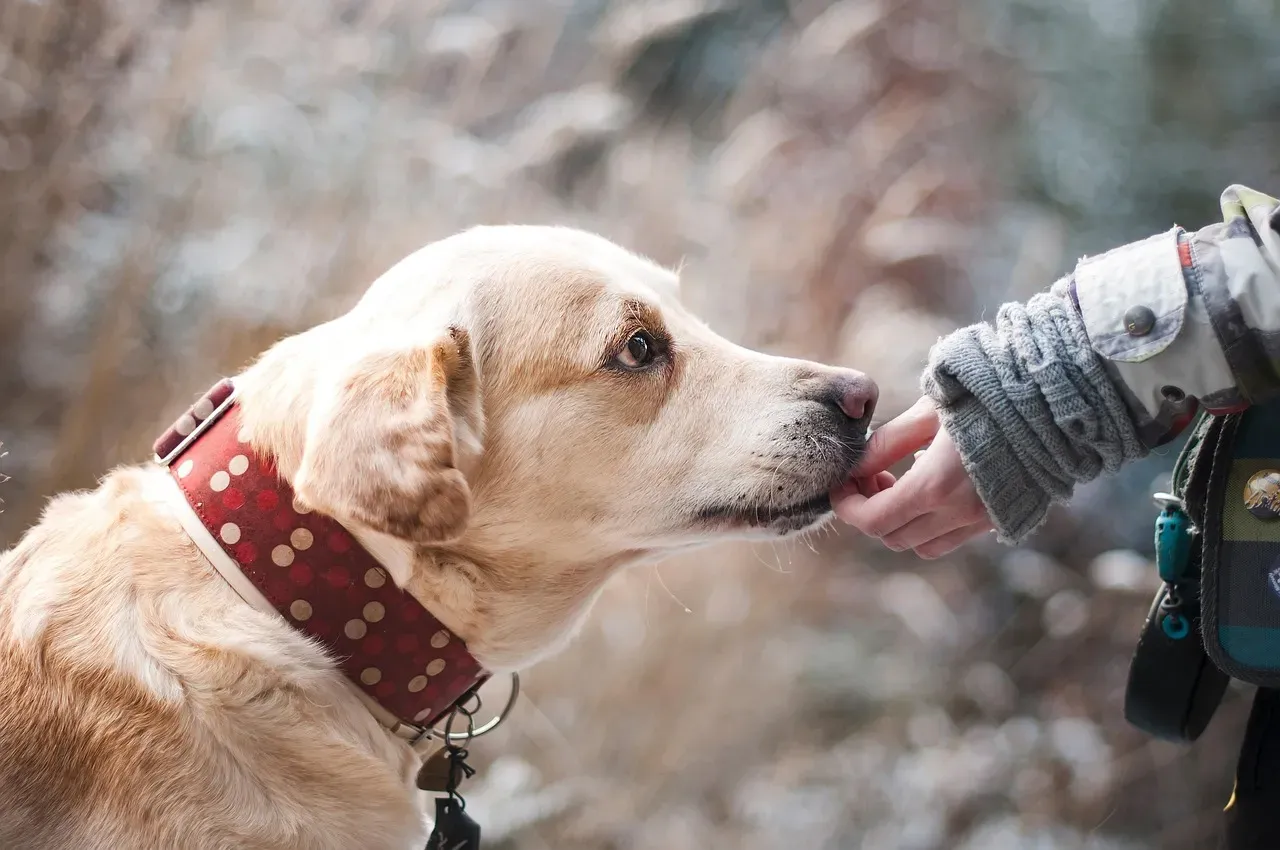
While the loss of a human is devastating for a dog, their capacity for love and loyalty doesn’t diminish. Many dogs, after a period of mourning, are able to form new, deep bonds with new caregivers. This adaptability is a testament to their resilience and their innate desire for companionship and connection.
However, the transition isn’t always smooth. Dogs may exhibit signs of anxiety, depression, or behavioral changes as they adjust to their new environment. Patience, understanding, and consistent care are crucial during this period to help the dog feel secure and loved once again.
The Science Behind the Bond
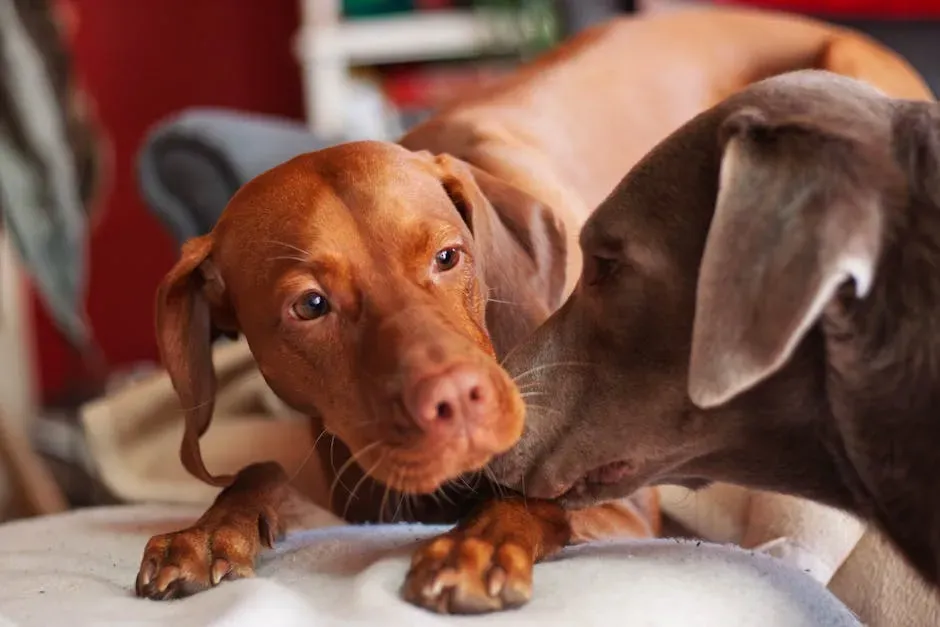
Research has shown that interactions between dogs and humans can lead to the release of oxytocin, often referred to as the “love hormone.” This chemical plays a role in bonding and social interactions, further explaining the deep connections dogs form with their humans. The mutual release of oxytocin during positive interactions strengthens the bond, making the loss of a human even more impactful for the dog.
Additionally, studies have indicated that dogs can experience a range of emotions similar to humans, including joy, fear, and sadness. This emotional complexity adds depth to their relationships and underscores the significance of their loyalty.
Conclusion
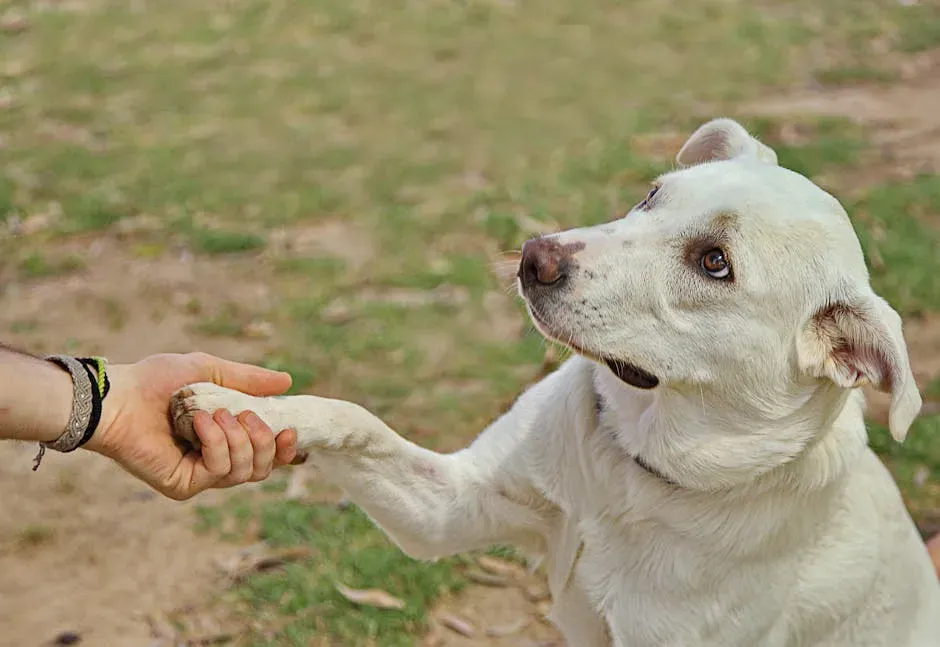
In a world where relationships can be fleeting, the steadfast loyalty of a dog stands as a beacon of unwavering devotion. Their ability to love deeply, grieve profoundly, and adapt resiliently makes them unparalleled companions. Perhaps it’s time we ask ourselves: do we deserve such boundless loyalty?


