Some dog breeds come with hidden costs that can significantly impact your budget over time. From unexpected health issues to specialized care requirements, these expenses can add up quickly. Let’s delve into six dog breeds that are surprisingly expensive to own, with a special emphasis on the third breed, which veterinarians particularly caution about.
English Bulldog
English Bulldog (Image Credits: Unsplash)The English Bulldog’s charming, wrinkled face and stocky build make it a favorite among dog lovers. However, this breed is notorious for its health complications. Their brachycephalic (short-nosed) structure often leads to breathing difficulties, necessitating costly surgeries. Additionally, they are prone to skin infections due to their deep folds, and joint issues like hip dysplasia are common. These health concerns contribute to high veterinary bills, making the English Bulldog one of the most expensive breeds to own.Beyond medical expenses, English Bulldogs require a specific diet to maintain their health and prevent obesity. Their unique physique also means they need specialized equipment, such as harnesses and beds, tailored to their body shape. Regular grooming is essential to keep their skin folds clean and free from infections, adding to the overall cost of ownership.
Samoyed
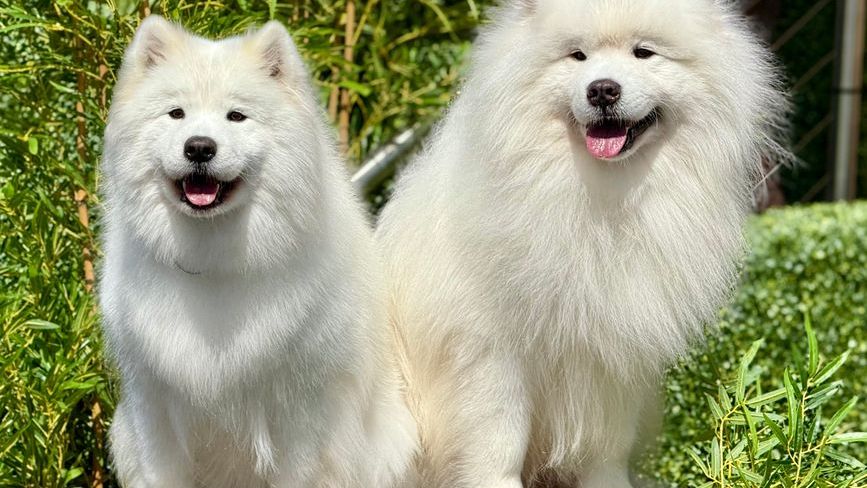
Samoyed (Image Credits: Pexels)Known for their radiant white coats and friendly demeanor, Samoyeds are a sight to behold. However, their beauty comes with a price. Their thick double coat requires frequent grooming to prevent matting and maintain its pristine condition. Professional grooming sessions can be expensive, and the need for regular maintenance adds to the overall cost.Health-wise, Samoyeds are susceptible to genetic conditions such as hip dysplasia and progressive retinal atrophy. These ailments can lead to significant veterinary expenses over the dog’s lifetime. Additionally, their energetic nature means they require ample exercise and mental stimulation, which can translate to costs associated with training classes and interactive toys.
French Bulldog
French Bulldog (Image Credits: Unsplash)The French Bulldog’s compact size and bat-like ears have skyrocketed its popularity in recent years. However, veterinarians often warn potential owners about the breed’s health challenges. Like their English counterparts, French Bulldogs are brachycephalic, leading to respiratory issues that may require surgical intervention. They are also prone to spinal disorders, such as intervertebral disc disease, which can result in costly treatments.Reproductive challenges are another factor contributing to their expense. Many French Bulldogs require artificial insemination and cesarean sections due to their unique anatomy, leading to higher breeding costs. These expenses are often passed on to the buyer, making the initial purchase price steep. Combined with potential medical bills, the French Bulldog is undeniably one of the most expensive breeds to own.
Chow Chow
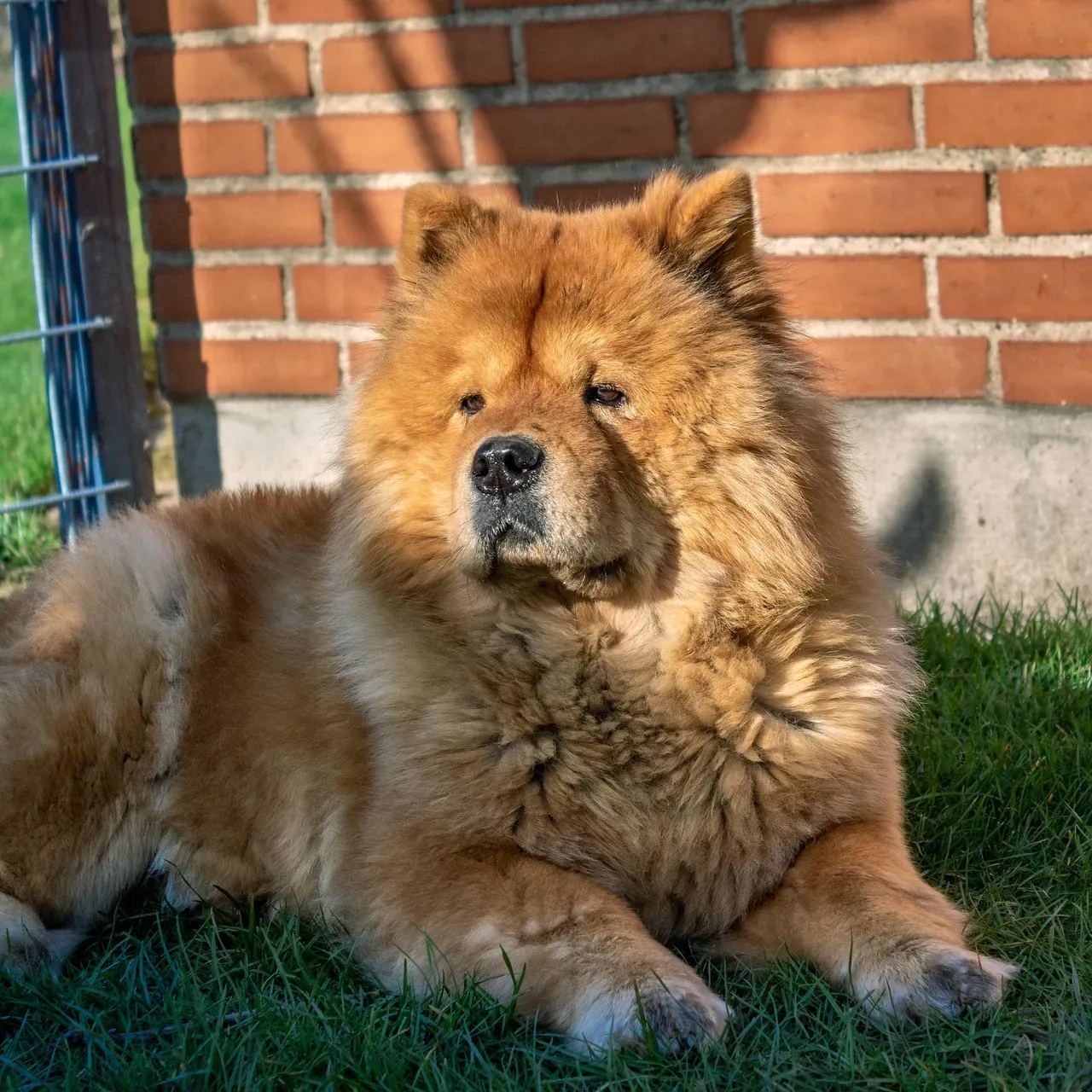
Chow Chow (Image Credits: Pixabay)With their lion-like mane and distinctive blue-black tongue, Chow Chows are both unique and regal. However, their majestic appearance comes with significant maintenance costs. Their dense double coat requires regular grooming to prevent matting and skin issues. Professional grooming sessions can be pricey, especially given the breed’s size and coat density.Health concerns also add to the expense. Chow Chows are prone to conditions like entropion (a painful eye condition), hip dysplasia, and thyroid issues. These health problems can lead to frequent veterinary visits and treatments, increasing the overall cost of ownership. Additionally, their independent and sometimes aloof nature may necessitate professional training to ensure proper socialization and behavior.
Bernese Mountain Dog
Bernese Mountain Dog (Image Credits: Unsplash)The Bernese Mountain Dog’s gentle temperament and striking tricolor coat make it a beloved family pet. However, their large size means they consume more food, leading to higher feeding costs. Their thick coat also requires regular grooming to keep it clean and free from tangles.Health-wise, Bernese Mountain Dogs have a relatively short lifespan and are prone to serious conditions like cancer and hip dysplasia. Treating these ailments can be expensive, with some owners facing significant veterinary bills. Their friendly nature means they thrive on companionship, so potential owners should also consider the time and resources needed to keep them mentally and physically stimulated.
Great Dane
Great Dane (Image Credits: Unsplash)Often referred to as the “gentle giant,” the Great Dane’s imposing size is both awe-inspiring and costly. Their large stature means they require substantial amounts of food, leading to higher feeding expenses. Additionally, their size necessitates larger accessories, from beds to crates, all of which come at a premium price.Health concerns are also prevalent in the breed. Great Danes are susceptible to conditions like bloat (gastric torsion), which can be life-threatening and require emergency surgery. They are also prone to heart diseases and joint issues, leading to frequent veterinary visits and treatments. Their short lifespan means that owners may face these challenges sooner than with other breeds, adding to the emotional and financial toll.In conclusion, while these breeds offer unique qualities and companionship, potential owners must be prepared for the financial commitment they entail. From health issues to maintenance needs, the costs can be substantial. It’s crucial to research thoroughly and consider both the emotional and financial responsibilities before bringing one of these breeds into your home. After all, a well-informed decision ensures a happy and healthy life for both you and your furry friend.