

Dogs are more than just pets; they’re family members who thrive on emotional connections. When the harmony in your household shifts, especially due to relationship tensions, your canine companion may silently express their distress. Recognizing these subtle signs is crucial to ensure your dog’s well-being and to address underlying issues in your relationship.
1. Withdrawal from Social Interaction

Has your once sociable dog started spending more time alone, avoiding family gatherings or playtime? This sudden retreat can be a dog’s way of coping with household stress. Just as humans might seek solitude during emotional turmoil, dogs too may distance themselves when the environment feels tense or unpredictable.
Such behavior isn’t just about seeking quiet; it’s a manifestation of their discomfort. If your dog is consistently avoiding interaction, it’s essential to assess the household dynamics and consider how interpersonal conflicts might be affecting them.
2. Changes in Appetite

A noticeable shift in your dog’s eating habits can be a red flag. Perhaps they’re leaving food untouched or, conversely, overeating. These changes often mirror the emotional climate of their surroundings. Stress and anxiety, stemming from household discord, can disrupt their normal appetite.
Monitoring these patterns is vital. If your dog consistently shows disinterest in meals or sudden voraciousness, it’s time to evaluate the emotional atmosphere at home and consult with a veterinarian to rule out medical causes.
3. Excessive Sleeping or Lethargy

While dogs do enjoy their naps, an increase in sleep or a lack of enthusiasm for activities they once loved can indicate emotional distress. If your energetic pup now prefers the couch over a game of fetch, it might be their way of escaping a stressful environment.
This lethargy isn’t mere laziness; it’s a coping mechanism. Addressing the root cause, be it household tension or other stressors, can help restore their zest for life.
4. Destructive Behavior
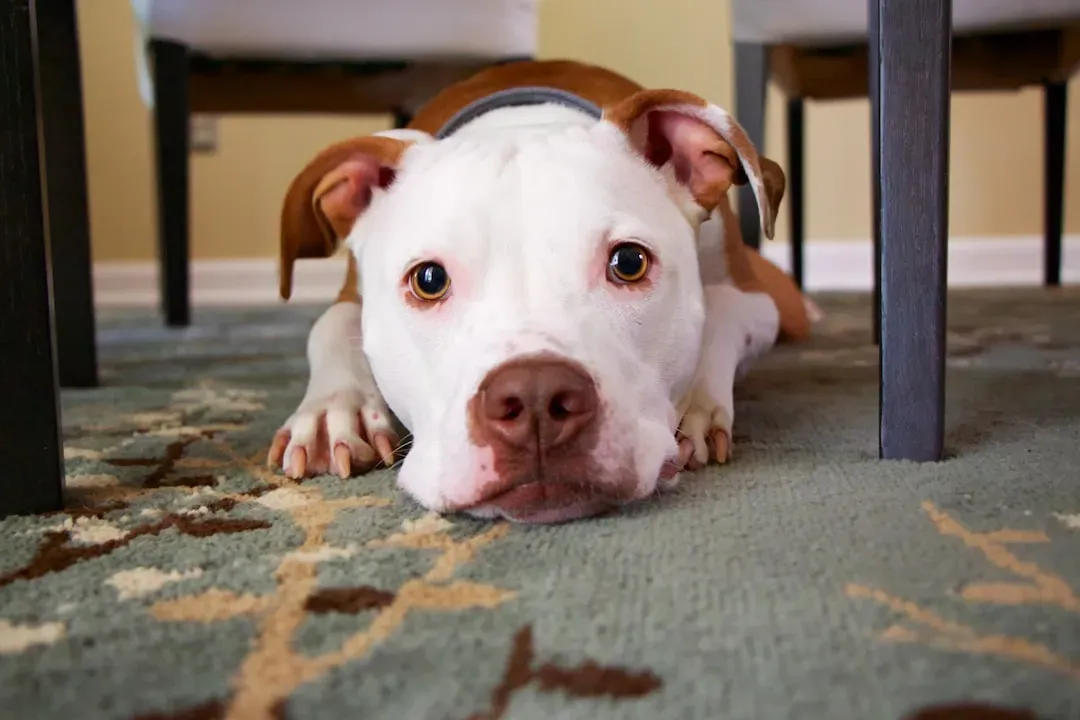
Coming home to chewed furniture or shredded pillows isn’t just a nuisance; it’s a cry for help. Destructive actions often stem from anxiety or frustration. When dogs sense conflict or feel neglected due to relationship issues, they might resort to such behaviors as an outlet.
Understanding that this isn’t mere mischief but a sign of distress is crucial. Addressing both the behavioral symptoms and the underlying emotional causes can lead to a more harmonious household.
5. Unusual Vocalizations
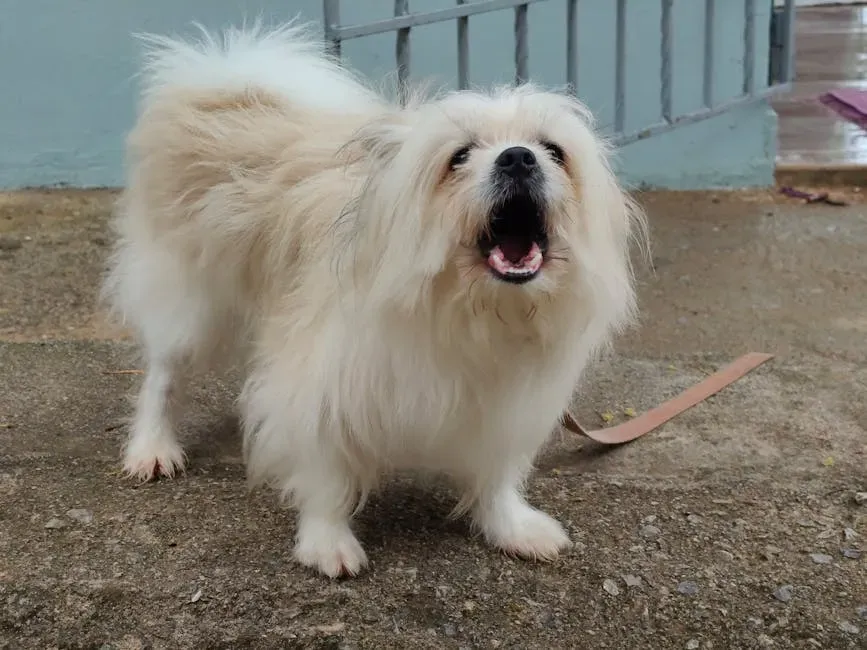
Is your dog barking, whining, or howling more than usual? These vocal expressions can be their way of communicating discomfort or seeking attention in a tense environment. Just as humans might raise their voices during stress, dogs too use vocalizations to express their feelings.
Paying attention to these sounds and correlating them with household events can provide insights into their emotional state and the impact of your relationship dynamics on them.
6. Aggression or Fearfulness
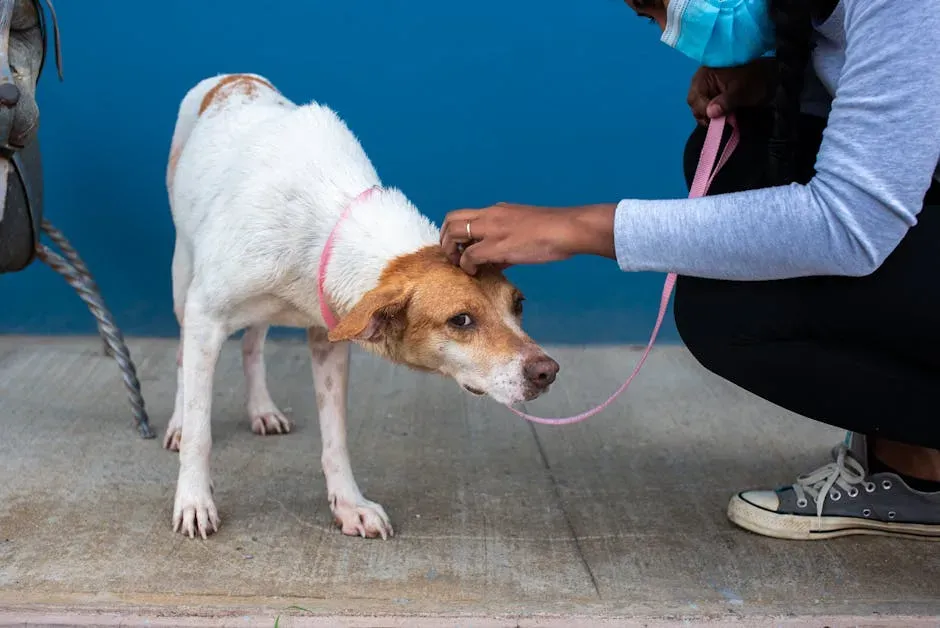
A dog that suddenly growls, snaps, or cowers might be reacting to the stress permeating their environment. Tensions between household members can make dogs feel insecure, leading to aggressive or fearful behaviors as they try to navigate the discord.
Recognizing these signs and understanding their root causes can help in addressing both the dog’s behavior and the household issues contributing to their distress.
7. Changes in Body Language
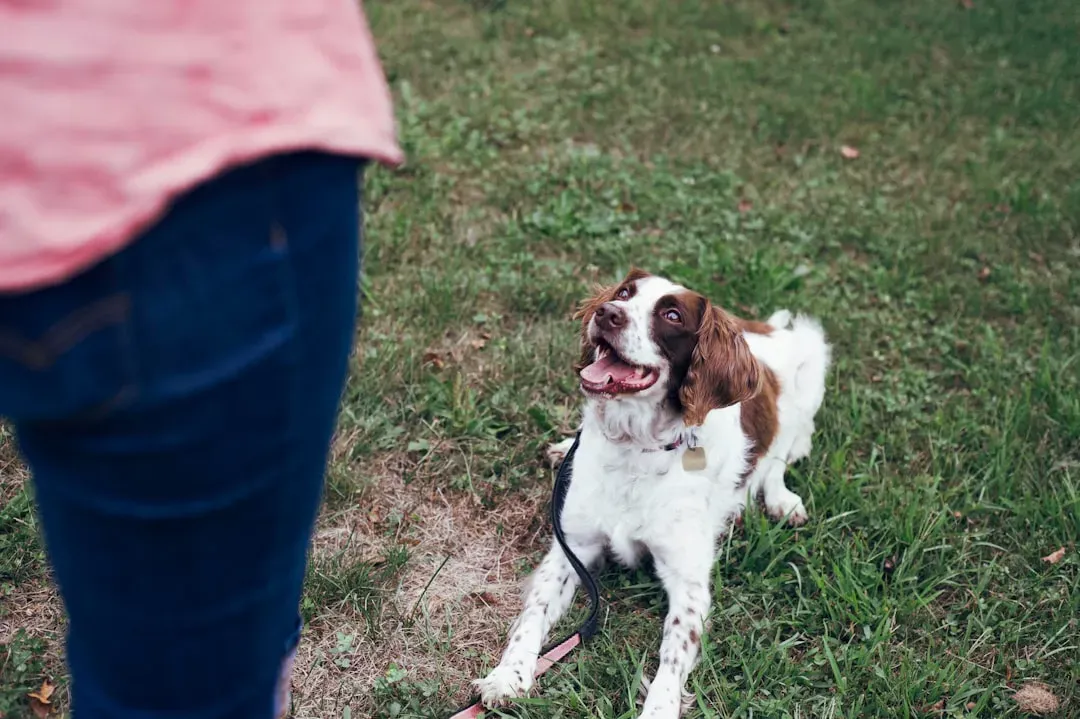
Subtle cues like a tucked tail, flattened ears, or avoiding eye contact can speak volumes about your dog’s emotional state. These body language changes often indicate anxiety or discomfort, possibly due to household tensions.
Being attuned to these non-verbal signals allows you to address their concerns promptly, ensuring they feel safe and secure despite any relationship challenges you might be facing.
8. Excessive Grooming or Itching

Obsessive licking or scratching can be more than just a skin issue; it can be a manifestation of stress. When dogs feel anxious, they might resort to excessive grooming as a self-soothing behavior.
Observing when and how often these behaviors occur can help identify stressors in their environment, including relationship conflicts, and address them accordingly.
9. House Soiling

A house-trained dog suddenly having accidents indoors can be perplexing and frustrating. However, this behavior can be linked to emotional distress. Changes in the household dynamic, especially increased tensions or arguments, can lead to such regressions.
Approaching this issue with understanding and patience, rather than punishment, is essential. Identifying and mitigating the sources of stress can help your dog return to their usual habits.
In conclusion, our dogs are deeply attuned to our emotions and the dynamics within our homes. Their behaviors often mirror the atmosphere we create. By recognizing these silent signals, we not only ensure their well-being but also gain insights into our relationships and the need for harmony. After all, if our loyal companions are feeling the strain, isn’t it time we address the root causes for everyone’s sake?


