

Imagine stepping into your backyard, only to find your beloved canine companion proudly presenting you with a lifeless bird or squirrel. While this gesture might leave you feeling unsettled, it’s essential to understand that, in the world of dogs, this act carries significant meaning. Let’s delve into the psychology behind this behavior and uncover the reasons your furry friend might be offering you such unexpected gifts.
Instinctual Roots: A Glimpse into Ancestral Behavior

Dogs, despite their domestication, retain many behaviors inherited from their wild ancestors. In the wild, canines like wolves often bring back food to their pack, especially to feed the young or those unable to hunt. This act ensures the survival and cohesion of the group. When your dog brings you a dead animal, it’s tapping into this deep-seated instinct, viewing you as a member of its pack and offering sustenance or sharing a successful hunt.
Moreover, certain breeds, especially those developed for hunting and retrieving, have a heightened propensity for this behavior. Retrievers, for instance, were bred to fetch game for hunters, making the act of bringing items back a deeply ingrained trait. Understanding this can help pet owners appreciate the natural instincts at play rather than viewing the behavior as mere mischief.
Displaying Affection: A Canine Love Language

While it might seem counterintuitive, presenting a dead animal can be a dog’s way of expressing affection. In the canine world, sharing resources is a sign of trust and camaraderie. By offering you its “prize,” your dog is essentially saying, “I care about you and want to share something valuable with you.” This gesture underscores the bond between you and your pet, highlighting the trust and love it feels.
It’s also worth noting that dogs often seek to please their owners. If, in the past, bringing objects (like toys) has elicited positive reactions, your dog might extend this behavior to other items it deems valuable, including its latest catch. Recognizing this as a form of affection can shift your perspective on the behavior.
Seeking Attention: The Desire for Interaction

Dogs are social creatures that thrive on interaction. Bringing you a dead animal can be a strategy to capture your attention. Whether it’s a call to play, a desire for praise, or simply a way to engage with you, this behavior can stem from a need for social connection. If your dog feels neglected or craves more interaction, it might resort to such actions to draw you in.
Addressing this requires ensuring your dog receives adequate mental and physical stimulation. Regular playtime, training sessions, and quality time can reduce the likelihood of attention-seeking behaviors that might be less desirable.
Resource Sharing: Teaching and Providing

In the wild, adult canines often bring back prey to teach younger members of the pack how to handle and consume food. This educational behavior ensures the survival skills are passed down through generations. When your dog presents you with a dead animal, it might be acting on this instinct, attempting to “teach” you or provide for you, especially if it perceives you as a less capable hunter.
This perspective highlights the nurturing aspect of the behavior. Your dog isn’t trying to disgust you; it’s attempting to care for you in the way it knows best. Appreciating this can foster a deeper understanding and patience towards your pet’s actions.
Preventing the Behavior: Practical Steps
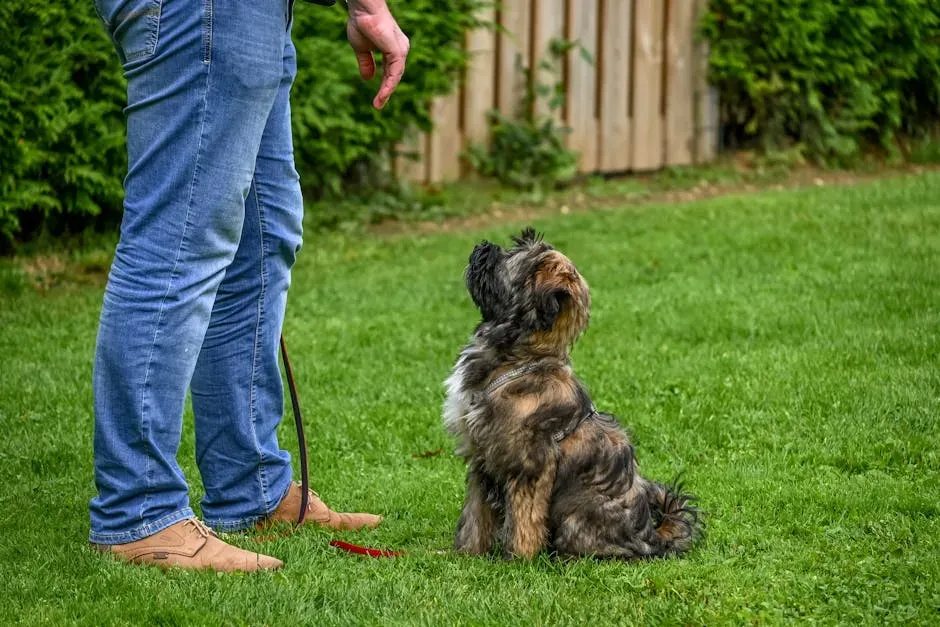
While understanding the reasons behind this behavior is crucial, many pet owners prefer to prevent it. Here are some strategies to consider:
- Supervised Outdoor Time: Keeping a close eye on your dog during outdoor activities can prevent it from capturing and bringing back animals.
- Leash Training: Using a leash during walks can help control your dog’s movements and reduce the chances of it chasing after wildlife.
- Engaging Toys and Activities: Providing stimulating toys and engaging in regular play can satisfy your dog’s hunting instincts in a controlled environment.
- Training Commands: Teaching commands like “leave it” can deter your dog from picking up unwanted items.
Implementing these measures can help redirect your dog’s natural instincts in a way that’s harmonious with your household.
Health Considerations: Protecting Your Pet
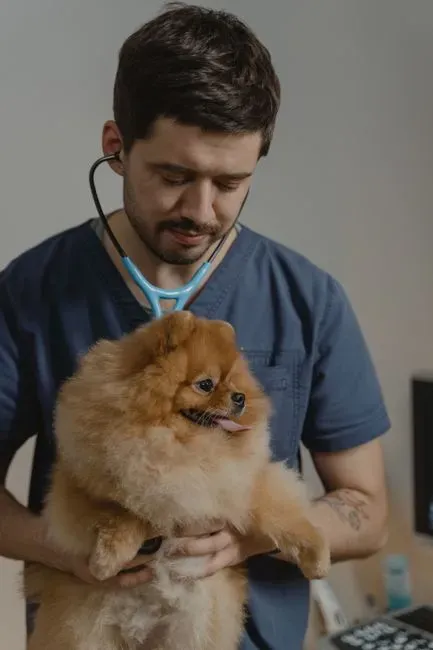
Allowing your dog to handle or consume dead animals poses health risks. Wild animals can carry parasites, bacteria, and diseases that can be transmitted to your pet. Ensuring your dog is up-to-date on vaccinations and regular veterinary check-ups is essential. Additionally, preventing access to potential prey can mitigate these risks.
Being proactive about your dog’s health not only protects it but also ensures the safety and well-being of your household.
Conclusion: Embracing the Canine Perspective
While finding a dead animal at your doorstep might be unsettling, it’s essential to view this behavior through the lens of canine psychology. Your dog isn’t trying to upset you; it’s expressing instincts, affection, and a desire to connect. By understanding and addressing the underlying reasons, you can guide your pet towards more acceptable behaviors while strengthening the bond you share. After all, isn’t it fascinating how our furry friends communicate their love in such unique ways?


