
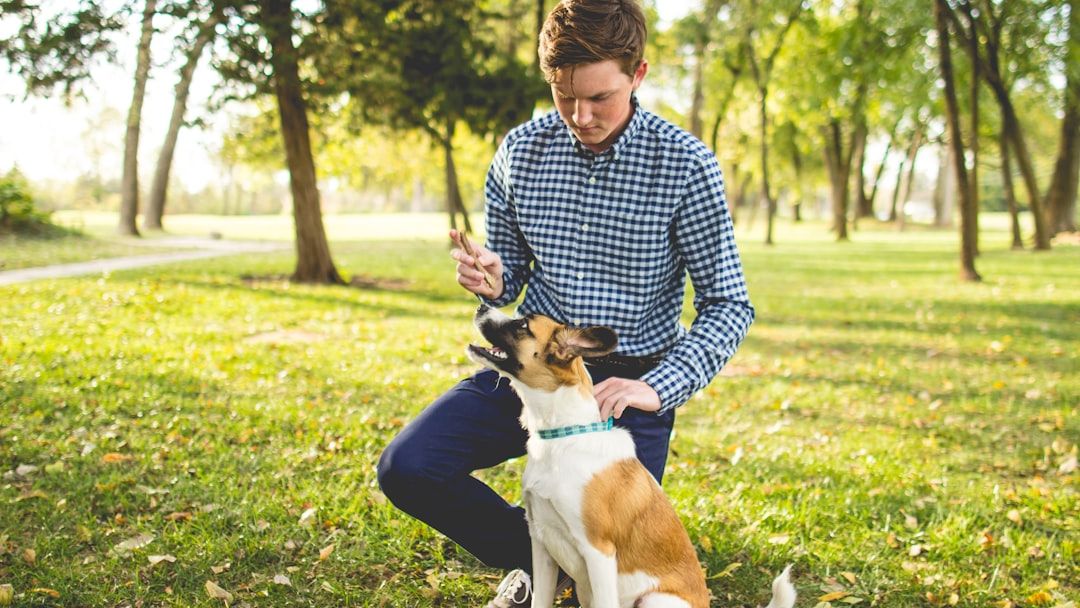
Imagine this: you’re still a block away from home, yet your dog is already at the door, tail wagging furiously, eyes fixed on the entrance. How do they know you’re almost there? It’s not magic – it’s science. Dogs possess an extraordinary ability to recognize the unique sound of their owner’s car, triggering a cascade of emotional and physiological responses even before you step inside.
The Remarkable Auditory Acuity of Dogs
Dogs have an exceptional sense of hearing, far surpassing that of humans. They can detect frequencies ranging from 40 Hz to 60,000 Hz, compared to the human range of 20 Hz to 20,000 Hz. This heightened sensitivity allows them to discern subtle differences in sounds that we might overlook.
When it comes to vehicles, dogs don’t just hear a generic engine noise; they can distinguish the specific sound patterns of their owner’s car. Factors like the engine’s rhythm, the way the tires interact with the road, and even the unique squeaks and rattles all contribute to a sound profile that becomes deeply familiar to them.
Associative Learning: Connecting Sounds to Events
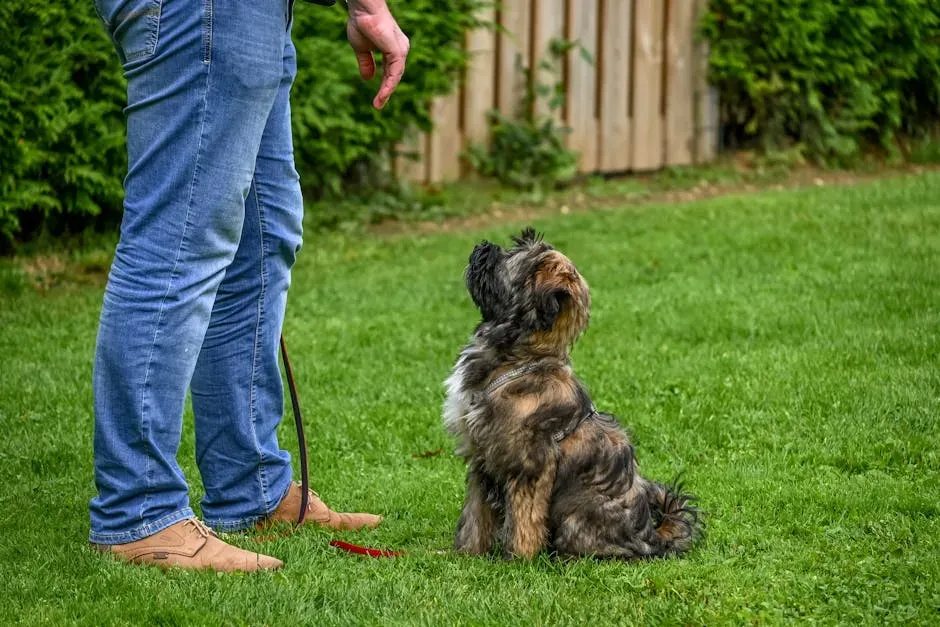
Through a process known as associative learning, dogs link specific sounds to particular outcomes. Each time your car pulls into the driveway, it precedes your arrival – a moment they eagerly anticipate. Over time, this consistent pairing reinforces the connection between the car’s sound and the joy of seeing you.
This learning isn’t limited to cars. Dogs apply the same principle to other sounds, such as the jingle of your keys or the creak of a specific floorboard, associating them with your presence or absence.
The Dopamine Rush: Anticipation and Reward
Anticipation plays a significant role in a dog’s emotional world. The sound of your car doesn’t just signal your return; it triggers a release of dopamine, a neurotransmitter associated with pleasure and reward. This chemical surge creates feelings of happiness and excitement, explaining the exuberant greetings many dogs display.
Interestingly, this dopamine release isn’t solely about the immediate joy of reunion. It’s also about the expectation of positive interactions – be it playtime, affection, or treats – that typically follow your arrival.
Beyond Sound: The Role of Scent and Routine
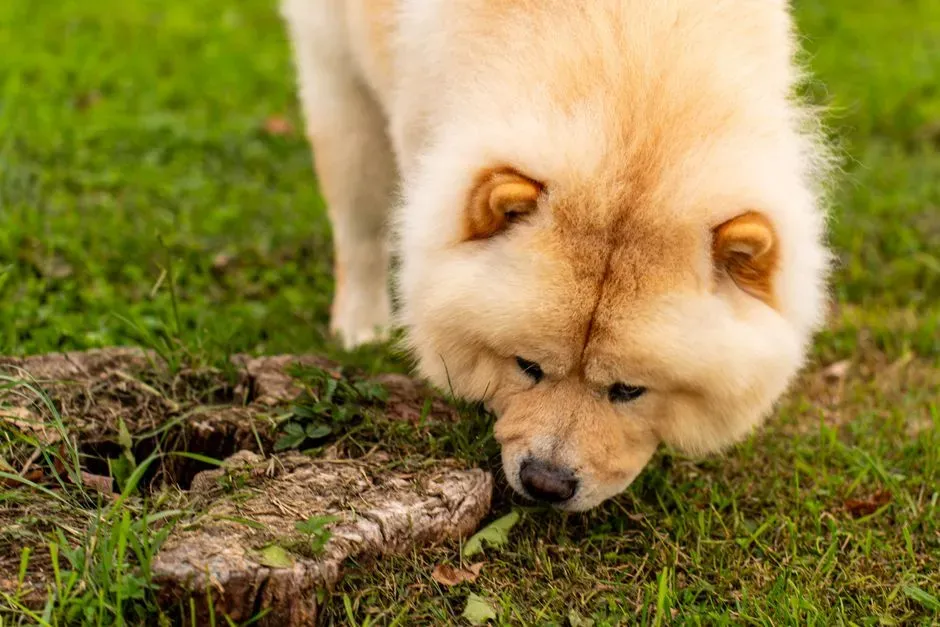
While auditory cues are paramount, dogs also rely on their acute sense of smell and understanding of routines. They might detect your scent carried by the wind as you approach or recognize the time of day you usually come home, further enhancing their anticipation.
This multi-sensory approach ensures that even if one cue is absent – say, you’re driving a different car – they can still predict your arrival through other means.
Individual Variations: Not All Dogs React the Same
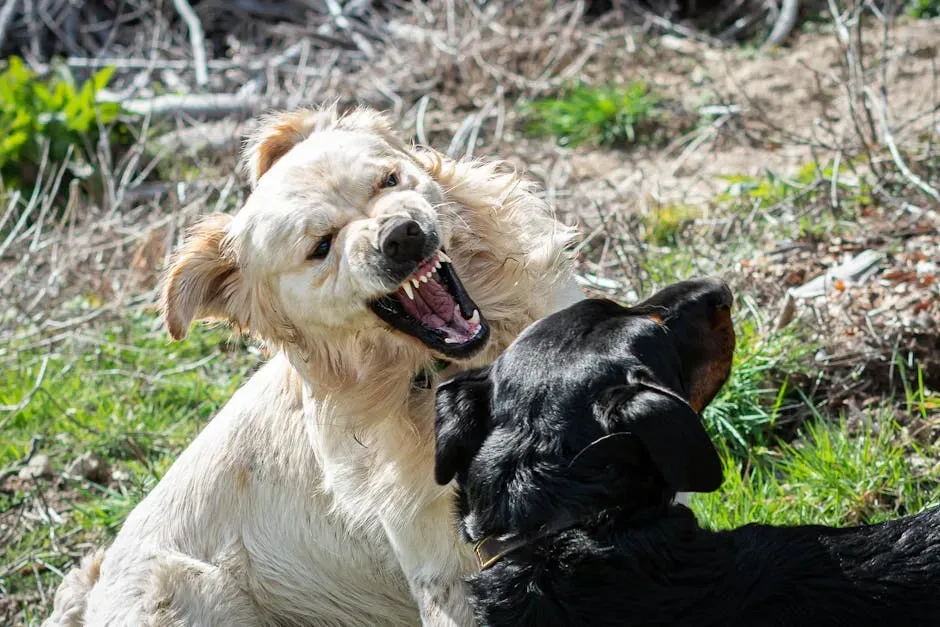
It’s important to note that not all dogs exhibit this behavior to the same degree. Factors such as breed, age, and individual temperament influence how they respond to auditory cues. Some dogs may be more attuned to sound, while others might rely more on scent or visual cues.
Additionally, dogs with hearing impairments or those who have experienced trauma may not display the same anticipatory behaviors, highlighting the diversity in canine experiences and perceptions.
Strengthening the Bond: Implications for Owners
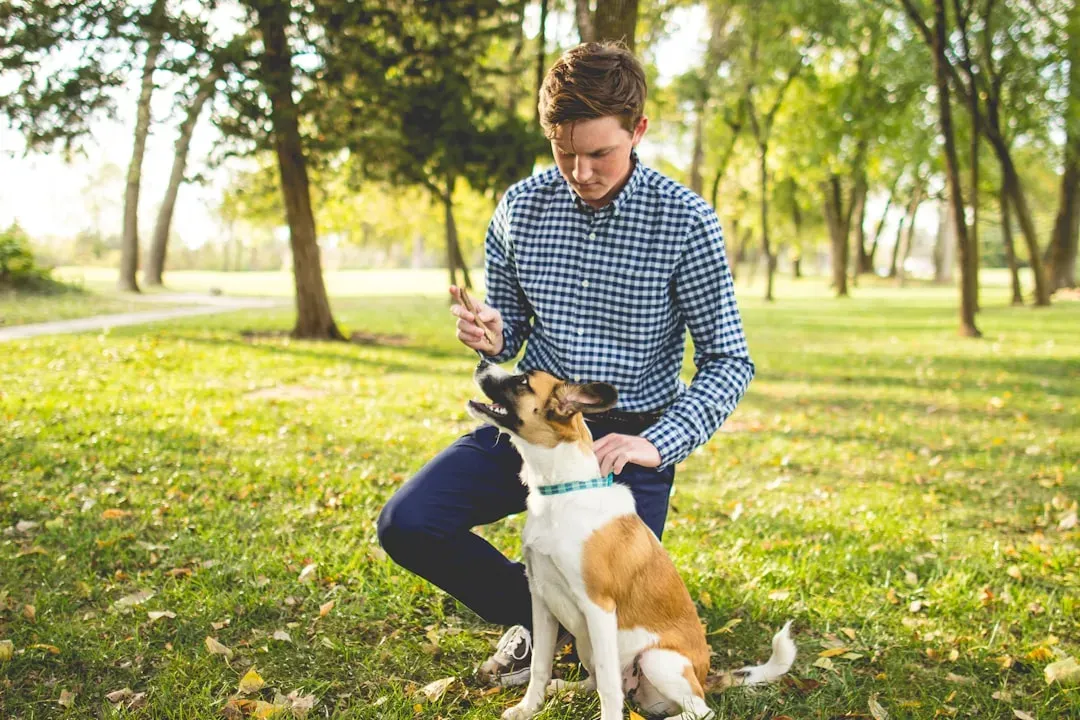
Understanding this aspect of canine psychology offers valuable insights for dog owners. Recognizing the significance of these anticipatory cues can enhance the human-dog bond. Being mindful of routines and providing consistent positive experiences upon arrival can reinforce feelings of security and happiness in your dog.
Moreover, this knowledge can aid in training and behavior modification, allowing owners to use specific sounds as cues for desired behaviors, leveraging the dog’s natural associative learning capabilities.
Conclusion: A Symphony of Senses
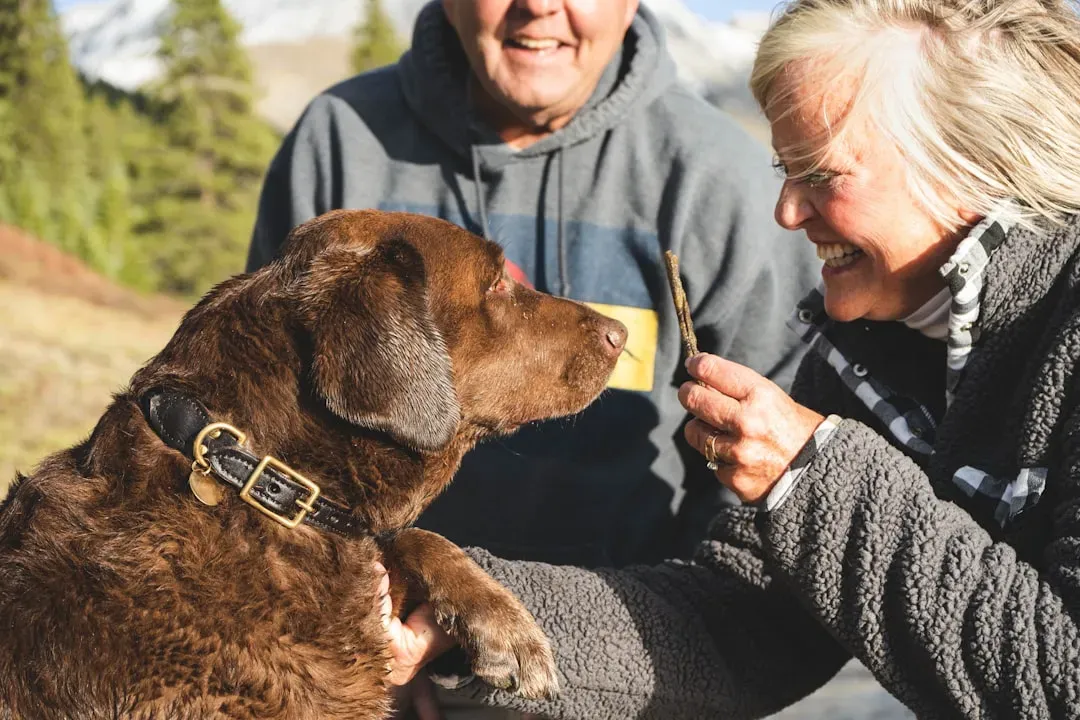
The ability of dogs to recognize the distinct sound of their owner’s car and experience a dopamine rush of anticipation is a testament to their complex sensory and emotional world. This phenomenon underscores the deep bond between humans and dogs, built on a foundation of trust, routine, and mutual affection.
So, the next time you pull into your driveway and see your dog eagerly awaiting you, remember: it’s not just about the sound of your car – it’s about the joy and love that sound represents. Isn’t it remarkable how our furry friends turn everyday moments into expressions of unwavering devotion?


