Welcoming a dog into your life after 60 can be a transformative experience, offering companionship, purpose, and even health benefits. However, choosing the right breed is crucial to ensure a harmonious relationship that complements your lifestyle. Let’s explore nine dog breeds that can enrich your golden years and four that might present challenges.
Cavalier King Charles Spaniel
Cavalier King Charles Spaniel (Image Credits: Unsplash)Imagine a gentle companion who thrives on affection and adapts seamlessly to your pace. The Cavalier King Charles Spaniel embodies this ideal. Weighing between 13 to 18 pounds, they are easy to handle and content with moderate exercise, such as leisurely walks or relaxed playtime.Their silky coats require regular brushing to maintain their luster, but their loving nature makes every grooming session a bonding experience. Cavaliers are known for their friendly disposition, making them excellent companions for seniors seeking a devoted friend.
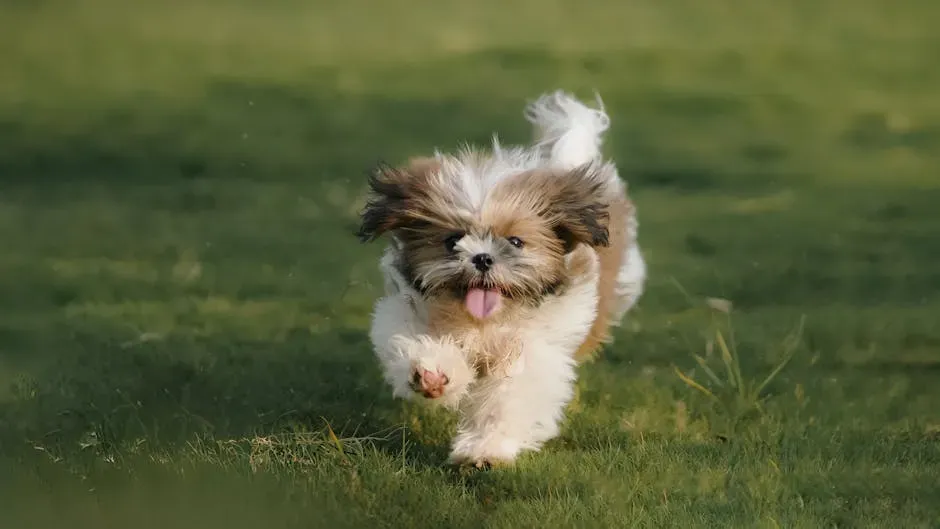
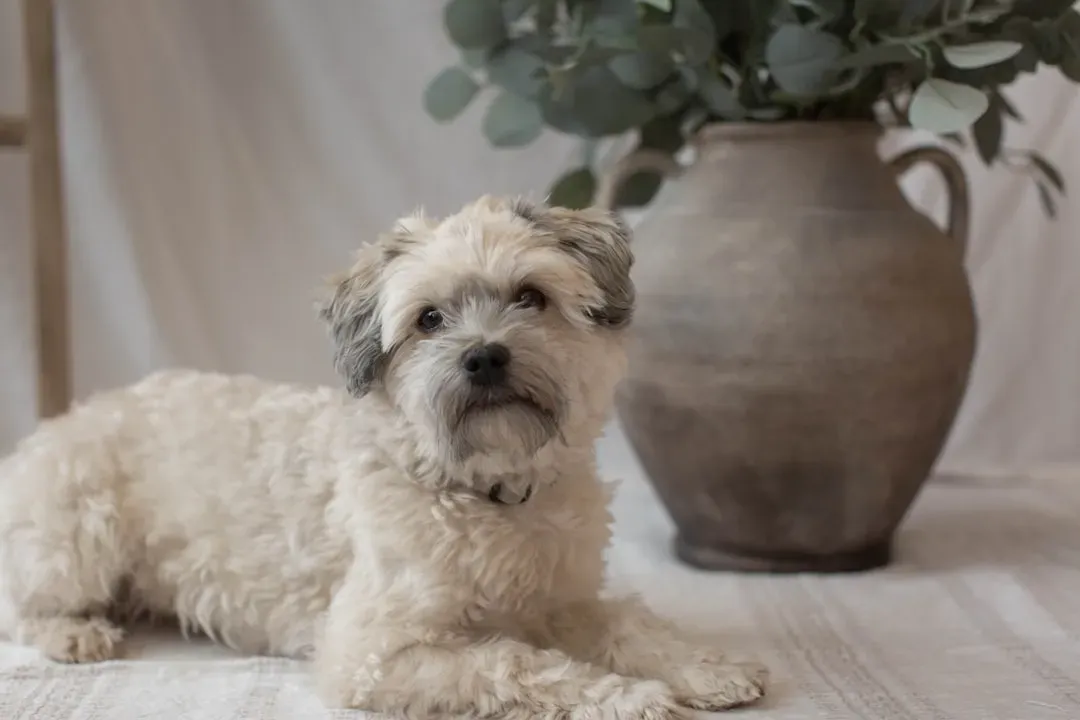
Shih Tzu
Shih Tzu (Image Credits: Pexels)Bred for companionship, Shih Tzus are affectionate lap dogs that relish close contact with their owners. Their small size, typically weighing between 9 to 16 pounds, makes them suitable for apartment living and easy to manage.While their long, flowing coats are beautiful, they do require regular grooming to prevent matting. However, many owners opt for a shorter “puppy cut” to simplify maintenance. Shih Tzus are known for their friendly and outgoing personalities, bringing joy and companionship to their owners.
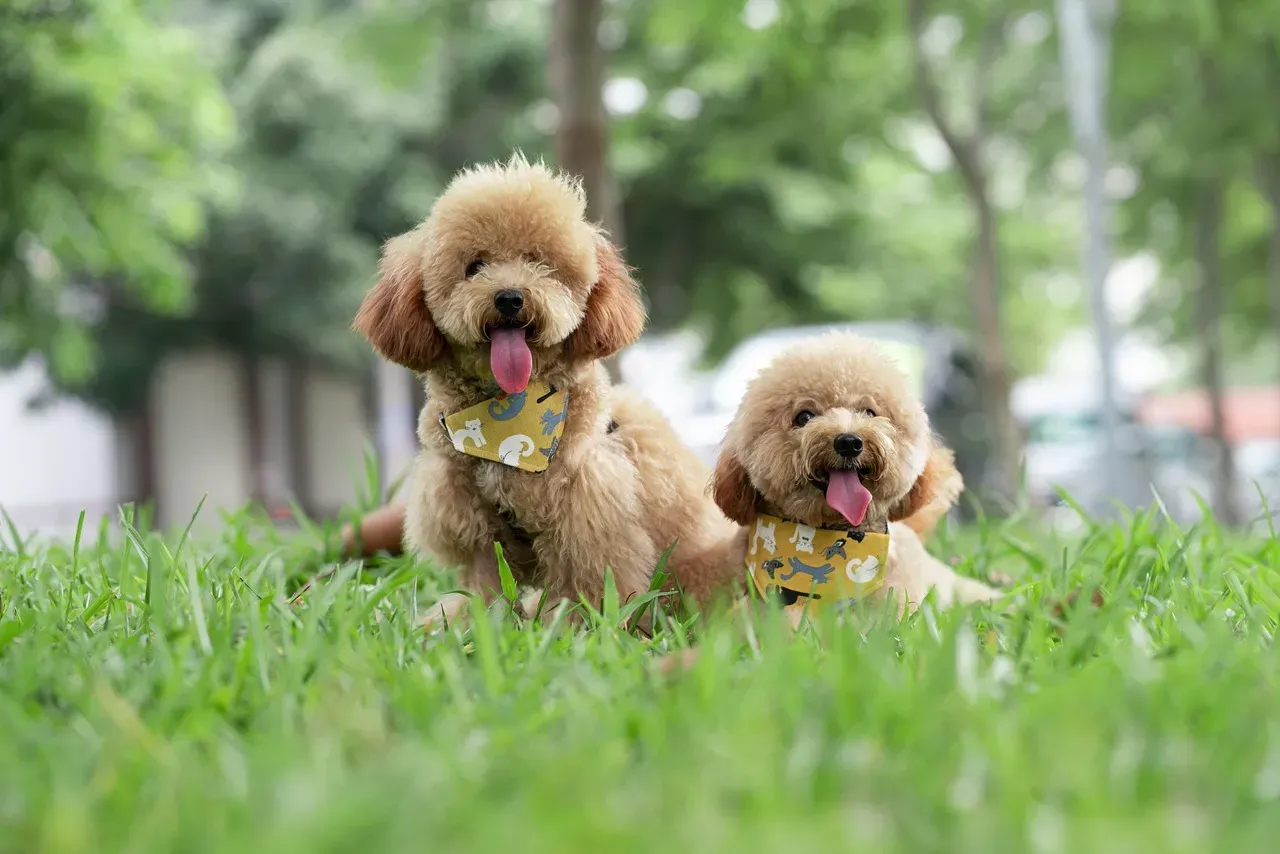
Poodle (Toy or Miniature)
Poodle (Toy or Miniature) (Image Credits: Pixabay)Poodles are renowned for their intelligence and hypoallergenic coats, making them a popular choice among seniors. Available in toy and miniature sizes, they adapt well to various living situations and are eager to please.Their curly coats require regular grooming to prevent tangles, but they shed minimally, which is beneficial for those with allergies. Poodles are also highly trainable, making them excellent companions for seniors who enjoy engaging with their pets.
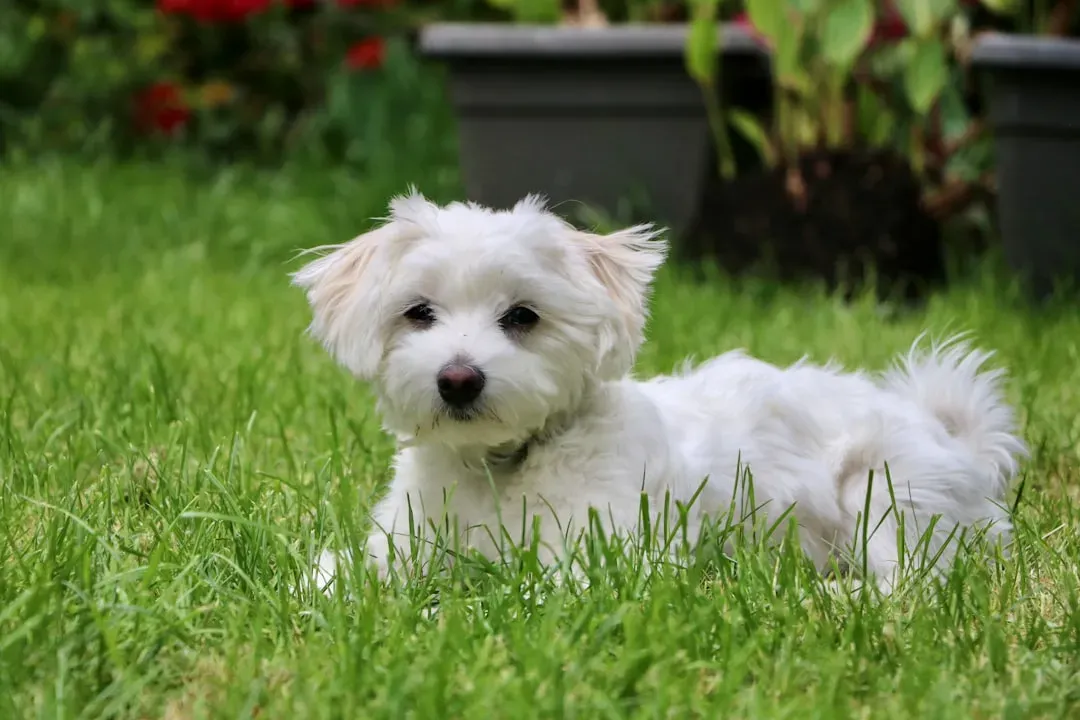
Maltese
Maltese (Image Credits: Unsplash)The Maltese is a small, gentle breed known for its affectionate nature and elegant appearance. Weighing between 4 to 7 pounds, they are easy to carry and manage, making them ideal for seniors.Their long, silky white coats require regular grooming, but their loving and playful demeanor makes the effort worthwhile. Maltese dogs are known for their loyalty and can form strong bonds with their owners, providing constant companionship.
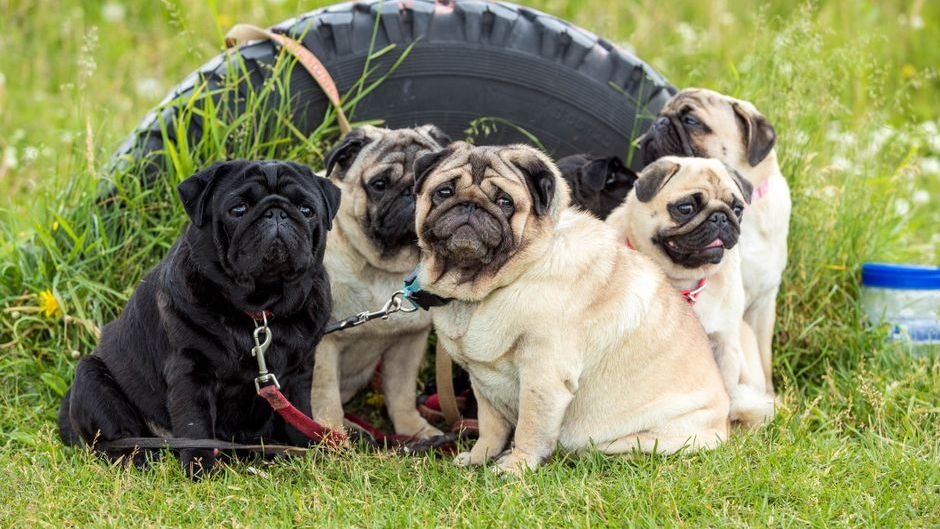
Pug
Pug (Image Credits: Pexels)Pugs are charming, affectionate dogs that thrive on human companionship. Weighing around 14 to 18 pounds, they are sturdy yet compact, making them suitable for seniors.Their short coats are low-maintenance, requiring only occasional brushing. Pugs are known for their playful and loving nature, often forming strong bonds with their owners and providing endless entertainment.
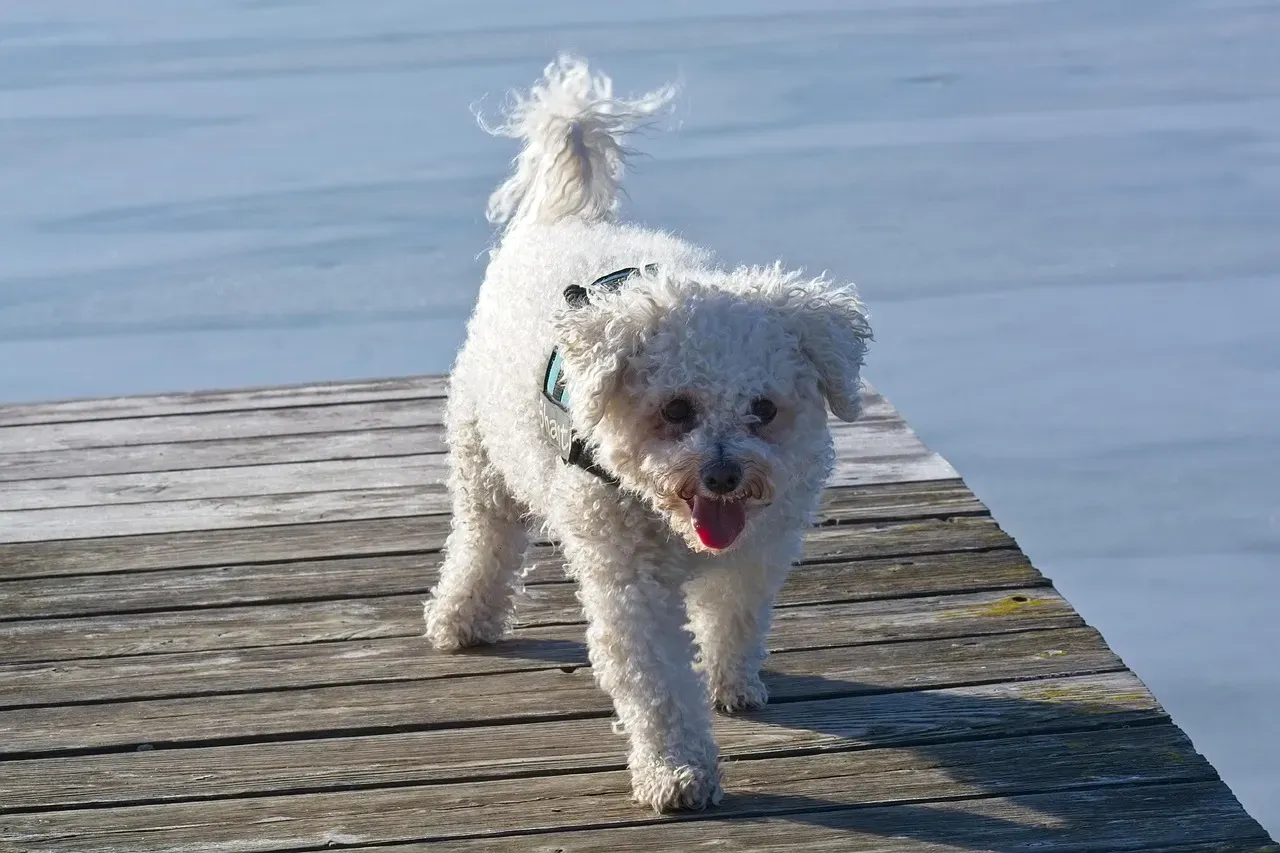
Bichon Frise
Bichon Frise (Image Credits: Pixabay)The Bichon Frise is a cheerful, small breed known for its friendly disposition and hypoallergenic coat. Weighing between 12 to 18 pounds, they are easy to handle and adapt well to various living situations.Their curly coats require regular grooming to prevent matting, but they shed minimally, which is beneficial for those with allergies. Bichons are known for their playful and affectionate nature, making them excellent companions for seniors.
Havanese
Havanese (Image Credits: Unsplash)Havanese dogs are affectionate and adaptable, making them excellent companions for seniors. Weighing between 7 to 13 pounds, they are easy to handle and enjoy being close to their owners.Their long, silky coats require regular grooming, but their friendly and outgoing personalities make them a joy to have around. Havanese dogs are known for their loyalty and can form strong bonds with their owners.
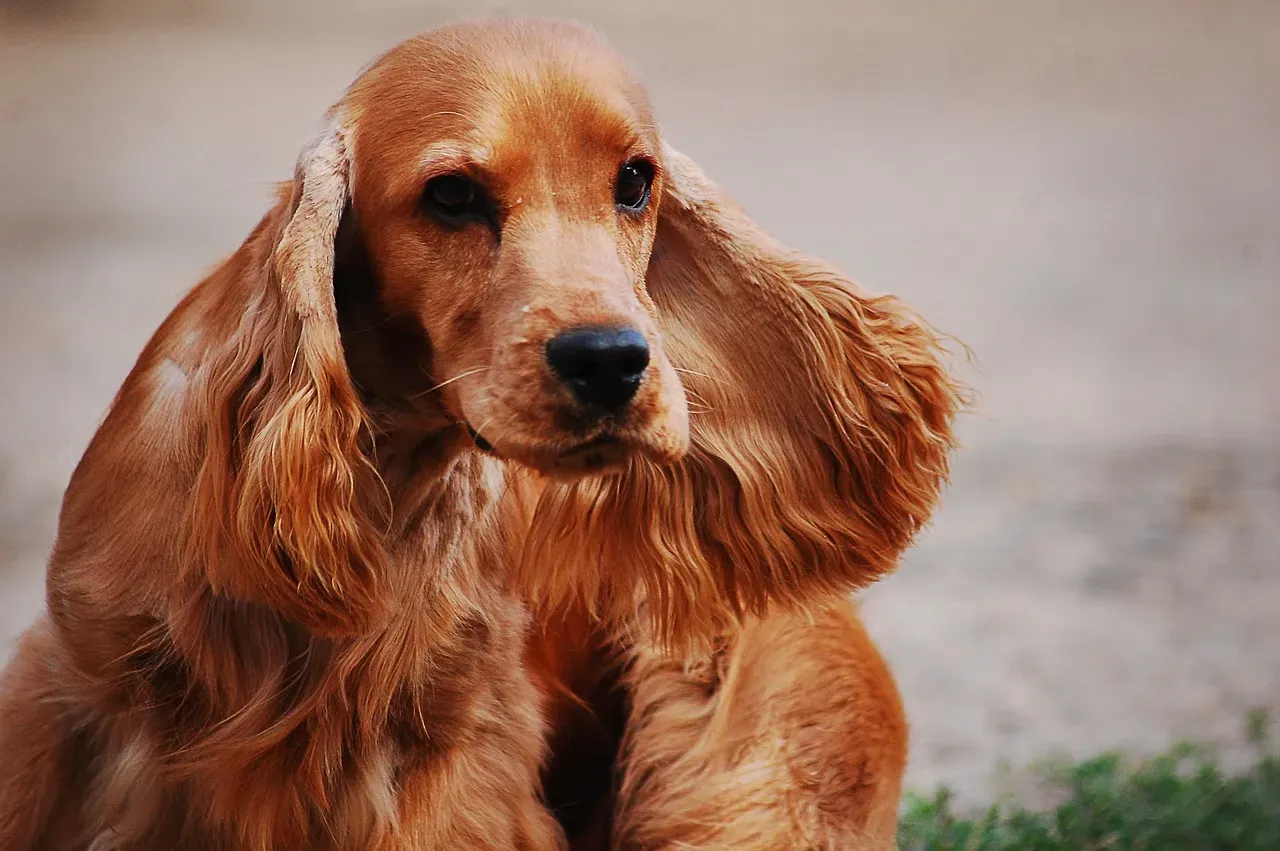
Cocker Spaniel
Cocker Spaniel (Image Credits: Pixabay)Cocker Spaniels are gentle and friendly dogs that enjoy being part of the family. Weighing between 20 to 30 pounds, they are manageable in size and enjoy regular walks and playtime.Their beautiful, soft coats require regular grooming to maintain their appearance. Cocker Spaniels are known for their affectionate nature and can be excellent companions for seniors who enjoy an active lifestyle.
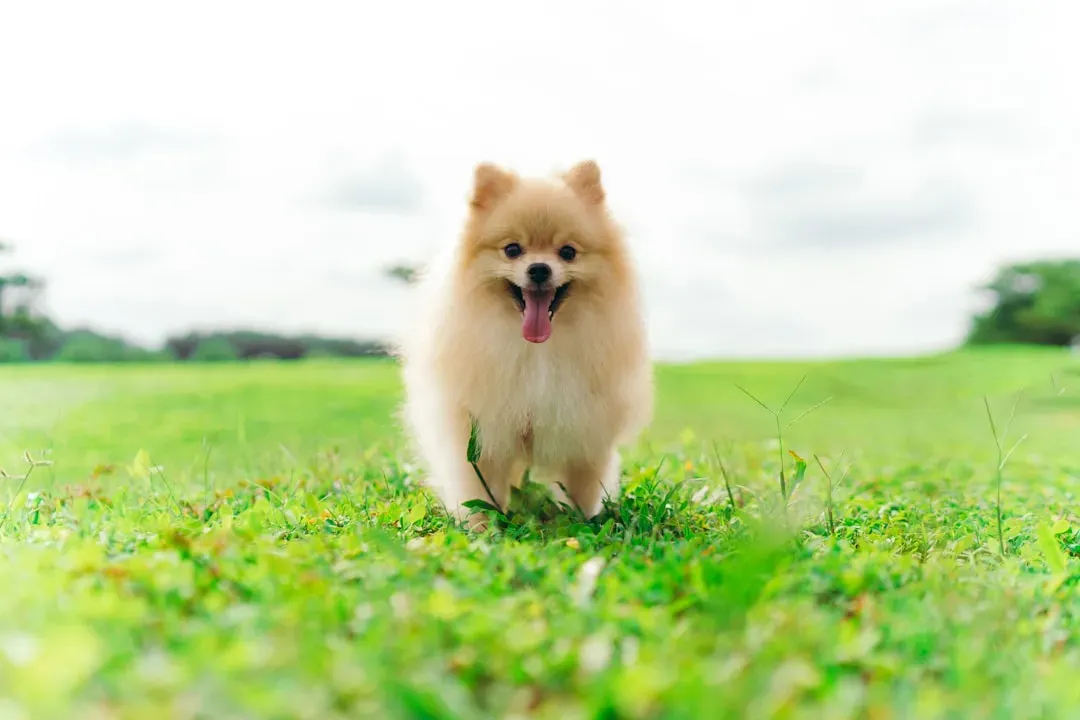
Pomeranian
Pomeranian (Image Credits: Unsplash)Pomeranians are small, lively dogs known for their fluffy coats and vibrant personalities. Weighing between 3 to 7 pounds, they are easy to carry and manage, making them suitable for seniors.Their thick coats require regular grooming to prevent matting, but their playful and affectionate nature makes them delightful companions. Pomeranians are known for their loyalty and can form strong bonds with their owners.
Breeds to Approach with Caution
Breeds to Approach with Caution (Image Credits: Pixabay)While many breeds can make wonderful companions, some may present challenges for seniors due to their size, energy levels, or care requirements. It’s essential to consider these factors to ensure a harmonious relationship.
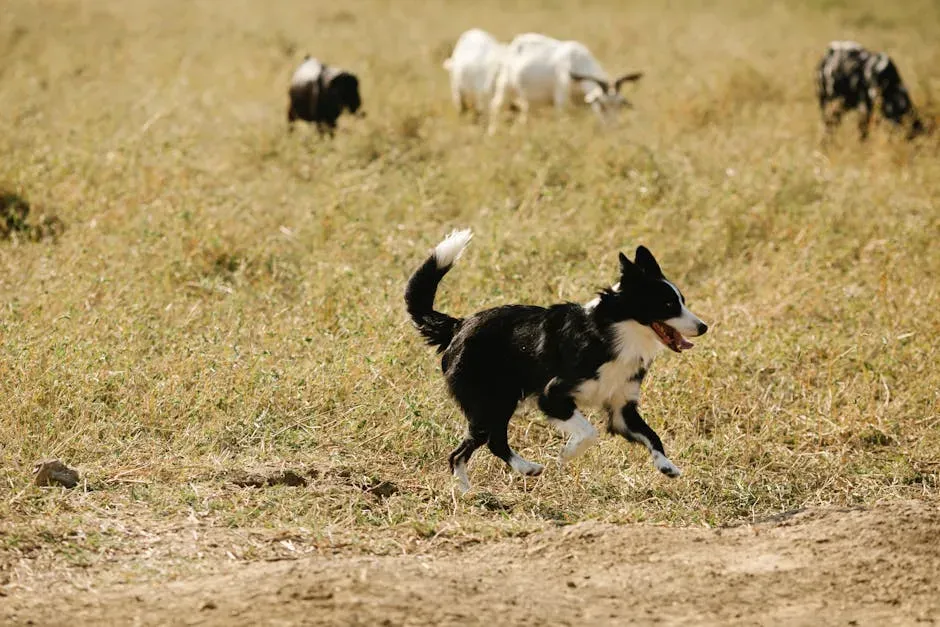
Border Collie
Border Collie (Image Credits: Pexels)Border Collies are highly intelligent and energetic dogs bred for herding. They require extensive physical and mental stimulation, which can be demanding for seniors. Without sufficient activity, they may develop behavioral issues.Their high energy levels and need for constant engagement can be overwhelming for those seeking a more relaxed companion. Additionally, their herding instincts may lead to chasing or nipping behaviors, which can be challenging to manage.
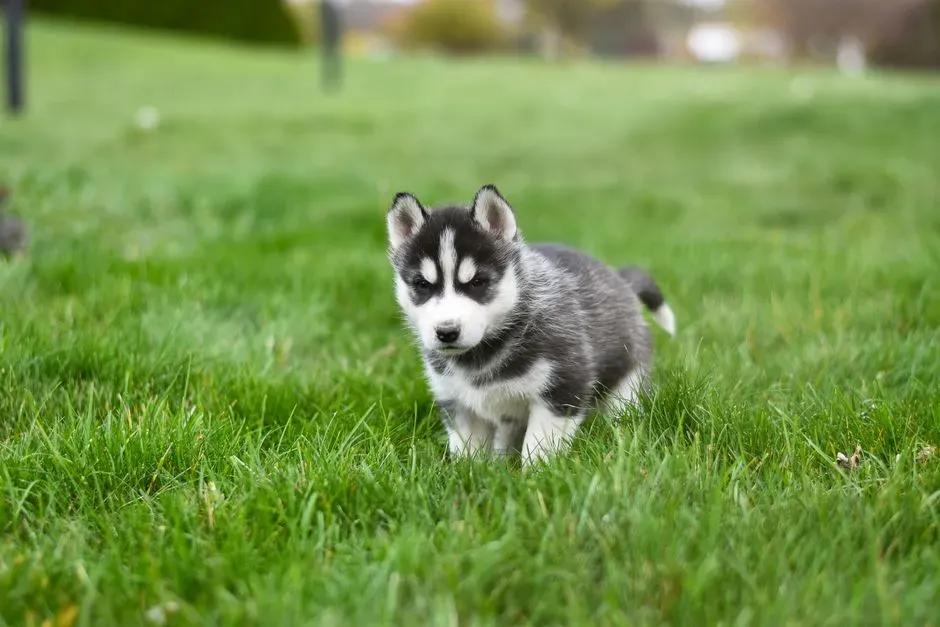
Siberian Husky
Siberian Husky (Image Credits: Pexels)Siberian Huskies are known for their strength, endurance, and high energy levels. They require significant daily exercise and mental stimulation, which can be challenging for seniors to provide consistently.Their independent nature and strong prey drive can make training more demanding. �