
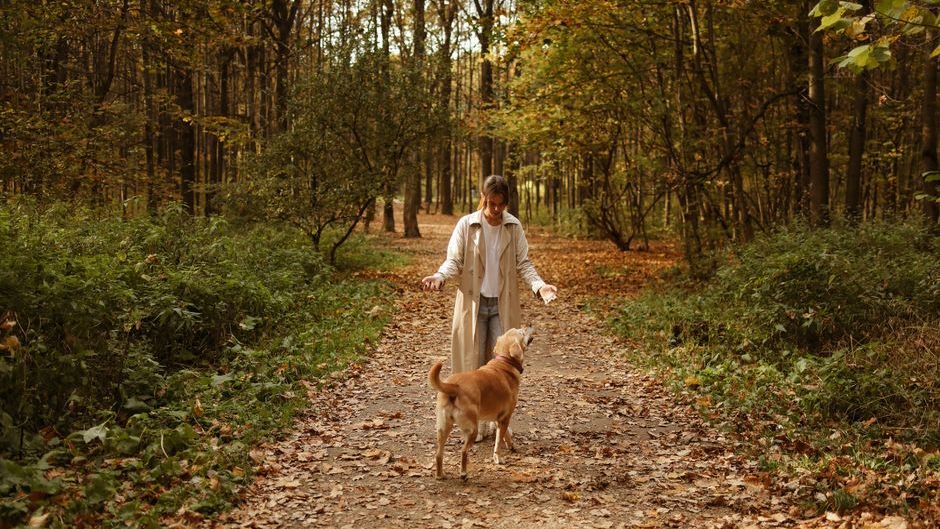
Ever noticed your dog shadowing you more than usual after you’ve had a good cry? It’s not just your imagination. This behavior isn’t merely about seeking attention or being nosy; it’s deeply rooted in your dog’s instincts and their bond with you. Let’s delve into the surprising reasons behind this phenomenon.
Dogs Are Masters at Reading Human Emotions
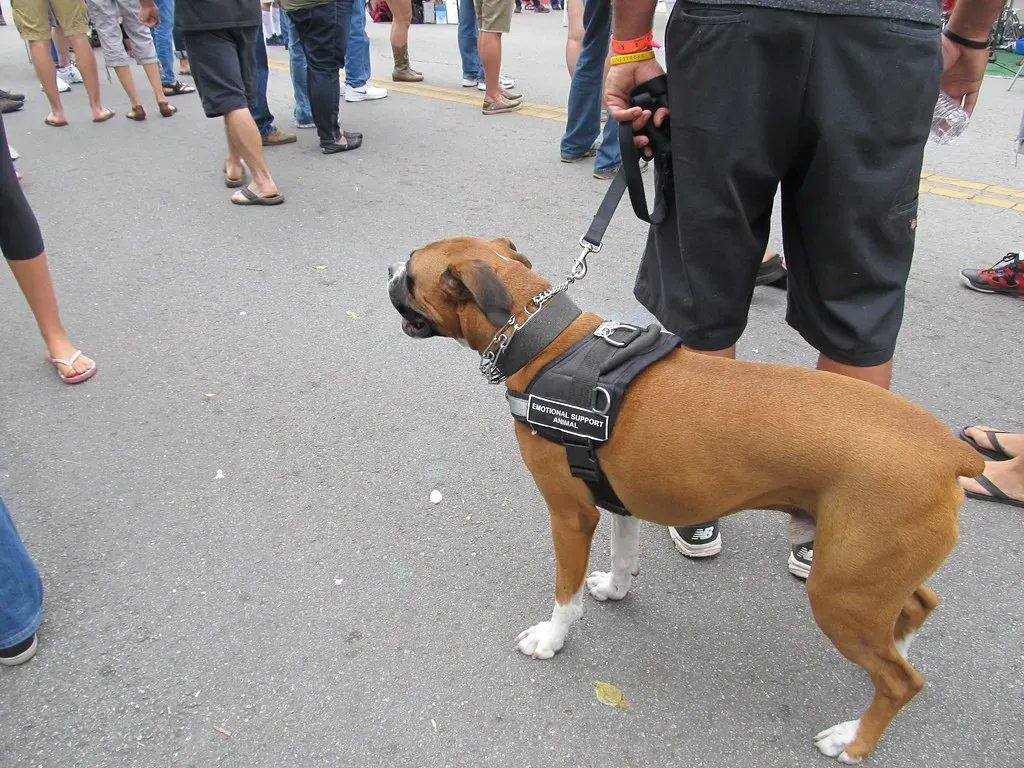
Dogs possess an uncanny ability to pick up on human emotions. They can sense subtle changes in our body language, tone of voice, and even our scent. When you’re upset, your body releases different chemicals, and your dog can detect these changes. This heightened sensitivity allows them to respond to your emotional state, often leading them to stay close to offer comfort.
Research has shown that dogs can differentiate between various human emotions and often adjust their behavior accordingly. So, when you’re feeling down, your dog isn’t just reacting to your tears but to the entire emotional shift you’re experiencing.
Instinctual Pack Behavior Drives Their Actions

In the wild, dogs are pack animals that rely on each other for survival. This pack mentality means they are attuned to the well-being of their fellow pack members. When a member appears distressed, it’s natural for others to offer support and protection. Your domesticated dog retains this instinct, viewing you as a crucial member of their pack.
Therefore, when you’re upset, your dog feels compelled to stay close, ensuring you’re safe and offering the support they instinctively know you need. This behavior isn’t about dependency but about fulfilling their role within the pack structure.
Seeking Reassurance and Providing Comfort
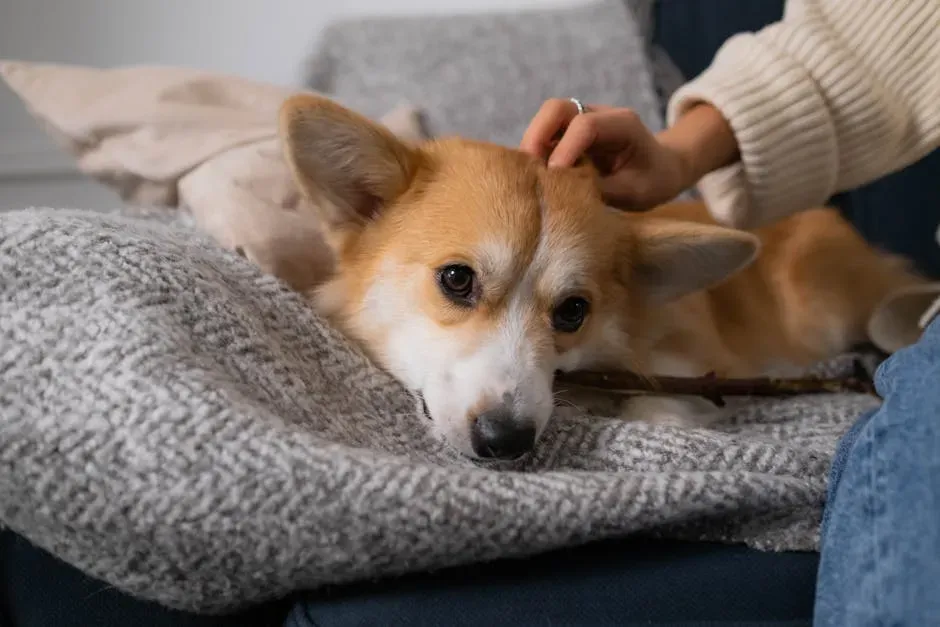
Just as humans seek comfort from loved ones during tough times, dogs do the same. They might follow you closely after sensing your distress to both offer and receive reassurance. This mutual exchange strengthens the bond between you and your furry friend.
By staying near, your dog is not only trying to comfort you but also seeking confirmation that everything is okay. This behavior underscores the deep emotional connection and mutual support system that exists between dogs and their owners.
Learned Behavior and Positive Reinforcement
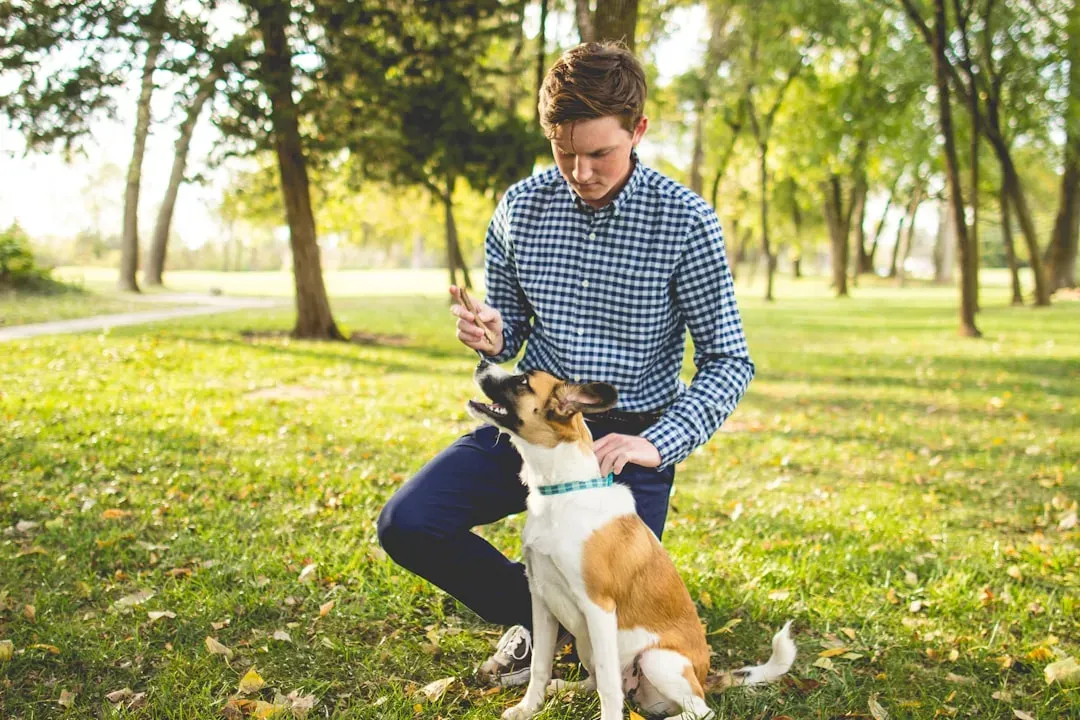
Over time, dogs learn to associate certain behaviors with specific outcomes. If, after you’ve been upset, you tend to cuddle or spend more time with your dog, they might start following you more closely during these times, anticipating positive interactions.
This learned behavior means that your dog isn’t just reacting to your emotions but also to the patterns of behavior that have been established over time. They’re seeking the comfort and attention they know often follows your moments of distress.
Heightened Sensory Perception Plays a Role

Dogs have an extraordinary sense of smell and hearing. They can detect changes in your breathing patterns, heart rate, and even the chemical composition of your sweat when you’re emotional. These sensory cues alert them to your emotional state, prompting them to stay close.
This heightened perception means that even if you’re trying to hide your emotions, your dog is likely aware of them. Their proximity is a response to the sensory information they’re processing, aiming to be there for you when you need them most.
Protective Instincts Kick In
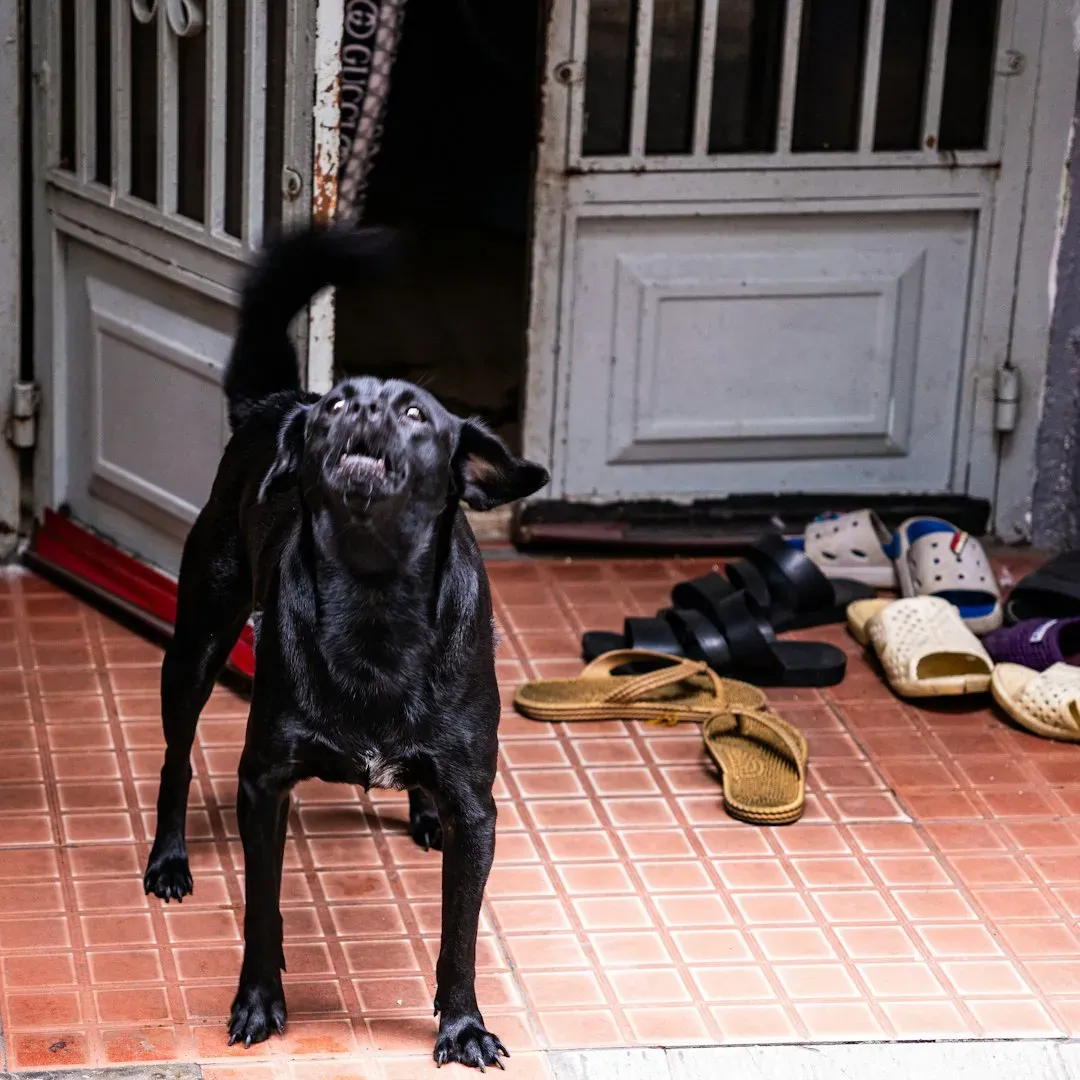
Many dogs have a natural protective instinct towards their owners. When they sense you’re vulnerable, this instinct becomes more pronounced. Following you from room to room is their way of ensuring you’re safe and protected during your time of distress.
This protective behavior is especially common in breeds known for their guarding tendencies. However, even the most docile dogs can exhibit this behavior, driven by their deep bond and commitment to your well-being.
Conclusion: A Testament to the Deep Bond Between Humans and Dogs

Your dog’s increased attentiveness after you’ve been crying is a testament to the profound bond you share. It’s a combination of instinct, learned behavior, and genuine concern for your well-being. So, the next time your furry friend shadows you during an emotional moment, remember it’s their way of saying, “I’m here for you.” Isn’t it comforting to know that your dog truly understands and cares for you in ways you might not have realized?


