

Imagine this: your loyal canine companion, who has always curled up at the foot of your bed, suddenly opts for the solitude of the living room couch. This unexpected change can be puzzling, even concerning. But before jumping to conclusions, it’s essential to understand the underlying reasons behind this behavior.
Unveiling Hidden Joint Pain
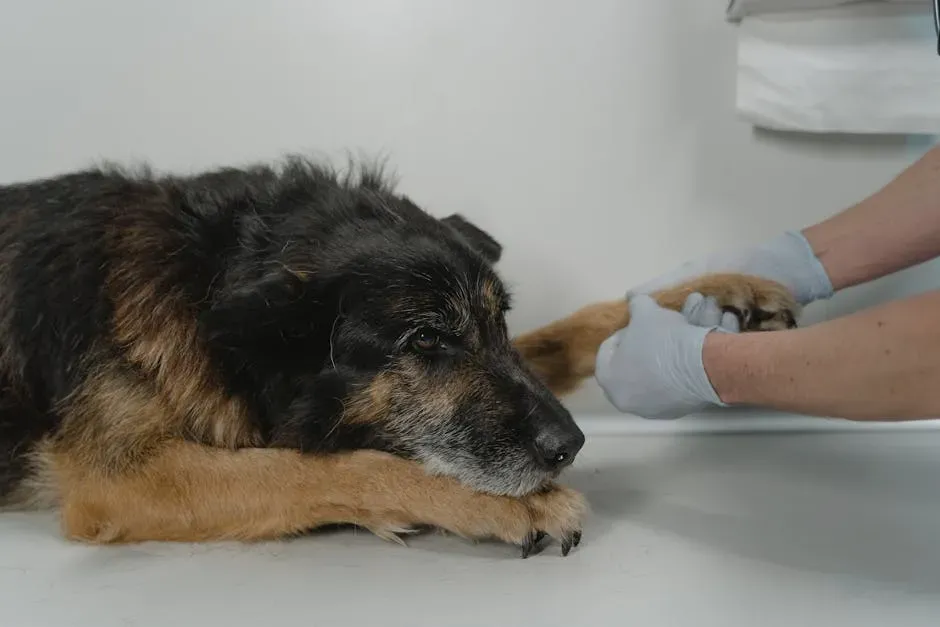
Dogs are masters at masking discomfort. A sudden change in sleeping location might be their subtle way of seeking relief. Hard surfaces or cooler areas can alleviate joint pain, especially in breeds prone to arthritis. If your dog avoids stairs or hesitates before jumping onto furniture, it’s time to consult your veterinarian.
Early detection is crucial. Addressing joint issues promptly can enhance your dog’s quality of life, ensuring they remain active and comfortable as they age.
The Inevitable March of Time
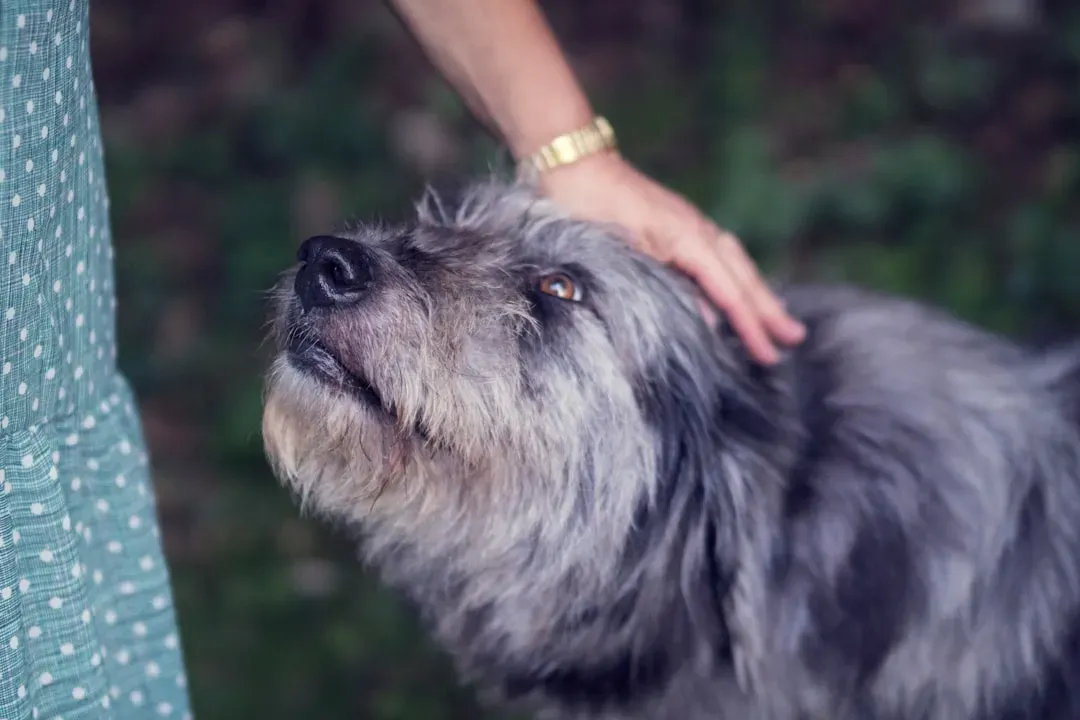
Aging brings about numerous changes in our furry friends. As dogs grow older, their sleep patterns and preferences can shift. They might seek quieter, more secluded spots to rest, away from household hustle and bustle.
Understanding and accommodating these changes can make a significant difference. Providing orthopedic beds or ensuring their chosen sleeping area is easily accessible can offer the comfort they seek.
Temperature Sensitivity and Seasonal Shifts

Dogs are sensitive to temperature fluctuations. During warmer months, they might gravitate towards cooler areas, like tiled floors or breezy hallways. Conversely, in colder seasons, they may seek out warmer, cozier spots.
Observing these patterns can help you adjust your home’s environment to suit your dog’s comfort, ensuring they remain content regardless of the season.
Seeking Solitude: A Sign of Overstimulation
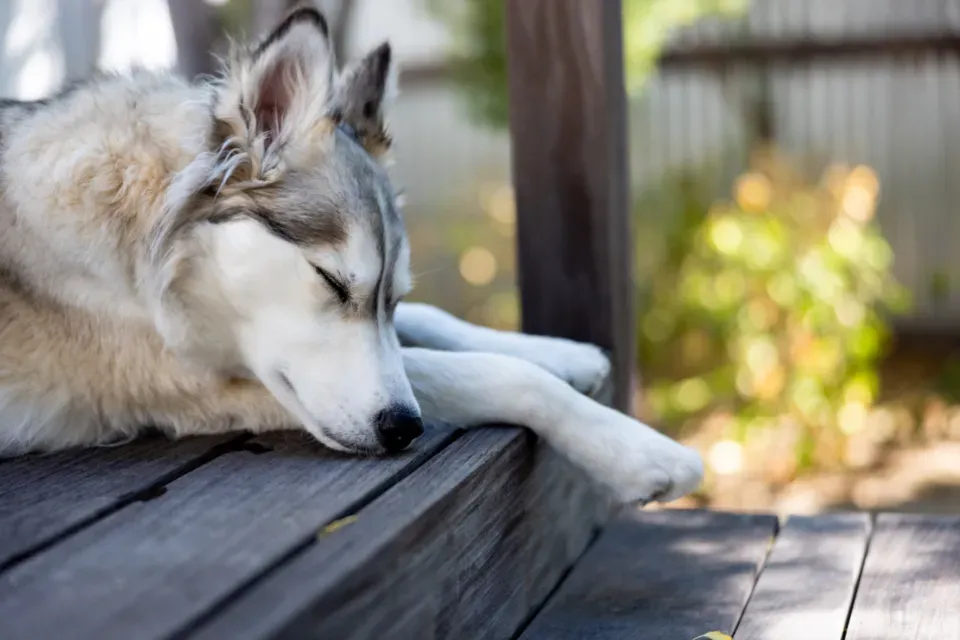
Just like humans, dogs can become overstimulated. A bustling household, loud noises, or frequent visitors can lead them to seek refuge in quieter areas. This behavior isn’t necessarily a cause for concern but rather a coping mechanism.
Ensuring your dog has a designated quiet space can help them manage stress and maintain their well-being.
Health Concerns Beyond Joint Pain

While joint pain is a common culprit, other health issues can prompt changes in sleeping habits. Illnesses, discomfort, or even cognitive decline can lead dogs to alter their routines.
Regular veterinary check-ups are essential. They can help identify and address potential health concerns before they become more serious.
Environmental Changes and Their Impact
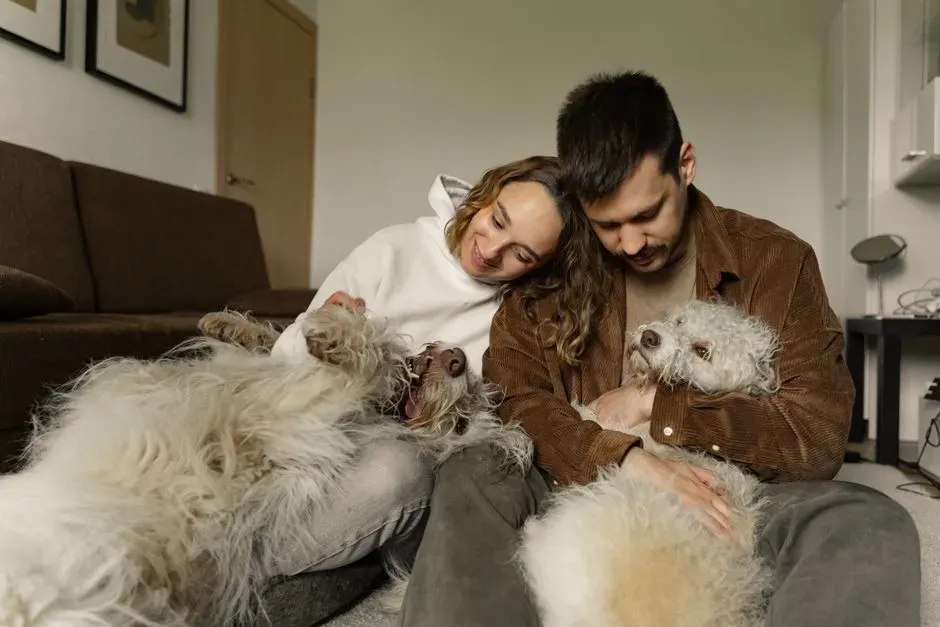
Changes within the household, such as new furniture, renovations, or the addition of new family members (human or animal), can influence a dog’s behavior. They might choose a different sleeping spot in response to these changes.
Being mindful of how environmental shifts affect your dog can help you make adjustments to ensure their comfort and security.
When to Seek Professional Advice

If your dog’s change in sleeping habits is accompanied by other concerning signs – like decreased appetite, lethargy, or behavioral changes – it’s time to consult a veterinarian. Early intervention can make a significant difference in addressing potential health issues.
Remember, our dogs rely on us to interpret their behaviors and ensure their well-being. Staying attuned to their needs and seeking professional advice when necessary is paramount.
In conclusion, while a sudden change in your dog’s sleeping location can be disconcerting, it’s often their way of communicating discomfort or adapting to environmental factors. By understanding and addressing these cues, we can ensure our beloved companions remain happy, healthy, and comfortable. After all, isn’t that what we all want for our furry friends?


