Dogs have an uncanny ability to sense our emotions, often before we’re fully aware of them ourselves. Their deep bond with humans allows them to pick up on subtle cues, signaling their understanding and empathy. Here are eight silent signals your dog might display when they sense you’re about to cry, even before you feel the tears.
1. Unusual Clinginess
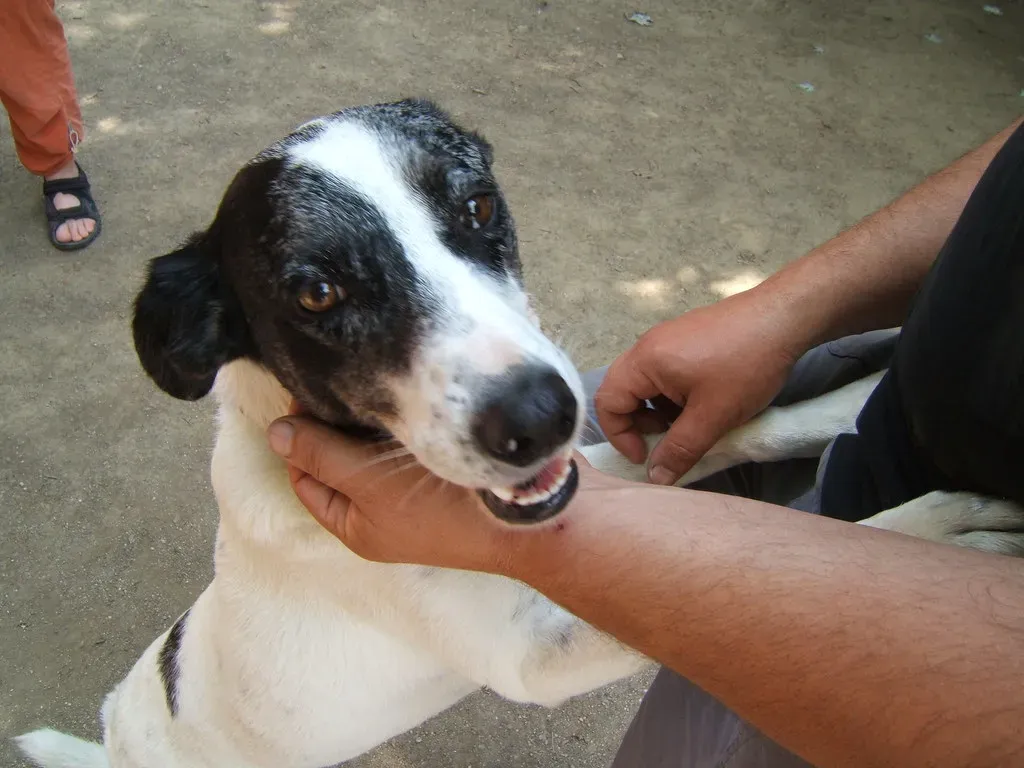
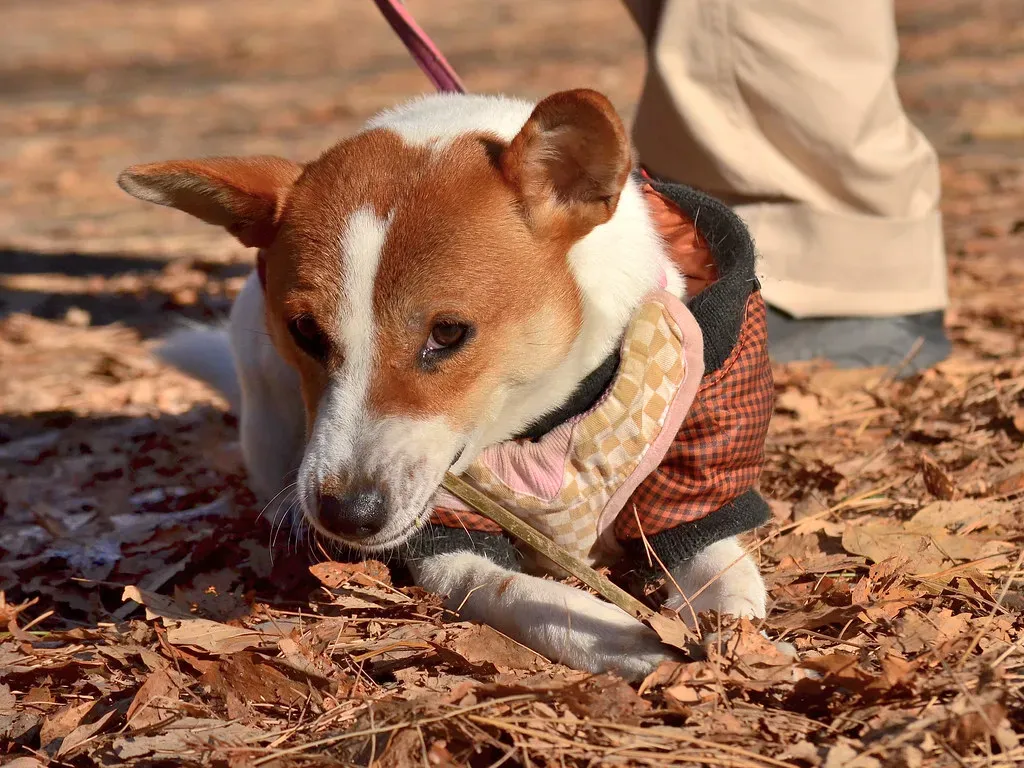
1. Unusual Clinginess (Joan M.D., Flickr, CC BY-SA 2.0)If your dog suddenly becomes more attached, following you from room to room or insisting on physical contact, they might be sensing a shift in your emotional state. This behavior is their way of offering comfort and staying close during times of distress.Dogs are highly attuned to changes in their owner’s behavior and mood. When they detect sadness or anxiety, their instinct is to provide support, often by staying physically close.
2. Intense Staring
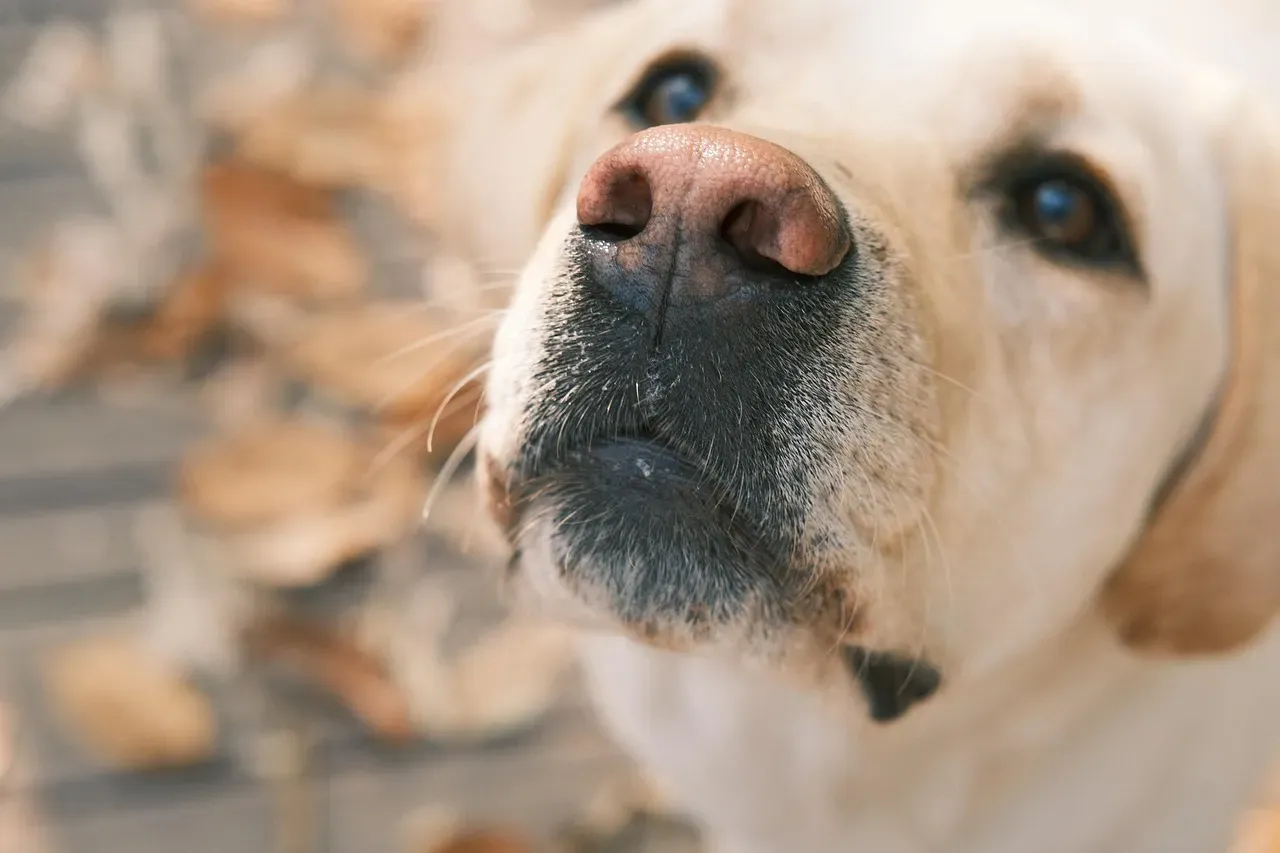
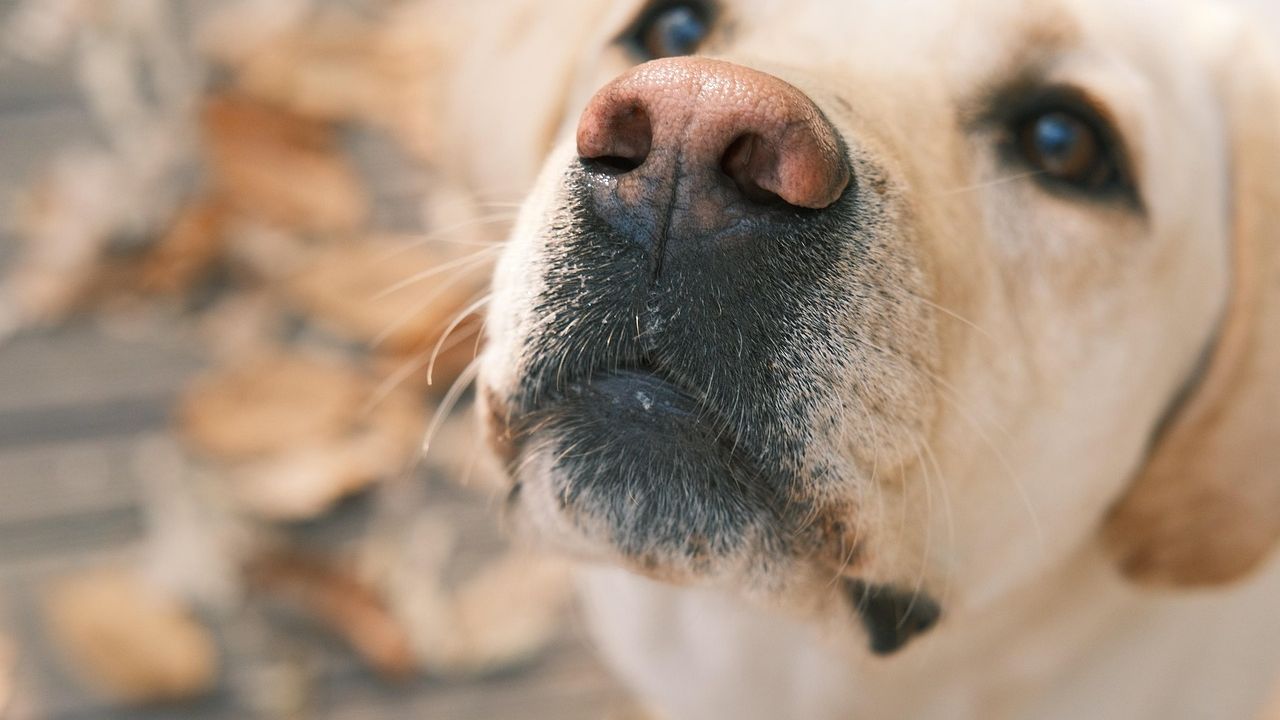
2. Intense Staring (Image Credits: Pixabay)Your dog may fixate their gaze on you, watching your every move with heightened attention. This intense staring is their way of monitoring your emotional state and preparing to respond to any signs of distress.Dogs use eye contact to communicate and connect with their owners. By maintaining a steady gaze, they’re expressing concern and readiness to offer comfort.
3. Subtle Whining or Whimpering
3. Subtle Whining or Whimpering (Image Credits: Pexels)A soft whine or whimper, seemingly out of nowhere, can be your dog’s way of expressing empathy. They might be picking up on your internal turmoil and vocalizing their concern.Dogs often use vocalizations to communicate their feelings. When they sense your sadness, a gentle whine can be their attempt to connect and console you.
4. Bringing You Their Favorite Toy
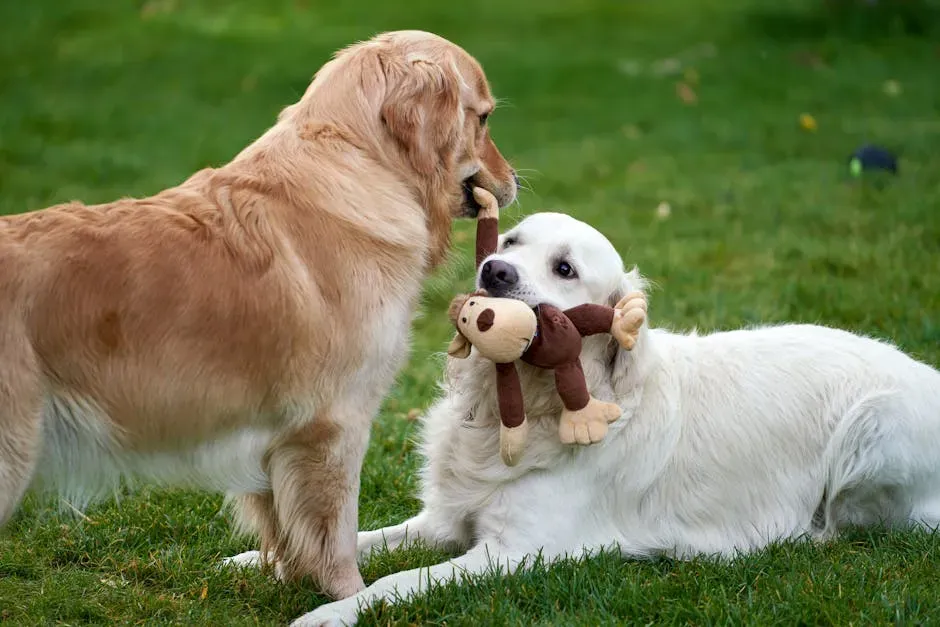
4. Bringing You Their Favorite Toy (Image Credits: Pexels)Offering you their cherished toy is a dog’s way of trying to cheer you up. They associate their toys with happiness and play, and by sharing them, they’re attempting to lift your spirits.This behavior showcases their desire to engage you in positive activities, hoping to distract you from your sadness and bring joy into the moment.
5. Licking Your Face or Hands
5. Licking Your Face or Hands (Image Credits: Pexels)Excessive licking, especially directed at your face or hands, is a comforting gesture. Dogs use licking as a way to soothe and bond, and when they sense you’re upset, they may increase this behavior.This act is rooted in their nurturing instincts, aiming to provide reassurance and comfort during your emotional moments.
6. Resting Their Head on You
6. Resting Their Head on You (Image Credits: Pexels)Gently placing their head on your lap or shoulder is a dog’s way of offering silent support. This close contact is meant to provide comfort and show solidarity during your emotional times.Physical touch is a powerful communicator for dogs, and by resting their head on you, they’re expressing empathy and a desire to be close.
7. Pacing or Restlessness
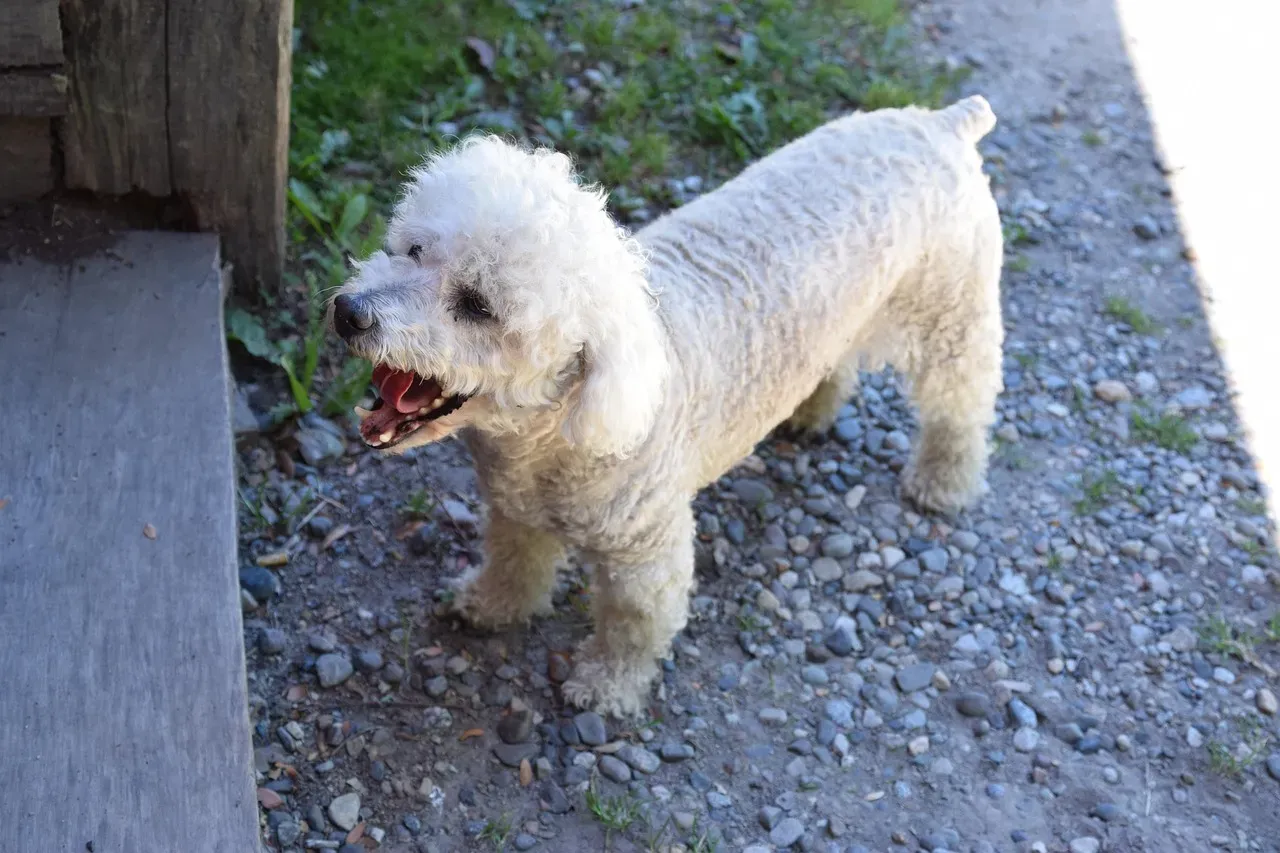
7. Pacing or Restlessness (Dakiny, Flickr, CC BY 2.0)If your dog becomes unusually restless, pacing back and forth or unable to settle, they might be reacting to the emotional tension they sense from you. This behavior reflects their concern and uncertainty about how to help.Dogs often mirror their owner’s emotions, and your anxiety or sadness can manifest in their restless behavior as they try to process and respond to your feelings.
8. Yawning or Lip Licking
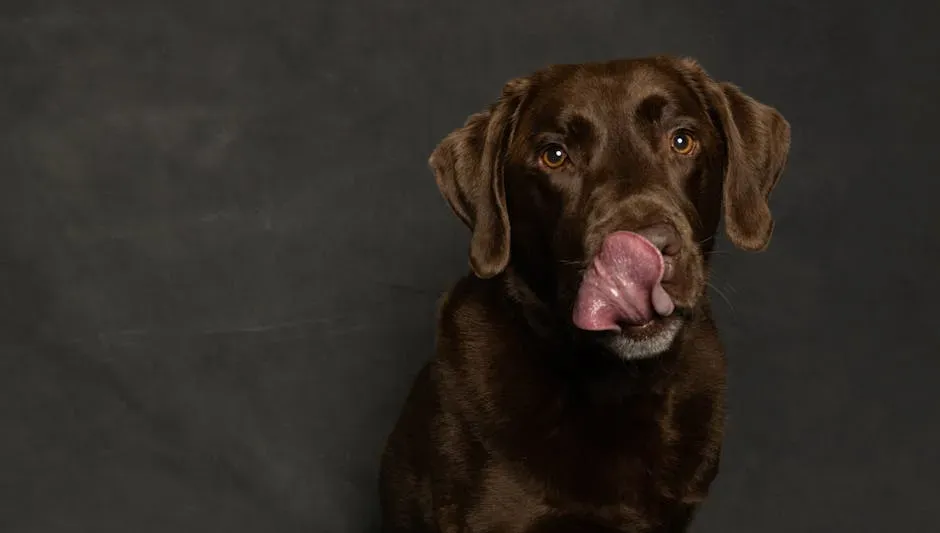
8. Yawning or Lip Licking (Image Credits: Pixabay)Frequent yawning or lip licking, especially in non-stressful situations, can be signs of anxiety in dogs. When they sense your impending tears, these behaviors may increase as they empathize with your emotional state.These subtle cues indicate that your dog is picking up on your distress and is experiencing their own form of anxiety in response.In conclusion, our canine companions are incredibly perceptive to our emotions, often sensing our sadness before we do. Their silent signals are their way of offering comfort and support, showcasing the deep bond we share. Recognizing these behaviors not only highlights their empathy but also reminds us of the profound connection between humans and dogs. So, the next time your dog exhibits these signs, take a moment to appreciate their intuitive nature and the comfort they provide.