
Ever been jolted awake by a tiny dog’s ear-piercing bark? It’s astonishing how such small creatures can produce such formidable noise. While their size might suggest otherwise, certain small dog breeds are notorious for their relentless barking. Let’s delve into ten pint-sized pups whose vocalizations can test even the most patient souls.
Chihuahua
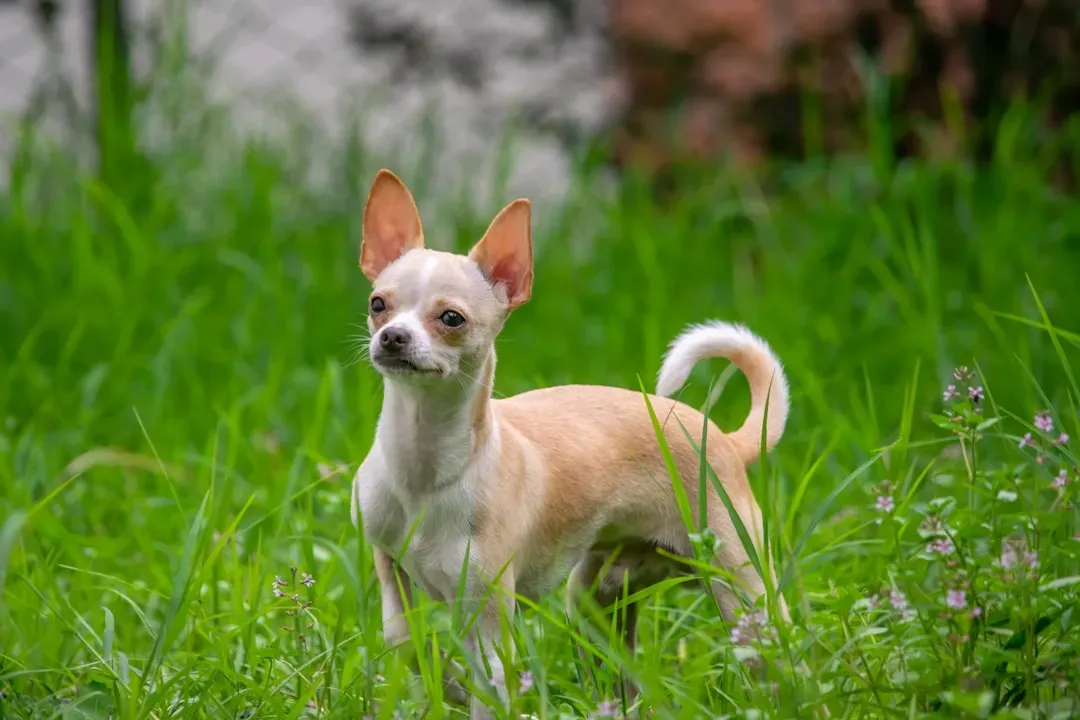
Don’t let their diminutive stature fool you; Chihuahuas possess a bark that belies their size. These tiny dynamos are fiercely loyal and often perceive themselves as the household’s protectors. Their alertness means they’re quick to sound the alarm at any unfamiliar sight or sound, making them one of the most vocal small breeds.
Without proper training and socialization, a Chihuahua’s barking can become incessant. Their high-pitched yaps can be particularly grating, especially in close quarters. Consistent training from a young age is essential to manage their vocal tendencies.
Maltese
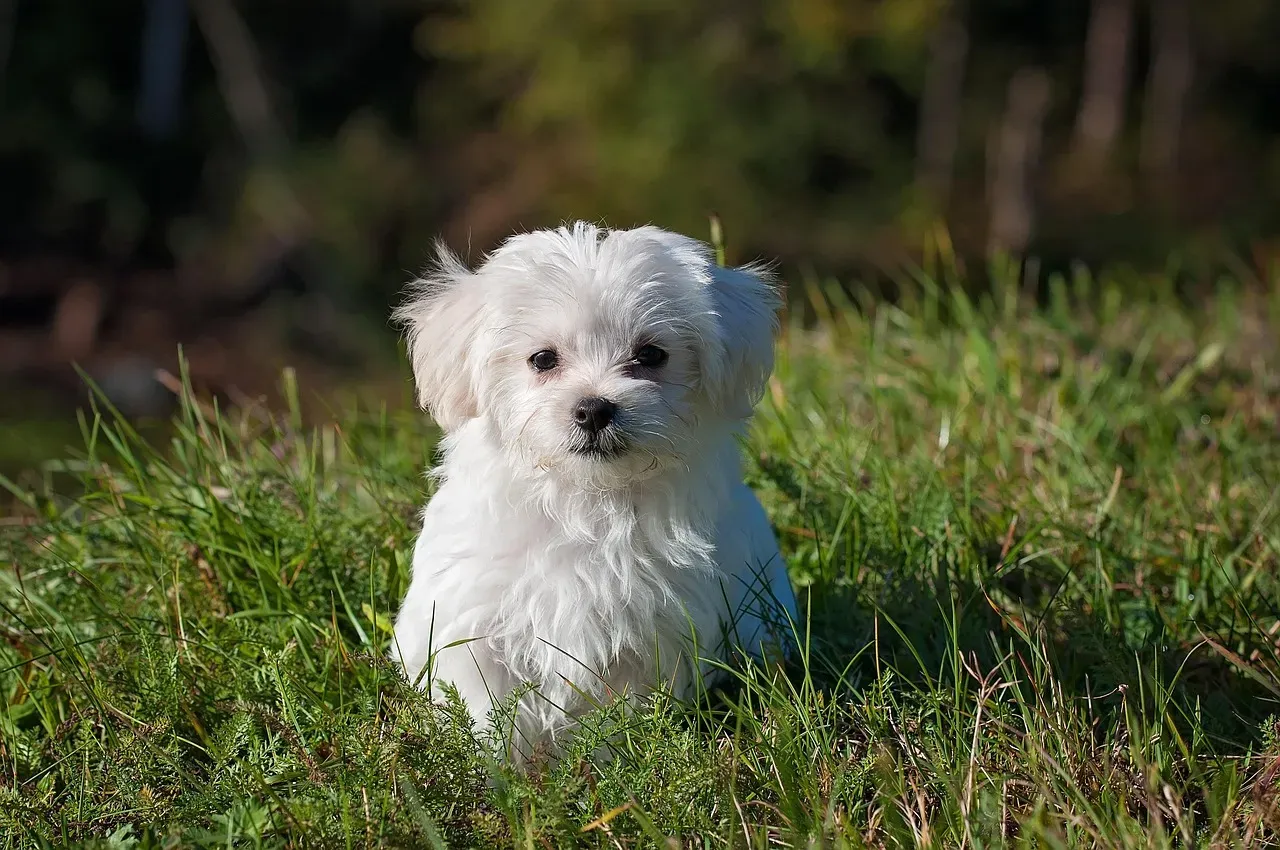
With their flowing white coats and gentle demeanor, Maltese dogs exude elegance. However, beneath that refined exterior lies a vigilant watchdog. Maltese are known to bark at unfamiliar noises or strangers, a trait rooted in their protective instincts.
While their barking serves as an alert system, it can become excessive without proper guidance. Regular socialization and positive reinforcement can help curb unnecessary vocalizations, ensuring a harmonious household.
Pomeranian
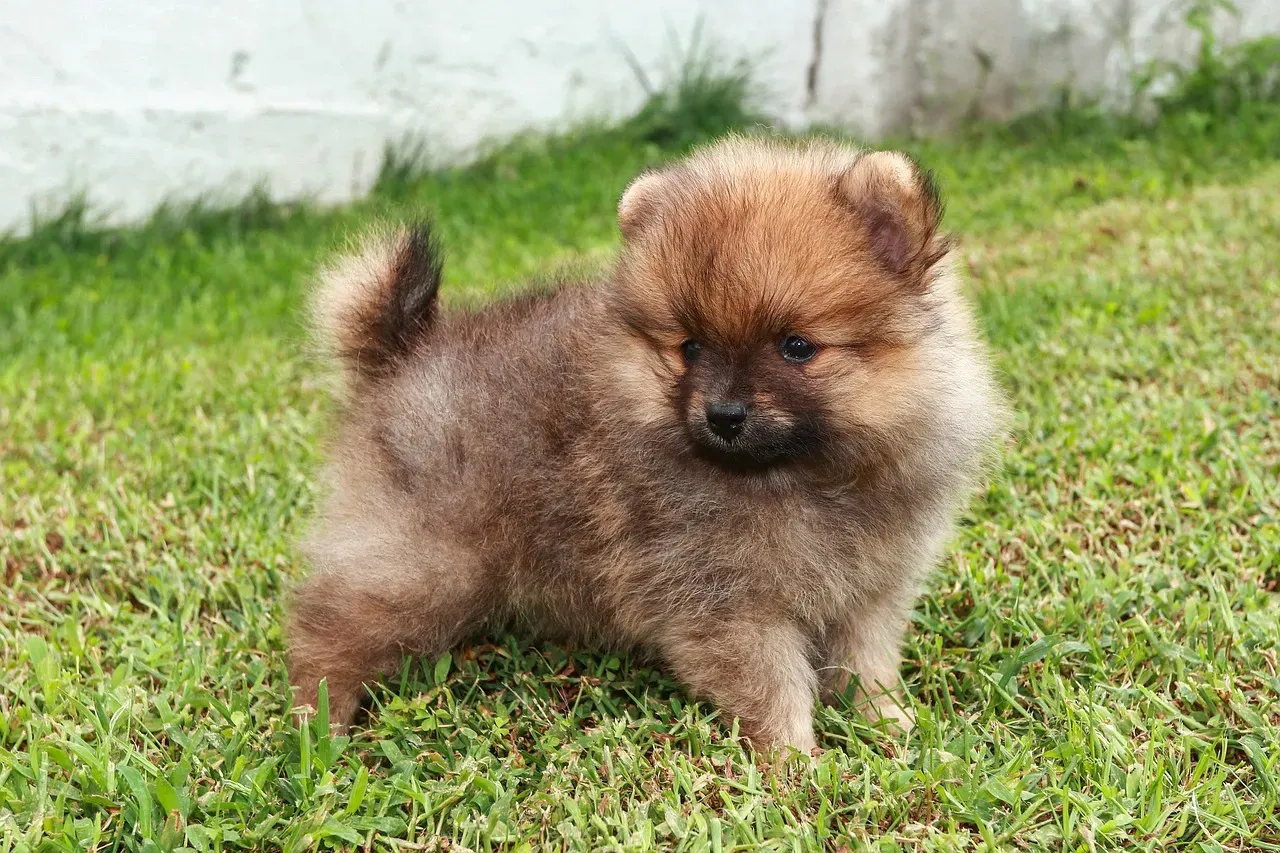
Pomeranians are tiny fluff balls with personalities that far exceed their size. Their alert nature makes them quick to bark at any perceived threat, from a passing car to a rustling leaf. This constant vigilance can lead to frequent and loud barking episodes.
Managing a Pomeranian’s barking requires patience and consistent training. Providing them with ample mental stimulation and setting clear boundaries can help reduce their tendency to vocalize excessively.
Miniature Schnauzer
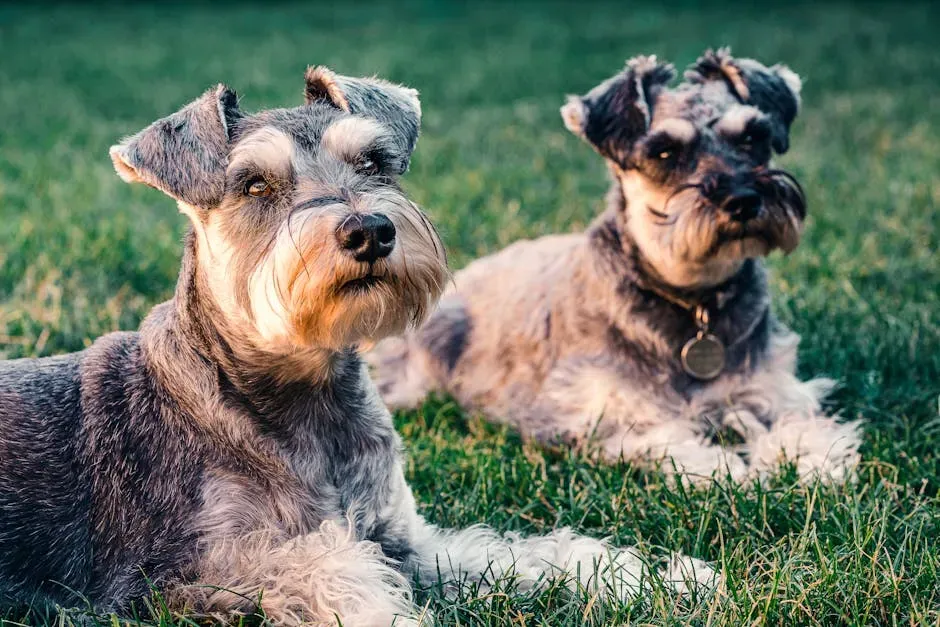
Sporting a distinctive beard and eyebrows, Miniature Schnauzers are both charming and spirited. Originally bred as ratters, their keen senses make them highly alert to their surroundings. This heightened awareness often translates to frequent barking, especially when they detect unfamiliar stimuli.
To prevent their barking from becoming a nuisance, it’s crucial to engage Miniature Schnauzers in regular physical and mental activities. Training sessions that focus on obedience and socialization can also be beneficial in managing their vocal habits.
Yorkshire Terrier
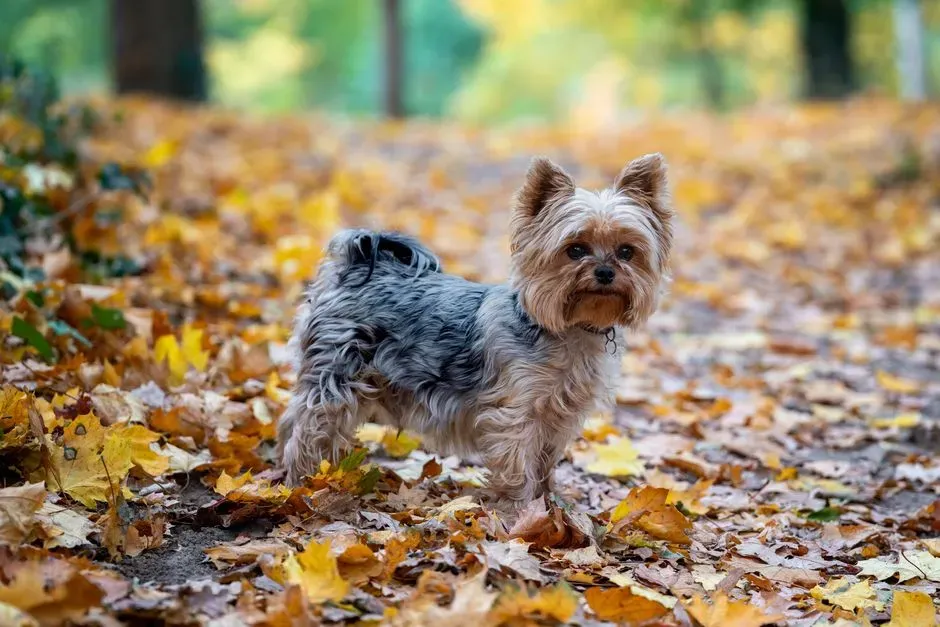
Yorkshire Terriers, or Yorkies, are small in size but big in attitude. Their origins as rat hunters have endowed them with a sharp sense of hearing and a propensity to bark at the slightest disturbance. This makes them excellent watchdogs but can be challenging in noise-sensitive environments.
Early training and socialization are key to controlling a Yorkie’s barking. Teaching them to differentiate between actual threats and benign noises can help reduce unnecessary vocalizations.
Beagle

Beagles are renowned for their melodious baying, a trait that harks back to their hunting days. Their strong sense of smell and tracking instincts make them prone to vocalizing, especially when they catch an intriguing scent.
While their vocalizations are part of their charm, they can become excessive without proper management. Ensuring Beagles receive adequate exercise and mental stimulation can help keep their barking in check.
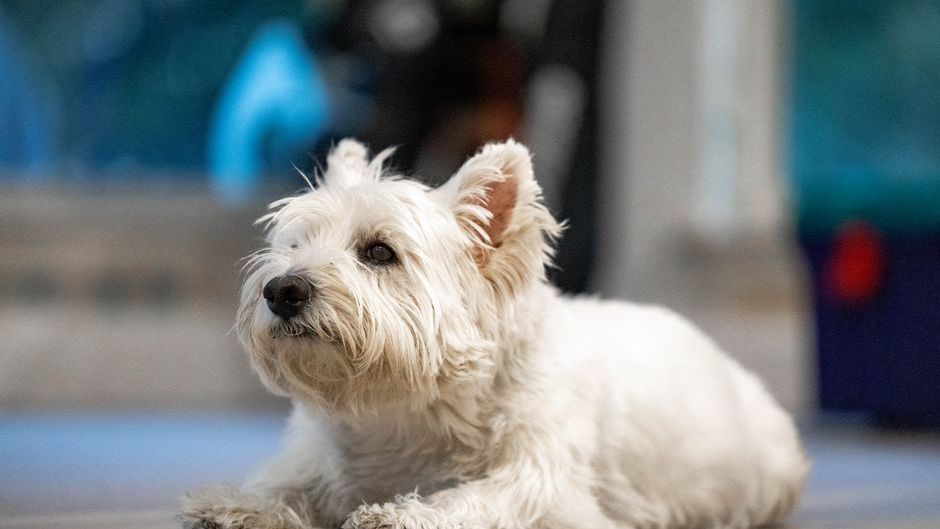
West Highland White Terrier
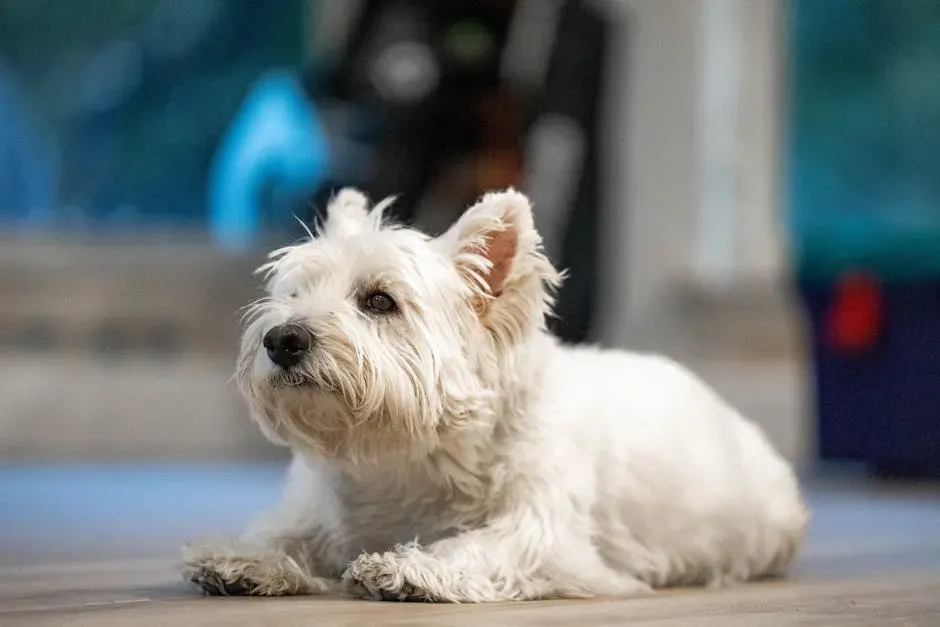
Affectionately known as Westies, these terriers are both adorable and assertive. Their history as hunters has instilled in them a strong prey drive and a tendency to bark at perceived intruders or unfamiliar sounds.
To manage a Westie’s barking, it’s important to provide them with regular exercise and engage them in activities that channel their energy positively. Training that focuses on obedience and impulse control can also be effective.
Dachshund

Dachshunds, with their elongated bodies and short legs, are both endearing and energetic. Bred for hunting, they have a keen sense of smell and a loud bark that they use to alert their owners to potential threats.
Without proper training, a Dachshund’s barking can become excessive. Consistent training, socialization, and providing them with tasks that engage their hunting instincts can help manage their vocal tendencies.
Jack Russell Terrier
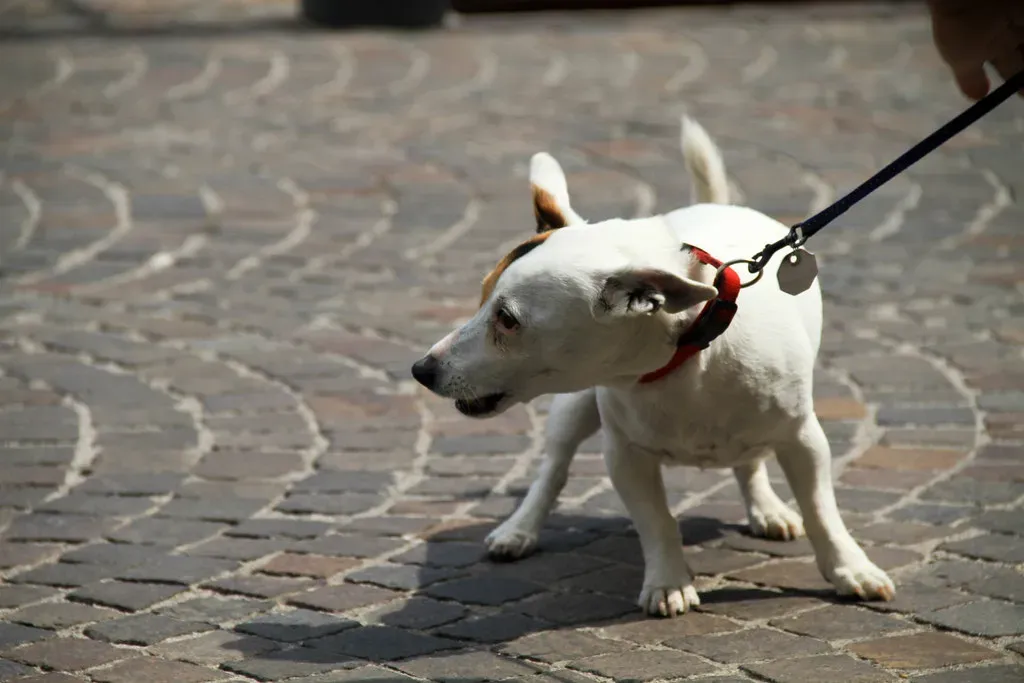
Jack Russell Terriers are bundles of energy with a strong hunting background. Their alertness and high energy levels often result in frequent barking, especially when they’re bored or under-stimulated.
To keep a Jack Russell’s barking in check, it’s essential to provide them with plenty of physical exercise and mental challenges. Training that focuses on obedience and impulse control can also be beneficial.
Schipperke
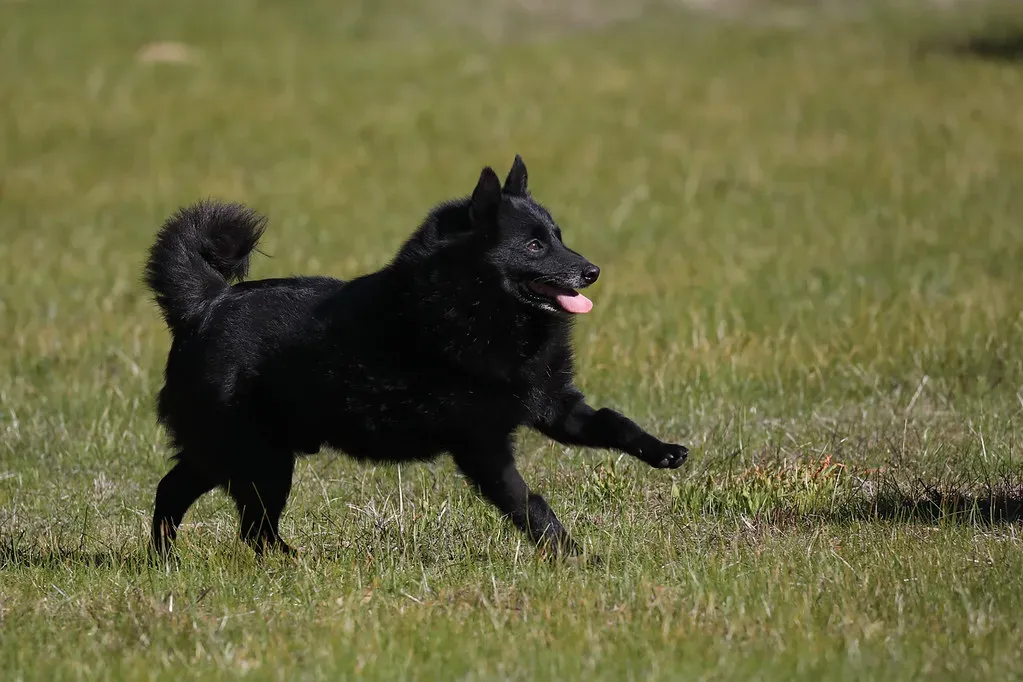
Schipperkes are small, agile dogs with a curious and mischievous nature. Their alertness makes them quick to bark at unfamiliar sights and sounds, a trait that can become problematic if not addressed.
Regular exercise, mental stimulation, and consistent training are key to managing a Schipperke’s barking. Socializing them from a young age can also help reduce their tendency to vocalize excessively.
In conclusion, while these small breeds bring immense joy and companionship, their barking can be a challenge. Understanding the reasons behind their vocalizations and implementing consistent training and socialization can help manage and reduce excessive barking. After all, isn’t a peaceful coexistence with our furry friends worth the effort?


