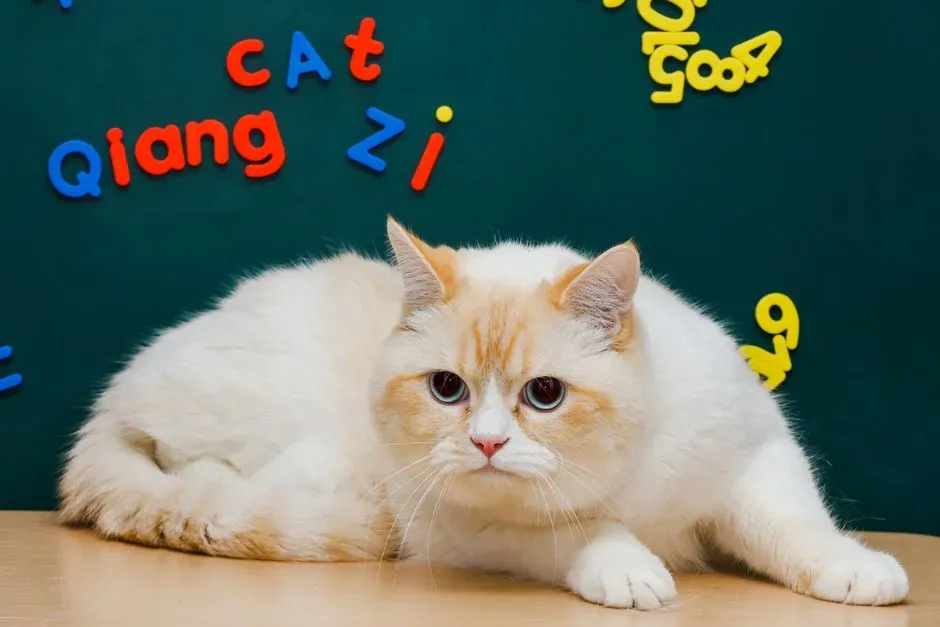
Imagine returning home after years away, only to find your cat greeting you with a familiar purr and affectionate rub against your leg. It’s as if no time has passed. How is it possible that your feline friend remembers you so vividly after such a long separation? The answer lies in the remarkable emotional memory of cats, particularly their ability to recall voices.
The Science Behind Feline Memory
The Science Behind Feline Memory (Image Credits: Pexels)Cats possess both short-term and long-term memory capabilities. While their short-term memory helps them navigate daily activities, it’s their long-term memory that enables them to remember significant individuals and experiences. Studies have shown that cats can retain memories of their owners for several years, especially when those memories are tied to strong emotional bonds.
The Role of Voice Recognition
The Role of Voice Recognition (By Luke Rogers, CC BY-SA 4.0)One of the most fascinating aspects of feline memory is their ability to recognize and remember human voices. Research indicates that cats can distinguish their owner’s voice from that of strangers. This auditory recognition is so profound that even after years apart, a cat can identify and respond to the familiar sound of their owner’s voice.
Emotional Bonds and Memory Retention
Emotional Bonds and Memory Retention (Image Credits: Pexels)The strength of the bond between a cat and its owner plays a crucial role in memory retention. Positive interactions, such as feeding, playing, and affectionate petting, create lasting impressions in a cat’s mind. These experiences are stored in their long-term memory, allowing them to recall their owners even after extended periods of separation.
Sensory Cues Beyond Voice
Sensory Cues Beyond Voice (Image Credits: Unsplash)While voice recognition is significant, cats also rely on other sensory cues to remember their owners. Their keen sense of smell allows them to identify familiar scents associated with their human companions. Additionally, cats are attuned to routines and behaviors, further reinforcing their memory of individuals through consistent daily interactions.
Behavioral Signs of Recognition
Behavioral Signs of Recognition (Image Credits: Pexels)When reunited with a long-lost owner, cats may exhibit various behaviors indicating recognition. These can include purring, rubbing against the person, following them around, or even vocalizing in a specific manner. Such behaviors suggest that the cat not only remembers the individual but also associates them with positive experiences.
Factors Influencing Memory Duration
Factors Influencing Memory Duration (Image Credits: Unsplash)Several factors can influence how long a cat remembers a person. The duration and quality of the relationship, the cat’s age, and the frequency of interactions all play a role. Generally, cats with strong, positive associations with their owners are more likely to retain those memories over extended periods.
Implications for Cat Owners
Implications for Cat Owners (Image Credits: Pexels)Understanding the depth of a cat’s emotional memory underscores the importance of building and maintaining positive relationships with our feline friends. Consistent, affectionate interactions not only enhance the bond but also ensure that the cat remembers and responds positively to their owner, even after time apart.In conclusion, the emotional memory of cats, particularly their ability to remember voices, is a testament to the depth of the human-feline bond. So, the next time you wonder if your cat will remember you after a long absence, rest assured that your voice and the love you’ve shared are etched in their memory. Isn’t it heartwarming to know that your feline friend holds you close, no matter the distance or time apart?