When a dog loses a beloved owner, the depth of their grief can manifest in unexpected ways. Often, these signs are misinterpreted as mere misbehavior, leading to frustration rather than compassion. Understanding these subtle expressions of mourning is crucial for providing the support our canine companions need during such a challenging time.
1. Decreased Appetite and Weight Loss
1. Decreased Appetite and Weight Loss (Image Credits: Unsplash)It’s not uncommon for a grieving dog to show little interest in food. The absence of their owner can lead to a significant drop in appetite, resulting in noticeable weight loss. This isn’t a sign of pickiness or stubbornness; it’s a manifestation of their emotional turmoil.In such cases, patience and gentle encouragement are key. Offering favorite treats or hand-feeding can sometimes entice them to eat. However, if the refusal to eat persists, consulting a veterinarian is essential to rule out any underlying health issues.
2. Increased Sleep and Lethargy
2. Increased Sleep and Lethargy (Image Credits: Unsplash)A dog in mourning may sleep more than usual, appearing lethargic or uninterested in activities they once enjoyed. This isn’t mere laziness; it’s a coping mechanism, much like how humans might retreat to bed when feeling down.Encouraging gentle play and maintaining a routine can help. However, it’s important to allow them the space to grieve and not force interaction if they’re not ready.
3. Searching Behavior
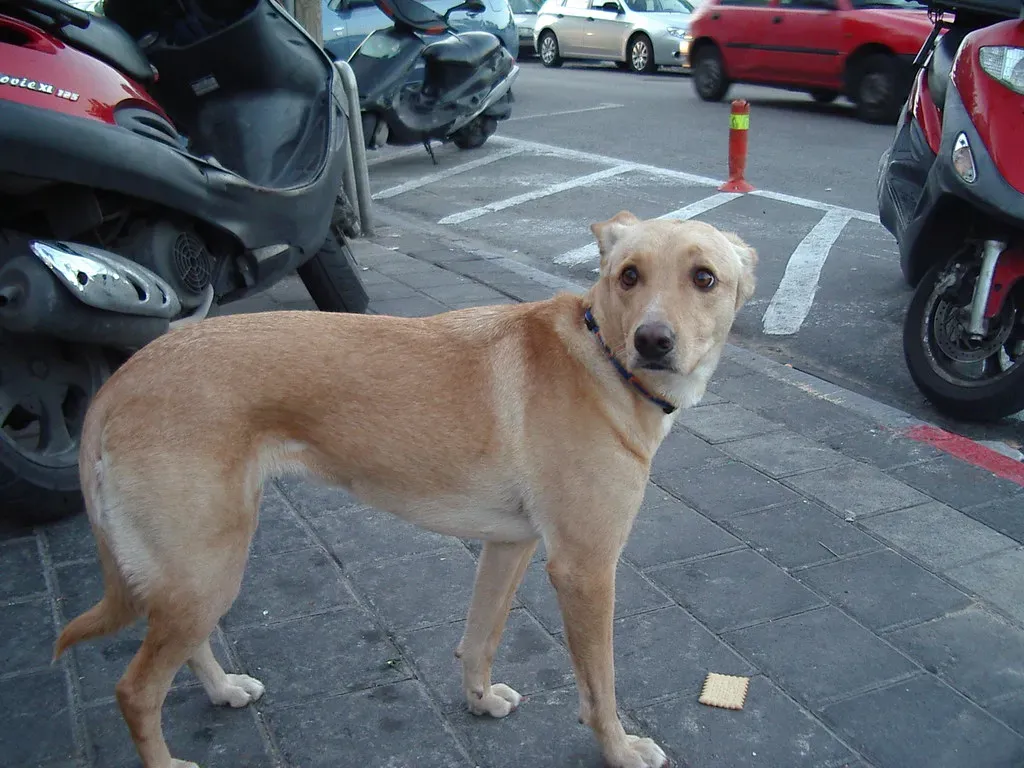
3. Searching Behavior (ella novak, Flickr, CC BY 2.0)Dogs have been observed to search for their missing owner, checking familiar spots or waiting by the door. This behavior isn’t disobedience; it’s a heartbreaking display of their hope that their beloved human will return.Providing comfort through affection and reassurance can help ease this behavior. Over time, as they adjust to the new reality, the searching should decrease.
4. Increased Vocalization
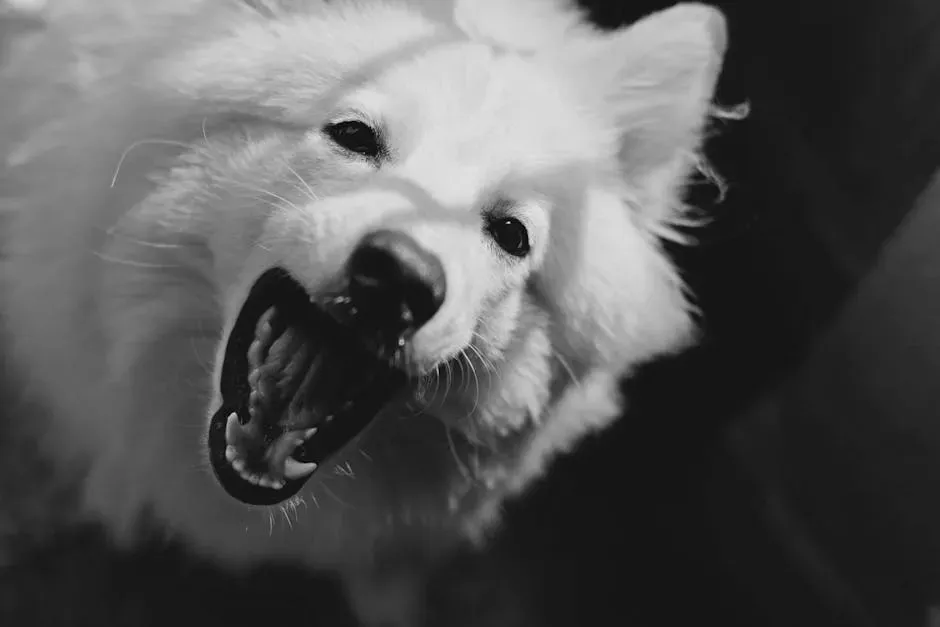
4. Increased Vocalization (Image Credits: Pexels)Whining, barking, or howling more than usual can be a dog’s way of expressing their distress. This isn’t attention-seeking behavior; it’s a vocal manifestation of their grief and confusion.Responding with patience and understanding is crucial. Punishing these vocalizations can exacerbate their anxiety. Instead, offering comfort and maintaining a calm environment can help soothe their distress.
5. Destructive Behavior
5. Destructive Behavior (Image Credits: Unsplash)Chewing furniture, digging, or other destructive actions can emerge during a dog’s mourning period. This isn’t mere mischief; it’s often a way for them to cope with their anxiety and sadness.Providing appropriate chew toys and engaging them in interactive play can redirect this behavior. Ensuring they have a safe space where they feel secure can also be beneficial.
6. Clinginess or Withdrawal
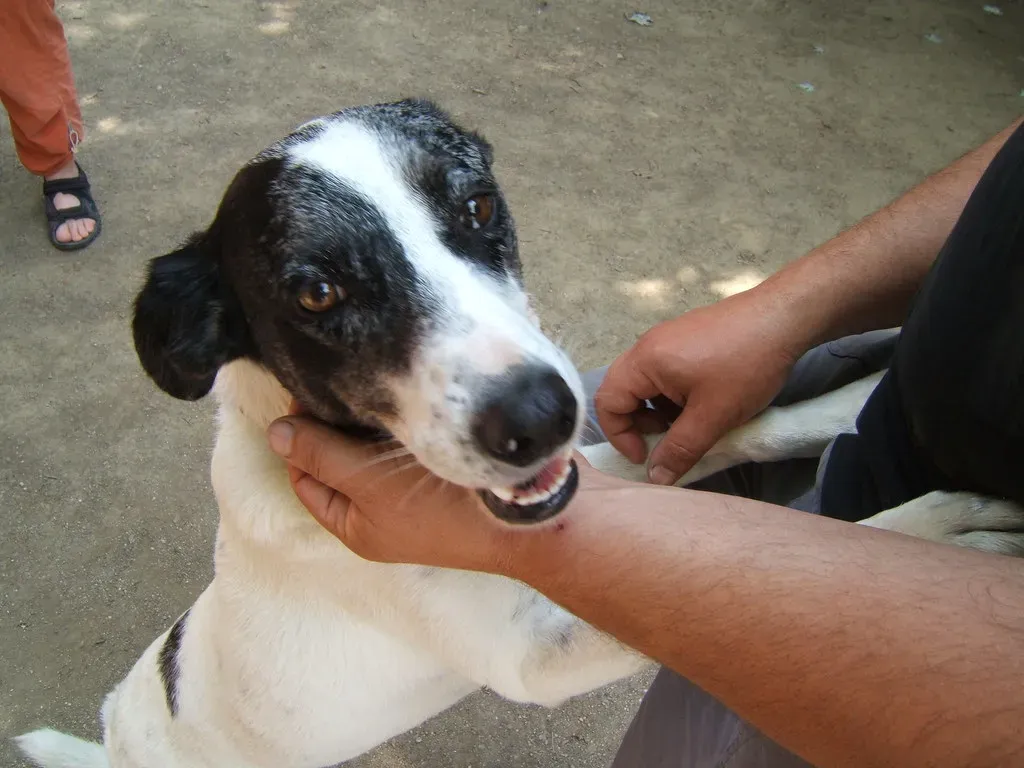
6. Clinginess or Withdrawal (Joan M.D., Flickr, CC BY-SA 2.0)Some dogs may become overly clingy, following their new caregiver everywhere, while others might withdraw, preferring solitude. Both behaviors are coping mechanisms and not signs of a spoiled or antisocial dog.Respecting their need for closeness or space is essential. Gradually encouraging social interaction and providing consistent routines can help them find balance.
7. House Soiling
7. House Soiling (Image Credits: Pixabay)A previously house-trained dog might start having accidents indoors. This isn’t defiance; it’s often a result of the stress and anxiety they’re experiencing due to their loss.Reinforcing training with positive reinforcement and maintaining a consistent schedule can help. Avoiding punishment is crucial, as it can increase their anxiety and prolong the behavior.Understanding that these behaviors are expressions of grief rather than acts of defiance is vital. By approaching them with empathy and patience, we can help our canine friends navigate their mourning process and adjust to their new circumstances.In the end, isn’t it remarkable how deeply our dogs feel and express their emotions?