Ever caught your dog twitching, whimpering, or even softly barking in their sleep and wondered, “What could they possibly be dreaming about?” Recent insights from Harvard psychologists suggest that our canine companions might be reliving their daily experiences, with us – their beloved humans – taking center stage in their dreamscapes.
Understanding Canine Sleep Cycles
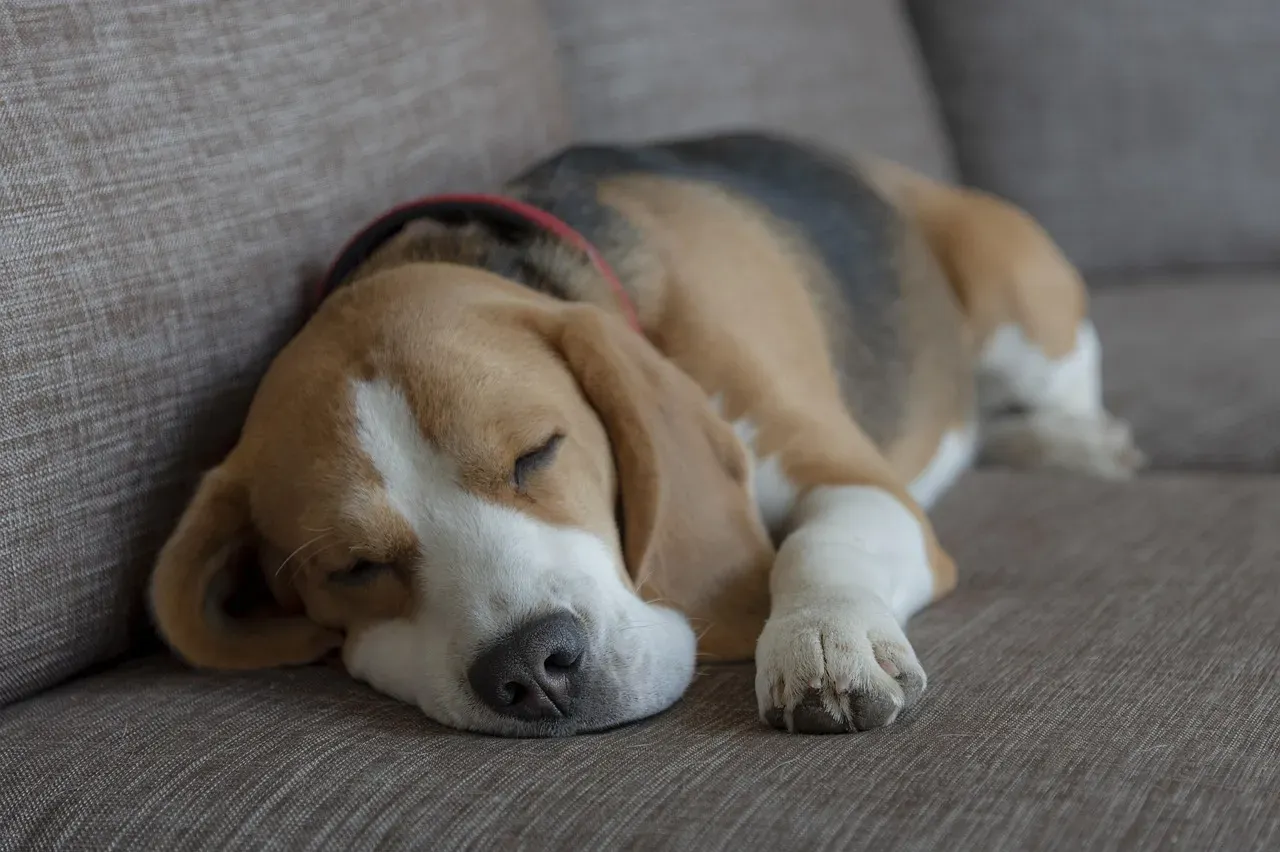
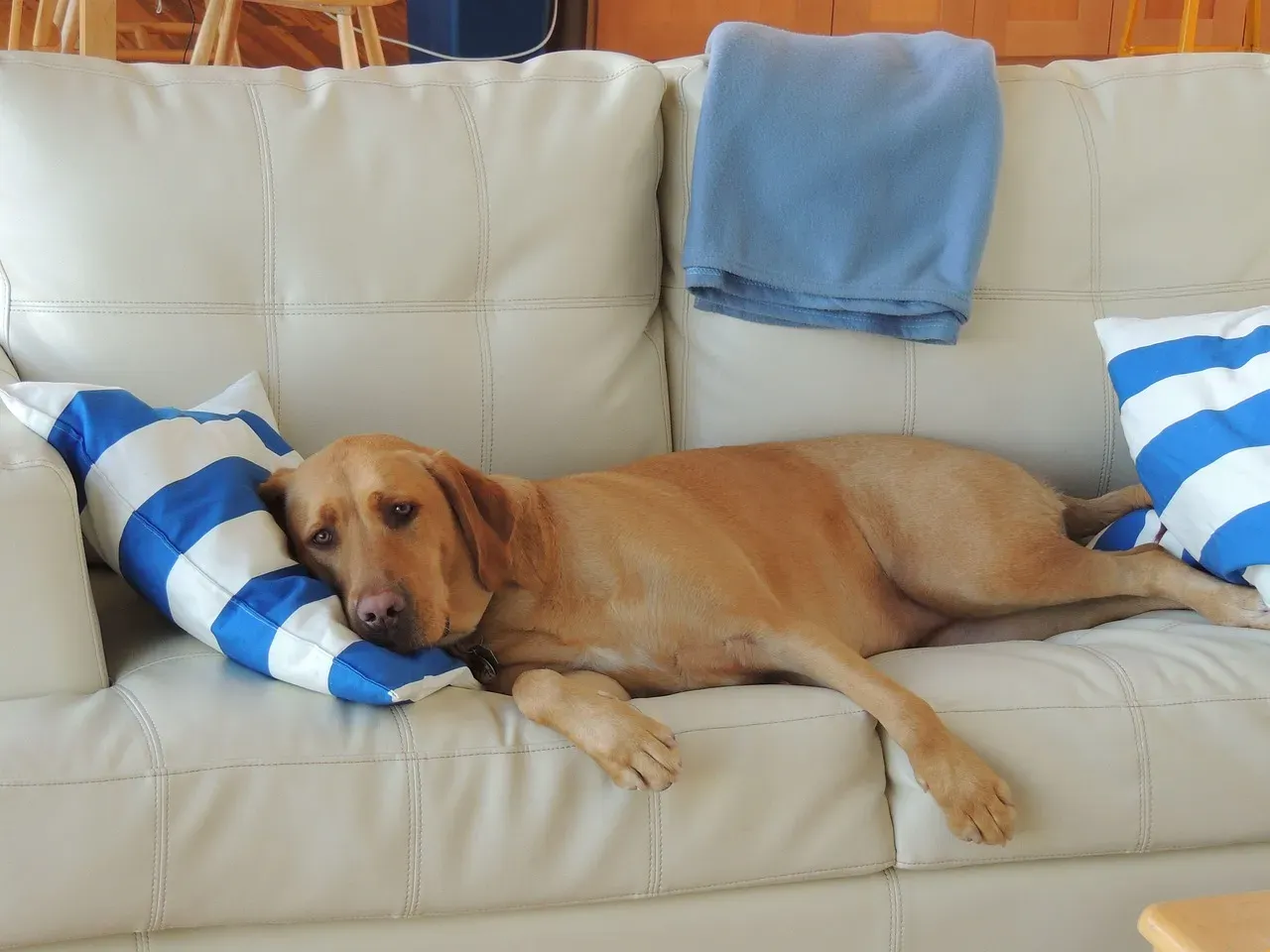
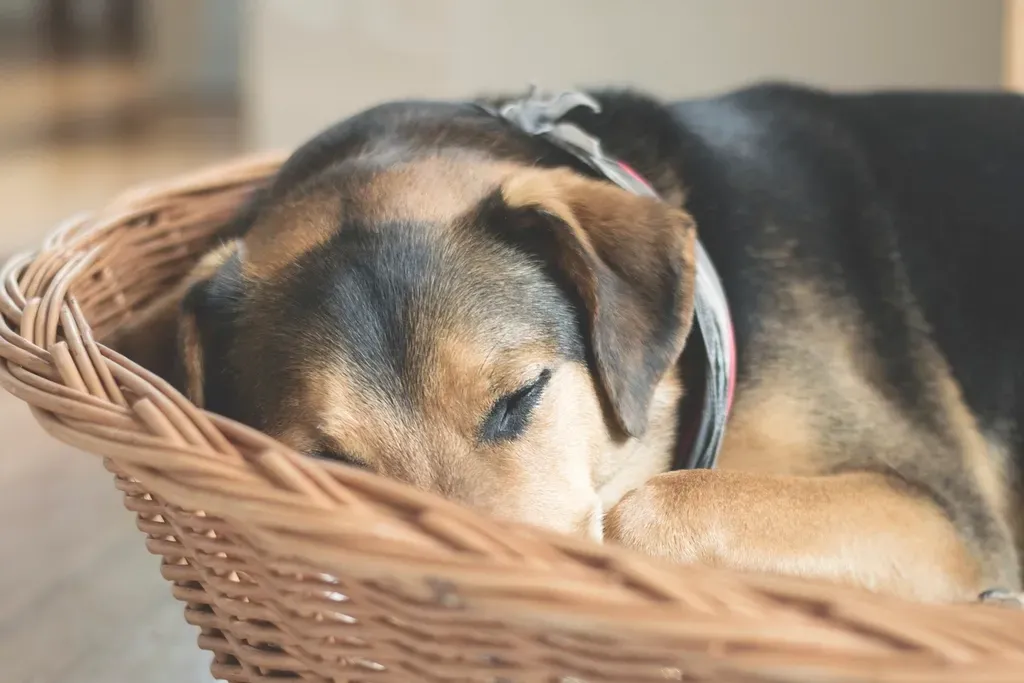
Understanding Canine Sleep Cycles (Image Credits: Pixabay)Much like humans, dogs experience various stages of sleep, including the Rapid Eye Movement (REM) phase, which is closely associated with dreaming. During REM sleep, the brain is highly active, and it’s during this phase that both humans and dogs are believed to dream. Observing a dog during REM sleep often reveals telltale signs: twitching paws, flickering eyelids, and occasional vocalizations. These behaviors suggest that dogs are not only dreaming but are also physically reacting to their dream content.
Dreams Reflect Daily Experiences
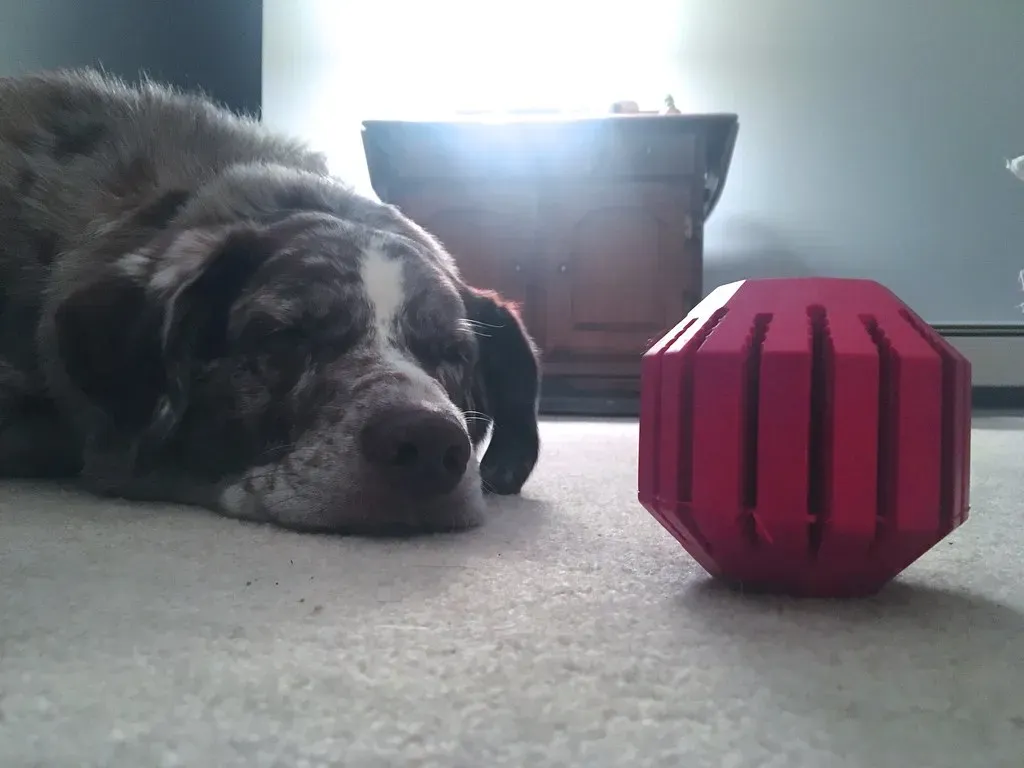
Dreams Reflect Daily Experiences (Image Credits: Flickr)Dr. Deirdre Barrett, a clinical and evolutionary psychologist at Harvard Medical School, posits that, similar to humans, dogs likely dream about their daily activities and interests. Given the profound bond between dogs and their owners, it’s plausible that our faces, scents, and interactions become prominent features in their dreams. This perspective offers a heartwarming glimpse into the depth of our pets’ emotional lives.
The Emotional Bond Between Dogs and Humans
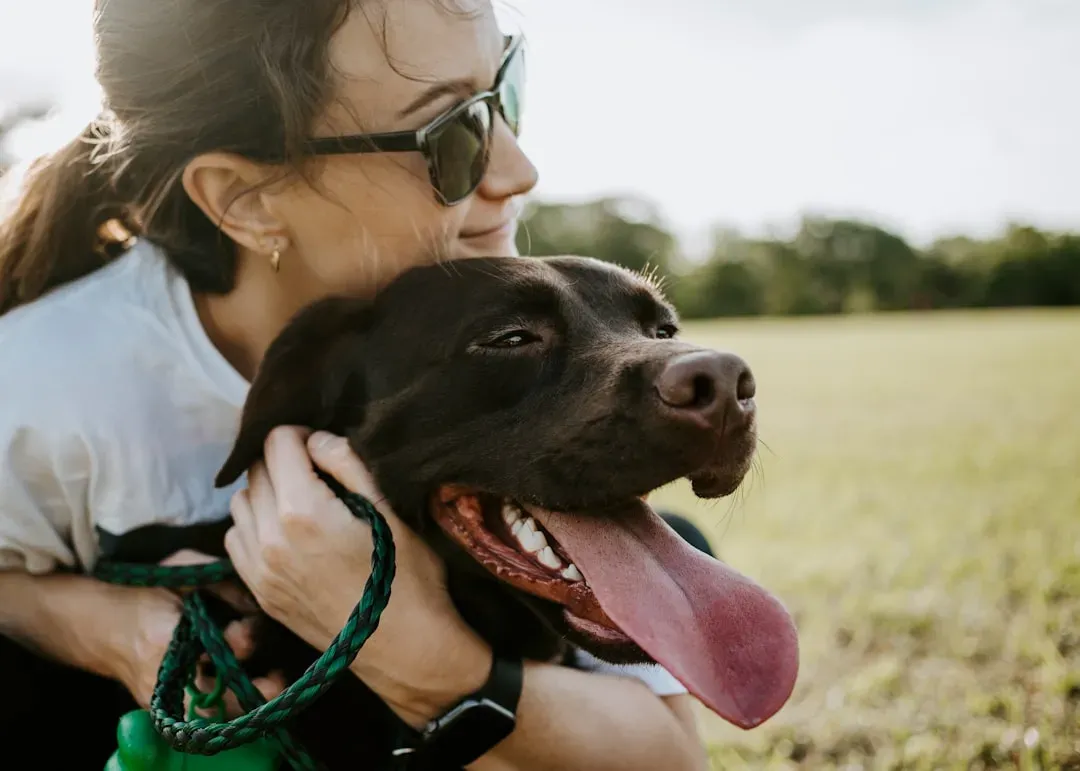
The Emotional Bond Between Dogs and Humans (Image Credits: Unsplash)The connection between dogs and humans is both ancient and profound. Over thousands of years, dogs have evolved alongside humans, developing a unique ability to understand and respond to our emotions. This deep-seated bond means that our canine companions are not just passive observers but active participants in our lives, making it all the more likely that we occupy their dream worlds.
Indicators of Dream Content
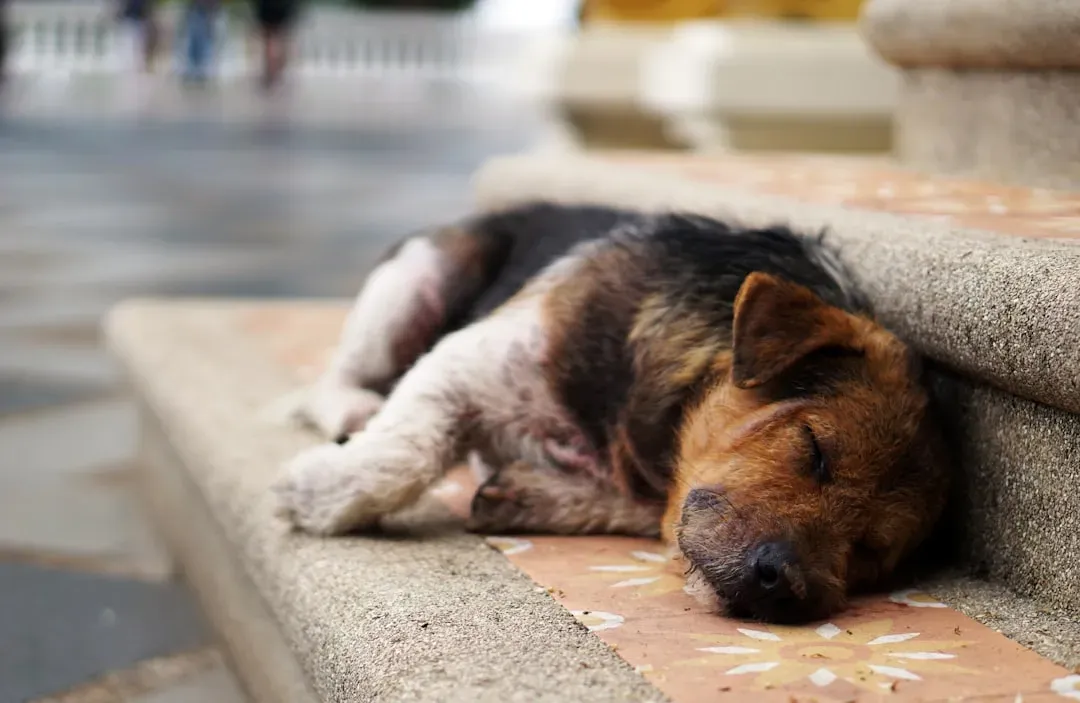
Indicators of Dream Content (Image Credits: Unsplash)While we can’t directly access a dog’s dreams, their physical behaviors during sleep offer clues. A dog that appears to be running in its sleep might be dreaming of a recent chase or play session. Similarly, a dog that barks or whimpers might be reliving interactions, possibly with their human companions. These manifestations provide a window into the experiences that shape their dreams.
Enhancing Positive Dream Experiences
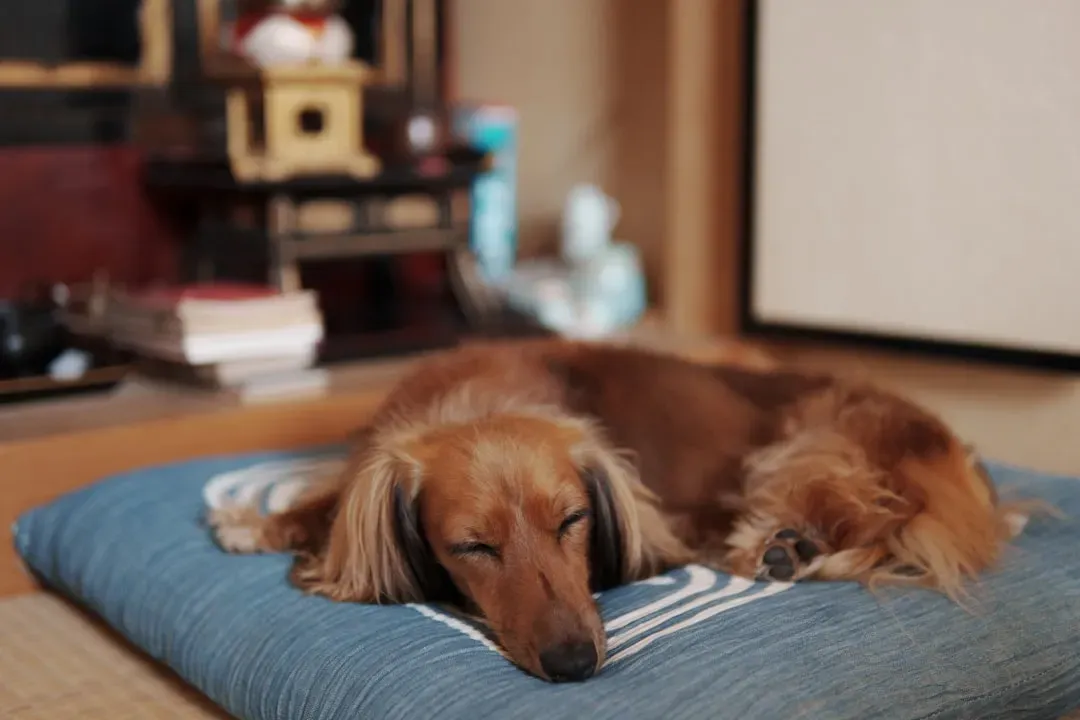
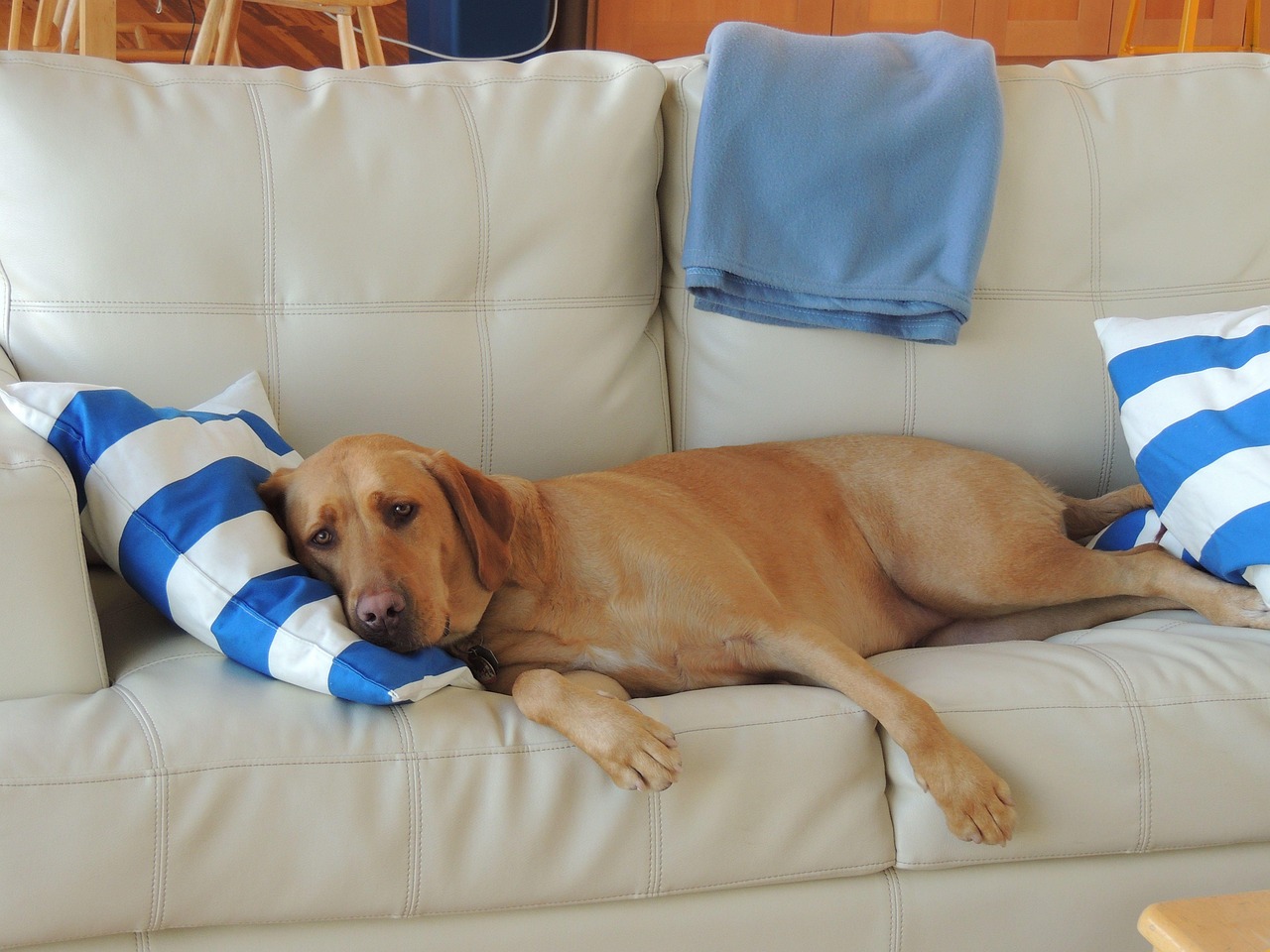
Enhancing Positive Dream Experiences (Image Credits: Pixabay)Ensuring that our dogs have positive daytime experiences can influence the nature of their dreams. Engaging in regular play, providing mental stimulation, and fostering a safe and comfortable sleeping environment can lead to more pleasant dream content. Just as humans benefit from positive experiences and environments, so too do our canine friends.
Comparing Dreams Across Species
Comparing Dreams Across Species (Image Credits: Rawpixel)It’s fascinating to note that while dogs might dream about their human companions, other animals have different dream content. For instance, research suggests that cats often dream about hunting activities. This variation underscores the unique relationships and experiences different species have with their environments and companions.
Conclusion
Conclusion (Image Credits: Unsplash)The idea that our dogs dream about us is both touching and indicative of the deep bond we share. It serves as a reminder of the emotional lives our pets lead and the significant role we play in them. As we continue to learn more about canine cognition and behavior, one thing remains clear: the love and connection between humans and dogs transcend even the boundaries of wakefulness and sleep. Isn’t it comforting to think that, as we drift off to sleep, our loyal companions might be dreaming of us just as we dream of them?