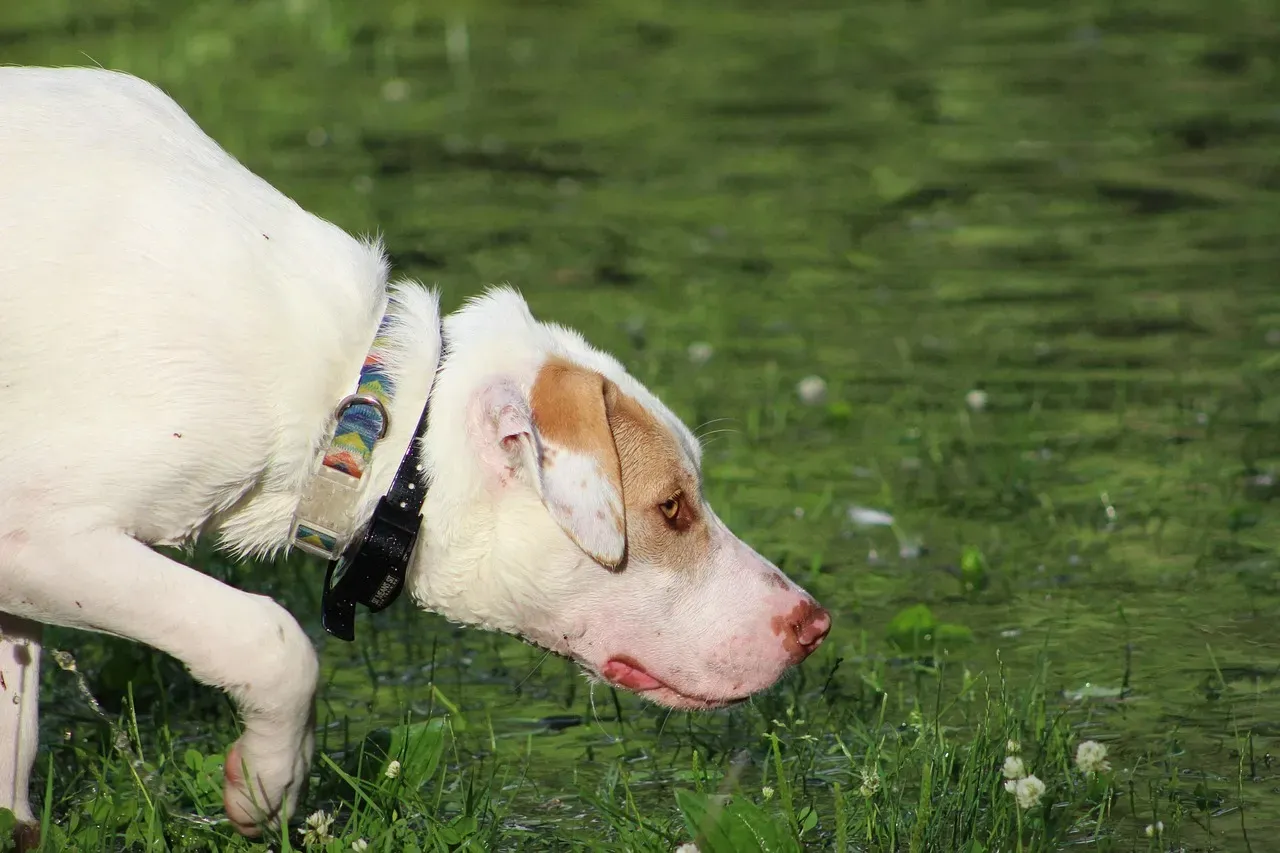
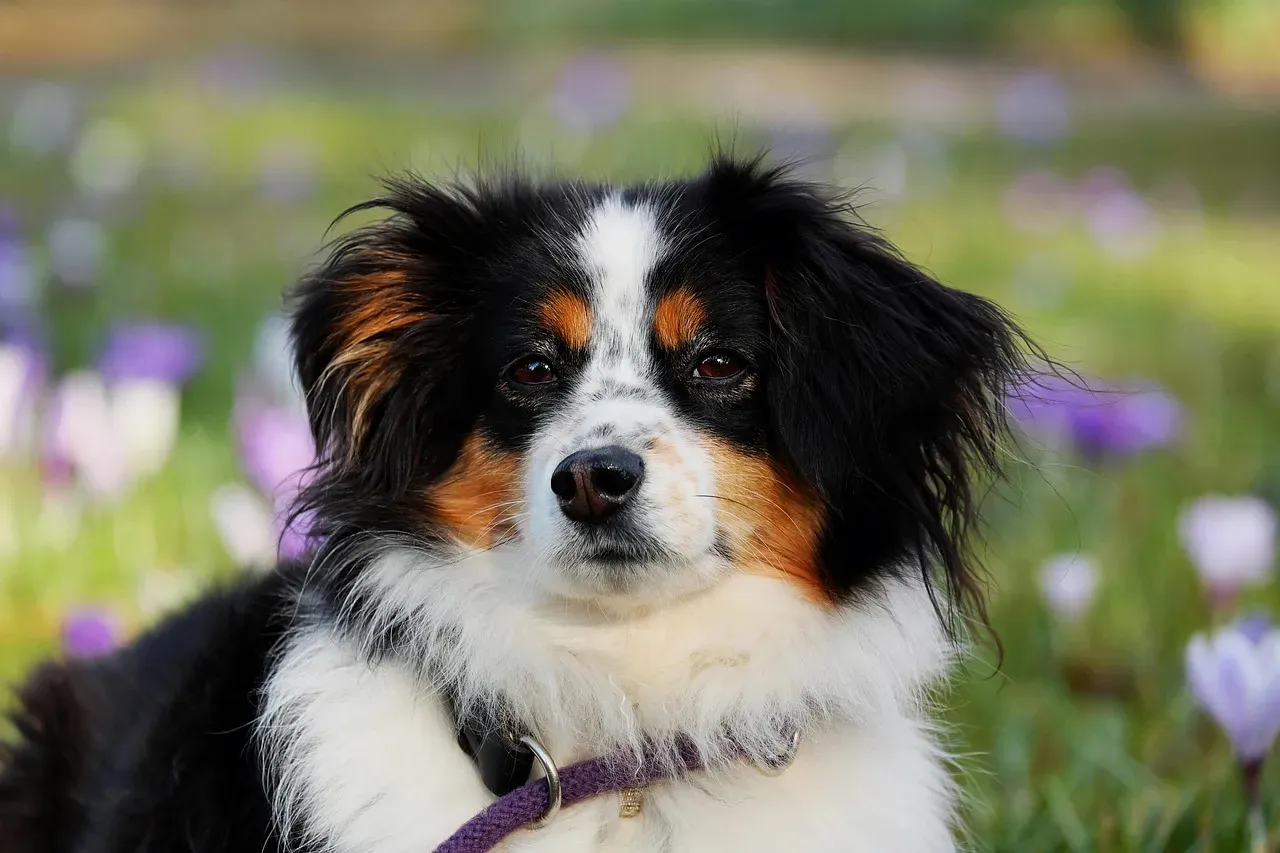
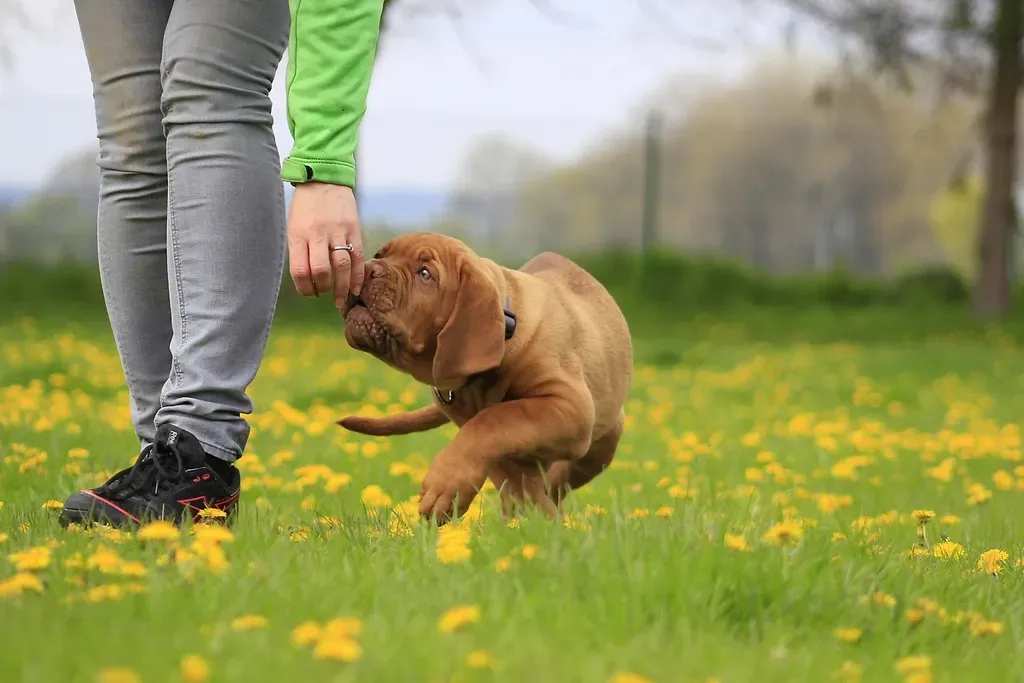
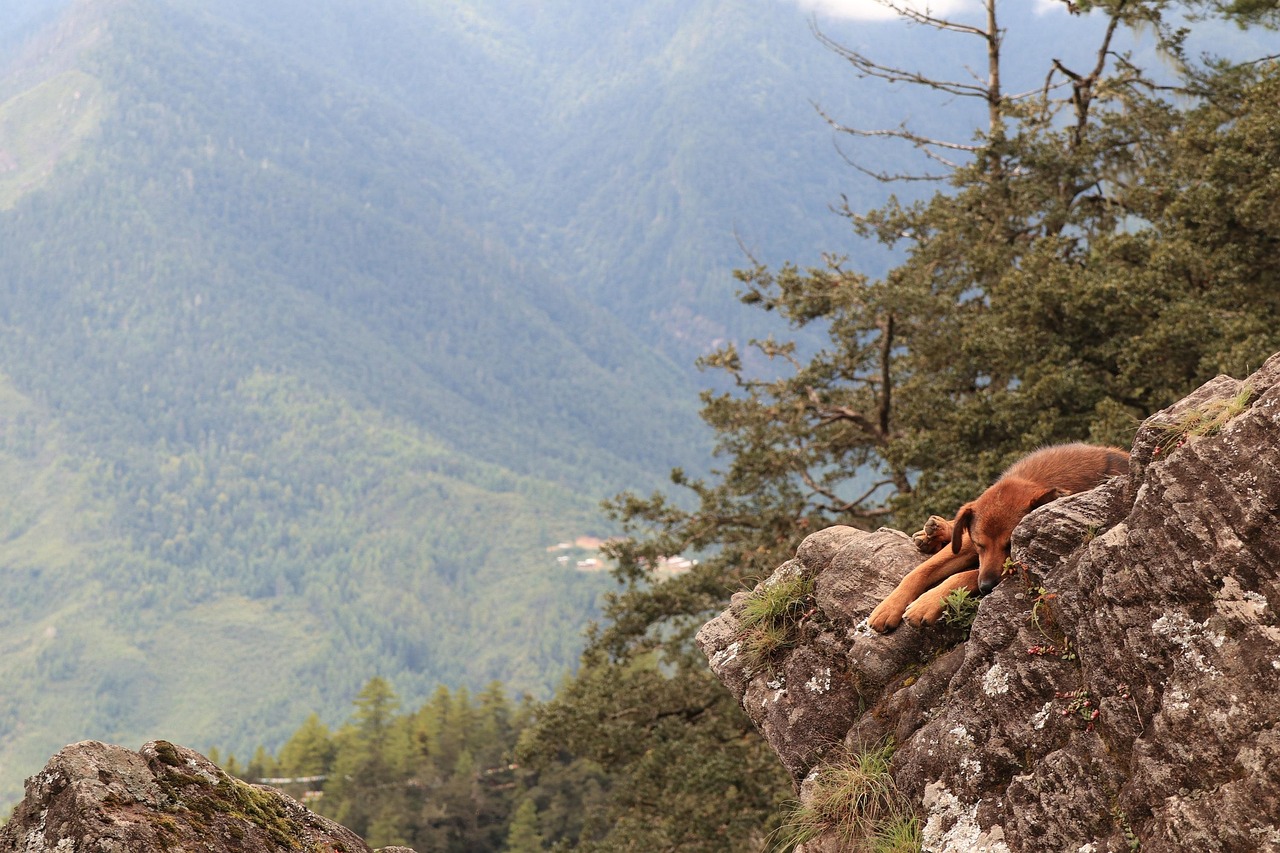
Ever watched your dog spin in circles before finally settling down for a nap and wondered why? This seemingly quirky behavior is more than just a bedtime ritual; it’s a fascinating glimpse into your dog’s ancestral past. Far from being a mere comfort-seeking habit, this circling is deeply rooted in survival instincts that have been passed down through generations.
Instinctual Behavior from Wild Ancestors
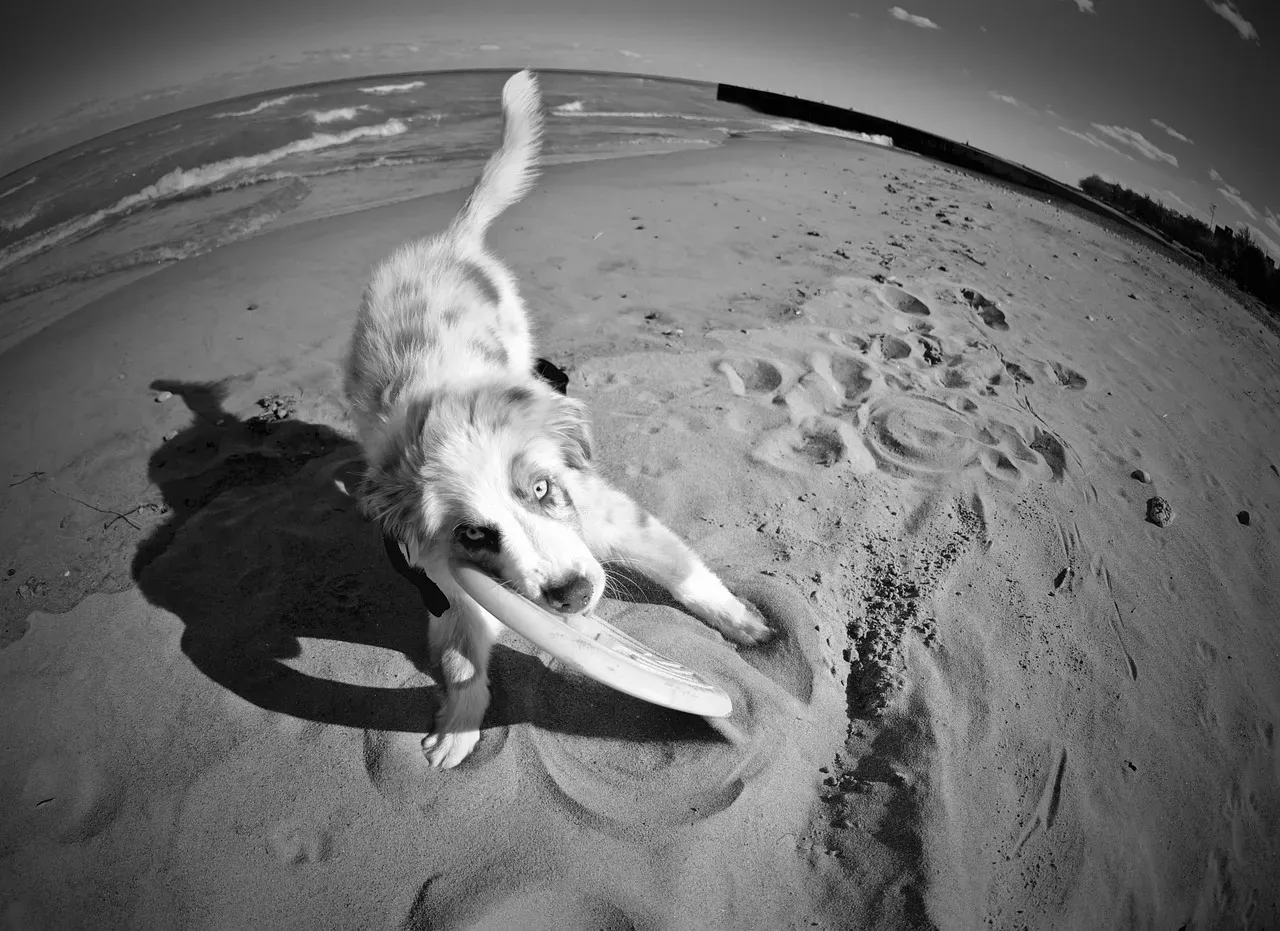
Instinctual Behavior from Wild Ancestors (Image Credits: Pixabay)In the wild, canines didn’t have the luxury of plush beds or cozy blankets. Before lying down, wolves and other wild dogs would circle their chosen spot to flatten tall grass or snow, creating a more comfortable and secure resting area. This behavior also served as a safety measure, allowing them to scan their surroundings for potential threats like predators or harmful insects. By circling, they could ensure the area was free from danger before settling in.
Creating a Comfortable Sleeping Spot
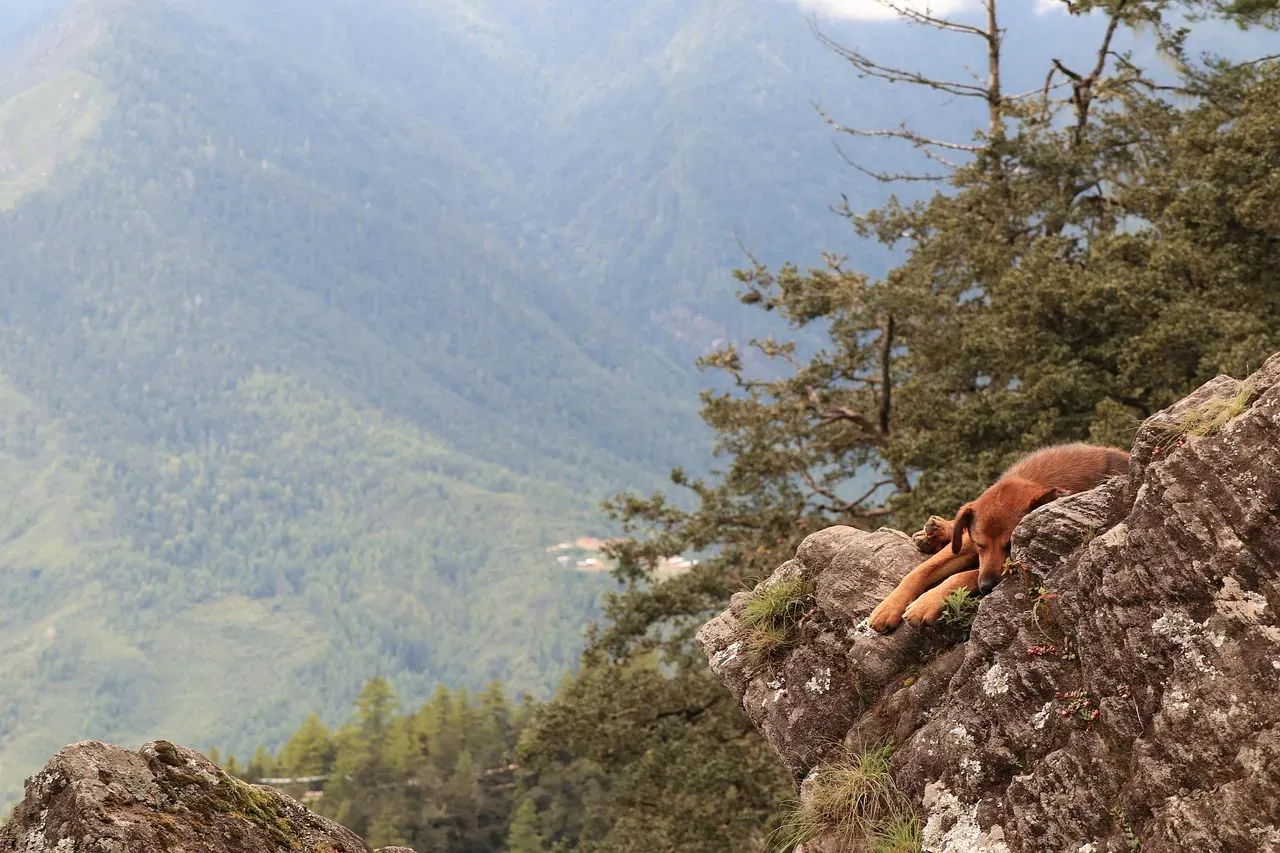
Creating a Comfortable Sleeping Spot (Image Credits: Pixabay)Beyond safety, circling helps dogs create a comfortable sleeping spot. By turning around, they can pat down grass, leaves, or other debris to form a makeshift bed. This nesting behavior ensures they have a soft and even surface to rest on, reducing discomfort from uneven terrain. Even in modern homes with cushioned dog beds, this instinct persists, as dogs continue to circle to achieve that perfect resting spot.
Temperature Regulation
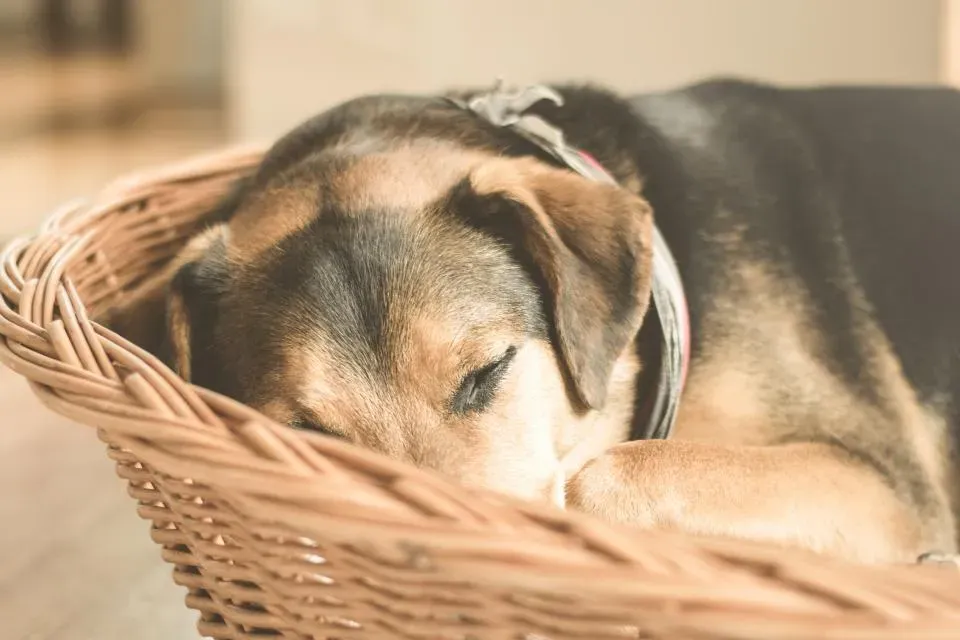
Temperature Regulation (Image Credits: Stocksnap)Circling also plays a role in temperature regulation. In colder climates, wild canines would circle and dig to create a depression in the ground, which helped conserve body heat. Conversely, in hotter environments, they might dig to expose cooler earth beneath the surface. This behavior allowed them to adjust their sleeping area to better suit their thermal needs, a practice that domestic dogs still exhibit today.
Territorial Marking
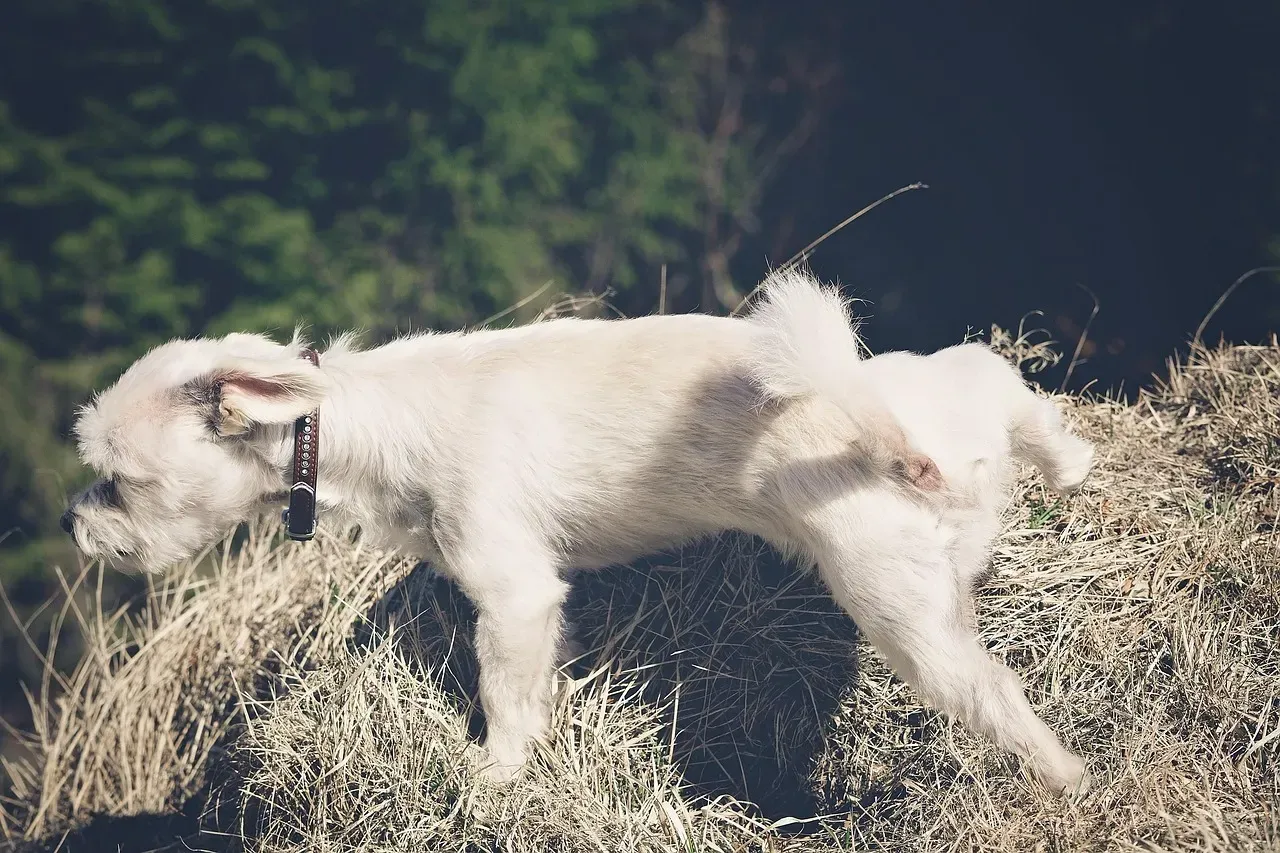
Territorial Marking (Image Credits: Pixabay)Dogs have scent glands in their paws, and by circling before lying down, they can mark their territory. This behavior signals to other animals that the spot has been claimed. In multi-dog households, this can be particularly important, as it helps establish boundaries and reduce potential conflicts over sleeping areas.
Assessing the Environment
Assessing the Environment (Image Credits: Pixabay)Circling allows dogs to assess their environment before settling down. By moving around, they can detect any hidden dangers or discomforts in their chosen spot. This behavior ensures they are aware of their surroundings and can rest without being disturbed by unforeseen issues.
When Circling Indicates a Problem
When Circling Indicates a Problem (Image Credits: Pixabay)While circling is a normal behavior, excessive or compulsive circling can be a sign of underlying health issues. If your dog circles excessively, has difficulty settling down, or shows signs of distress, it may indicate pain, neurological problems, or anxiety. In such cases, it’s essential to consult a veterinarian to rule out any medical concerns.
Supporting Your Dog’s Natural Behavior
Supporting Your Dog’s Natural Behavior (Image Credits: Rawpixel)Understanding the reasons behind your dog’s circling can help you support their natural behaviors. Providing a comfortable and safe sleeping area, free from hazards, can reduce the need for excessive circling. Ensuring your dog feels secure in their environment can also help minimize anxiety-related circling.In conclusion, the act of circling before lying down is a fascinating blend of instinct and adaptation. It’s a testament to the enduring legacy of your dog’s wild ancestors, manifesting in behaviors that, while seemingly trivial, have deep-rooted purposes. So, the next time you see your dog spinning before settling down, remember: it’s not just about comfort – it’s about survival. Isn’t it amazing how the past continues to influence the present?