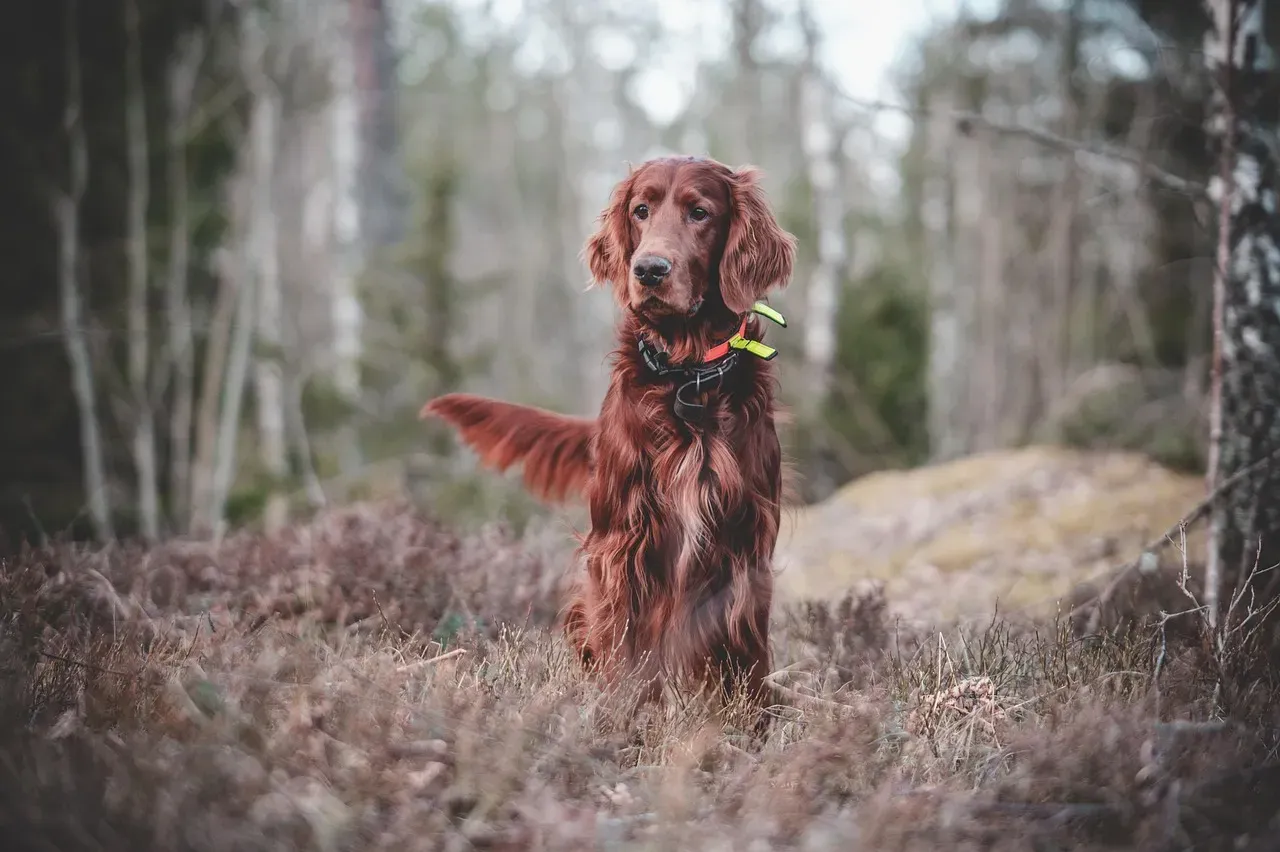
But how can you tell if you’re truly excelling in this role? Let’s explore five signs that indicate you’re a stellar dog parent, and five areas where there might be room for improvement.
Sign 1: Your Dog Maintains a Healthy Weight
Sign 1: Your Dog Maintains a Healthy Weight (Image Credits: Pixabay)A well-maintained weight is a clear indicator of a dog’s overall health. Ensuring your furry friend isn’t carrying extra pounds reduces the risk of numerous health issues, including joint problems and diabetes. Regular vet check-ups and a balanced diet tailored to your dog’s needs are essential.Overfeeding or indulging in too many treats can lead to obesity. It’s crucial to monitor portion sizes and resist those pleading puppy eyes. Remember, a healthy dog is a happy dog.
Sign 2: Consistent Training and Socialization
Sign 2: Consistent Training and Socialization (Image Credits: Stocksnap)Dogs thrive on routine and clear expectations. Consistent training sessions not only teach commands but also strengthen the bond between you and your pet. Socializing your dog with various environments, people, and other animals ensures they are well-adjusted and confident.Neglecting training can lead to behavioral issues. A dog that isn’t socialized may become anxious or aggressive in unfamiliar situations. Investing time in training pays off with a well-behaved companion.
Sign 3: Regular Veterinary Care
Sign 3: Regular Veterinary Care (Image Credits: Rawpixel)Routine vet visits are vital for early detection of potential health problems. Vaccinations, dental check-ups, and preventive treatments keep your dog in top shape. Establishing a relationship with a trusted veterinarian provides peace of mind.Skipping regular check-ups can result in unnoticed health issues. Preventive care is often more cost-effective than treating advanced illnesses. Prioritize your dog’s health by adhering to a consistent veterinary schedule.
Sign 4: Providing Mental and Physical Stimulation
Sign 4: Providing Mental and Physical Stimulation (Image Credits: Pixabay)Dogs need both physical exercise and mental challenges to stay happy. Daily walks, playtime, and puzzle toys keep their bodies and minds active. Engaging activities prevent boredom and destructive behaviors.A lack of stimulation can lead to anxiety and unwanted habits. Ensuring your dog has a variety of activities caters to their natural instincts and promotes overall well-being.
Sign 5: Understanding and Respecting Your Dog’s Needs
Sign 5: Understanding and Respecting Your Dog’s Needs (Image Credits: Pixabay)Every dog is unique, with individual preferences and boundaries. Recognizing and respecting these needs fosters trust and a deeper bond. Whether it’s a favorite toy or a preferred walking route, paying attention to your dog’s likes and dislikes shows attentive parenting.Ignoring or dismissing your dog’s signals can lead to stress and behavioral issues. Being attuned to their needs ensures a harmonious relationship.
Area for Improvement 1: Inconsistent Discipline
Area for Improvement 1: Inconsistent Discipline (Image Credits: Pixabay)Dogs benefit from clear and consistent rules. Inconsistency can confuse them, leading to behavioral problems. Establishing and maintaining boundaries helps your dog understand expectations.If rules are enforced sporadically, your dog may become anxious or act out. Consistency is key to effective training and a well-behaved pet.
Area for Improvement 2: Neglecting Dental Care
Area for Improvement 2: Neglecting Dental Care (Image Credits: Pixabay)Dental health is often overlooked but is crucial for a dog’s overall well-being. Regular brushing and dental treats can prevent issues like gum disease and tooth loss. Incorporating dental care into your routine promotes longevity.Ignoring dental hygiene can lead to painful conditions and costly treatments. Prioritize your dog’s oral health as you would your own.
Area for Improvement 3: Overlooking Mental Health
Area for Improvement 3: Overlooking Mental Health (Image Credits: Rawpixel)Just like humans, dogs can experience stress and anxiety. Changes in environment, routine, or lack of social interaction can affect their mental state. Providing a stable environment and recognizing signs of distress are essential.Failing to address mental health can result in behavioral issues. Being proactive in creating a supportive atmosphere benefits your dog’s emotional well-being.
Area for Improvement 4: Inadequate Exercise
Area for Improvement 4: Inadequate Exercise (Image Credits: Rawpixel)Regular physical activity is vital for a dog’s health. Different breeds have varying exercise needs, but all dogs require daily movement. Ensuring your dog gets enough exercise prevents obesity and related health issues.A sedentary lifestyle can lead to weight gain and decreased vitality. Incorporate activities that suit your dog’s energy level and interests.
Area for Improvement 5: Not Spaying or Neutering
Area for Improvement 5: Not Spaying or Neutering (Image Credits: Pixabay)Spaying or neutering your dog has health benefits and helps control the pet population. It can reduce the risk of certain cancers and decrease aggressive behaviors. Consulting with your vet about the appropriate timing is important.Choosing not to spay or neuter without a plan for responsible breeding can contribute to overpopulation. Making informed decisions about your dog’s reproductive health is part of responsible ownership.Being a good dog parent involves continuous learning and adaptation. Celebrating your successes and acknowledging areas for growth ensures a fulfilling relationship with your canine companion. After all, our dogs rely on us to be their best advocates and caregivers.