
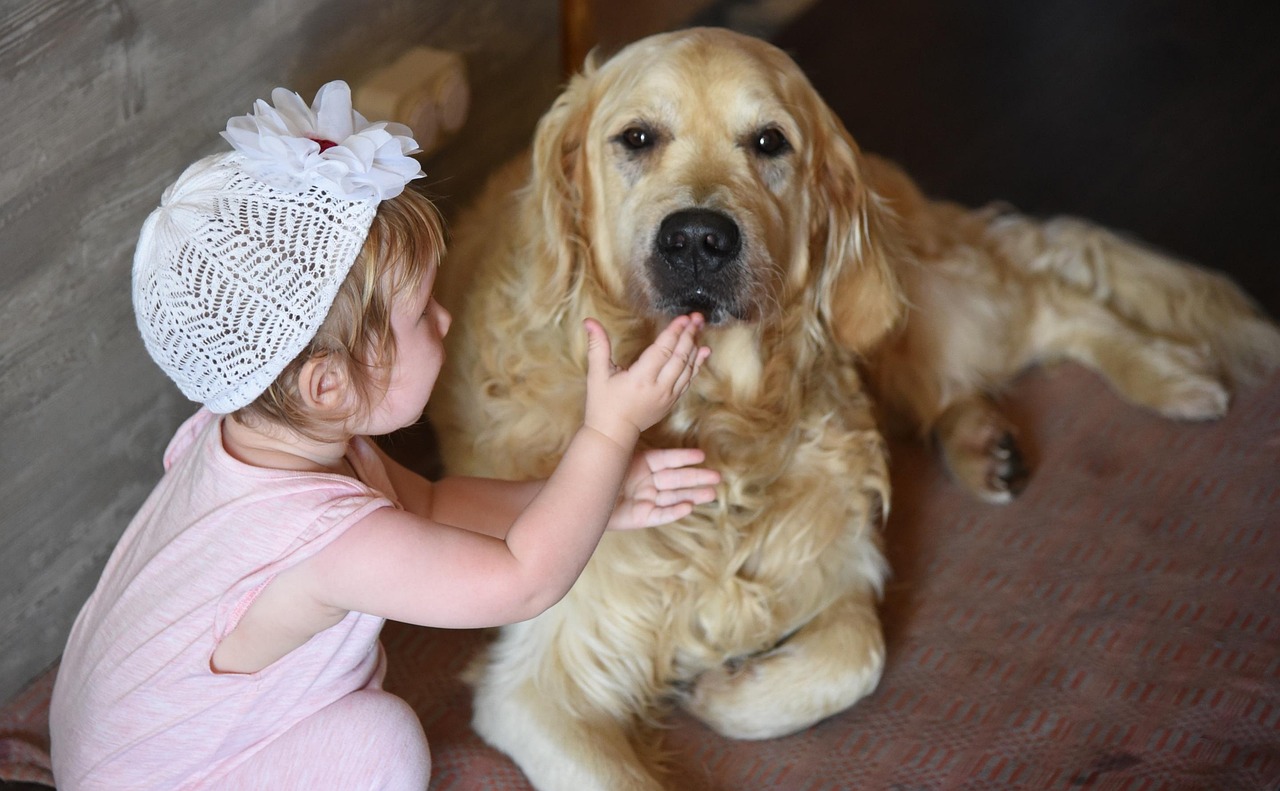
People often assume that a dog with a rough past will always carry scars that make bonding harder. Yet observations in animal psychology point to something different once safety becomes real. The contrast between hardship and genuine care seems to deepen the connection in ways that surprise many owners.
This idea challenges common views about rescue dogs and their potential. It invites a closer look at how early experiences shape later attachments without oversimplifying the process.
The Foundations of Canine Attachment
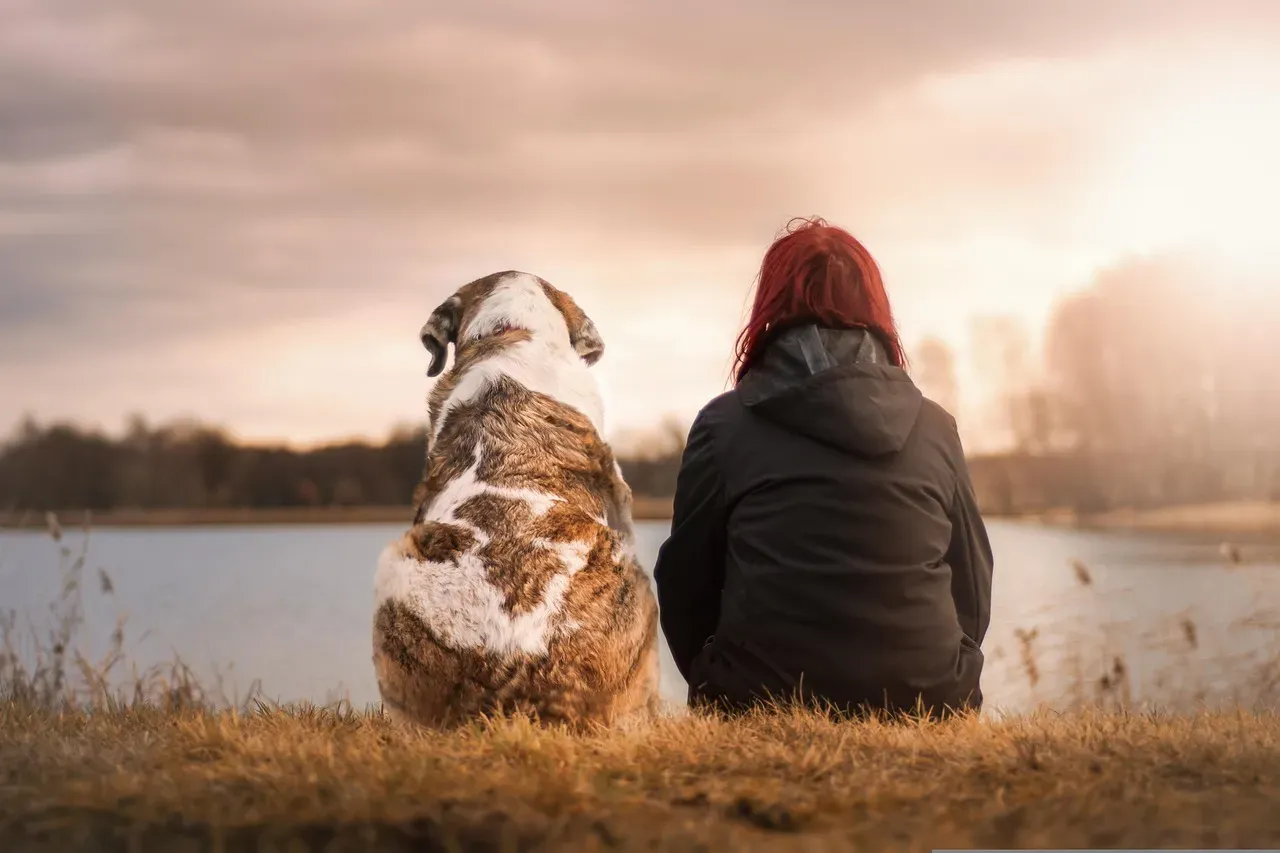
Attachment in dogs develops through consistent interactions that signal safety and reliability. Researchers note that early routines of feeding, play, and gentle handling lay the groundwork for how a dog responds to people later. When those foundations include periods of uncertainty, the eventual arrival of steady care can create a sharper sense of appreciation.
Studies on animal behavior highlight that dogs form bonds based on patterns rather than isolated events. A dog that learns to expect inconsistency may value predictability more intensely once it arrives. This does not erase past challenges but reframes them as part of a longer story of adaptation.
How Trauma Influences Initial Responses

Dogs coming from difficult situations often display caution or withdrawal at first. They may hesitate around sudden movements or new voices because their nervous systems have adapted to vigilance. These reactions serve as protective mechanisms rather than signs of permanent damage.
Over time, repeated positive encounters help recalibrate those responses. The process requires patience because the dog is essentially relearning what human presence can mean. Many handlers observe that this recalibration leads to heightened attentiveness once trust settles in.
The Role of Contrast in Building Bonds
Some accounts suggest that dogs with prior hardship notice the difference between past and present more acutely. The relief of a stable home can amplify small acts of kindness into significant moments of connection. This contrast appears to strengthen the emotional tie in observable ways.
Well cared for dogs from the start may take security for granted in a quiet sense. Their loyalty develops steadily but without the same dramatic shift. Both paths produce devoted companions, yet the journey through recovery often brings an extra layer of attentiveness from the dog.
Practical Steps to Earn That Trust
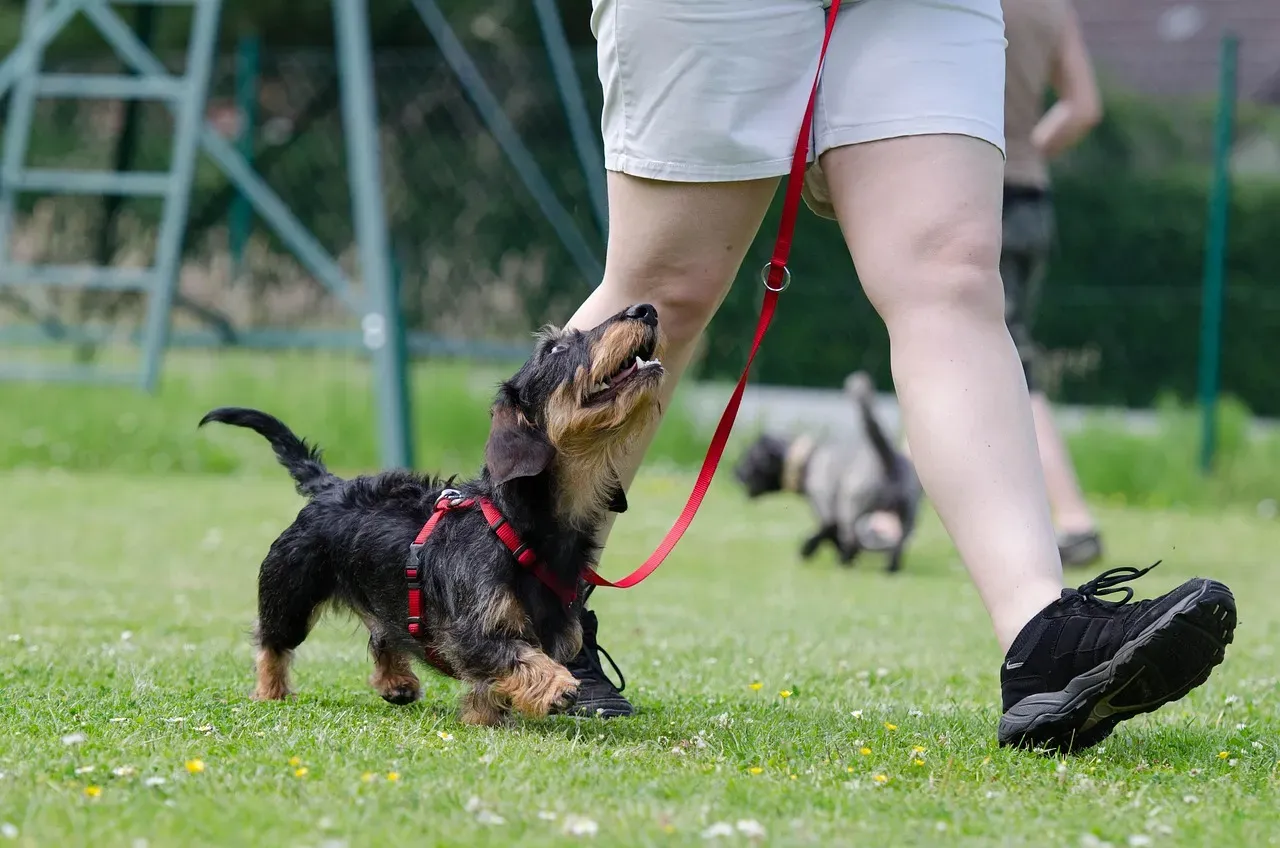
Establishing routines helps a dog predict what comes next and reduces anxiety. Short, calm training sessions paired with rewards build confidence without overwhelming the animal. Consistency in daily care matters more than grand gestures.
Allowing the dog to approach on its own terms respects its pace. Many successful adoptions involve giving space while remaining reliably present. Over weeks or months, these small choices accumulate into a foundation that feels solid to the dog.
Observable Signs of Strengthened Loyalty
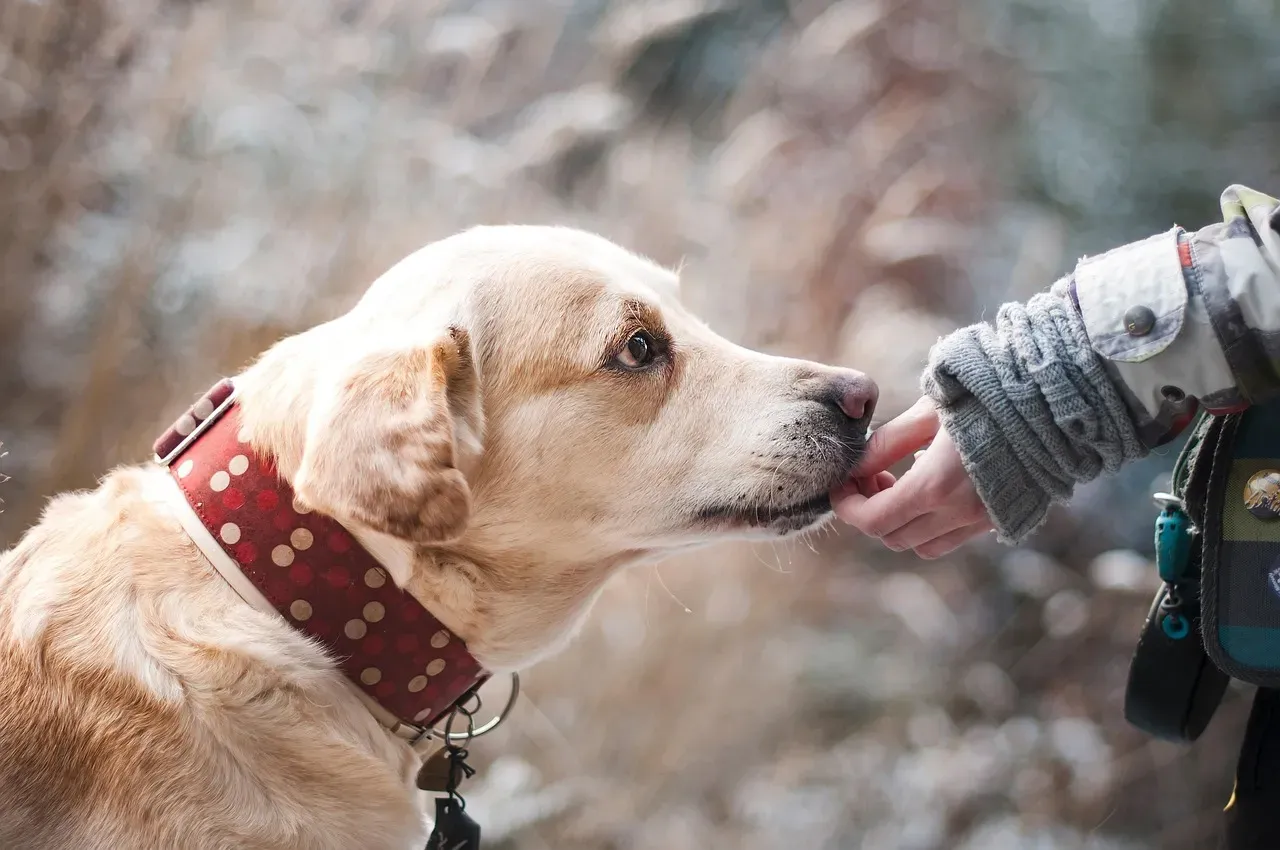
Owners frequently report that formerly abused dogs seek out their company more deliberately once settled. They may follow from room to room or rest in positions that keep the person in view. These behaviors reflect a choice rather than habit alone.
Protective instincts can also surface in gentle ways, such as positioning themselves between their person and perceived unknowns. The loyalty shows up in everyday moments like waiting at the door or responding quickly to calls. These patterns emerge gradually and feel earned on both sides.
Insights from Rescue and Shelter Work

Volunteers at shelters often witness transformations that unfold over extended periods. Dogs that arrived fearful sometimes become the most eager participants in family activities after months of steady handling. The change tends to stick because it rests on real experience rather than assumption.
Comparisons within the same household sometimes reveal differences in how dogs express attachment. Those with recovery stories may display more overt checking in behaviors. Shelter data remains largely observational, yet the patterns recur across many cases.
Reflections on What This Means for Future Bonds
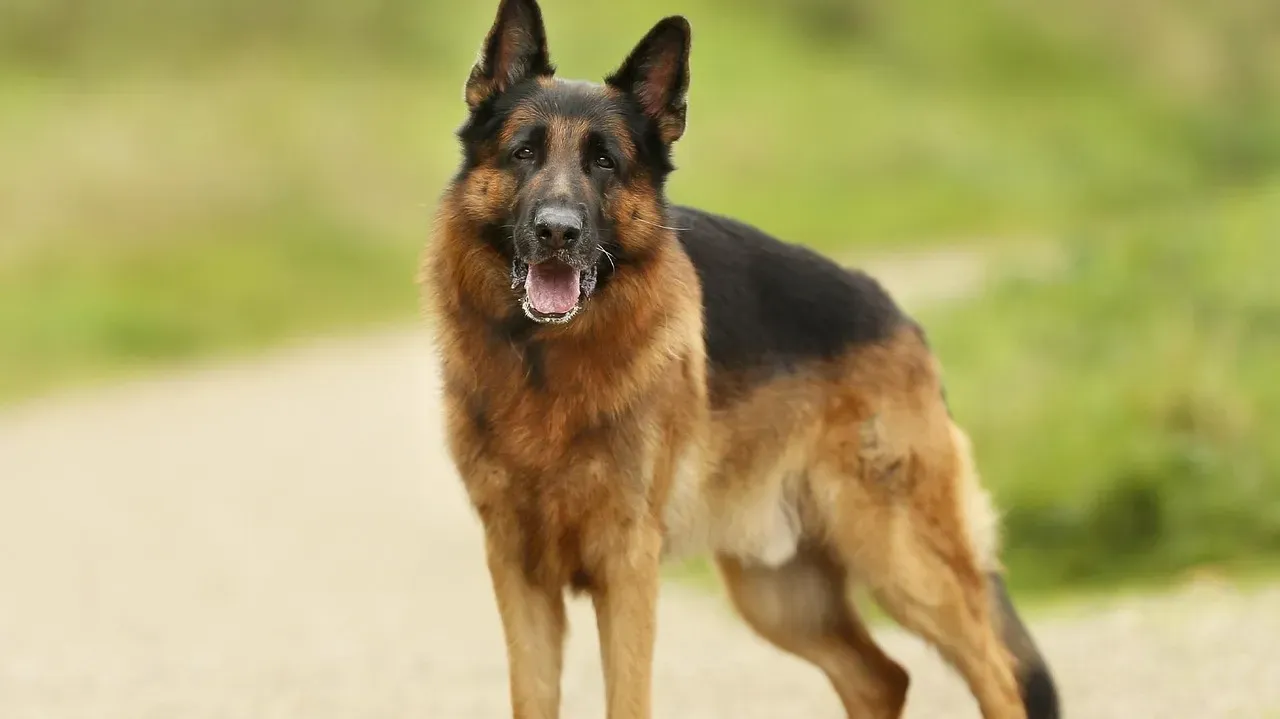
Adopting a dog with a difficult history carries real responsibilities and rewards that unfold slowly. The loyalty that develops can feel particularly meaningful because it required mutual effort to reach. This does not make one dog better than another, only different in its path.
Understanding these dynamics encourages more thoughtful approaches to rescue work overall. It reminds people that patience often yields connections worth the wait. In the end, the strongest bonds grow from respect for each dog’s individual story rather than expectations of instant devotion.


