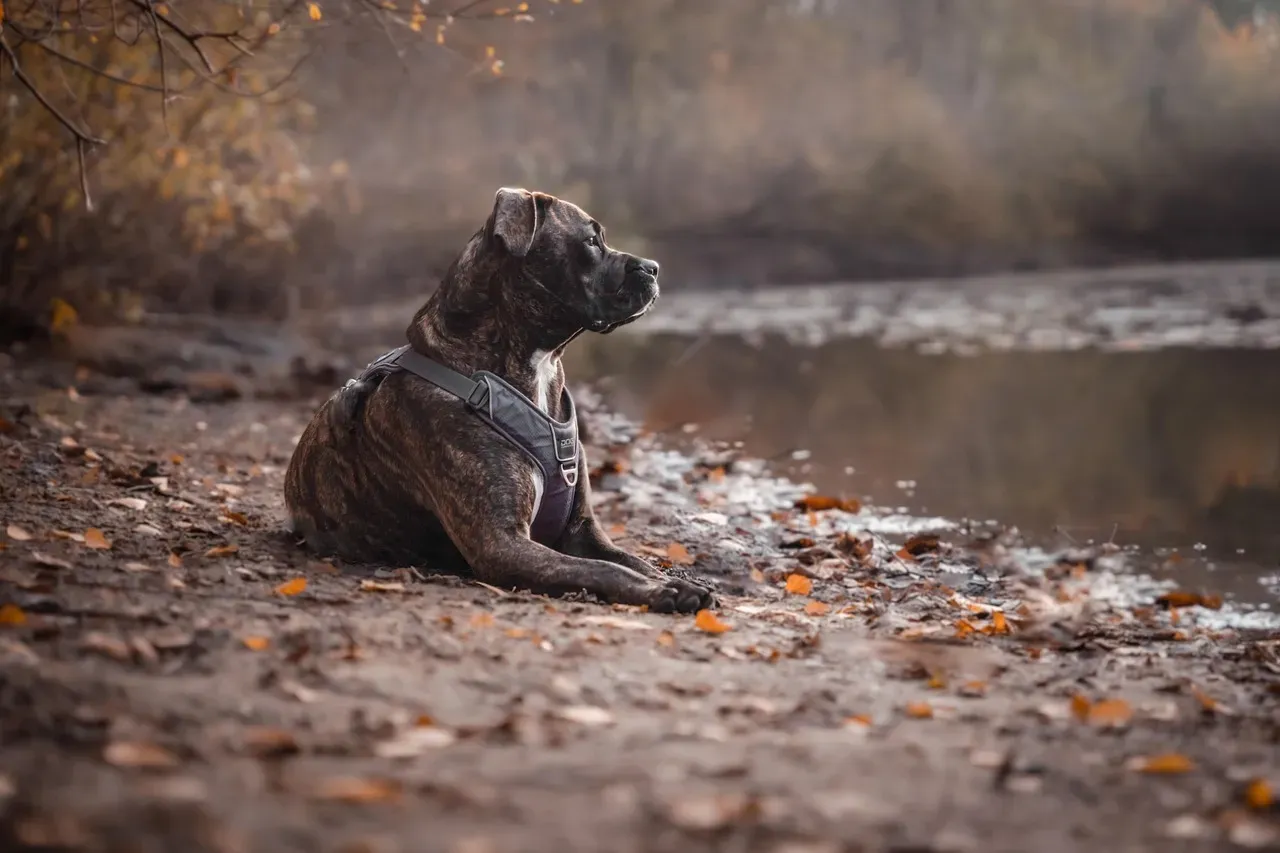
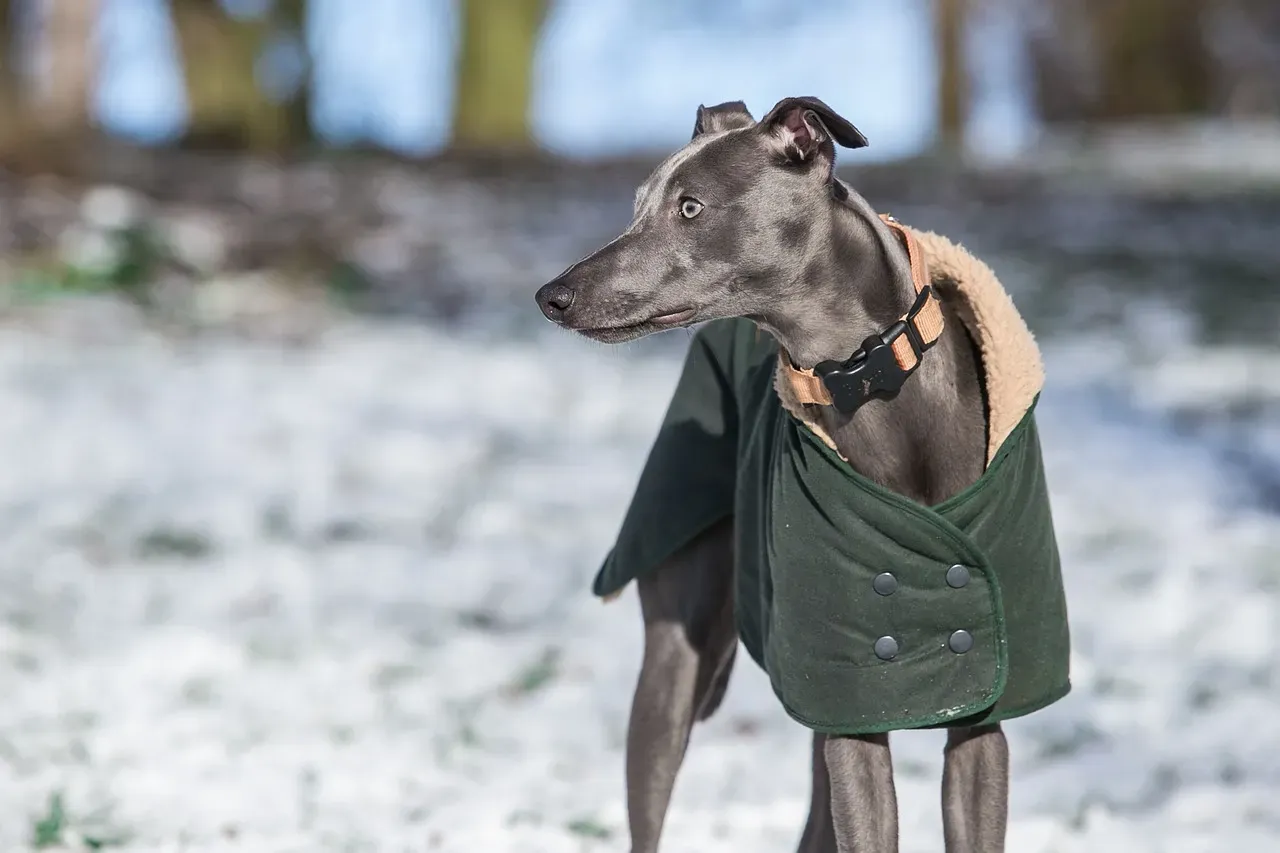
Bringing a new dog into a home with cats can be a delightful experience, but it’s crucial to consider the compatibility between the two species. Some dog breeds possess strong prey drives or herding instincts that can make cohabitation with cats challenging. Understanding these tendencies can help ensure a harmonious household.
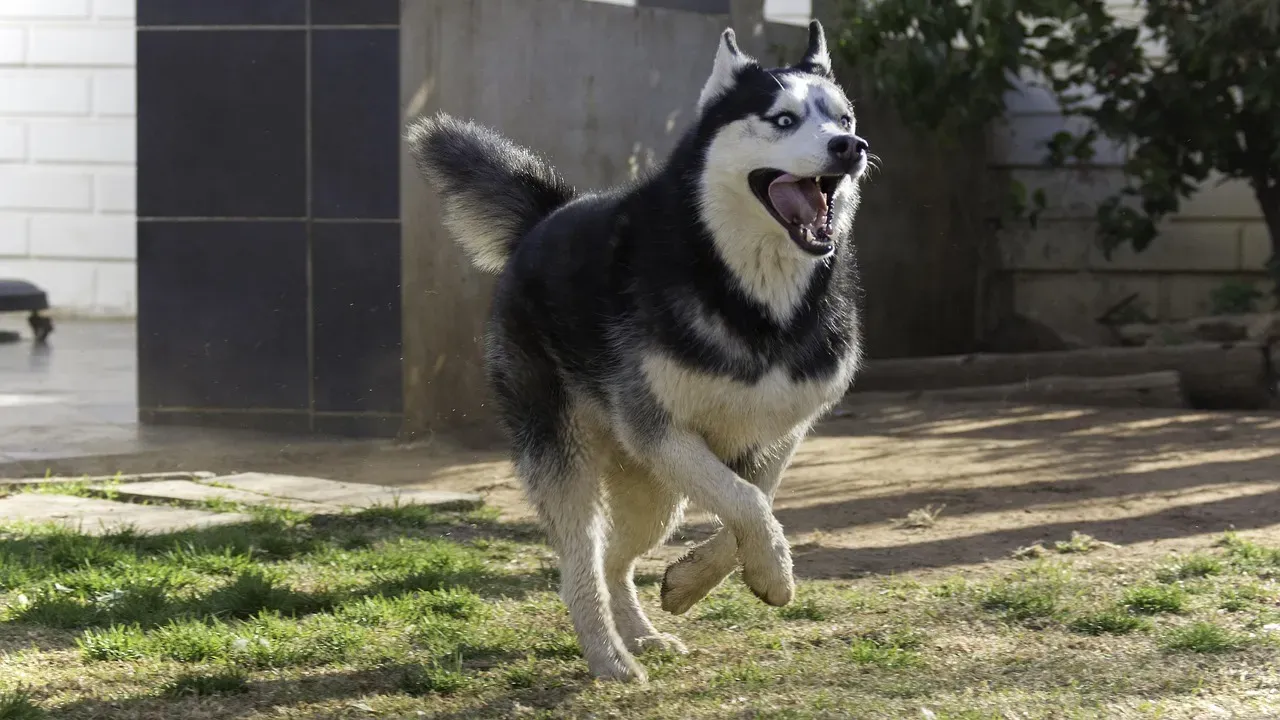
Siberian Husky
Siberian Husky (Image Credits: Pixabay)Siberian Huskies are renowned for their striking appearance and energetic nature. Originally bred as sled dogs, they have a strong prey drive, which can lead them to chase smaller animals, including cats. Their independent and adventurous spirit may make it difficult to train them to coexist peacefully with feline companions.While some Huskies can learn to live with cats, it often requires extensive training and supervision. Their high energy levels and natural instincts can pose a risk to smaller pets, making them less ideal for households with cats.
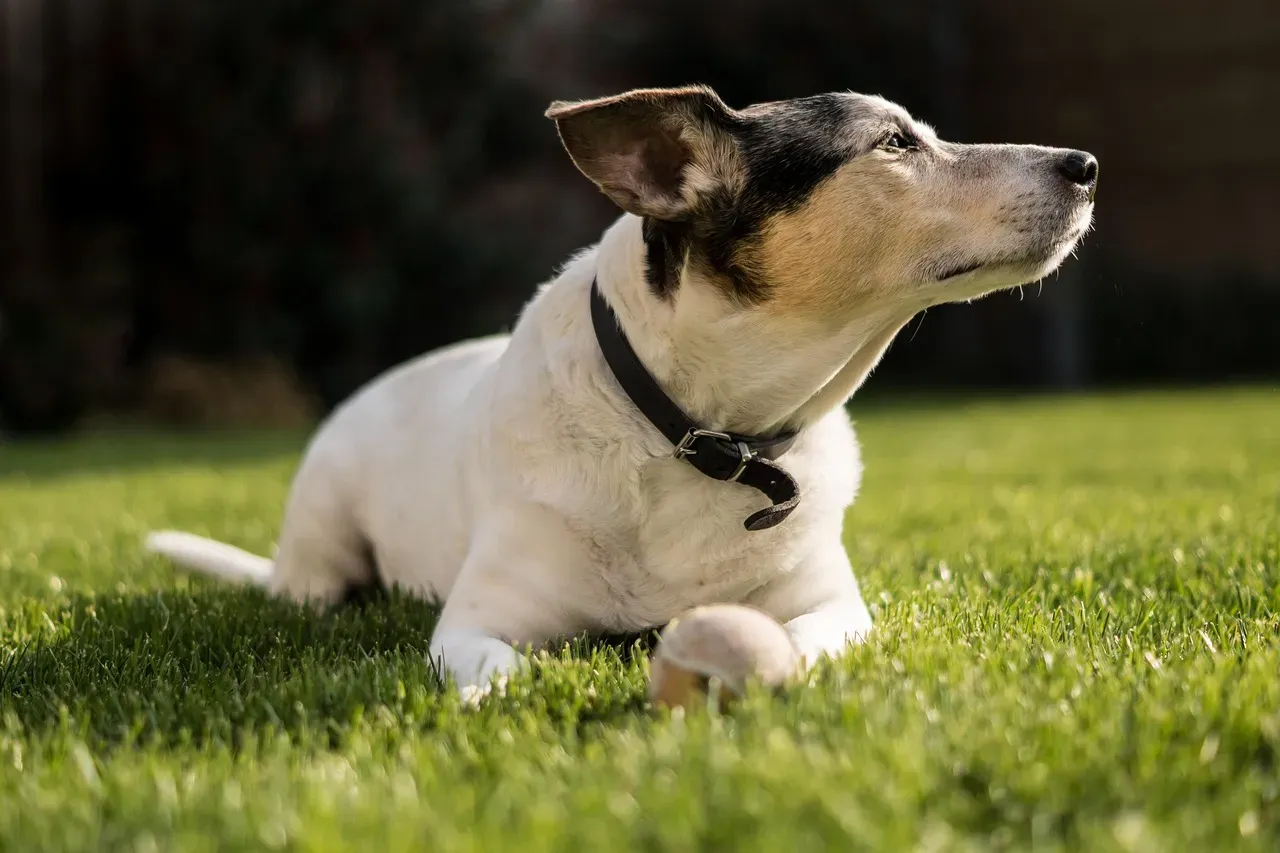
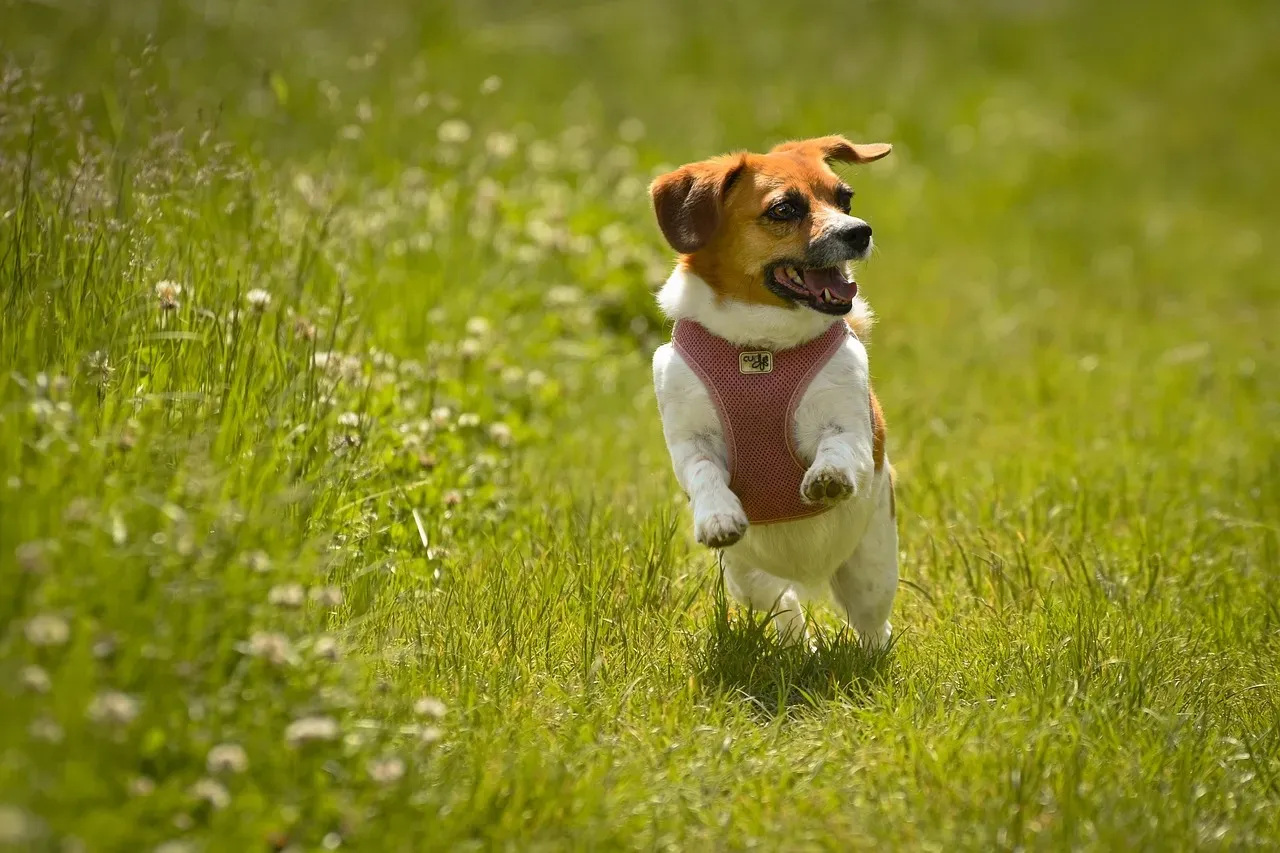
Jack Russell Terrier
Jack Russell Terrier (Image Credits: Pixabay)Jack Russell Terriers are small but mighty, known for their boundless energy and fearless nature. Bred for hunting foxes and other small game, they have an innate urge to chase, which can be problematic in a home with cats. Their intense playfulness and high energy levels may overwhelm more reserved feline housemates.Even with proper training, their strong prey drive can make peaceful coexistence with cats challenging. It’s essential to consider their natural instincts before introducing them into a multi-pet household.
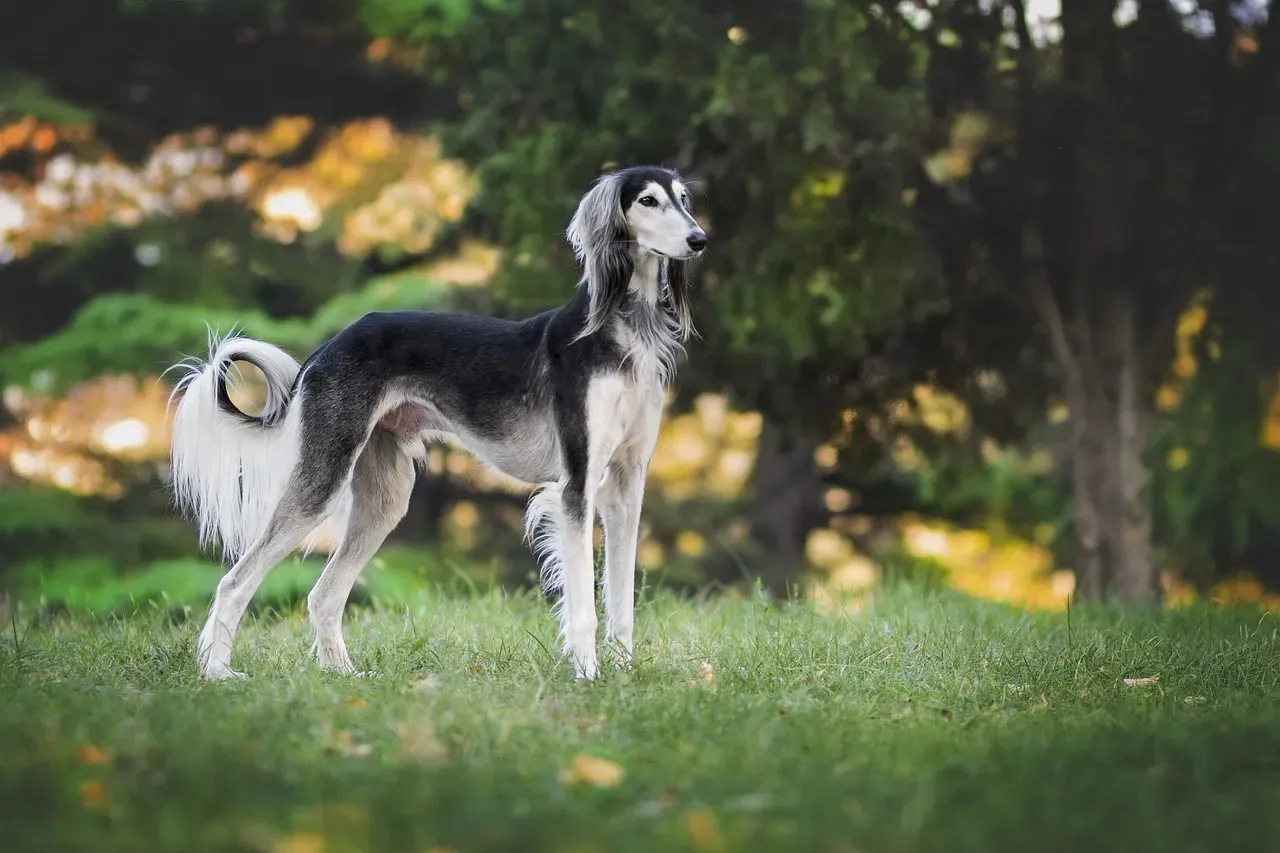
Greyhound
Greyhound (Image Credits: Pixabay)Greyhounds are gentle and intelligent dogs, originally bred for coursing and hunting. Their incredible speed and strong prey drive make them prone to chasing smaller animals, including cats. Even retired racing Greyhounds may retain these instincts, making it difficult for them to resist the urge to pursue a fleeing feline.While some Greyhounds can adapt to living with cats, it requires careful management and supervision. Their natural tendencies can pose challenges in a mixed-pet household.
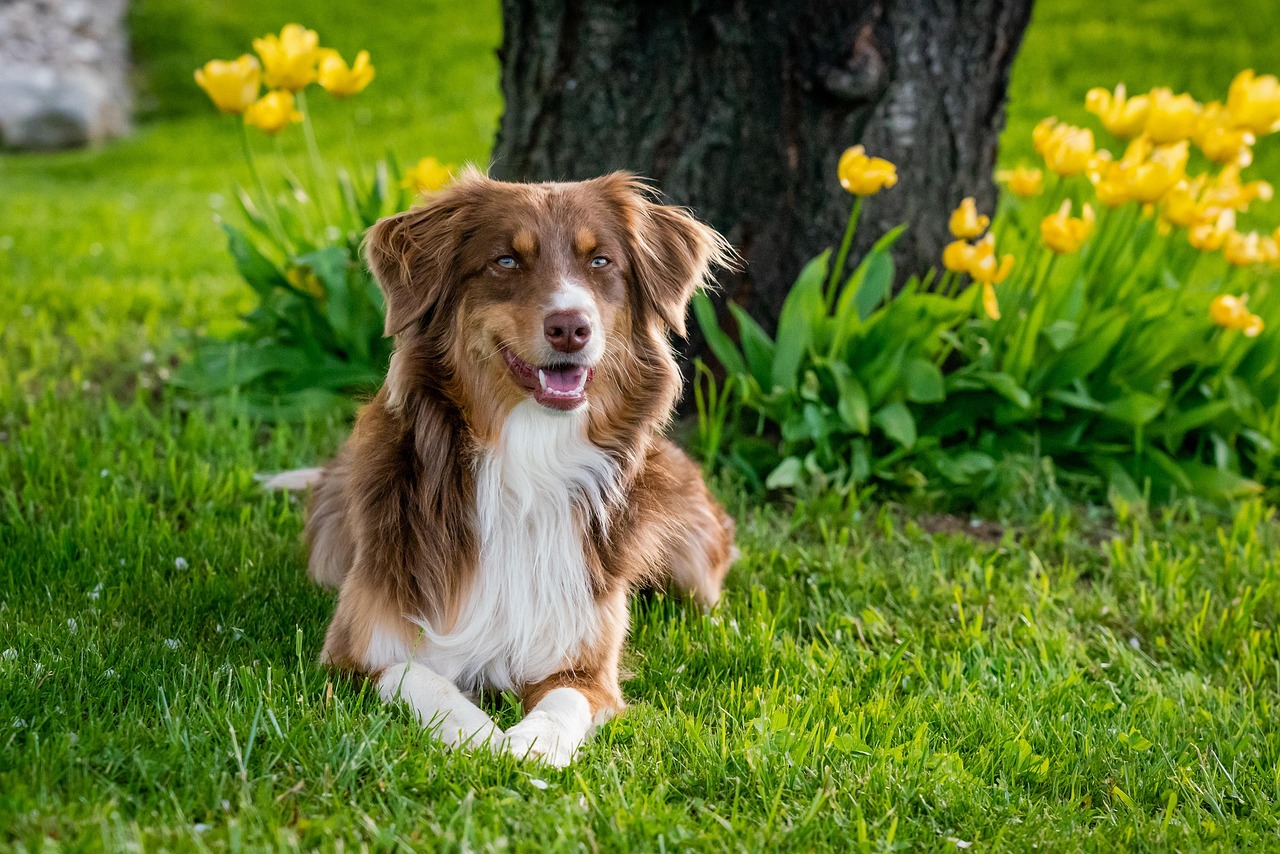
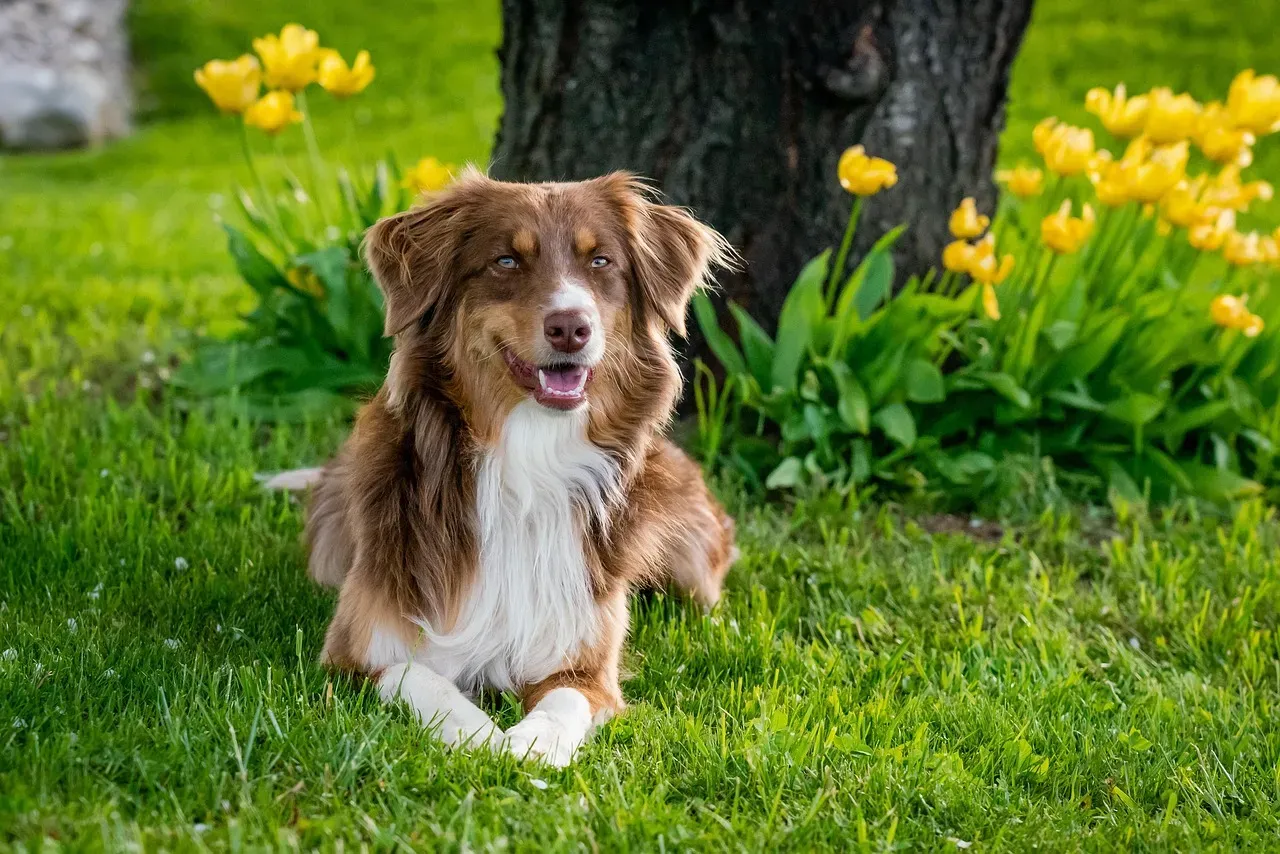
Australian Cattle Dog
Australian Cattle Dog (Image Credits: Pixabay)Australian Cattle Dogs are known for their loyalty and high energy. As herding dogs, they have a strong instinct to chase and control the movement of other animals, which can lead to them herding or chasing cats. This behavior can be stressful for feline companions who prefer a more relaxed environment.Their protective nature and high energy levels may not align well with the independent and solitary nature of cats, making cohabitation challenging.
Weimaraner
Weimaraner (Image Credits: Pixabay)Weimaraners are large, muscular dogs originally bred for hunting large game. Their strong prey drive and high energy levels can make them prone to chasing smaller animals, including cats. Even with training, their natural instincts may make it difficult for them to coexist peacefully with feline companions.Their size and strength can also pose a risk to smaller pets, making them less suitable for households with cats.
Beagle
Beagle (Image Credits: Pixabay)Beagles are friendly and intelligent dogs, originally bred for hunting hares. Their strong sense of smell and high energy levels can lead them to chase smaller animals, including cats. While they are generally good-natured, their natural instincts can make cohabitation with cats challenging.Proper training and supervision are essential to ensure a peaceful household, but their innate tendencies may still pose challenges.
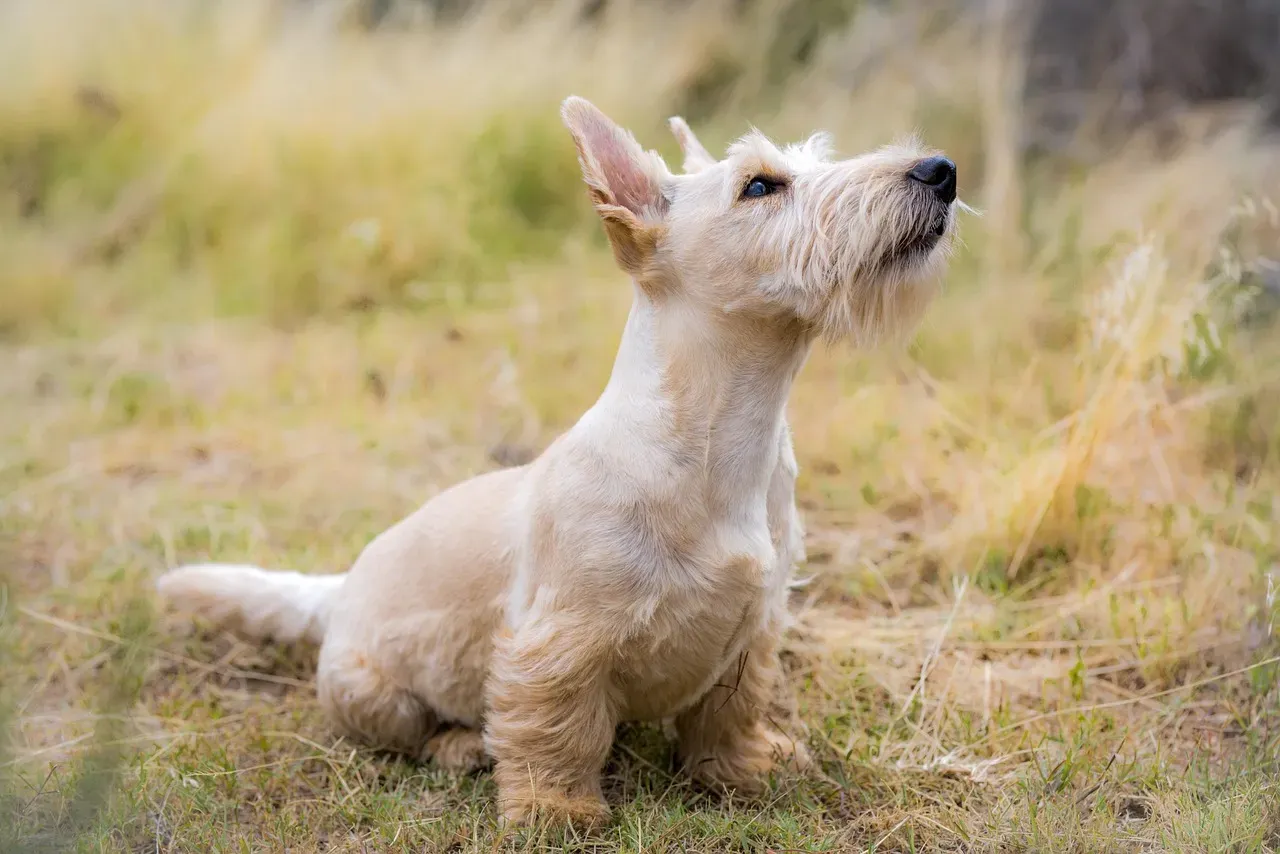
Scottish Deerhound
Scottish Deerhound (Image Credits: Pixabay)Scottish Deerhounds are friendly and dignified dogs, originally bred to hunt deer. Their strong hunting instincts and high prey drive can make them prone to chasing smaller animals, including cats. Even with training, their natural tendencies may make it difficult for them to coexist peacefully with feline companions.Their size and strength can also pose a risk to smaller pets, making them less suitable for households with cats.
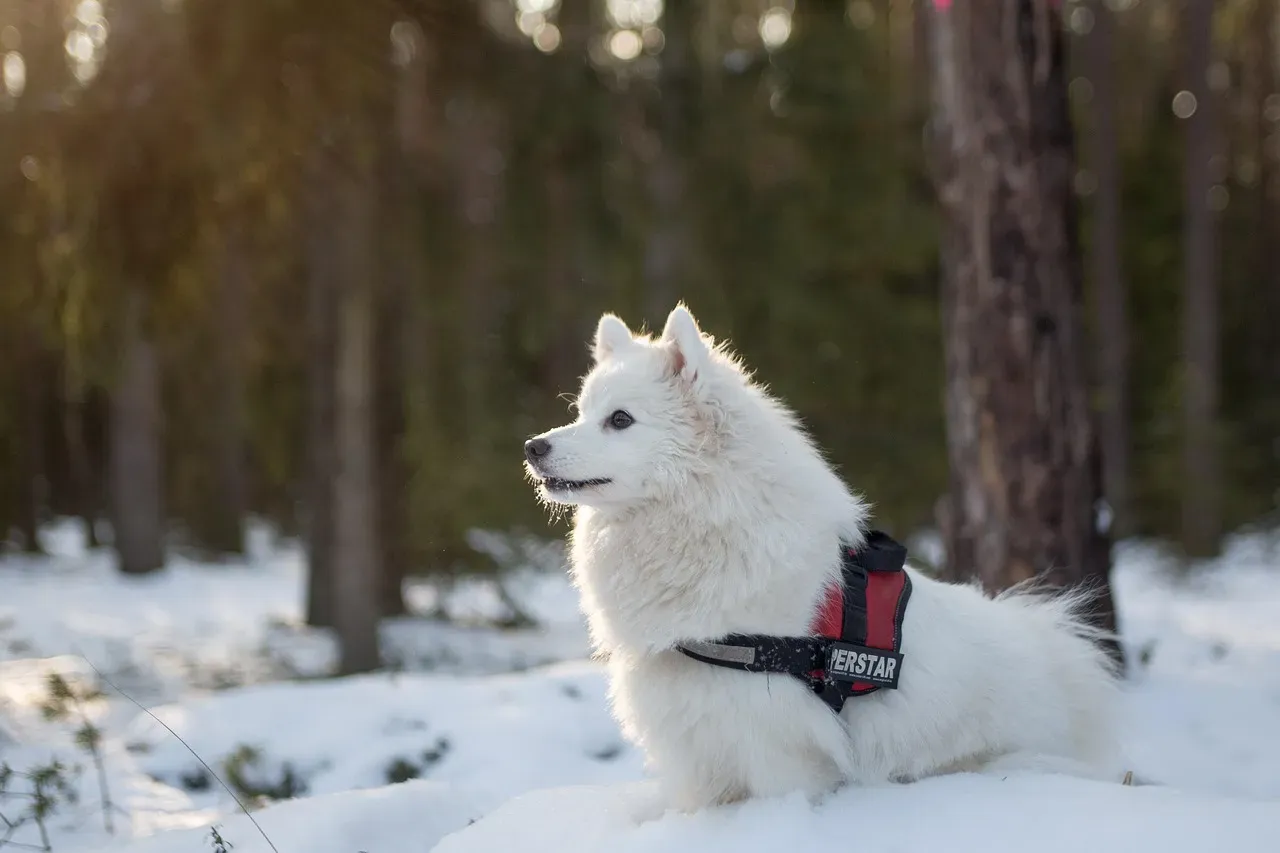
Samoyed
Samoyed (Image Credits: Pixabay)Samoyeds are playful and lively dogs, originally bred for herding and hunting. Their strong prey drive and high energy levels can make them prone to chasing smaller animals, including cats. Even with training, their natural instincts may make it difficult for them to coexist peacefully with feline companions.Their stubborn nature can also make training challenging, further complicating cohabitation with cats.
American Pit Bull Terrier
American Pit Bull Terrier (Image Credits: Pixabay)American Pit Bull Terriers are strong and confident dogs, known for their affectionate nature towards humans. However, their strong prey drive and high energy levels can make them prone to chasing smaller animals, including cats. Even with training, their natural instincts may make it difficult for them to coexist peacefully with feline companions.Early socialization is key, but their innate tendencies may still pose challenges in a mixed-pet household.
Whippet
Whippet (Image Credits: Pixabay)Whippets are gentle and affectionate dogs, originally bred for hunting small game. Their strong prey drive and high energy levels can make them prone to chasing smaller animals, including cats. Even with training, their natural instincts may make it difficult for them to coexist peacefully with feline companions.Their incredible speed makes them particularly adept at catching fleeing animals, posing a risk to cats in the household.In conclusion, while individual dogs may vary, certain breeds possess natural instincts that can make cohabitation with cats challenging. It’s essential to consider these tendencies and assess each dog’s temperament and training before introducing them into a home with feline companions. Ensuring a harmonious household requires careful planning and supervision.