
Imagine settling in for a peaceful evening, only to have it shattered by incessant barking. While all dogs vocalize to some extent, certain breeds are notorious for their relentless barking. Understanding which breeds are prone to this behavior and learning effective calming techniques can transform your home into a serene sanctuary.
Beagle

Beagles, originally bred for hunting, possess a strong instinct to vocalize. Their distinctive howls and barks were essential for alerting hunters to their location. However, in a domestic setting, this trait can lead to excessive noise, especially when they catch an intriguing scent or feel bored.
To mitigate their barking, ensure Beagles receive ample physical exercise and mental stimulation. Engaging them in scent-based games or providing puzzle toys can keep their minds occupied. Consistent training that rewards quiet behavior can also be beneficial.
Chihuahua

Despite their diminutive size, Chihuahuas have a big voice. Their alert nature makes them quick to bark at unfamiliar sights and sounds, often perceiving themselves as guardians of their domain. This can result in frequent barking at strangers or even routine noises.
Socializing Chihuahuas from a young age can help them become more accustomed to various stimuli, reducing their tendency to bark. Teaching commands like “quiet” and rewarding them for calm behavior can also be effective in managing their vocalizations.
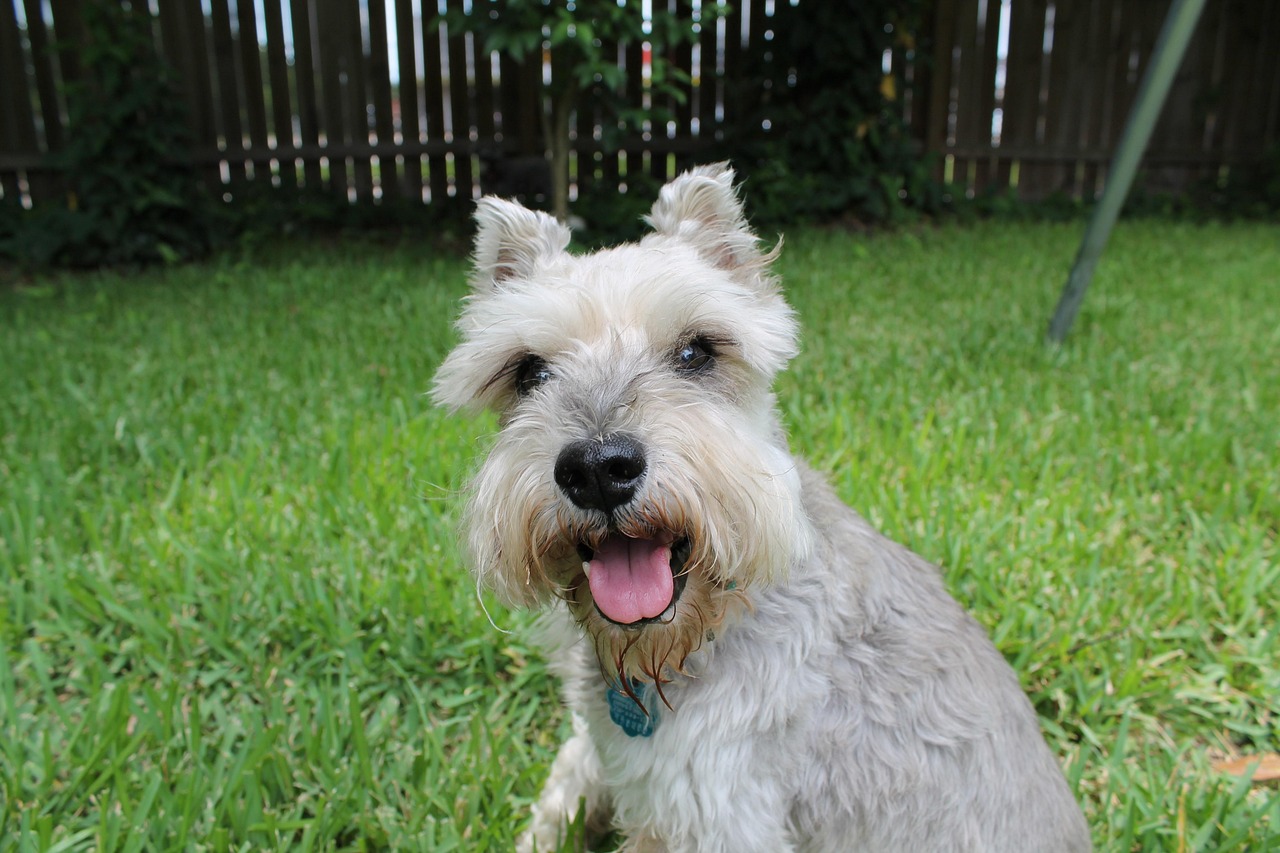
Miniature Schnauzer
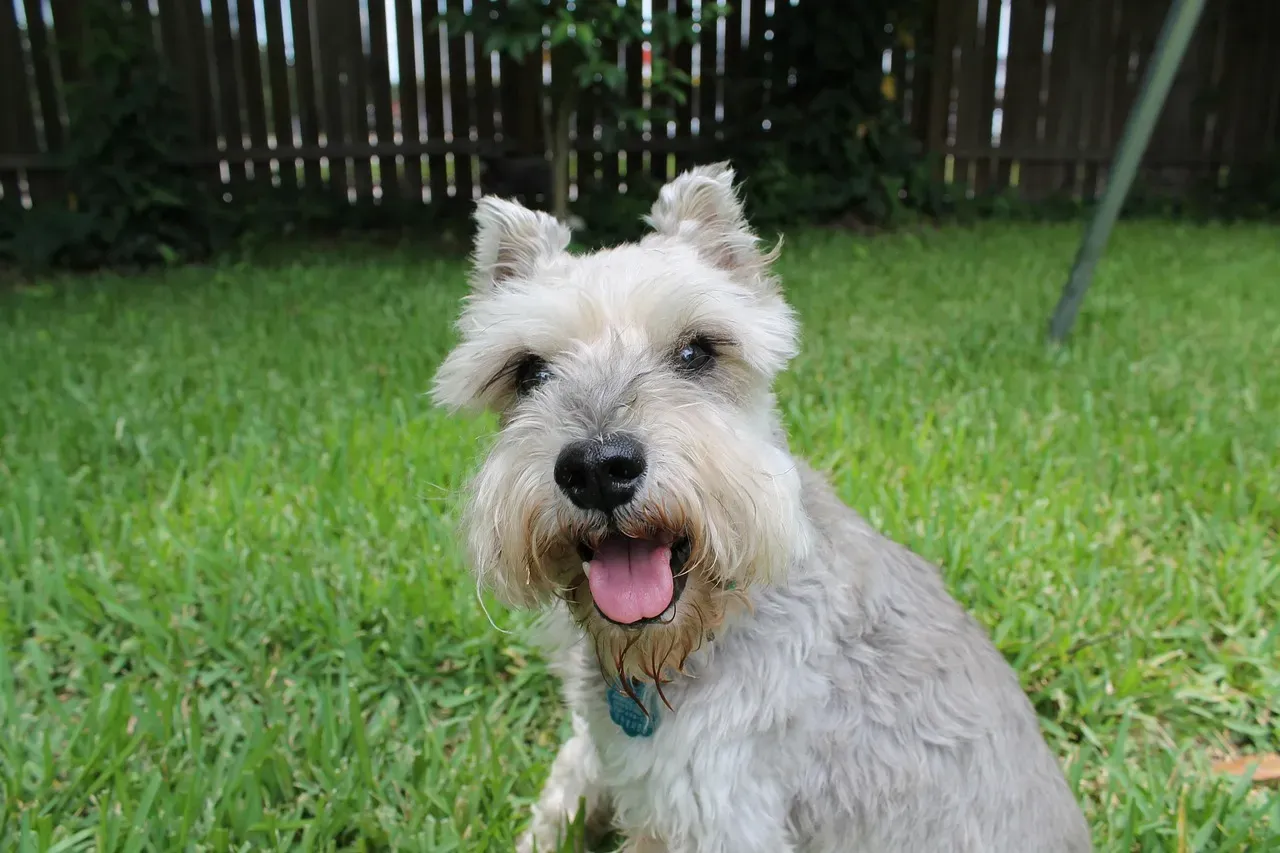
Miniature Schnauzers were bred as watchdogs, making them naturally inclined to bark at anything unusual. Their keen senses and protective nature mean they often alert their owners to perceived threats, real or imagined.
Providing regular mental and physical exercise can help channel their energy positively. Training them to respond to commands like “enough” or “quiet,” combined with positive reinforcement, can teach them when it’s appropriate to bark and when to remain silent.
Yorkshire Terrier

Yorkshire Terriers, or Yorkies, are small but mighty when it comes to barking. Their history as rat hunters has instilled a strong instinct to alert their owners to any movement or noise, leading to frequent barking episodes.
Early training is crucial for Yorkies. Teaching them commands to control their barking and ensuring they have plenty of interactive toys can keep them engaged. Avoiding reinforcement of barking behavior by not immediately responding to their vocalizations can also be helpful.
Dachshund

Dachshunds were originally bred to hunt burrowing animals, which required a loud bark to alert hunters. This trait persists today, with many Dachshunds barking at unfamiliar people, animals, or noises.
Regular exercise and mental stimulation can help reduce their need to bark. Training them to respond to commands that encourage quiet behavior, along with socialization to reduce anxiety around new experiences, can be effective strategies.
Pomeranian

Pomeranians may be small, but they have a big personality and an equally big bark. Their alertness and tendency to be territorial can lead to frequent barking, especially when they encounter new people or animals.
Establishing a routine that includes regular playtime and training sessions can help manage their barking. Teaching them to associate quiet behavior with rewards can encourage them to bark less. Socialization can also help them feel more comfortable in various situations, reducing anxiety-induced barking.
Fox Terrier

Fox Terriers are energetic and alert, traits that make them excellent hunters but also prone to barking. They often bark out of excitement or to alert their owners to perceived threats.
Providing ample physical activity and mental challenges can help manage their energy levels. Training them to understand when barking is appropriate and rewarding them for quiet behavior can also be beneficial in controlling excessive barking.
Shetland Sheepdog
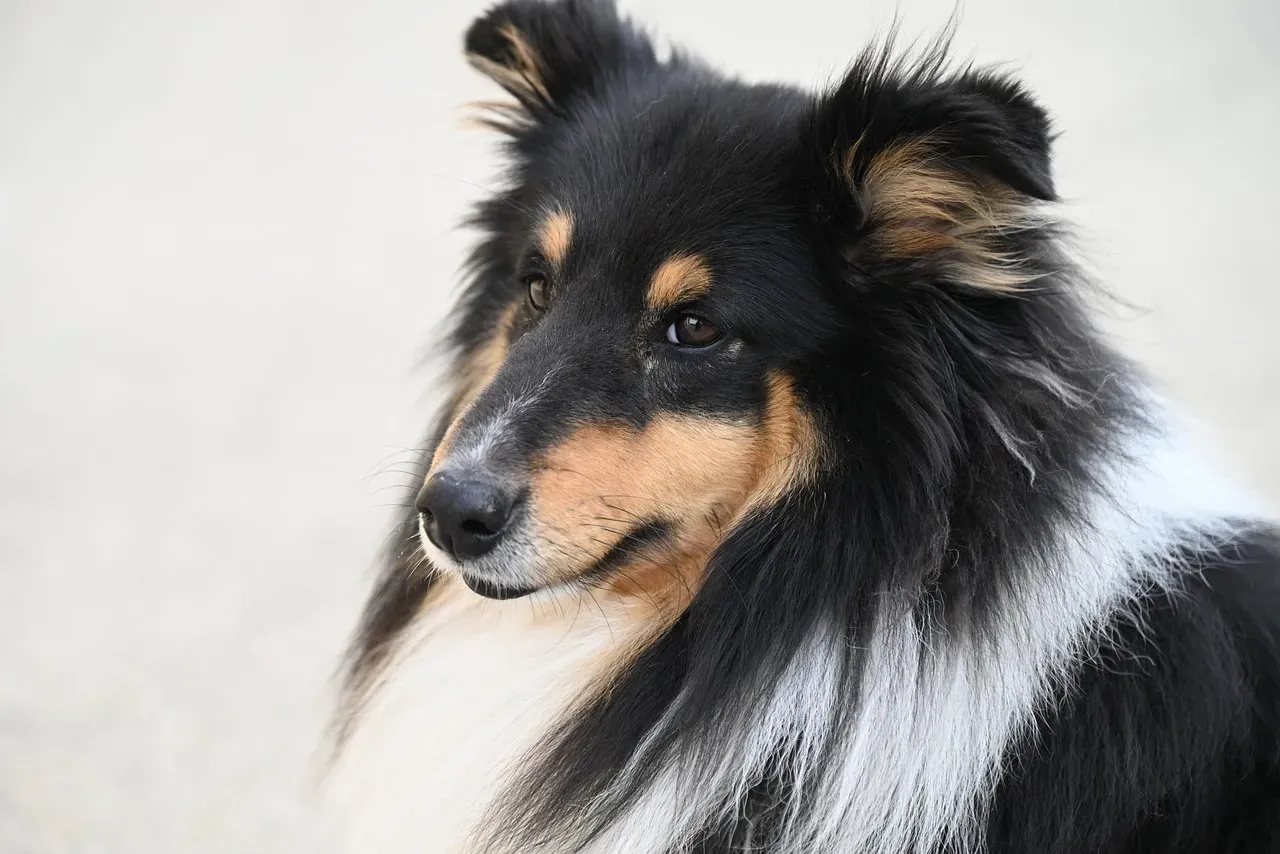
Shetland Sheepdogs, or Shelties, are intelligent and sensitive dogs known for their vocal nature. Their herding background means they are always on alert, often barking to communicate with their owners or to warn of potential dangers.
Engaging Shelties in activities that stimulate their minds, such as agility training or herding exercises, can help reduce unnecessary barking. Teaching them commands to control their barking and providing positive reinforcement for quiet behavior can also be effective.
In conclusion, while barking is a natural form of communication for dogs, excessive barking can be managed with the right approach. Understanding the specific needs and traits of your dog’s breed, combined with consistent training and adequate stimulation, can lead to a more harmonious living environment. Remember, patience and positive reinforcement are key. After all, isn’t a peaceful home worth the effort?


