Dogs have a way of embedding themselves into our hearts with their unique and sometimes downright peculiar behaviors. These quirks not only make them endearing but also unforgettable companions. Let’s delve into some of these charming canine idiosyncrasies.
The Tail-Chasing Tango
The Tail-Chasing Tango (Image Credits: Pixabay)Ever watched a dog spin in circles, trying to catch its own tail? This amusing spectacle often leaves us chuckling. While it might seem like a playful act, tail-chasing can be a sign of boredom or pent-up energy. Ensuring your dog gets ample exercise and mental stimulation can reduce this behavior.However, if tail-chasing becomes obsessive, it might indicate underlying issues like anxiety or medical concerns. It’s essential to monitor the frequency and context of this behavior to ensure your furry friend remains healthy and happy.
Zoomies: The Sudden Burst of Energy
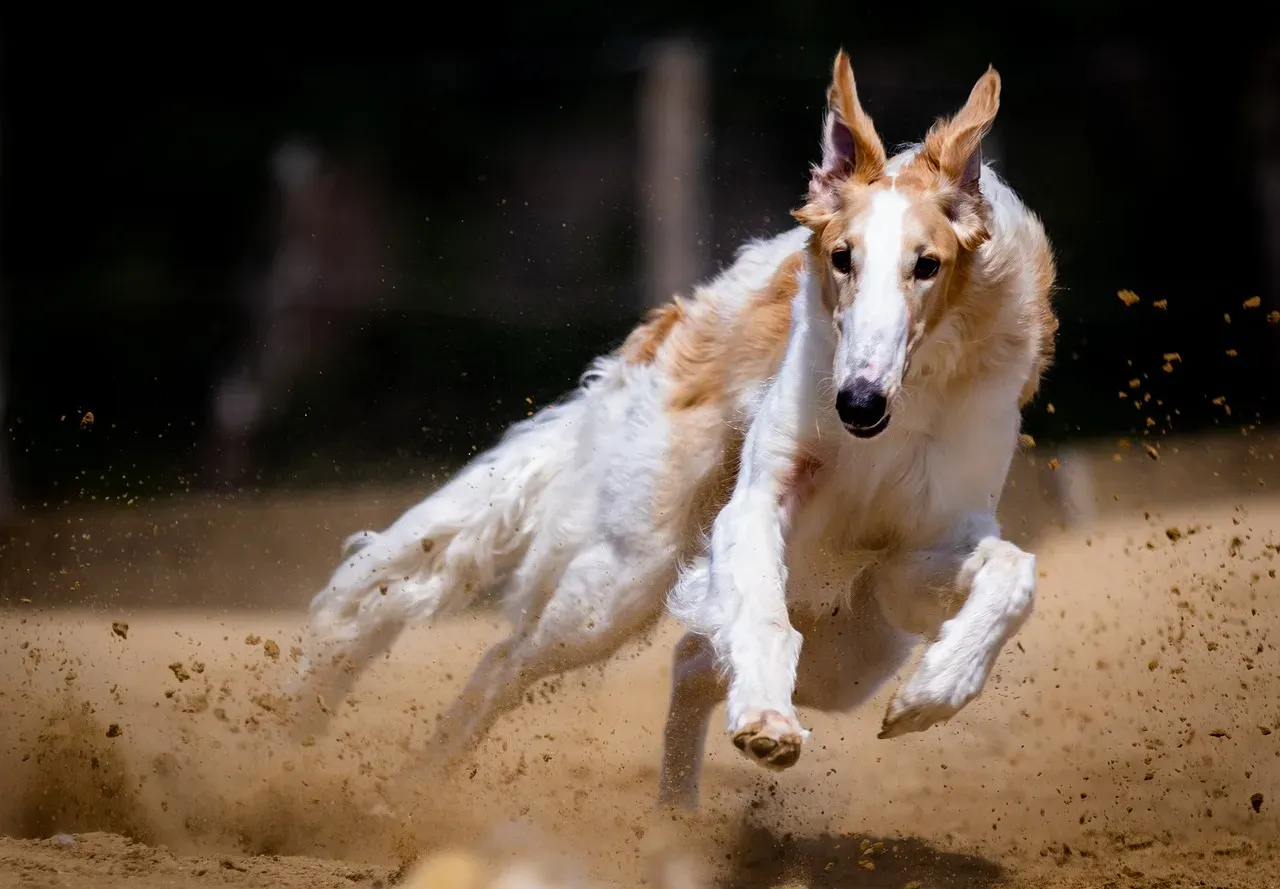
Zoomies: The Sudden Burst of Energy (Image Credits: Pixabay)One moment your dog is lounging peacefully; the next, it’s racing around the house like a whirlwind. These sudden energy bursts, often termed “zoomies,” are a delightful display of unbridled joy. They usually occur after baths, during playtime, or when your dog is simply feeling exuberant.While zoomies are generally harmless, ensure your environment is safe to prevent any accidental injuries. Embrace these moments as a testament to your dog’s zest for life.
Head Tilting: The Quizzical Look
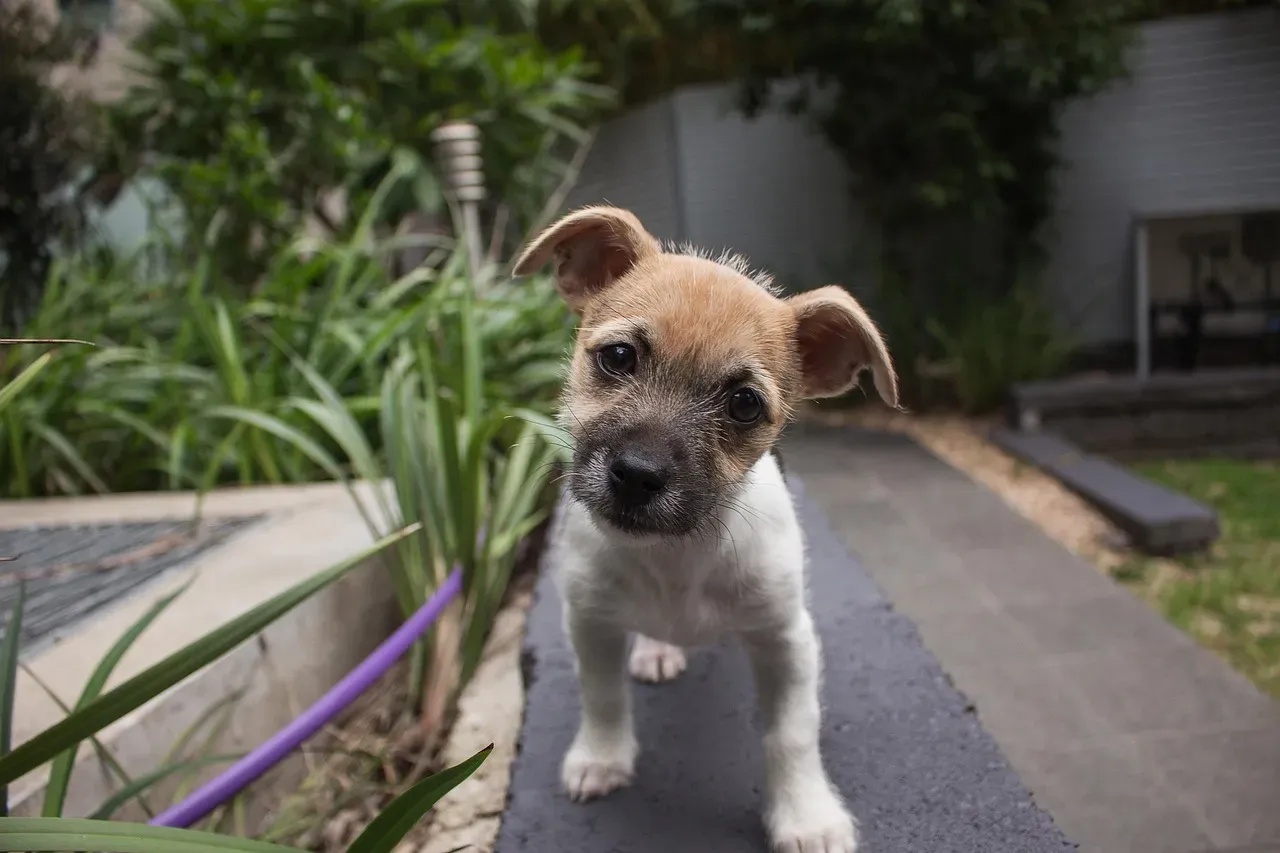
Head Tilting: The Quizzical Look (Image Credits: Pixabay)That adorable head tilt when you speak to your dog isn’t just for show. Dogs tilt their heads to adjust their ears, helping them better understand the sounds they’re hearing. This behavior showcases their attentiveness and desire to comprehend their human companions.Additionally, head tilting might be a way for dogs to gauge our reactions and emotions. It’s a heartwarming reminder of the deep bond and communication we share with our canine friends.
Digging: The Backyard Excavator
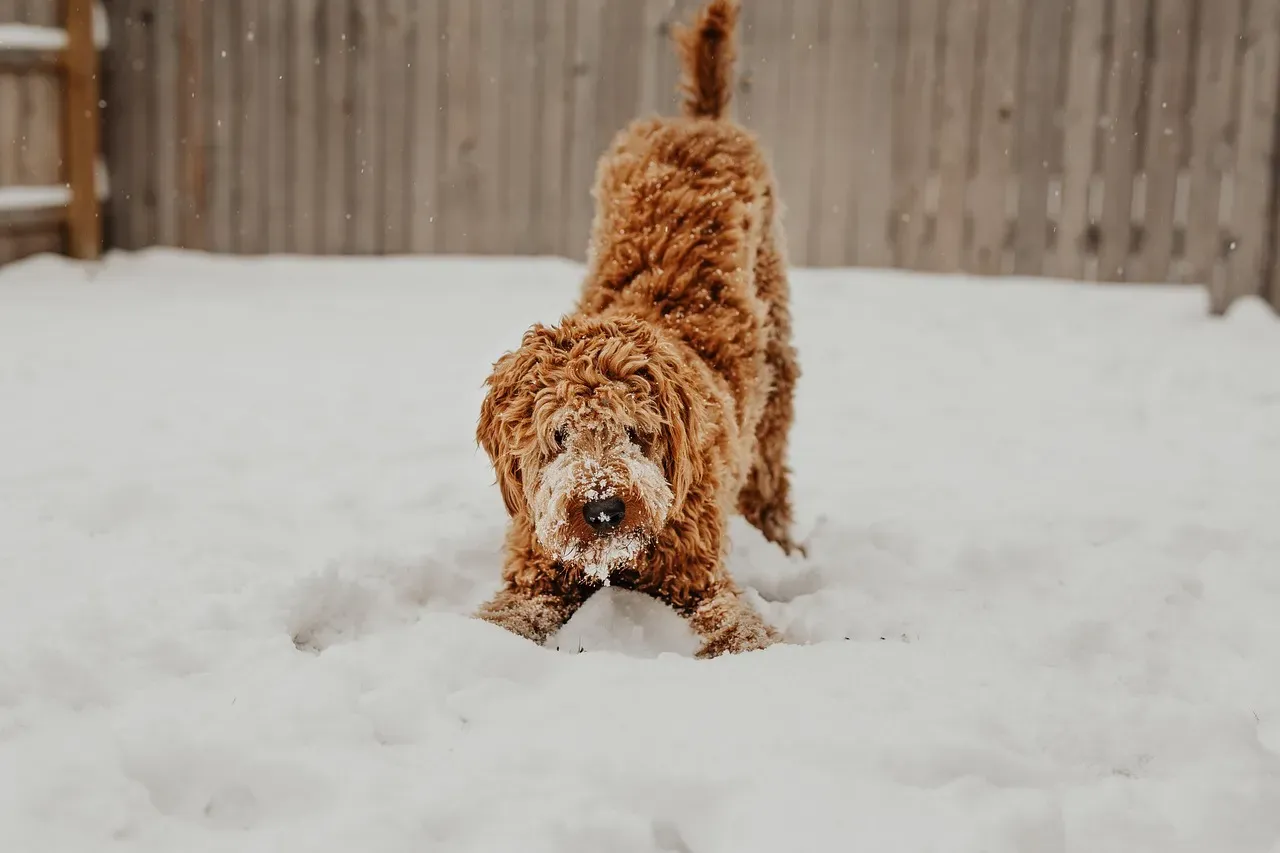
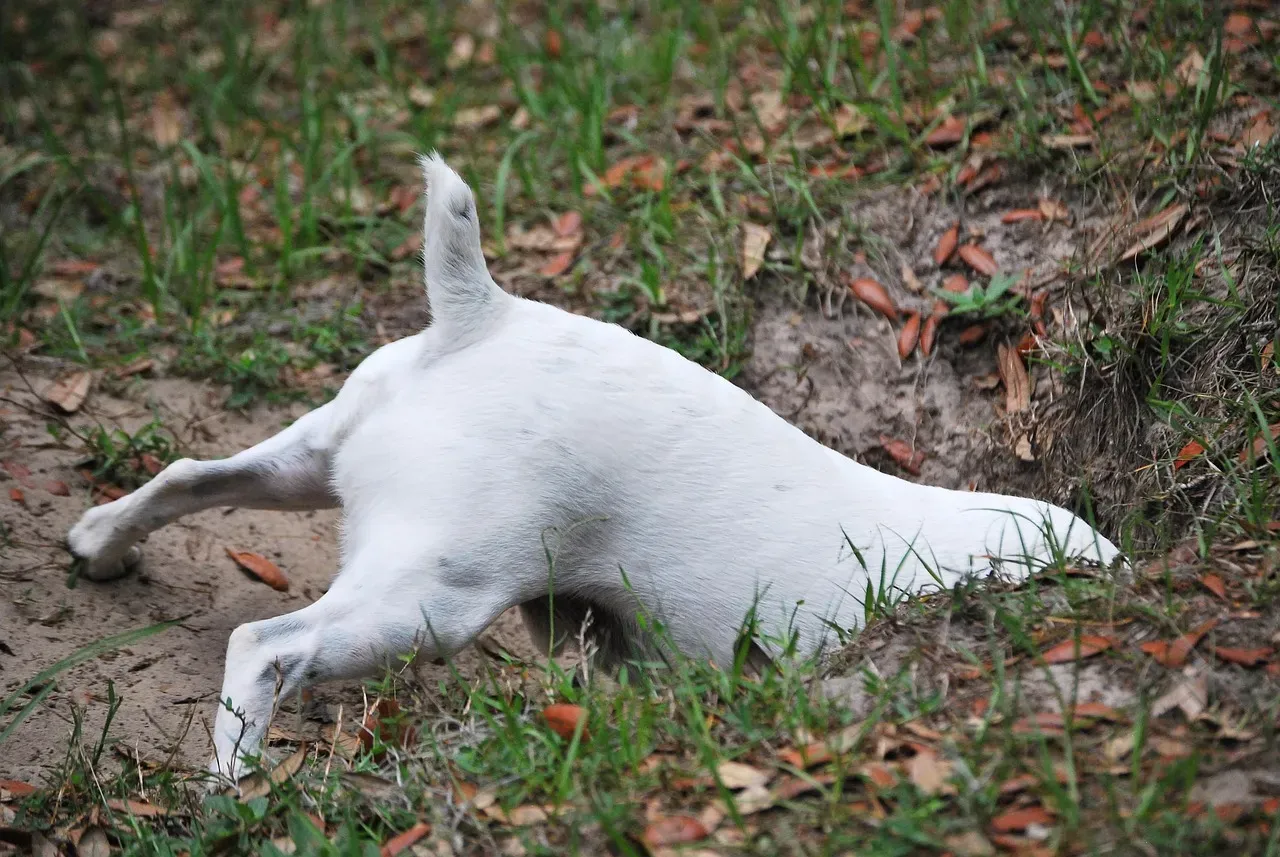
Digging: The Backyard Excavator (Image Credits: Pixabay)If your garden resembles a lunar landscape, your dog might be the culprit. Digging is an instinctual behavior rooted in their ancestry. Dogs dig to bury treasures, create cool resting spots, or even hunt for burrowing critters.To manage this behavior, provide designated digging areas or engage your dog in activities that satisfy their natural instincts. Understanding the motivation behind the digging can help in redirecting it appropriately.
Rolling in Unpleasant Scents
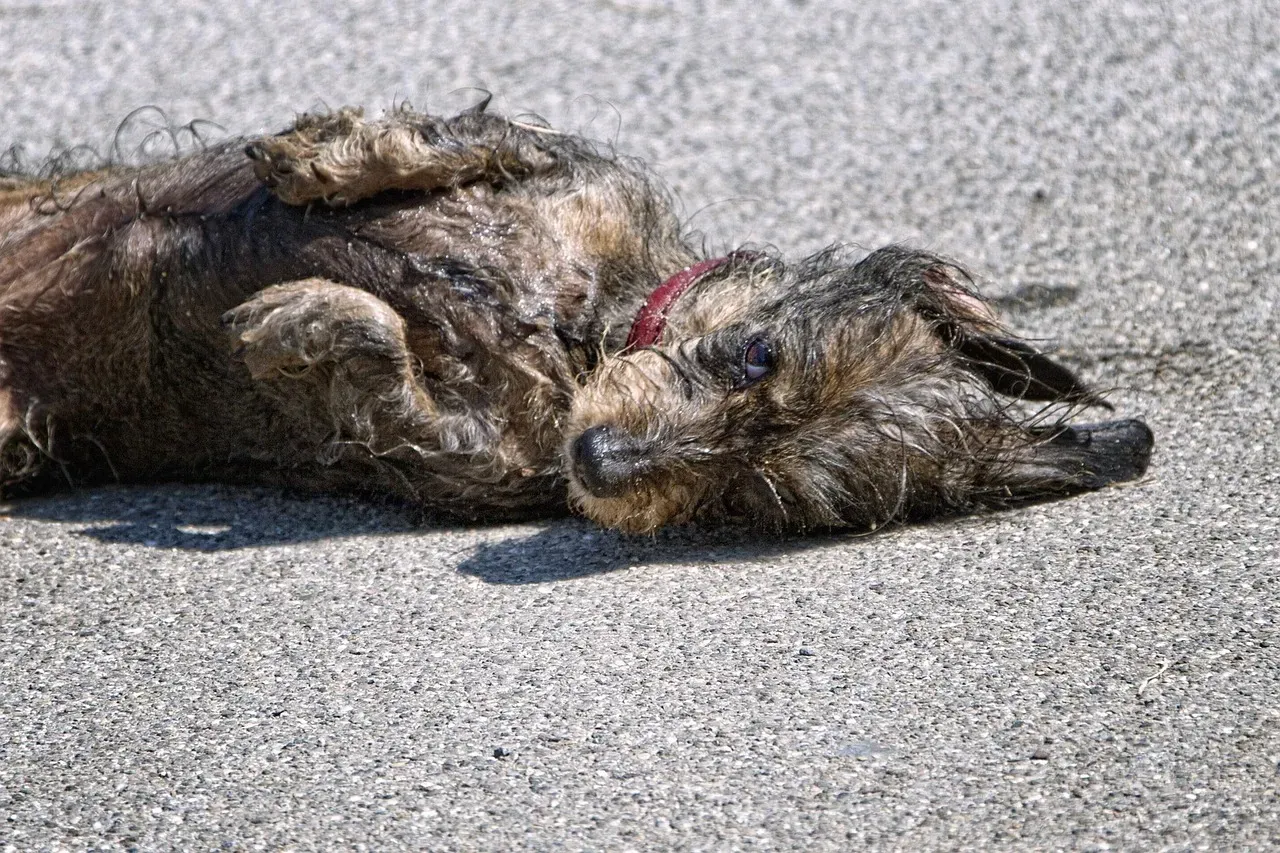
Rolling in Unpleasant Scents (Image Credits: Pixabay)It’s perplexing when your freshly bathed dog finds the foulest-smelling spot to roll in. This behavior harks back to their wild ancestors, who masked their scent to evade predators or sneak up on prey. While it’s instinctual, it’s not particularly pleasant for owners.Regular baths and monitoring your dog’s outdoor activities can help mitigate this behavior. Remember, while it might be distasteful to us, it’s a natural and instinctual act for them.
Leaning: The Canine Hug
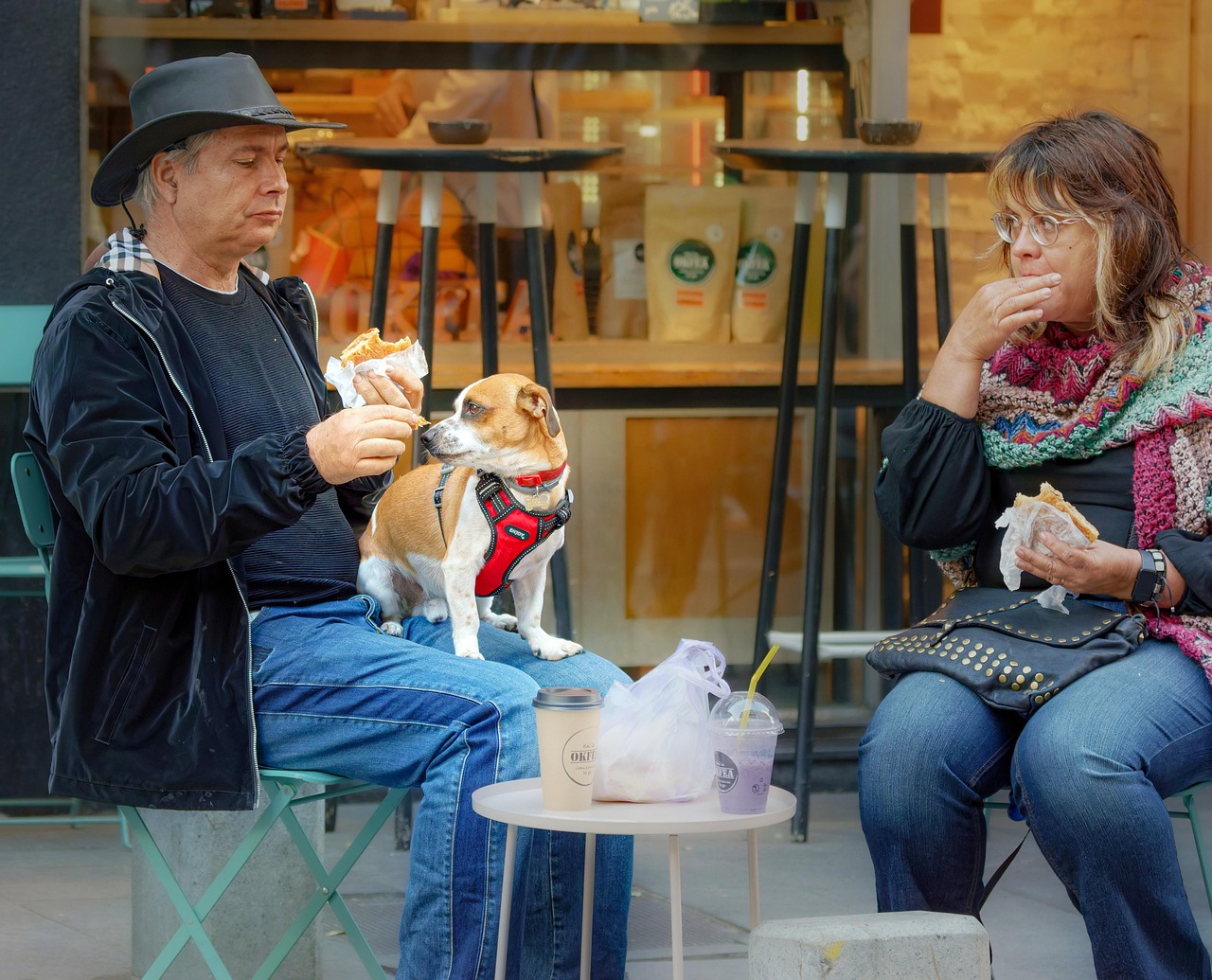
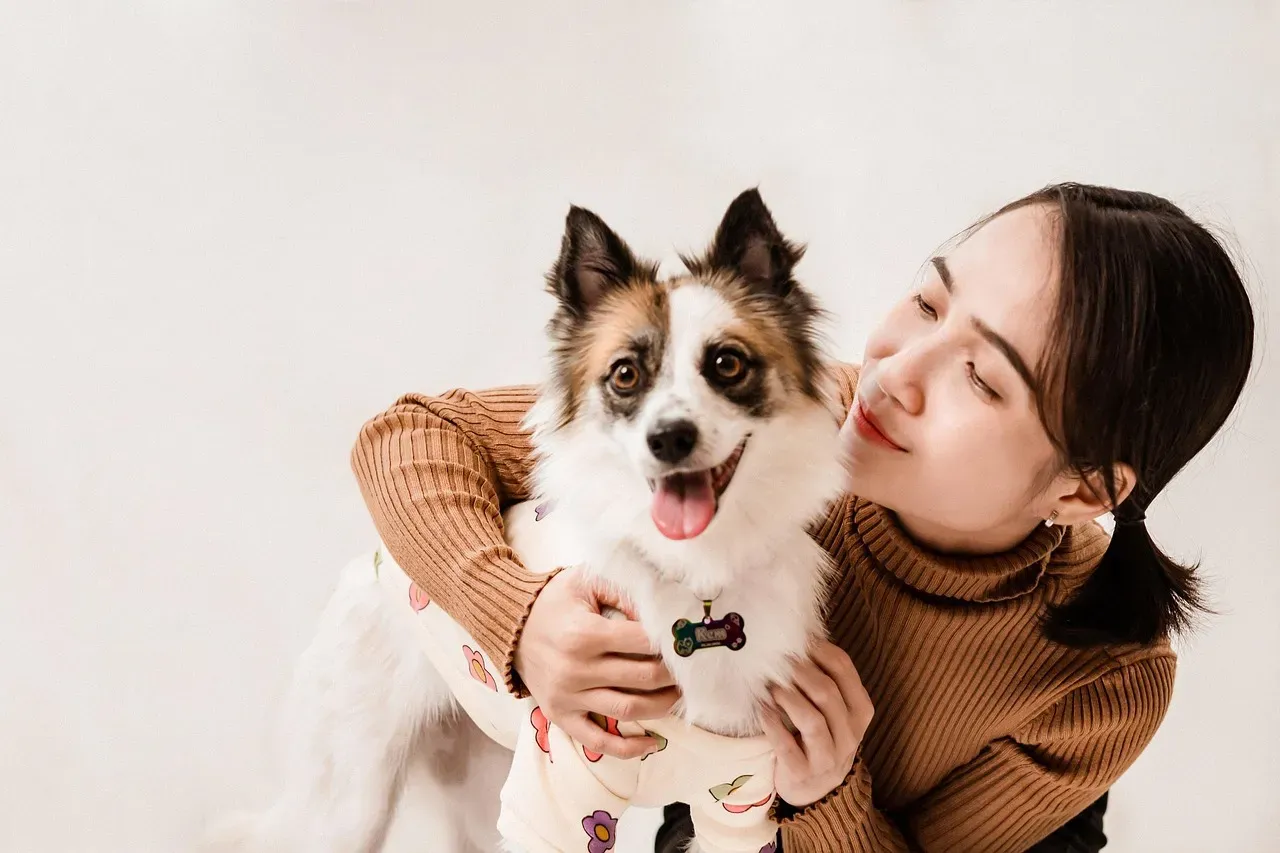
Leaning: The Canine Hug (Image Credits: Pixabay)When your dog leans against you, it’s not just seeking support; it’s a sign of trust and affection. This behavior indicates that your dog feels safe and comfortable in your presence.Embrace these moments as they strengthen the bond between you and your pet. However, if the leaning is accompanied by signs of anxiety, it might be worth consulting a professional to address any underlying issues.
Spinning Before Lying Down
Spinning Before Lying Down (Image Credits: Pixabay)Before settling down, many dogs perform a ritualistic spin. This behavior is believed to be a remnant from their wild ancestors, who would trample grass to create a comfortable resting spot and check for potential threats.While it might seem quirky, it’s a natural behavior that ensures their chosen spot is safe and comfortable. Observing this ritual can offer insights into your dog’s instincts and habits.
Carrying Toys on Walks
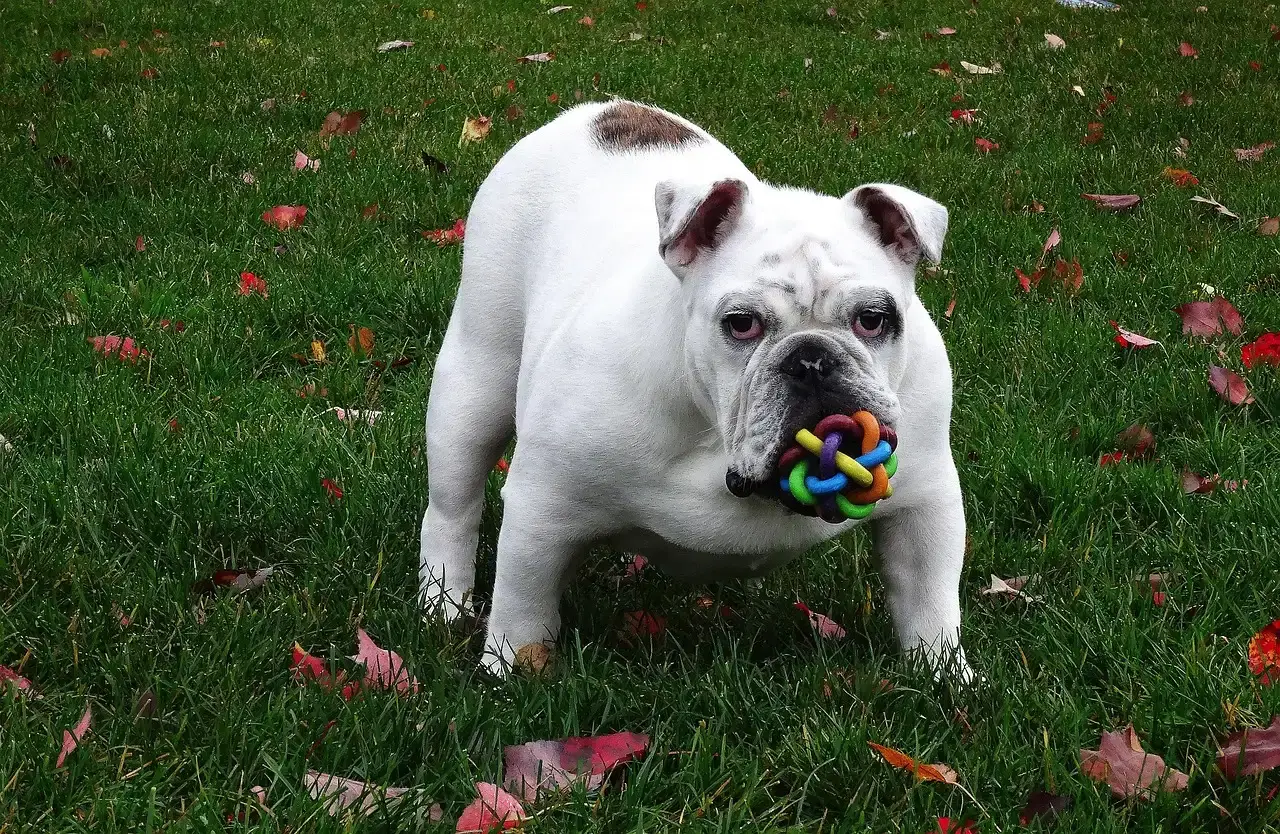
Carrying Toys on Walks (Image Credits: Pixabay)Some dogs insist on bringing their favorite toy along during walks. This behavior can be a comfort mechanism, providing a sense of security in unfamiliar environments.While it might seem odd, allowing your dog to carry a toy can make walks more enjoyable for them. Just ensure the toy is safe and doesn’t pose any choking hazards during the walk.
Sniffing Other Dogs’ Rear Ends
Sniffing Other Dogs’ Rear Ends (Image Credits: Pixabay)As awkward as it may seem to us, dogs greeting each other by sniffing rear ends is their way of gathering information. This behavior allows them to learn about the other dog’s age, sex, diet, and emotional state.Understanding this natural greeting can help owners manage dog interactions better. It’s a reminder of the complex and fascinating ways dogs communicate with each other.
Sleeping in Odd Positions
Sleeping in Odd Positions (Image Credits: Pixabay)From the “dead bug” pose to curling up like a donut, dogs have a variety of sleeping positions. These positions can indicate their comfort level, trust in their environment, or even their body temperature regulation.Observing your dog’s preferred sleeping position can offer insights into their well-being and comfort. It’s another endearing quirk that makes each dog unique.
Chasing Shadows or Lights
Chasing Shadows or Lights (Image Credits: Pixabay)Some dogs become fixated on chasing shadows or light reflections. This behavior can be a playful act or, in some cases, a sign of obsessive-compulsive tendencies.If this behavior becomes excessive, it’s essential to provide alternative forms of stimulation and consult a professional if needed. Ensuring a balanced environment can help in managing such behaviors.
Howling at Sirens
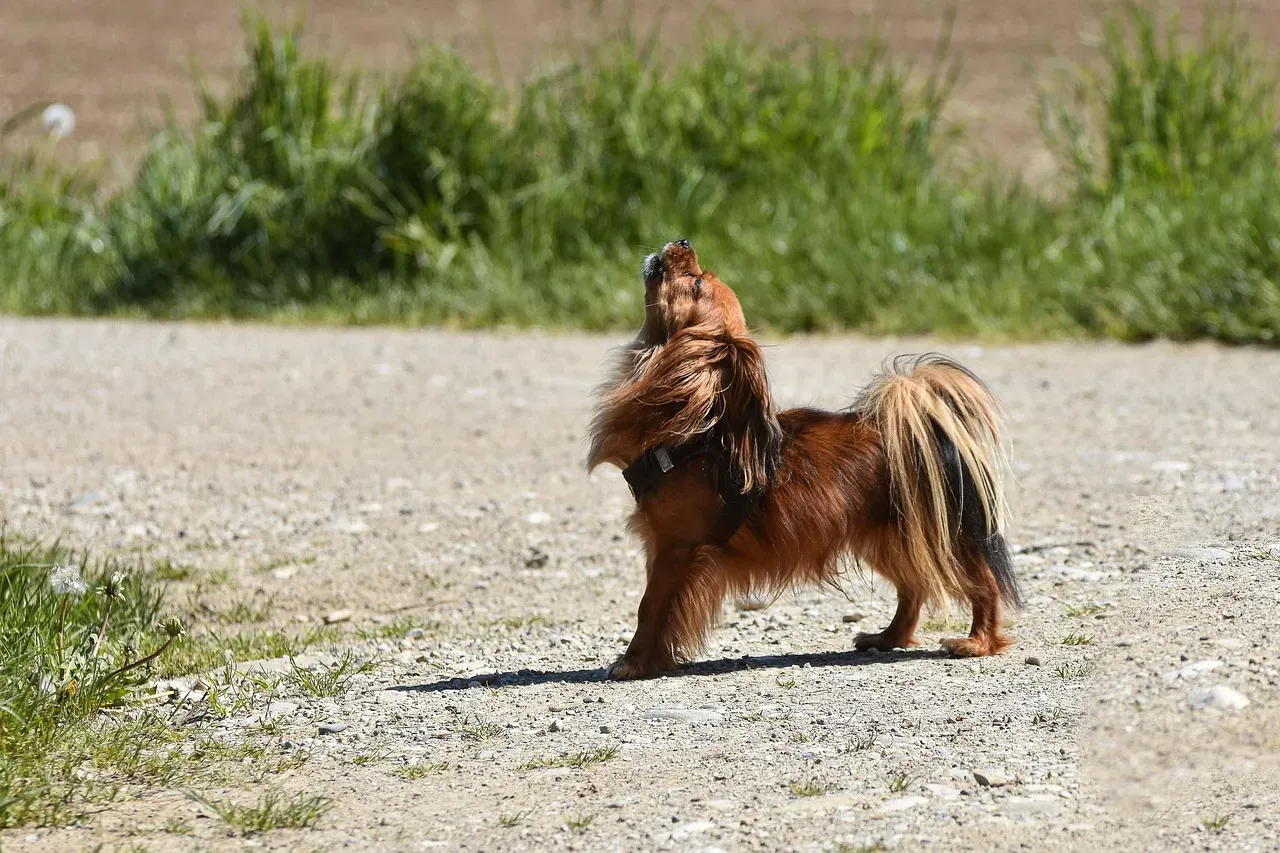
Howling at Sirens (Image Credits: Pixabay)When an ambulance passes by, and your dog starts howling, it’s tapping into its ancestral communication methods. Howling is a way for dogs to communicate over long distances, and sirens can trigger this instinct.While it’s a natural behavior, if it becomes disruptive, training and desensitization techniques can help manage it. Understanding the root cause can aid in addressing the behavior effectively.
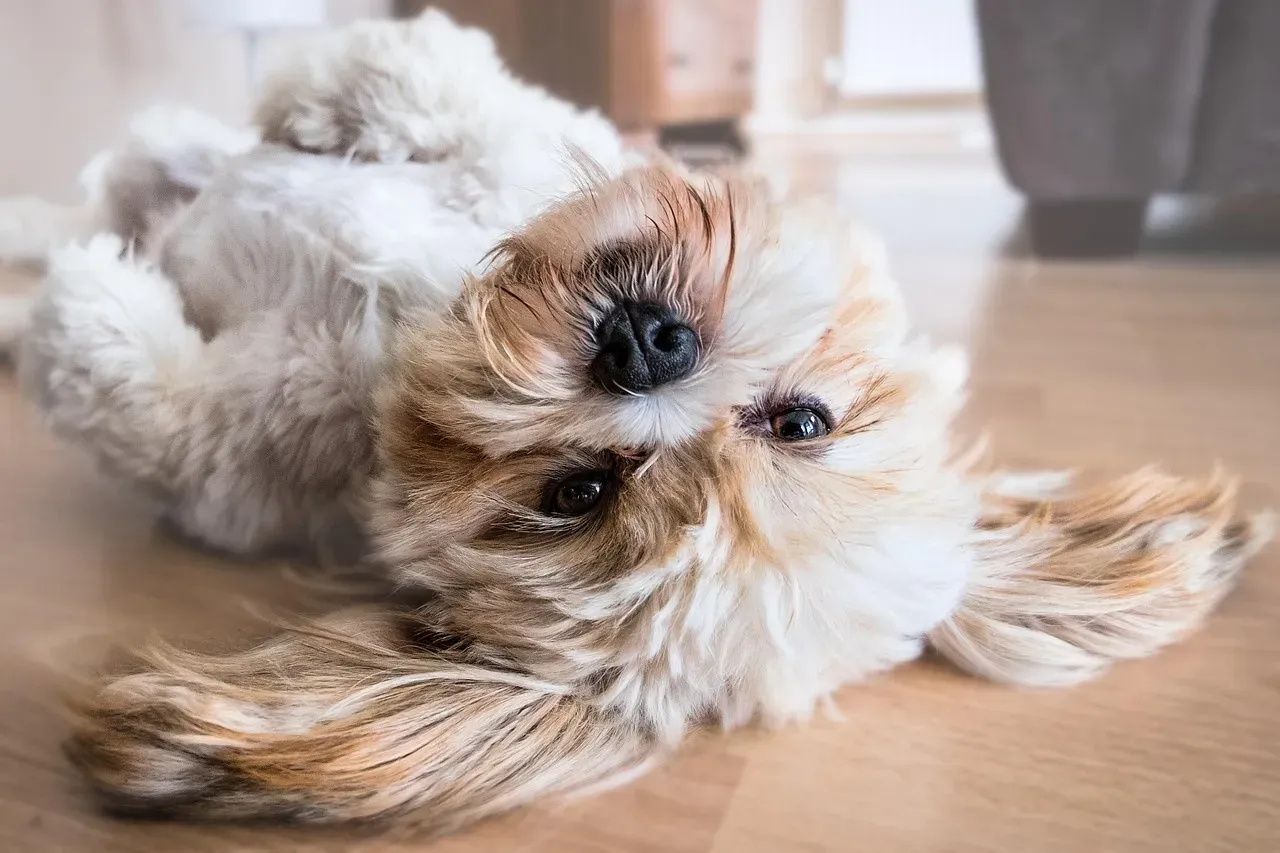
Presenting Their Belly
Presenting Their Belly (Image Credits: Pixabay)When a dog rolls over and exposes its belly, it’s often a sign of trust and submission. This vulnerable position indicates that your dog feels safe in your presence.However, not all belly exposures are invitations for rubs. It’s essential to read your dog’s body language to ensure they’re comfortable with physical touch in that moment.
Carrying Food Away to Eat
Carrying Food Away to Eat (Image Credits: Pixabay)Some dogs take their food from the bowl and eat it elsewhere. This behavior can stem from pack instincts, where dogs would take food to a safe place to eat without competition.While it might be inconvenient, understanding this behavior can help in creating a feeding environment that feels secure for your dog. Providing a quiet and safe space for meals can reduce this tendency.
Tilting Their Heads When Scolded
Tilting Their Heads When Scolded (Image Credits: Pixabay)When reprimanded, some dogs tilt their heads, giving them an innocent appearance. This behavior can be a way of appeasing their owners or trying to understand the situation better.It’s essential to ensure that discipline is consistent and positive, focusing on reinforcing desired behaviors rather than punishing unwanted ones. This approach fosters a trusting and loving relationship between you and your dog.In conclusion, these quirky behaviors are what make our canine companions so endearing and unforgettable. They remind us of the deep-rooted instincts and unique personalities that each dog possesses. Embracing and understanding these quirks not only strengthens our bond with them but also enriches our lives in countless ways. After all, isn’t it these very quirks that make our dogs truly one-of-a-kind?