
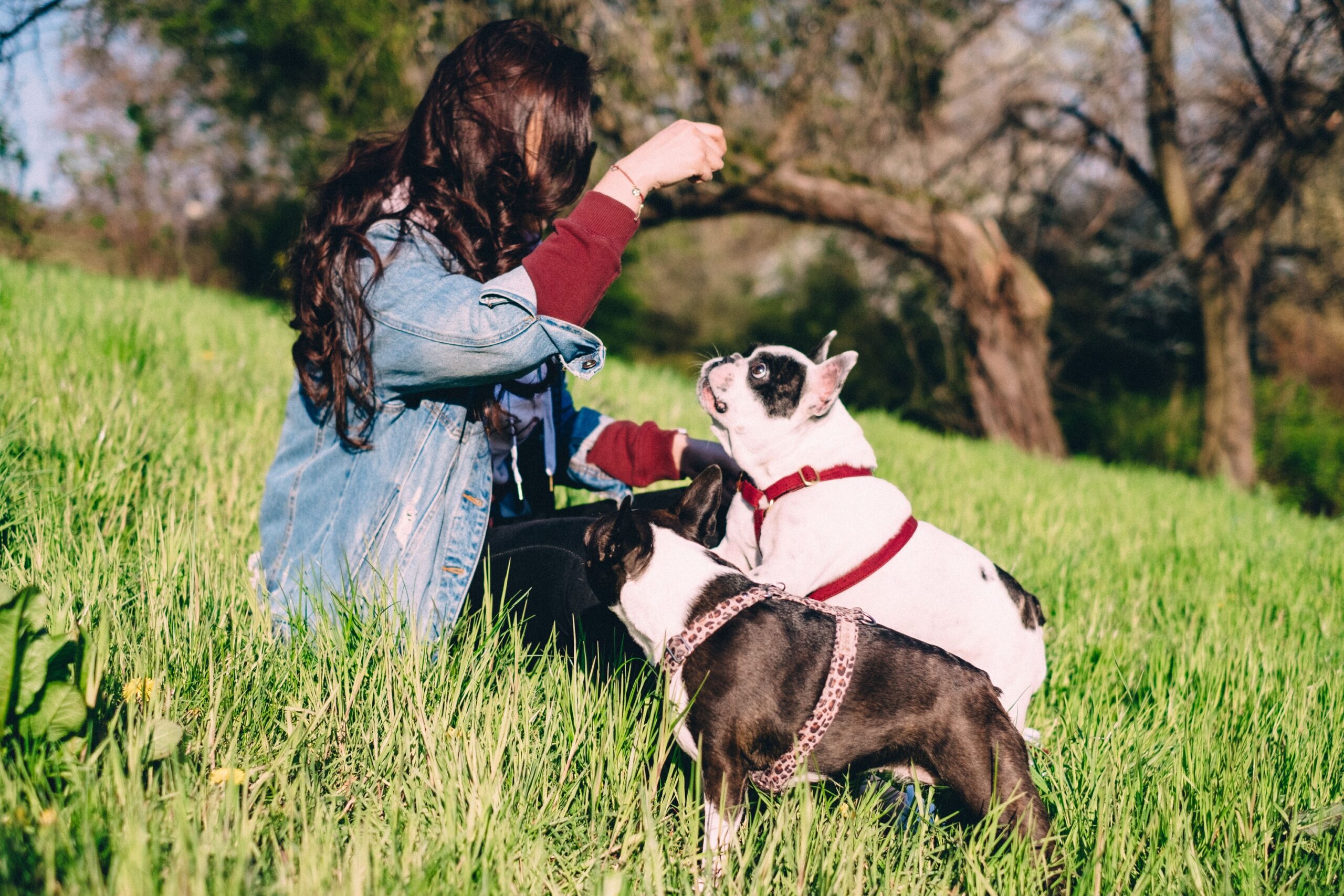
Ever wondered why your dog seems to know exactly when it’s mealtime or when you’re about to arrive home, even though they can’t read a clock? This uncanny ability suggests that dogs perceive time differently than humans, relying on internal cues and environmental changes rather than numerical measurements.
The Role of Circadian Rhythms in Canine Time Perception
Dogs, like humans, have circadian rhythms – internal biological clocks that regulate their sleep-wake cycles, feeding times, and other daily activities. These rhythms are influenced by environmental factors such as light and darkness, helping dogs anticipate regular events throughout the day. For instance, a dog may wake up and become active as daylight emerges, aligning their behavior with the natural light cycle.
These internal clocks enable dogs to predict daily routines without understanding the concept of hours or minutes. Their bodies signal when it’s time to eat, sleep, or play, creating a structured pattern that they follow instinctively.
Associative Learning: Linking Events to Time
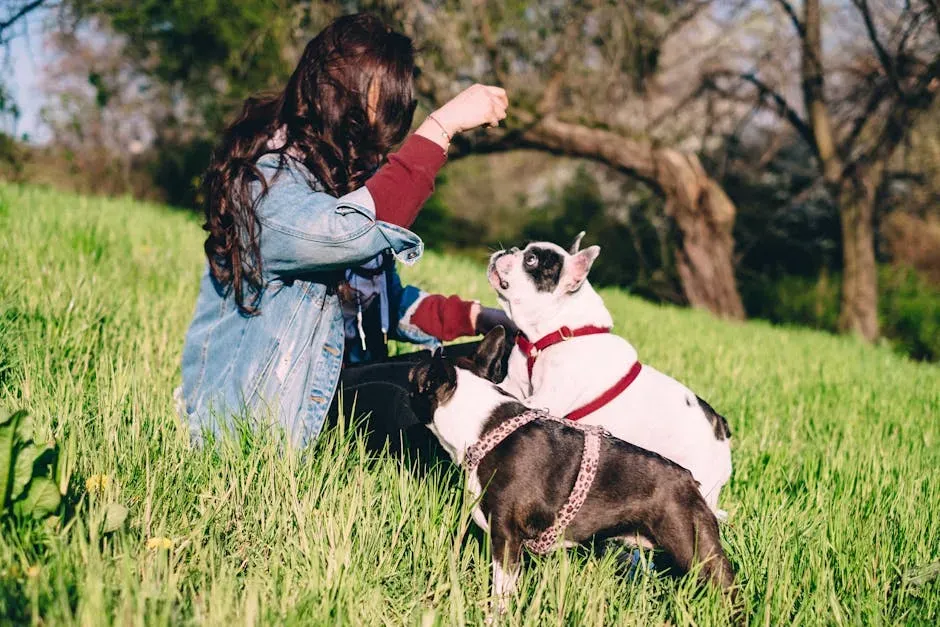
Dogs excel at associative learning, connecting specific cues with particular outcomes. They might associate the sound of your keys jingling with your departure or the rustling of a food bag with mealtime. Over time, these associations help dogs anticipate events based on preceding signals, effectively allowing them to “tell time” through learned patterns.
This form of learning means that dogs don’t need to comprehend abstract time concepts; instead, they rely on consistent environmental cues to predict what happens next. This ability underscores the importance of maintaining regular routines for your canine companion.
Olfactory Cues: Smelling Time’s Passage
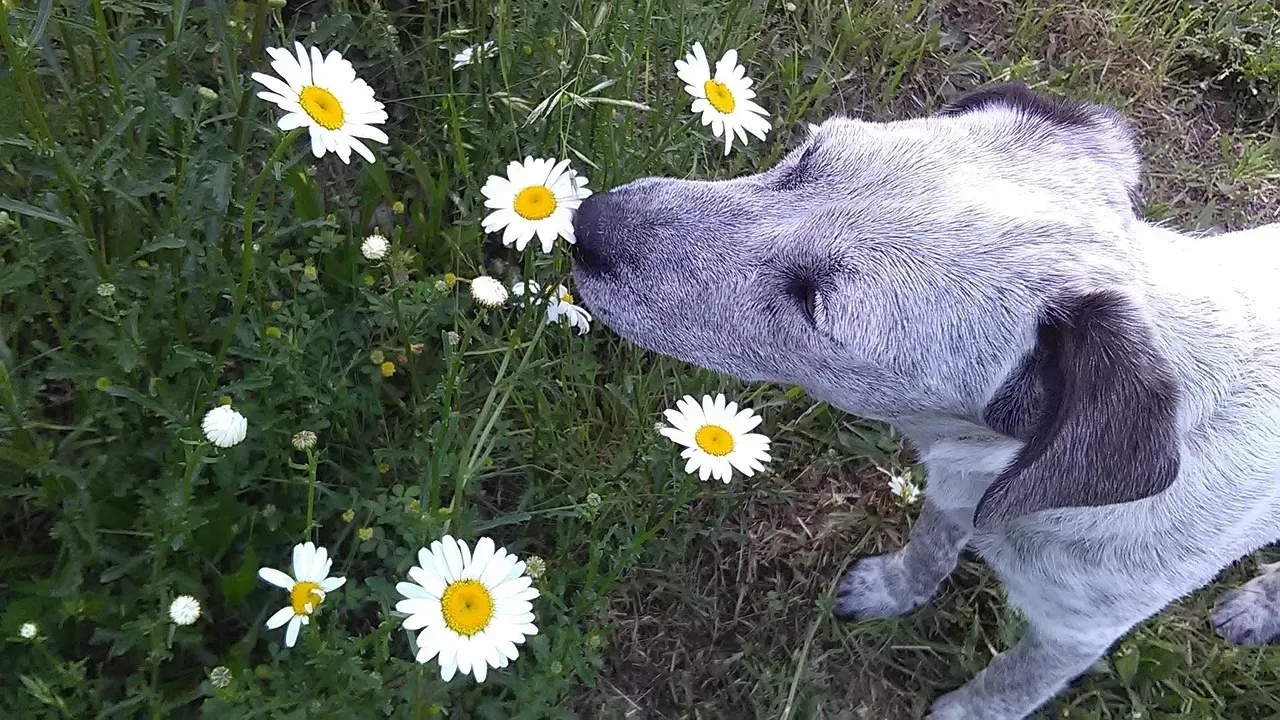
A dog’s sense of smell is extraordinarily acute, and they can detect subtle changes in scent over time. As your scent diminishes in the house after you leave, your dog may gauge the length of your absence based on this fading aroma. This olfactory sensitivity allows them to estimate when you might return, demonstrating a unique method of perceiving time’s passage.
By monitoring the intensity of various scents, dogs can create a timeline of events, using their noses to “see” the past and anticipate the future. This sensory perception offers them a different, yet effective, way to experience time.
Emotional Responses to Time Intervals
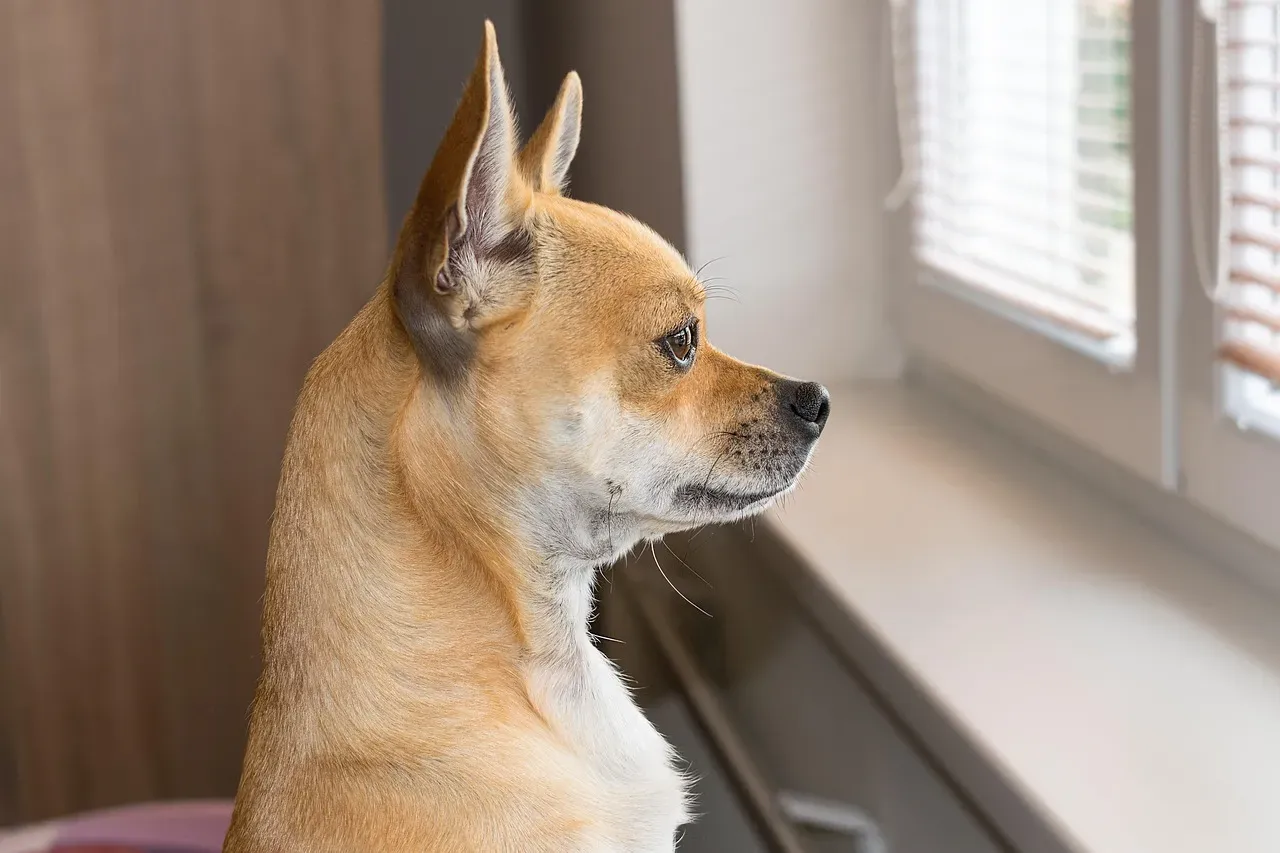
Dogs’ reactions to time intervals can vary based on their emotional state and the context of the situation. For example, a dog left alone for an extended period may exhibit signs of anxiety or excitement upon your return, indicating that they perceive and react to the duration of your absence.
Conversely, during enjoyable activities like playtime, dogs may seem oblivious to the passage of time, fully immersed in the moment. This suggests that their emotional engagement influences how they experience time, making pleasurable moments feel fleeting and periods of solitude feel prolonged.
Visual Processing and Time Perception

Research indicates that dogs process visual information faster than humans, perceiving motion at a higher frame rate. This means that events may appear to unfold more slowly to them, akin to a slow-motion effect. Such differences in visual processing could contribute to a distinct experience of time, where moments are stretched or compressed compared to human perception.
This heightened visual acuity allows dogs to react swiftly to fast-moving objects, an adaptation that would have been advantageous in their ancestral environments for hunting and survival.
Memory and Anticipation: Living in the Moment

While humans have episodic memory, allowing us to recall specific past events and anticipate future ones, dogs primarily rely on associative memory. They remember patterns and routines but don’t dwell on past experiences or plan for the future in the same way humans do. This focus on the present moment shapes their unique experience of time.
Understanding this difference can help pet owners appreciate why dogs thrive on consistency and routine, as these provide a predictable framework within which they feel secure and content.
Conclusion: Embracing the Canine Perspective

Recognizing that dogs experience time differently than humans can deepen our empathy and improve our interactions with them. Their reliance on biological rhythms, sensory cues, and learned associations offers a fascinating glimpse into a world where time is felt rather than measured. By aligning our routines with their natural perceptions, we can enhance the well-being and happiness of our canine companions.
So, next time your dog eagerly awaits your return or reminds you it’s dinner time, consider the intricate and unique ways they perceive the passage of time. How might this understanding change the way you connect with your furry friend?


