
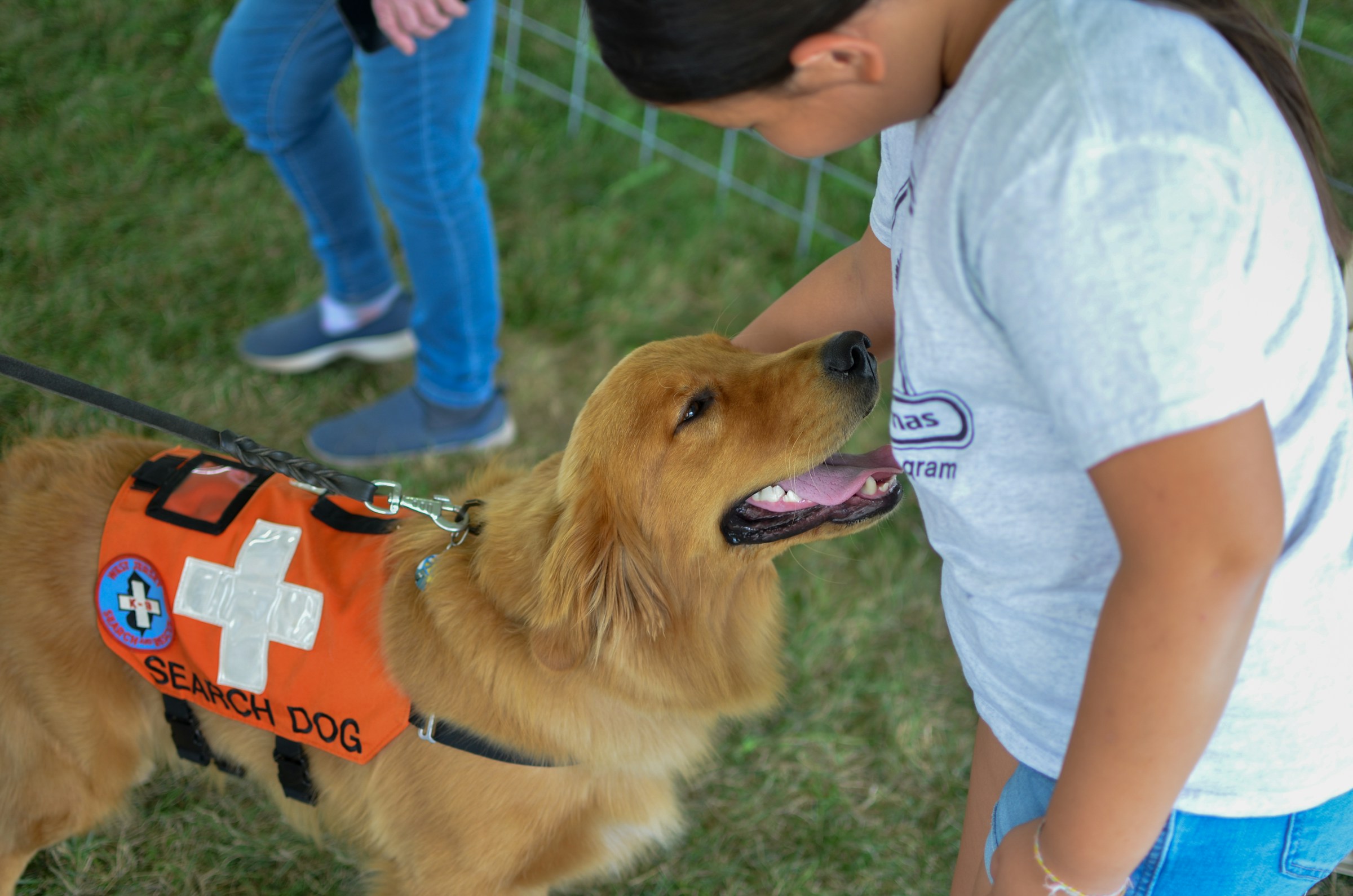
Imagine a world where your furry companion not only offers unconditional love but also serves as a frontline defender against diseases. Recent studies have unveiled that dogs possess an extraordinary ability to detect various illnesses, often outperforming even the most advanced medical machines.
The Science Behind a Dog’s Super Sniffer

Dogs have an olfactory system that is remarkably more sophisticated than humans. While humans have about 5 million scent receptors, dogs boast between 125 to 300 million, making their sense of smell up to 100,000 times more sensitive. This heightened ability allows them to detect minute chemical changes in the human body, which can indicate the presence of diseases.
Furthermore, a significant portion of a dog’s brain is dedicated to processing smells. This specialization enables them to discern complex scent patterns, making them adept at identifying specific health conditions through odor detection.
Canines Detecting Cancer
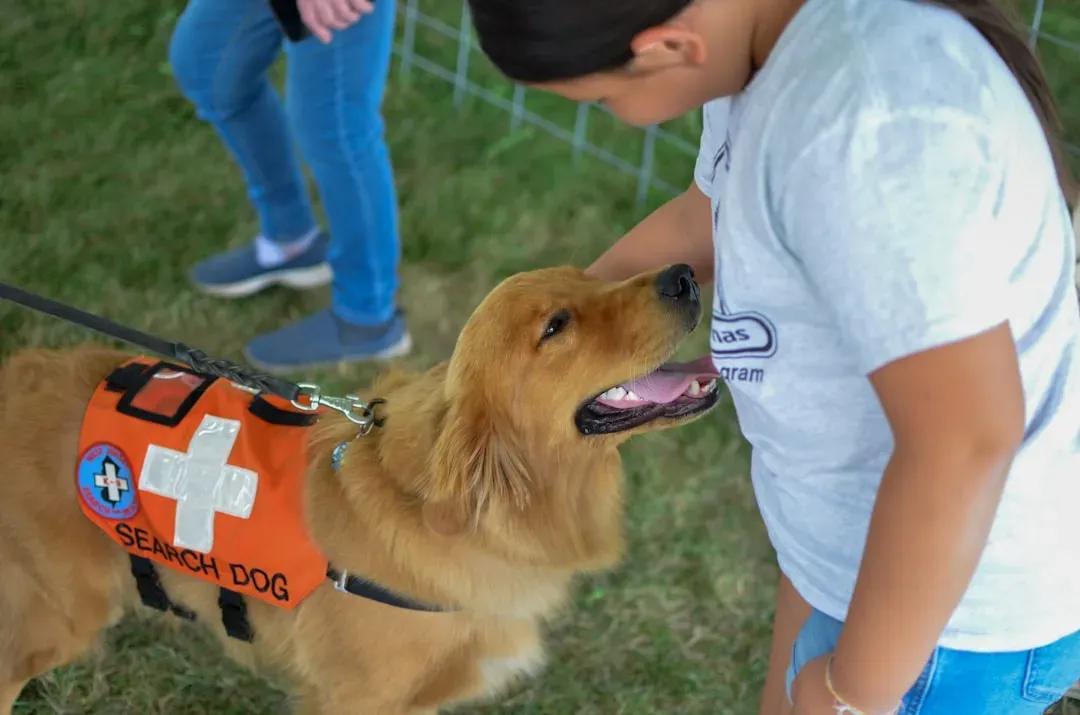
One of the most groundbreaking discoveries is dogs’ ability to sniff out various types of cancer. Research has shown that trained dogs can identify lung, breast, ovarian, bladder, and prostate cancers by detecting volatile organic compounds (VOCs) present in bodily fluids. In some studies, dogs achieved a detection accuracy of over 90%, surpassing many conventional diagnostic methods.
For instance, a study highlighted that dogs could detect prostate cancer from urine samples with remarkable precision. This suggests that canine detection could serve as a non-invasive, early screening tool, potentially leading to earlier interventions and better patient outcomes.
Early Detection of Infectious Diseases
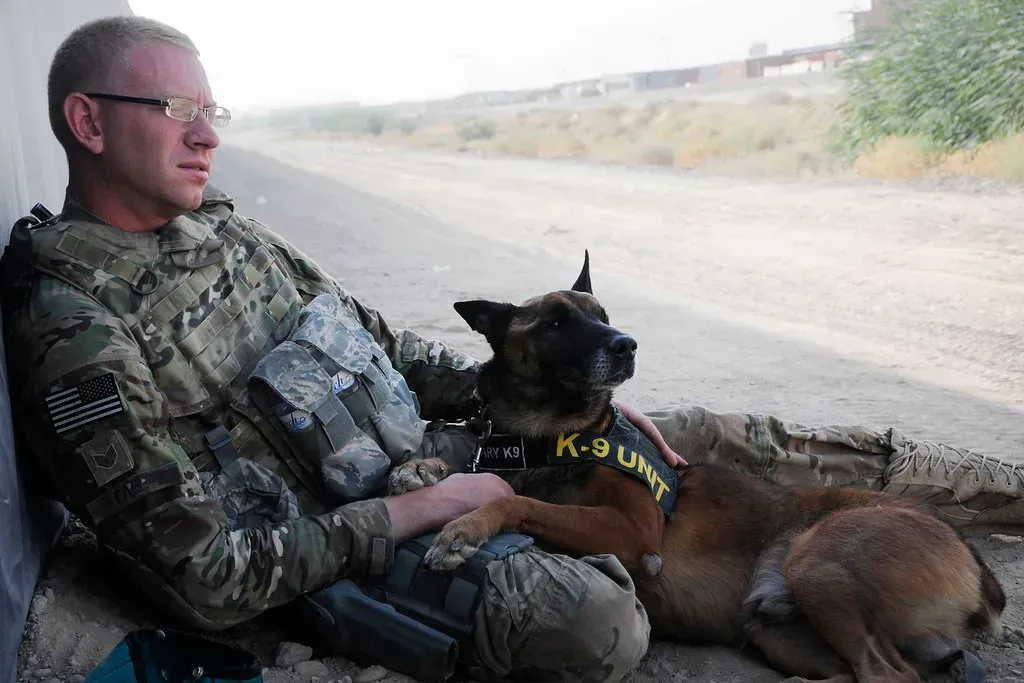
Beyond cancer, dogs have demonstrated the ability to detect infectious diseases. During the COVID-19 pandemic, trained dogs were employed to identify infected individuals by sniffing sweat samples. Remarkably, these dogs detected the virus with a sensitivity rate comparable to, and sometimes exceeding, that of PCR tests. This rapid and non-invasive method proved invaluable in settings requiring swift screening.
Additionally, dogs have been trained to detect other infectious diseases, such as malaria and tuberculosis, showcasing their versatility and potential in global health initiatives.
Assisting Individuals with Chronic Conditions
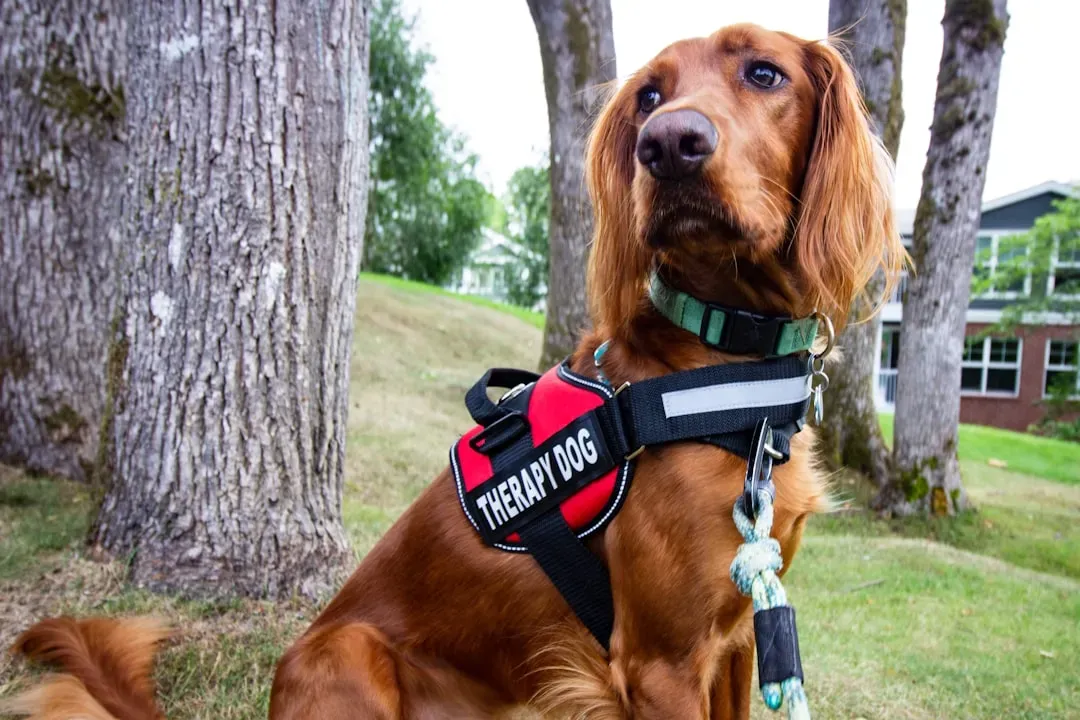
For individuals with chronic conditions like diabetes, dogs can be life-saving companions. Medical alert dogs are trained to detect changes in blood sugar levels by sensing specific scents associated with hypoglycemia or hyperglycemia. Upon detection, these dogs alert their owners, allowing for timely intervention and preventing potential health crises.
Similarly, some dogs can predict epileptic seizures by detecting subtle changes in their owner’s scent or behavior, providing crucial warnings that enable individuals to seek safety and medical assistance.
The Mechanism of Disease Detection
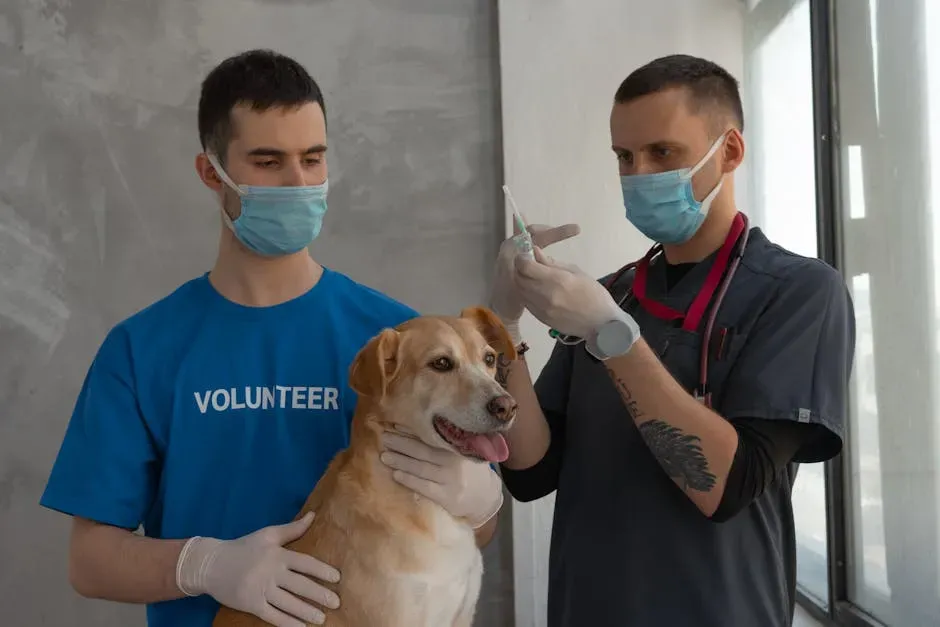
The exact mechanism by which dogs detect diseases remains a subject of ongoing research. It’s believed that diseases alter the body’s metabolic processes, leading to the production of unique VOCs. Dogs, with their acute olfactory senses, can identify these specific compounds even at extremely low concentrations.
Training plays a pivotal role in honing this ability. Dogs undergo rigorous training sessions where they’re exposed to samples from both healthy and diseased individuals, learning to distinguish between the two. Positive reinforcement techniques ensure that dogs remain motivated and accurate in their detections.
Comparing Canine Detection to Technological Advances
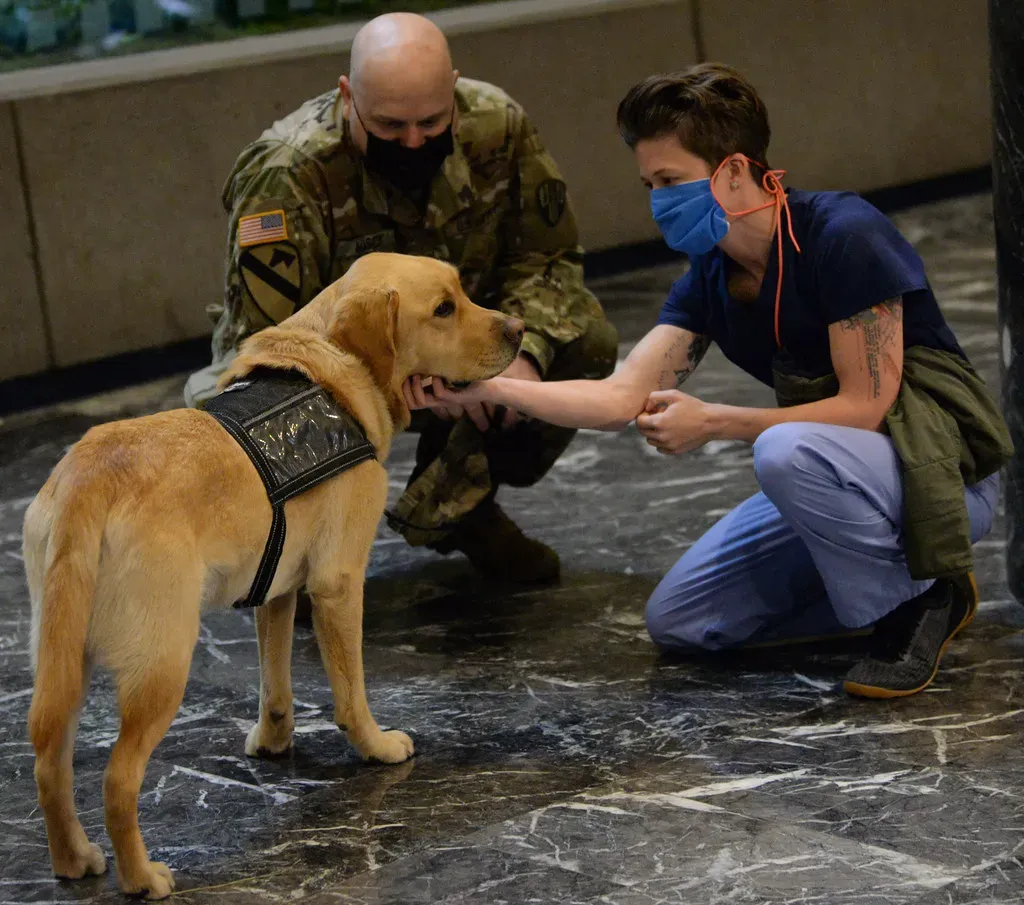
While technological advancements have led to the development of electronic noses and AI-driven diagnostic tools, dogs still hold an edge in certain areas. Their ability to process complex scent profiles and detect diseases in real-time, without the need for laboratory settings, makes them invaluable in scenarios where rapid screening is essential.
However, integrating canine detection with technological tools could enhance diagnostic accuracy and accessibility. For instance, data gathered from canine detections can inform the development of more sensitive electronic sensors, bridging the gap between biological intuition and technological precision.
Challenges and Future Prospects

Despite their impressive capabilities, deploying dogs for disease detection on a large scale presents challenges. Training requires time and resources, and maintaining the dogs’ health and motivation is crucial for consistent performance. Additionally, standardizing training protocols and ensuring reproducibility across different settings remain areas of focus.
Looking ahead, collaborative efforts between veterinarians, medical professionals, and researchers aim to optimize training methods, explore the full spectrum of diseases detectable by dogs, and integrate canine detection into mainstream medical practices. Such initiatives could revolutionize early disease detection and pave the way for more personalized and timely healthcare interventions.
Conclusion
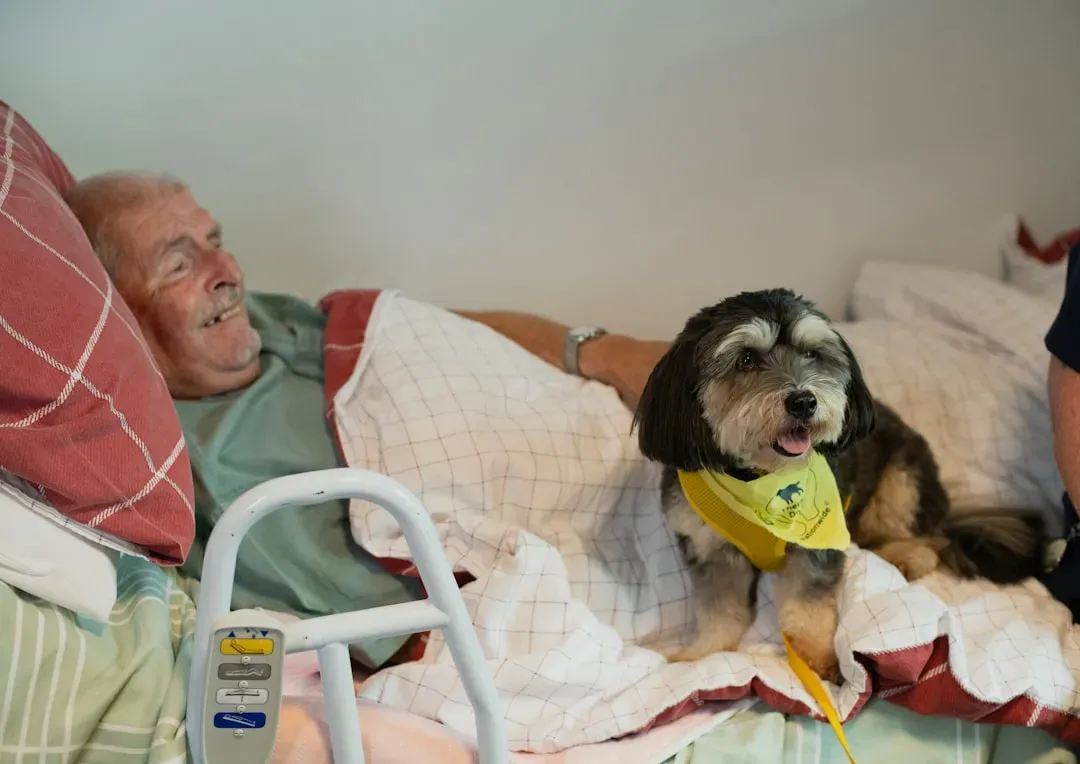
In a world increasingly reliant on technology, it’s both humbling and inspiring to recognize that our canine companions possess diagnostic abilities that rival, and sometimes surpass, our most advanced machines. Their innate talents, combined with dedicated training, position them as invaluable allies in the quest for early disease detection. Perhaps it’s time we look to our four-legged friends not just for companionship, but also as partners in health. After all, who better to trust with our well-being than those who have been by our side for thousands of years?


