

Imagine your energetic pup, always eager to leap onto the couch for a cuddle, suddenly hesitating at the base, eyes filled with uncertainty. This unexpected change isn’t just puzzling – it’s a potential red flag. Veterinarians caution that such behavior may be an early indicator of physical discomfort in dogs.
Understanding the Significance of Behavioral Changes

Dogs are creatures of habit. When they abruptly alter their routines, it’s often their way of communicating that something isn’t right. A sudden reluctance to jump onto furniture, especially in a dog that previously had no issues, can be a subtle yet telling sign of underlying pain or discomfort.
Such behavioral shifts shouldn’t be dismissed as mere quirks. They can be the first clues that your canine companion is experiencing physical issues that require attention.
Common Causes Behind the Hesitation
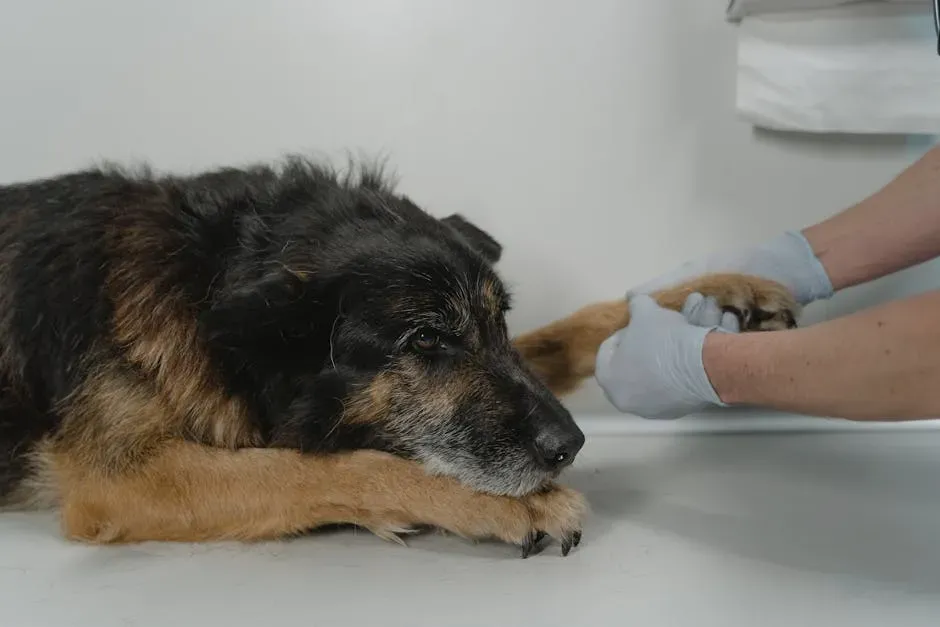
Several health concerns can lead to a dog’s newfound reluctance to jump. Joint problems like arthritis are prevalent, particularly in older dogs, causing stiffness and pain that make jumping uncomfortable. Injuries, whether minor sprains or more severe issues, can also result in hesitation.
Additionally, conditions such as hip dysplasia or intervertebral disc disease can impair mobility, making activities like jumping onto furniture challenging and painful for your dog.
Recognizing Other Subtle Signs of Discomfort

Beyond avoiding jumps, dogs may exhibit other signs indicating discomfort. You might notice limping, stiffness, or a decrease in overall activity levels. Changes in appetite, increased irritability, or excessive licking of certain areas can also be indicative of pain.
Being attuned to these subtle cues is crucial. Early detection allows for prompt intervention, potentially preventing more severe health issues down the line.
The Importance of Prompt Veterinary Consultation

If your dog shows a sudden aversion to jumping or any other unusual behavior, it’s essential to consult a veterinarian promptly. Early diagnosis can lead to more effective treatment plans, alleviating discomfort and improving your dog’s quality of life.
Veterinarians can perform thorough examinations, possibly including imaging studies, to identify the root cause of the behavior and recommend appropriate interventions.
Preventive Measures and Home Care Strategies

Maintaining your dog’s joint health is vital. Regular, moderate exercise helps keep joints flexible, while a balanced diet supports overall well-being. Providing orthopedic dog beds can offer additional comfort, especially for dogs with existing joint issues.
Incorporating joint supplements, as advised by your veterinarian, can also be beneficial. These proactive steps can help manage and even prevent discomfort that might lead to behavioral changes.
When to Seek Immediate Veterinary Attention

While some signs of discomfort can be managed with home care, certain symptoms warrant immediate veterinary attention. If your dog exhibits severe limping, vocalizes pain, shows signs of distress, or has a sudden and significant decrease in activity, it’s crucial to seek professional help without delay.
Timely intervention can make a significant difference in outcomes, ensuring your dog receives the necessary care to address their discomfort.
Conclusion: Attentiveness Is Key to Your Dog’s Well-being
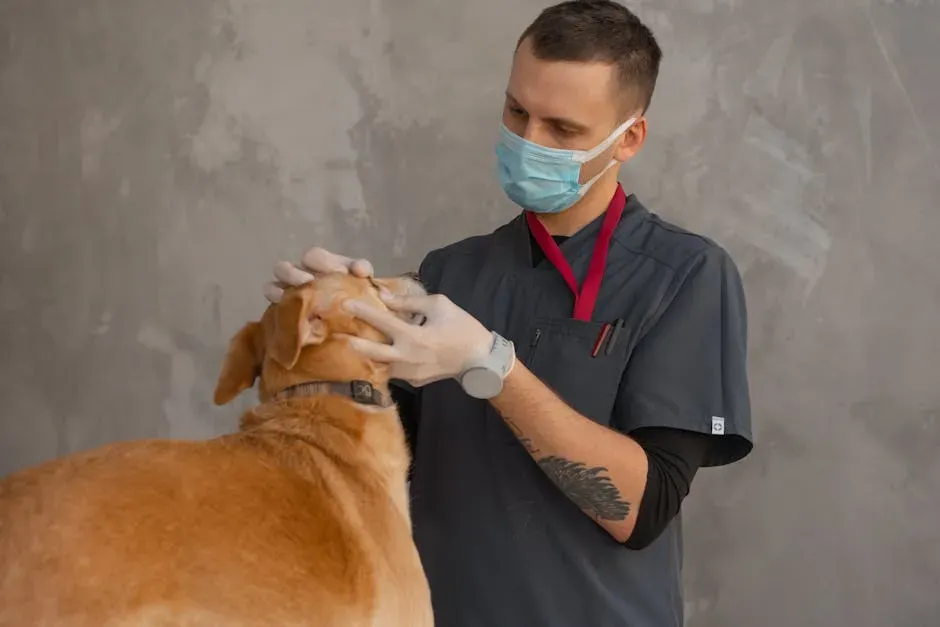
Our dogs rely on us to interpret their behaviors and address their needs. A sudden reluctance to jump onto furniture is more than just a behavioral quirk – it’s a potential cry for help. By staying observant and responsive to such changes, we can ensure our furry friends remain happy, healthy, and comfortable.
So, the next time your dog hesitates at the couch’s edge, consider it a prompt to check in on their health. After all, isn’t their well-being worth that extra attention?


