When your dog places a paw on you, it’s easy to assume they’re simply seeking attention. However, this behavior often signifies a deeper desire for connection and communication. Understanding the nuances behind pawing can enhance the bond between you and your canine companion.
Pawing as a Form of Canine Communication
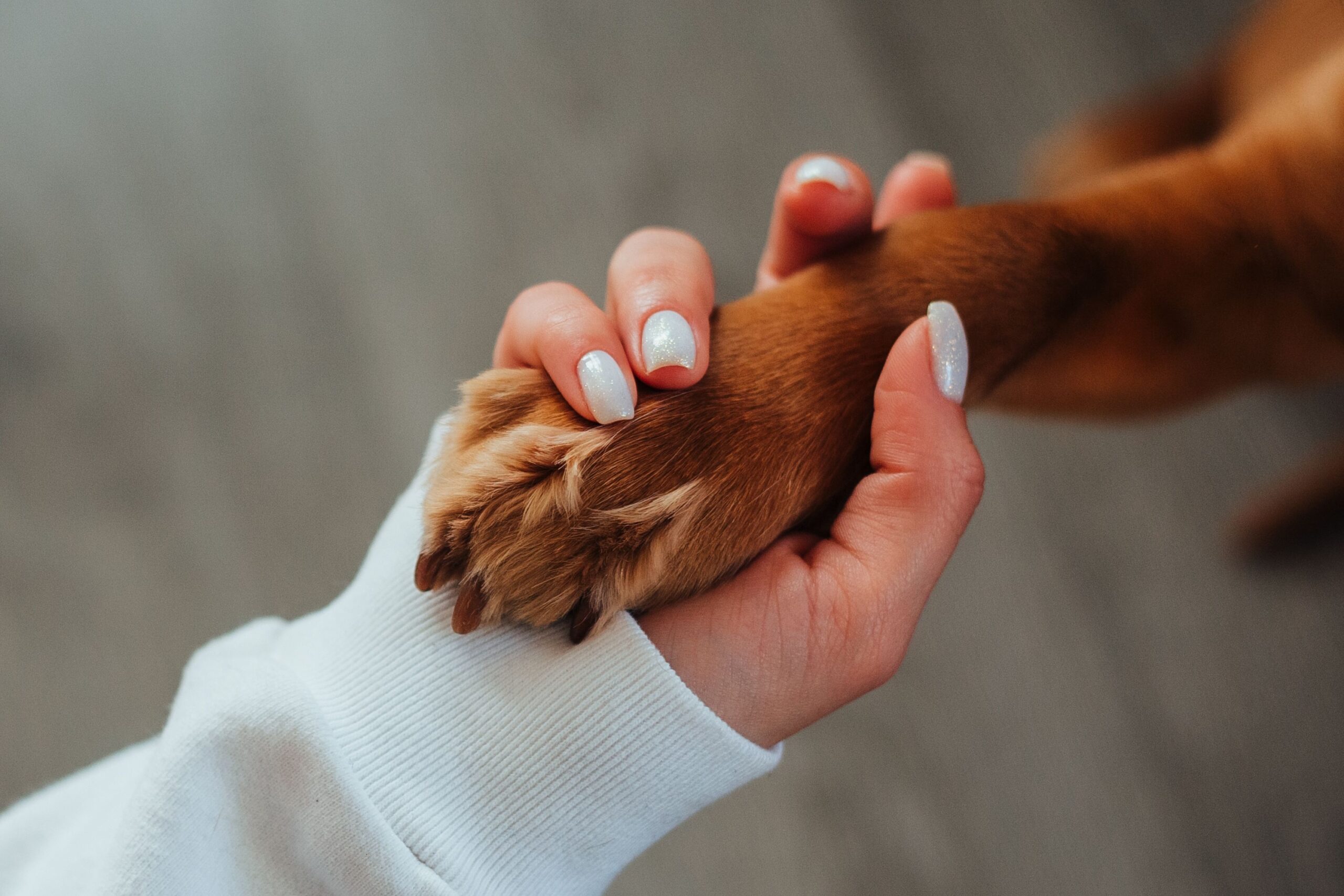
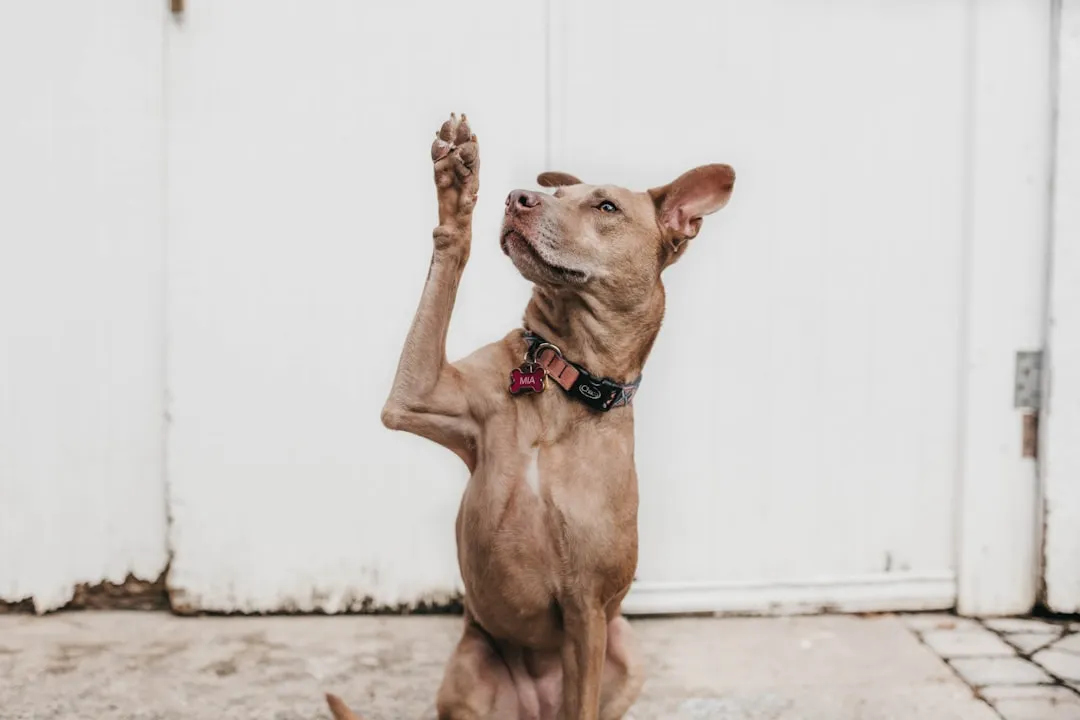
Pawing as a Form of Canine Communication (Image Credits: Pexels)Dogs lack the ability to use words, so they rely on body language to express their needs and emotions. Pawing is a direct and deliberate gesture, often used to initiate interaction or convey a specific message. This behavior is deeply ingrained from puppyhood, where young dogs learn that using their paws can elicit responses from their mothers and littermates.In adult dogs, pawing serves as a versatile tool for communication. It can indicate a range of desires, from seeking comfort to expressing a need for physical closeness. Recognizing this behavior as a form of communication rather than mere attention-seeking allows owners to respond more empathetically to their dog’s needs.
Seeking Emotional Connection
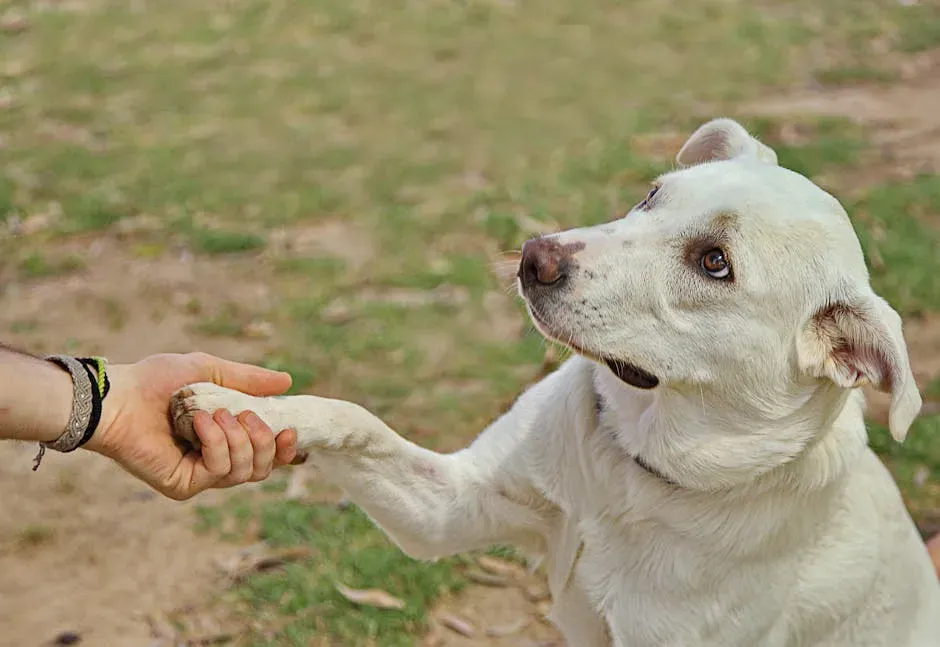
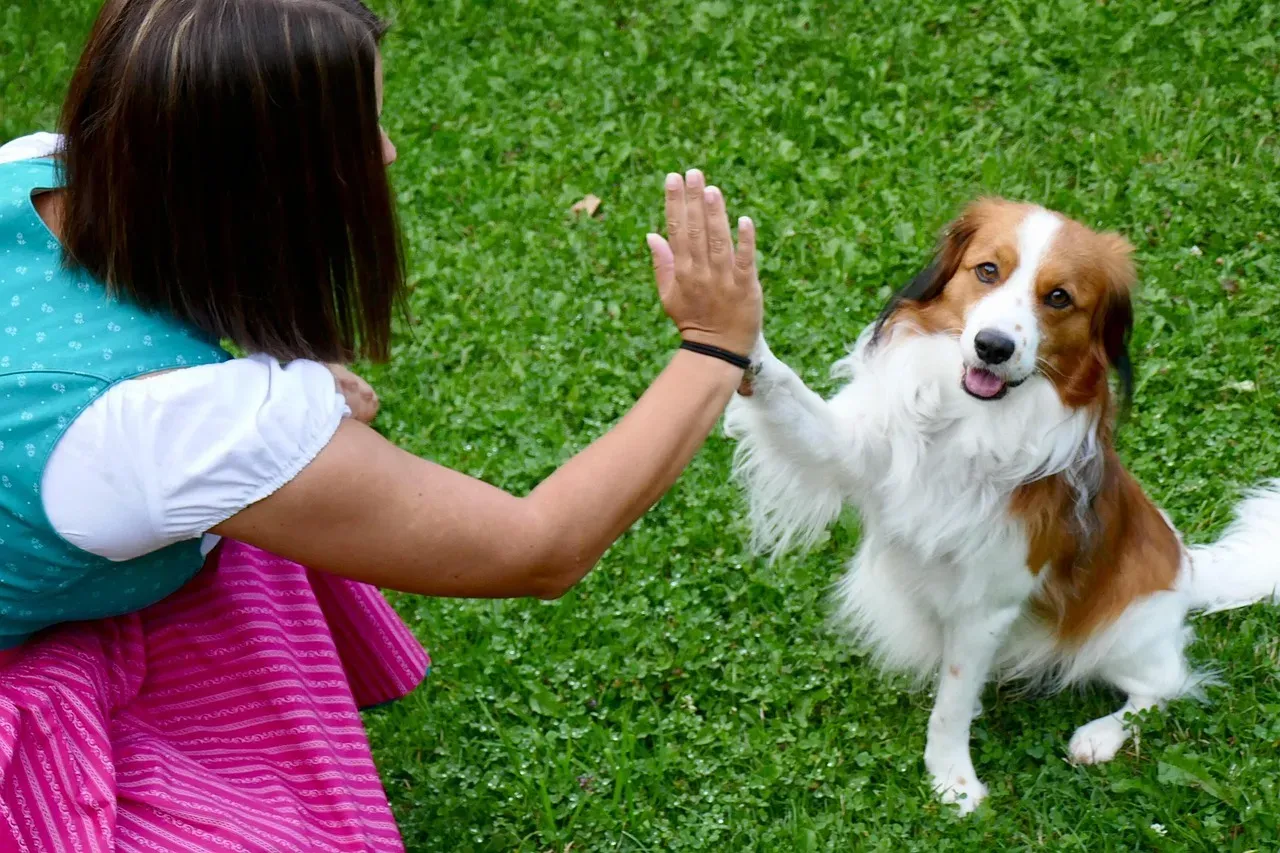
Seeking Emotional Connection (Image Credits: Pexels)Beyond basic needs, dogs often use pawing to establish a deeper emotional connection with their owners. This behavior can be a dog’s way of expressing affection, seeking reassurance, or simply wanting to be close to their human companion. It’s a gesture that says, “I’m here with you,” fostering a sense of companionship and trust.Understanding this aspect of pawing can help owners appreciate the emotional depth of their dog’s actions. Responding with gentle petting or verbal affirmation can reinforce this bond, making the dog feel secure and valued.
Expressing Needs and Desires
Expressing Needs and Desires (Image Credits: Pexels)Pawing can also be a dog’s method of signaling specific needs or desires. Whether it’s a reminder that it’s time for a walk, a request for food, or an indication that they need to go outside, this behavior serves as a non-verbal cue. Observing the context in which pawing occurs can provide insights into what your dog is trying to communicate.For instance, if your dog paws at you near the door, they might be indicating a need to go outside. Similarly, pawing during mealtime could be a reminder that they’re hungry. Being attentive to these cues can help address your dog’s needs promptly and effectively.
Responding to Pawing Behavior
Responding to Pawing Behavior (Image Credits: Unsplash)How you respond to your dog’s pawing can influence the frequency and context of this behavior. If pawing is met with positive reinforcement, such as attention or treats, the dog is likely to repeat it. Conversely, if the behavior is ignored or redirected, the dog may learn alternative ways to communicate their needs.It’s important to strike a balance between acknowledging your dog’s attempts to connect and setting boundaries to prevent excessive or demanding behavior. Consistent responses and clear communication can help manage pawing behavior appropriately.
When Pawing Indicates Stress or Anxiety
When Pawing Indicates Stress or Anxiety (Image Credits: Unsplash)In some cases, pawing can be a sign of stress or anxiety. Dogs may use this behavior to seek comfort during situations that make them uneasy, such as thunderstorms, unfamiliar environments, or when they’re feeling unwell. Recognizing the difference between affectionate pawing and stress-induced pawing is crucial for addressing your dog’s emotional well-being.If pawing is accompanied by other signs of anxiety, such as trembling, panting, or avoidance behaviors, it’s important to provide reassurance and, if necessary, consult with a veterinarian or animal behaviorist for guidance.
Training and Managing Pawing Behavior
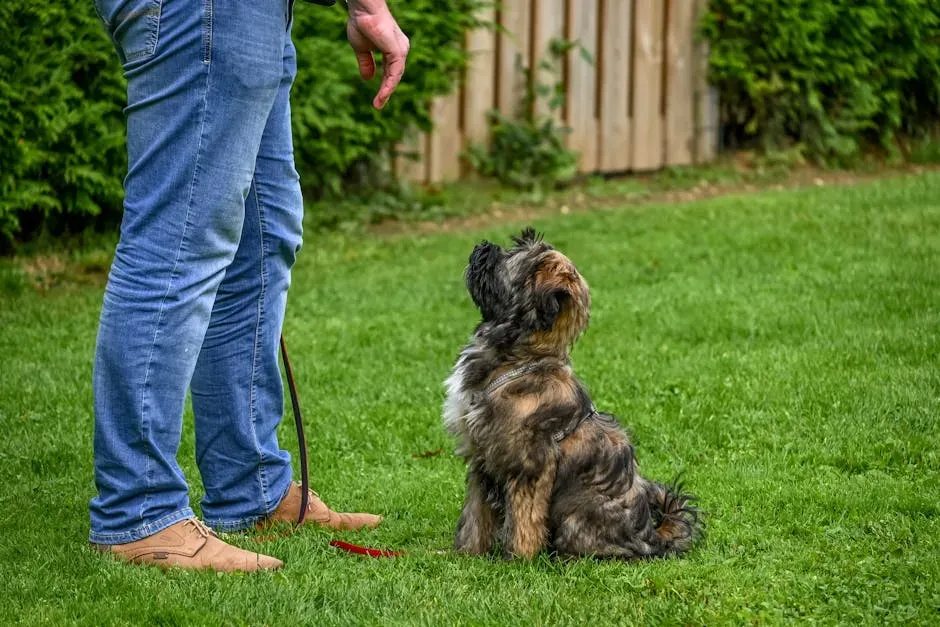
Training and Managing Pawing Behavior (Image Credits: Pexels)While pawing is a natural behavior, excessive or inappropriate pawing can become problematic. Training your dog to use alternative behaviors, such as sitting or using a designated signal, can help manage this behavior. Positive reinforcement techniques can be effective in teaching your dog appropriate ways to seek attention or express their needs.Consistency is key in training. Ensuring that all family members respond to pawing behavior in the same manner can prevent confusion and reinforce desired behaviors.
Conclusion
Conclusion (Image Credits: Pixabay)Understanding that your dog’s pawing is often a request for connection rather than mere attention can deepen the bond you share. By recognizing and appropriately responding to this behavior, you can foster a relationship built on mutual understanding and trust. So, the next time your dog places a paw on you, consider what they’re truly trying to communicate. What message is your furry friend conveying?