
Imagine living in a home where tension hangs thick in the air, voices are raised, and the atmosphere is charged with conflict. Now, picture experiencing this without understanding the reasons behind the discord. This is the reality for many dogs living in households rife with chronic conflict. Recent studies reveal that such environments can lead to severe hypervigilance in dogs, a state of heightened alertness that, if left unaddressed, necessitates targeted behavior modification to reverse.
The Impact of Household Conflict on Canine Behavior

Dogs are highly attuned to their human companions’ emotions and behaviors. In homes where conflict is a regular occurrence, dogs often become anxious and hypervigilant. This constant state of alertness can manifest in behaviors such as excessive barking, pacing, and an inability to relax. Over time, these stress-induced behaviors can escalate, leading to more severe issues like aggression or withdrawal.
Research indicates that dogs exposed to ongoing household discord may develop behavioral problems that are not only distressing for the animal but also challenging for the owners to manage. The link between a stressful home environment and canine behavioral issues underscores the importance of addressing household dynamics for the well-being of all family members, including pets.
Recognizing Signs of Hypervigilance in Dogs

Identifying hypervigilance in dogs is crucial for early intervention. Common signs include constant scanning of the environment, exaggerated startle responses, and difficulty settling down. These dogs may also exhibit clinginess, following their owners from room to room, or conversely, they might become withdrawn, avoiding interaction altogether.
Physical symptoms can accompany these behavioral changes. Increased heart rate, panting, and dilated pupils are indicators of a dog in a heightened state of arousal. Recognizing these signs is the first step toward helping a dog return to a state of calm and security.
The Role of Behavior Modification in Recovery
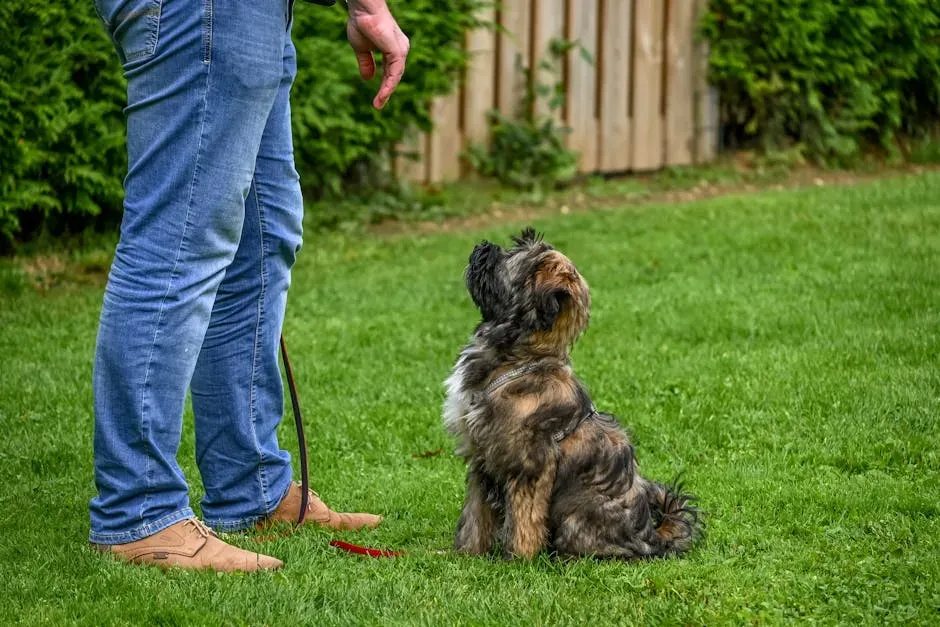
Addressing hypervigilance in dogs requires a structured behavior modification plan. Techniques such as desensitization and counterconditioning are effective in helping dogs learn to associate previously stressful stimuli with positive experiences. For instance, if a dog becomes anxious when voices are raised, pairing the sound with treats or play can gradually reduce the negative association.
Consistency and patience are key. Behavior modification is not an overnight fix but a gradual process that, when implemented correctly, can lead to significant improvements in a dog’s behavior and overall well-being.
Creating a Stable Environment for Your Dog
Beyond behavior modification, creating a stable and predictable environment is essential. Establishing routines for feeding, exercise, and rest can provide a sense of security for dogs. Minimizing exposure to household conflicts by managing when and where disputes occur can also help reduce stress levels in pets.
Providing a safe space, such as a quiet room or a designated area with the dog’s bed and favorite toys, allows the dog to retreat and relax when needed. This sanctuary can be particularly beneficial during times of household tension.
When to Seek Professional Help

In cases where hypervigilance and associated behaviors are severe or persistent, seeking professional help is advisable. Veterinary behaviorists or certified dog trainers can assess the situation and develop a tailored behavior modification plan. They can also determine if medical intervention, such as anti-anxiety medications, might be beneficial in conjunction with behavioral therapy.
Professional guidance ensures that interventions are appropriate and effective, reducing the risk of inadvertently reinforcing undesirable behaviors.
The Importance of Addressing Household Dynamics
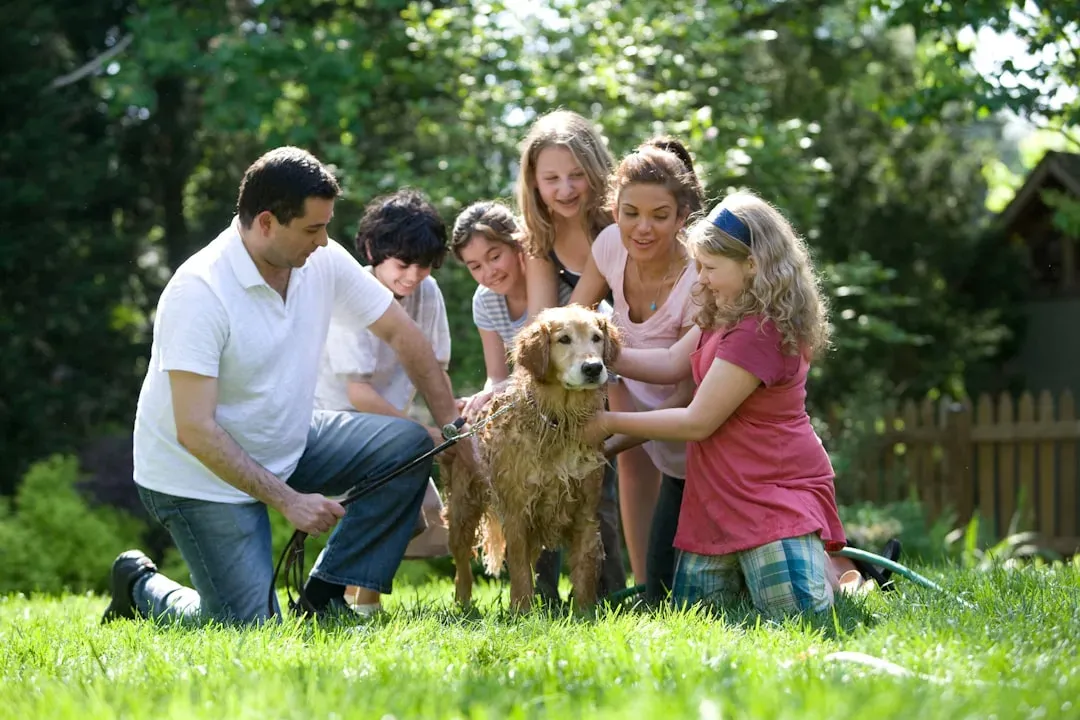
While focusing on the dog’s behavior is important, addressing the root cause – household conflict – is equally crucial. Open communication, conflict resolution strategies, and, if necessary, family counseling can help create a more harmonious home environment. A peaceful household benefits all members, human and canine alike.
By fostering a supportive and calm atmosphere, the likelihood of stress-induced behaviors in dogs decreases, promoting a healthier and happier life for everyone involved.
Conclusion

Chronic household conflict doesn’t just affect humans; it profoundly impacts our canine companions, leading to severe hypervigilance and associated behavioral issues. Recognizing the signs and implementing behavior modification strategies are essential steps toward recovery. However, the most effective approach involves creating a stable, conflict-free environment that addresses the needs of all family members. After all, isn’t a peaceful home the foundation of a happy life for both humans and their furry friends?


