
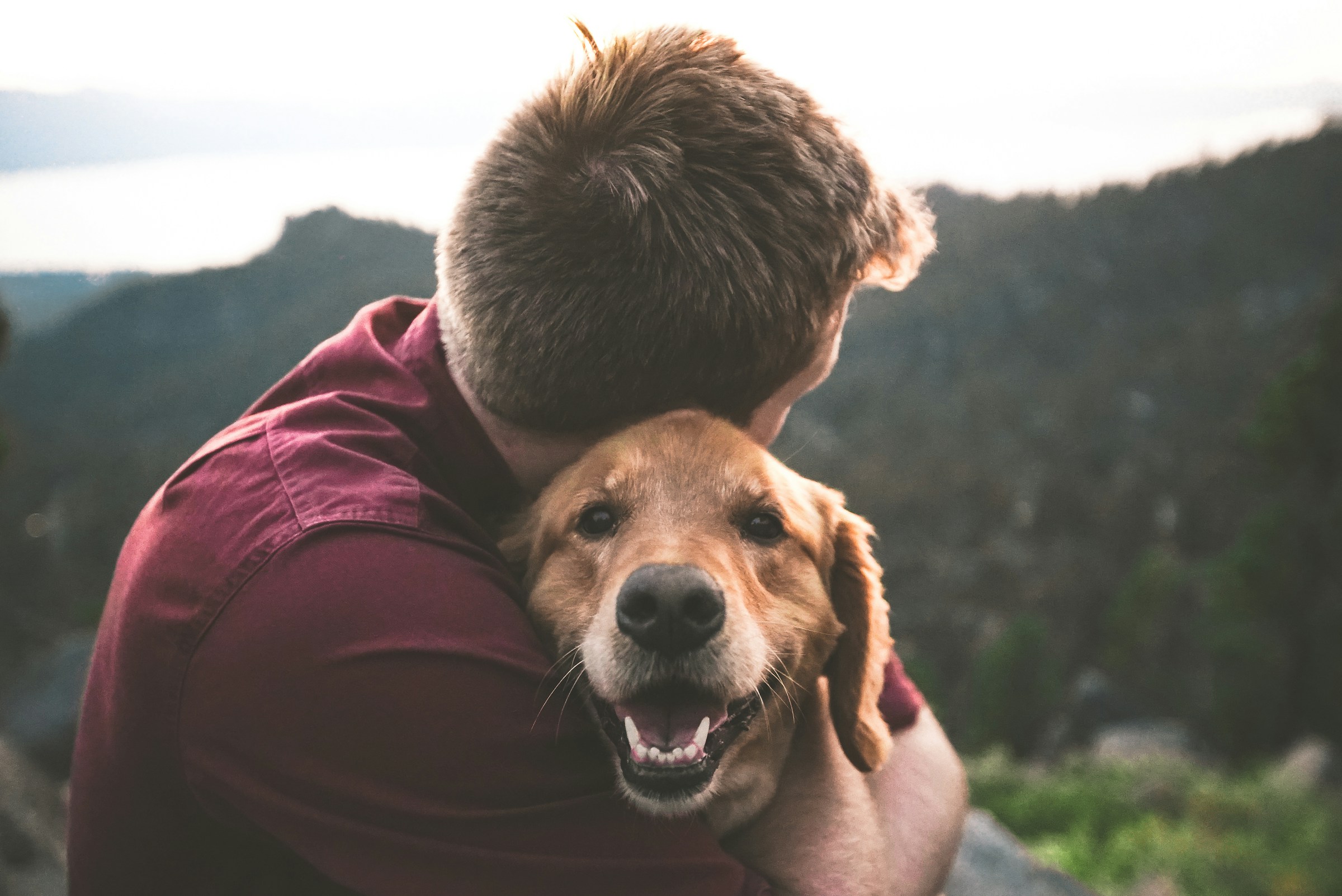
Ever noticed your dog glancing back at you during walks? This seemingly simple behavior is more than just a casual check-in; it’s a profound expression of the bond between you and your canine companion. Let’s delve into the reasons behind this endearing habit and what it signifies about your relationship.
Checking for Your Presence
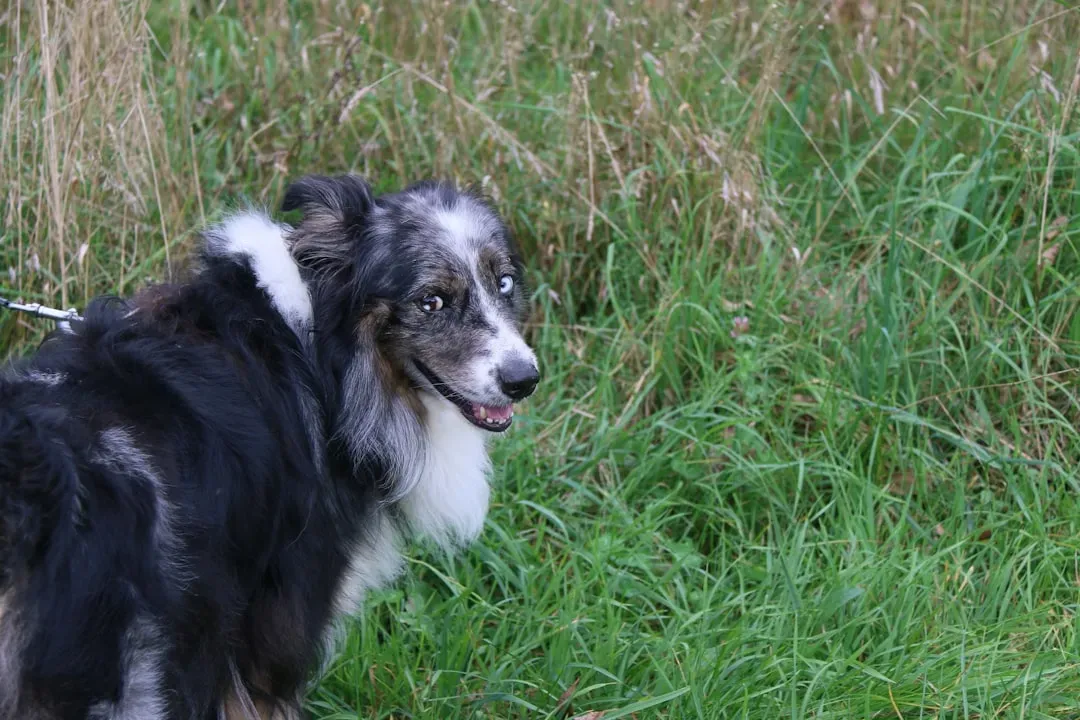
Dogs are inherently social creatures, often viewing their human companions as part of their pack. When your dog looks back during a walk, it’s their way of ensuring you’re still with them, maintaining the pack’s cohesion. This behavior underscores their reliance on you for guidance and safety.
Such check-ins are especially common in unfamiliar environments or situations. Your dog seeks reassurance that you’re nearby, ready to face any challenges together. It’s a testament to the trust they’ve placed in you as their leader and protector.
Seeking Reassurance and Security
The world can be a sensory overload for dogs, filled with unfamiliar sights, sounds, and smells. A quick glance back at you during a walk can be their way of seeking reassurance. They’re essentially asking, “Is everything okay?”
Your calm demeanor in response to their look can provide the comfort they need to navigate their surroundings confidently. This mutual understanding strengthens the emotional connection between you and your dog, fostering a sense of security and trust.
Communication and Coordination
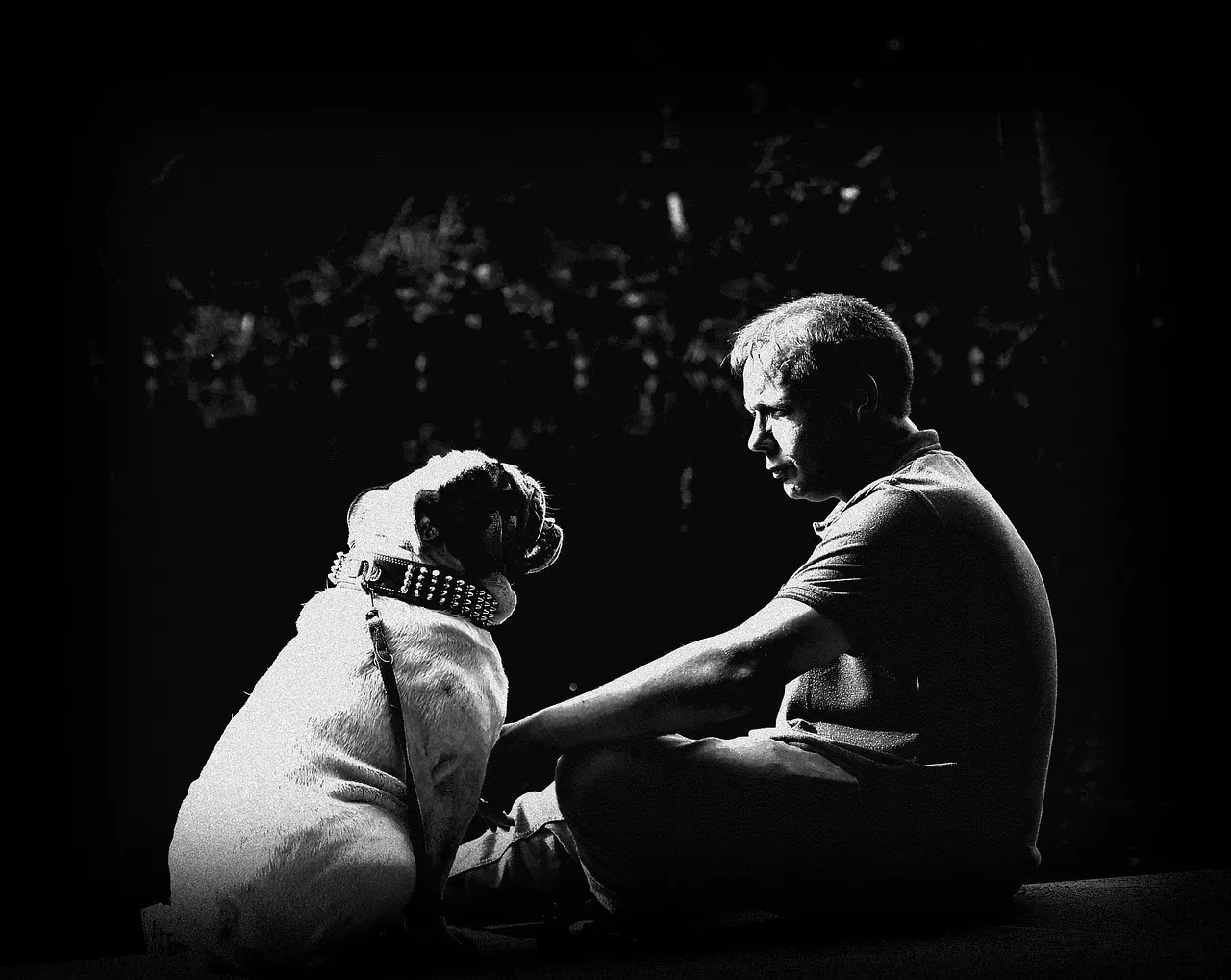
Looking back isn’t just about seeking comfort; it’s also a form of communication. Your dog might be checking to see if you’re following their lead, indicating they’ve spotted something interesting, or even hinting that they need a break.
This non-verbal exchange enhances the synchrony between you and your dog during walks. It reflects their attentiveness to your actions and their desire to stay connected, ensuring a harmonious walking experience.
Influence of Training and Reinforcement
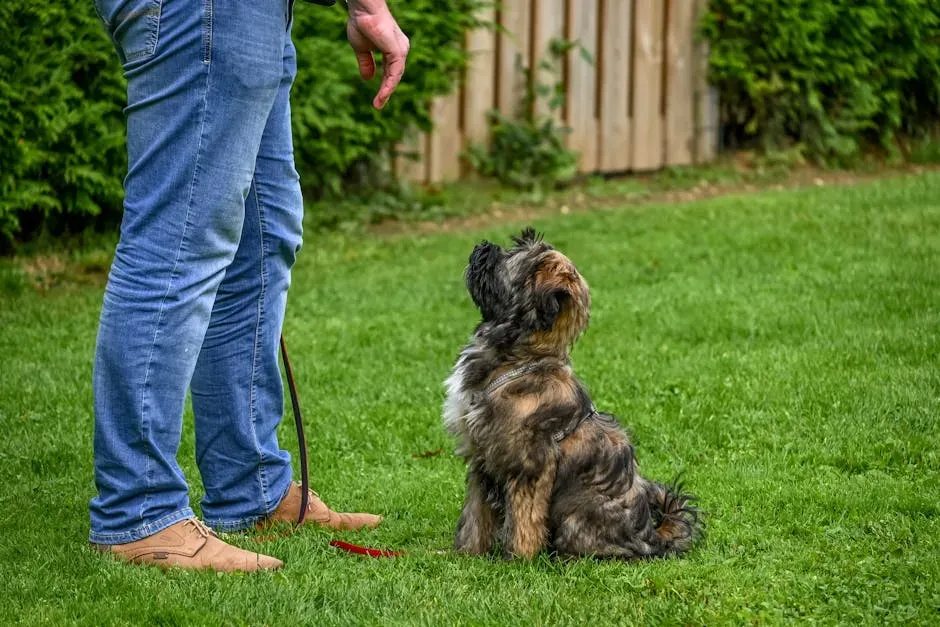
Training plays a significant role in this behavior. If you’ve consistently rewarded your dog for checking in during walks, they’ve learned that looking back at you results in positive reinforcement, such as praise or treats.
This learned behavior not only improves leash manners but also reinforces the bond between you. It encourages your dog to stay engaged with you, making walks more enjoyable and cooperative.
Breed-Specific Tendencies
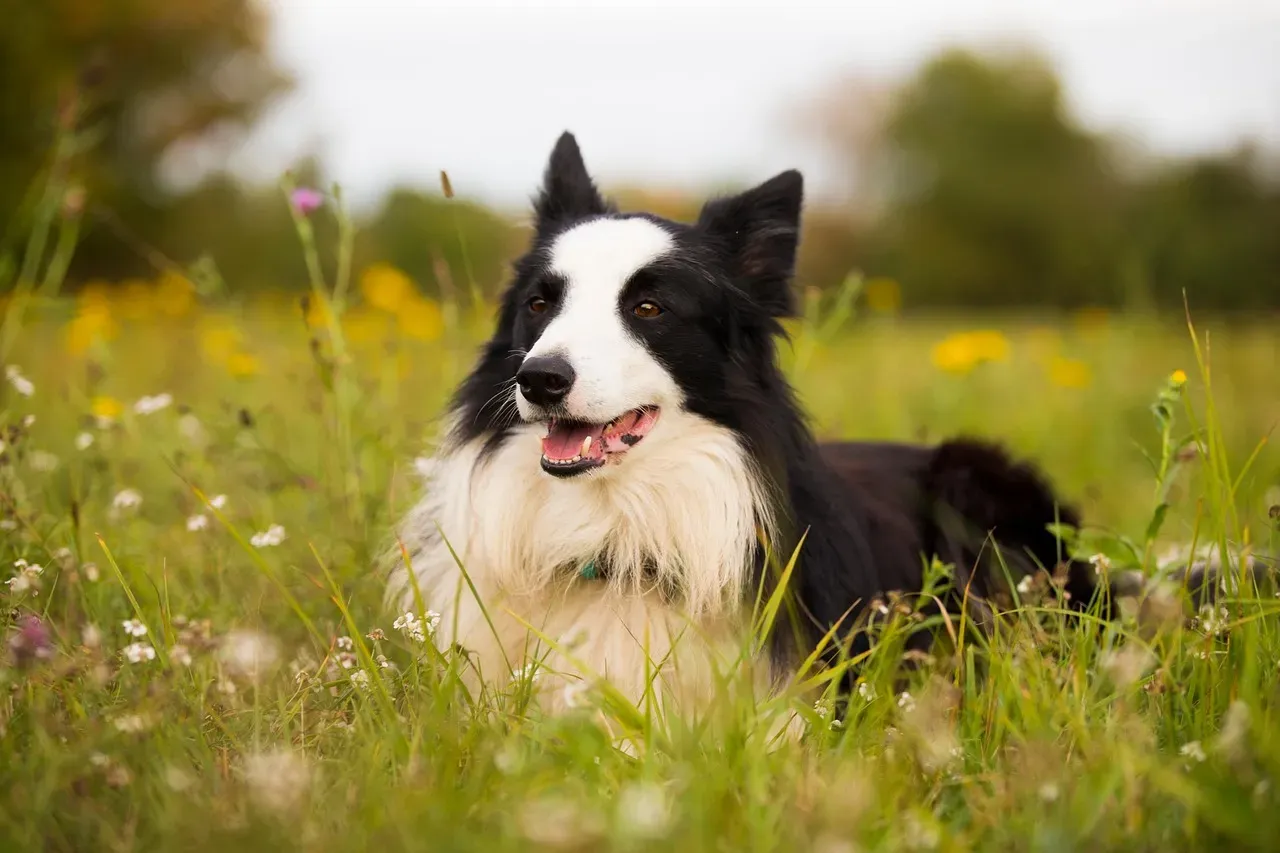
Certain breeds are more predisposed to this behavior due to their genetic makeup. Herding breeds, like Border Collies and Australian Shepherds, have an innate drive to monitor and control movement, leading them to frequently check in with their human companions.
Understanding your dog’s breed tendencies can provide insight into their behaviors and help tailor your interactions to strengthen your bond further.
Addressing Excessive Looking Back
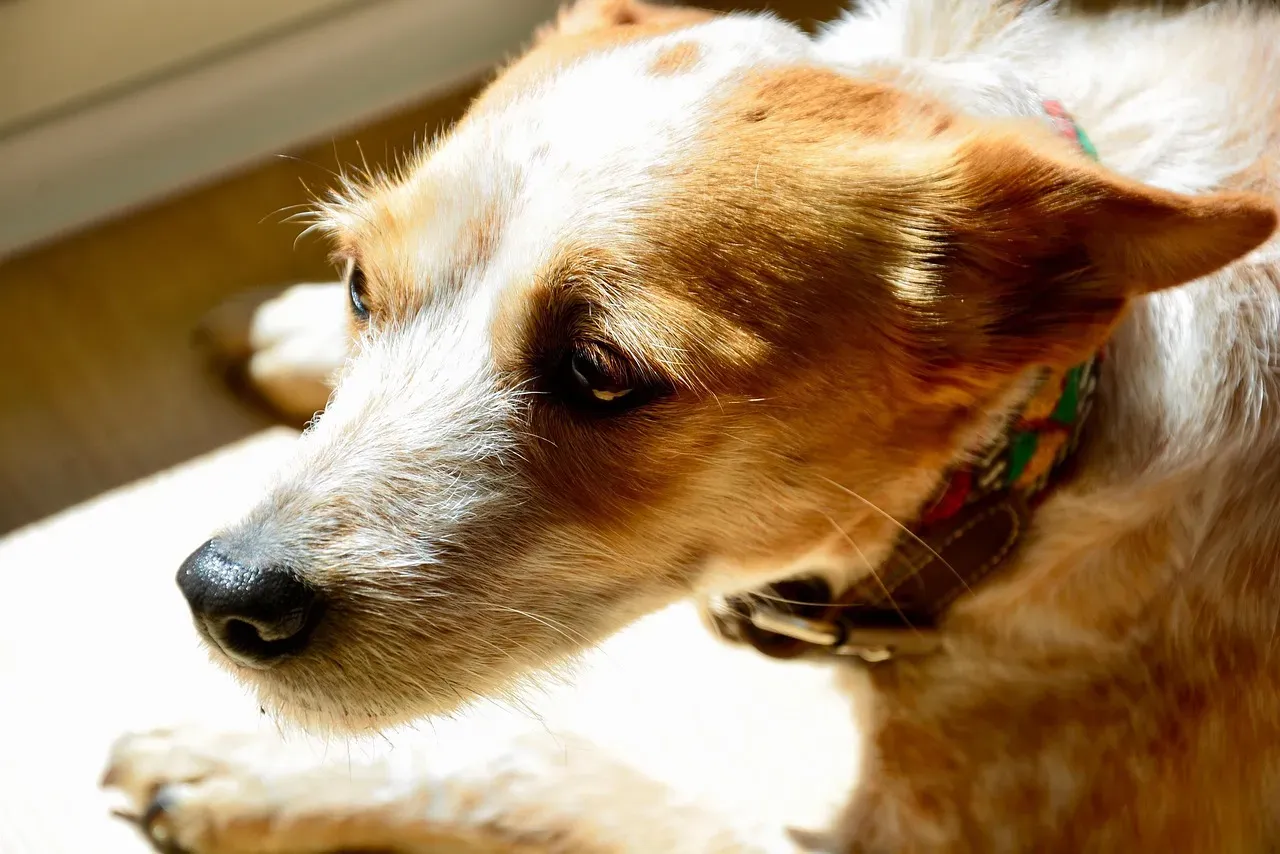
While occasional glances are normal, excessive looking back might indicate anxiety or insecurity. If your dog frequently stops and stares at you during walks, it could be a sign they’re feeling unsettled.
In such cases, it’s essential to assess the environment for potential stressors and consider consulting a veterinarian or professional dog trainer to address any underlying issues. Ensuring your dog feels safe and confident during walks is crucial for their well-being and your shared bond.
Conclusion
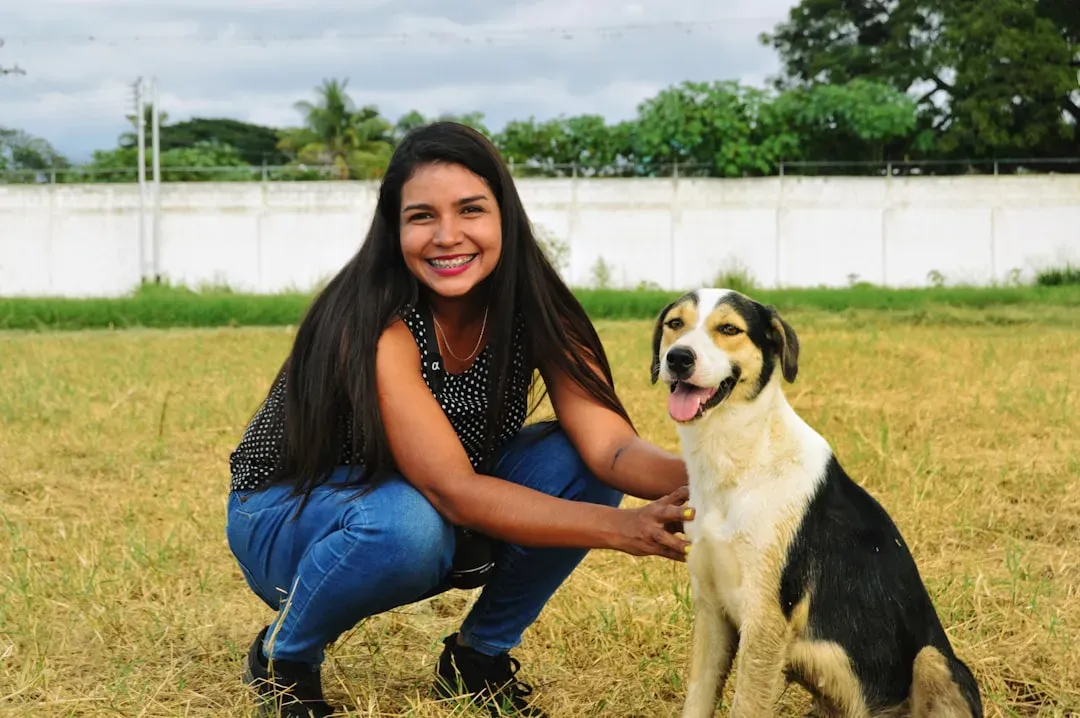
Those frequent glances your dog gives you during walks are more than just cute quirks; they’re meaningful expressions of trust, communication, and affection. Embracing and responding to these behaviors can deepen your connection, making each walk a shared journey of companionship and mutual understanding.
So, the next time your dog looks back at you during a stroll, remember – it’s their way of saying, “I’m with you, every step of the way.” How will you respond to strengthen that bond even further?


