
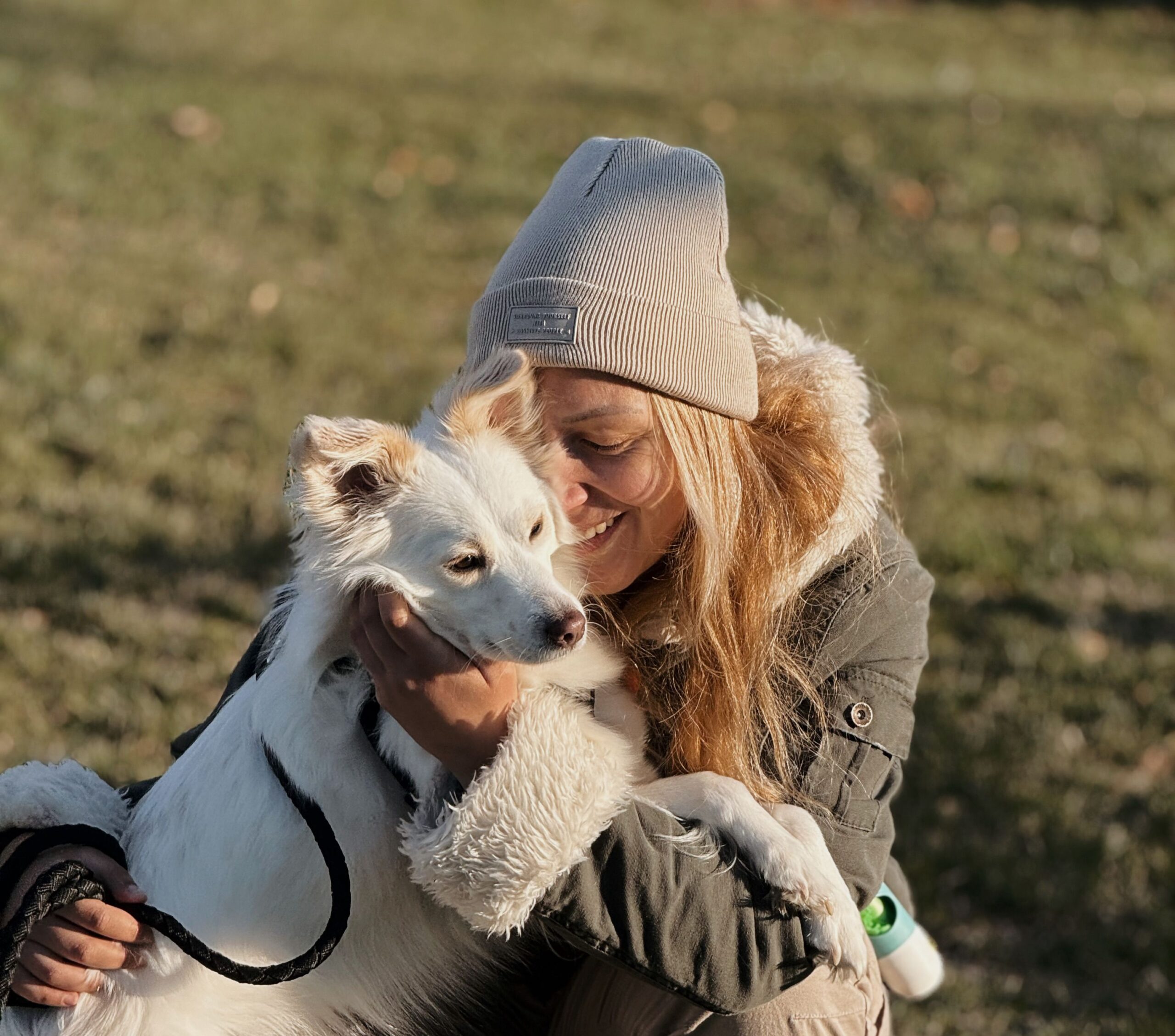
Ever noticed your dog gazing at you as you drift off to sleep? This seemingly simple behavior is more than just a quirky habit; it’s a window into the deep bond between you and your canine companion. Let’s delve into the fascinating world of canine psychology to understand why your dog watches you before bedtime and what it reveals about your relationship.
The Deep-Rooted Bond Between Dogs and Humans
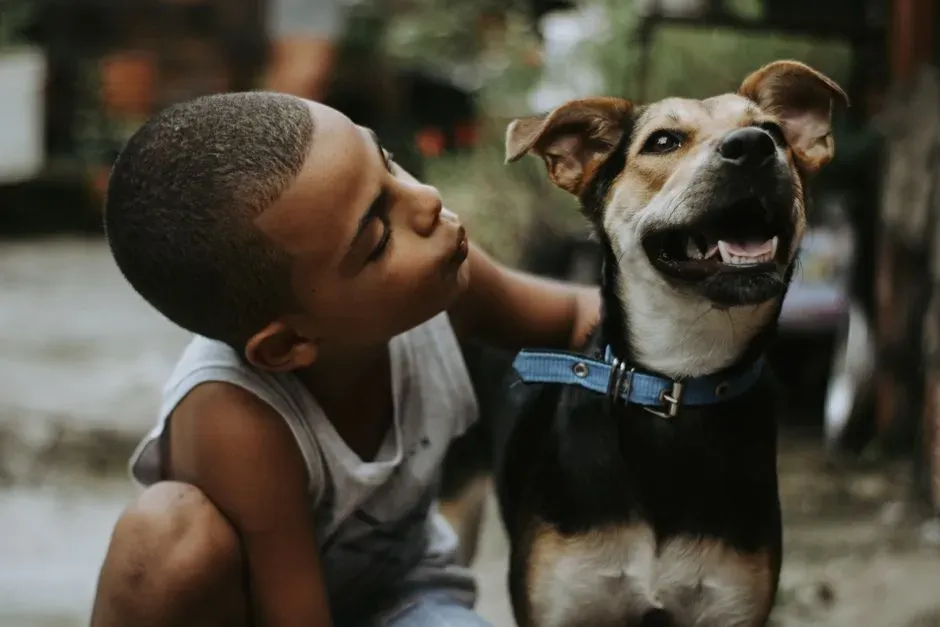
Dogs have been our loyal companions for thousands of years, evolving alongside humans and developing intricate social bonds. This connection is so profound that it’s often compared to the attachment between a child and a parent. Just as a child seeks comfort and security from a caregiver, dogs look to their owners for safety and reassurance.
Research has shown that dogs exhibit behaviors indicative of attachment, such as seeking proximity, showing distress during separation, and displaying joy upon reunion. These behaviors underscore the depth of the emotional connection they share with their human counterparts.
Understanding the Pre-Sleep Stare
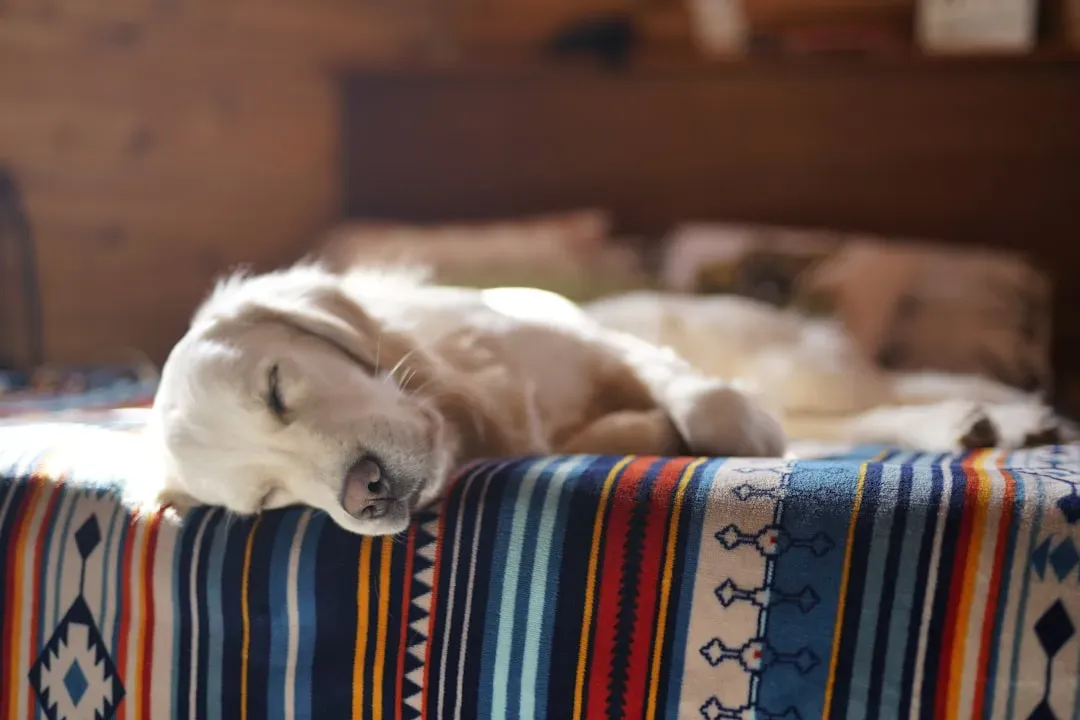
When your dog watches you before falling asleep, it’s not merely out of curiosity. This behavior is a manifestation of their attachment to you. By keeping you in their line of sight, dogs are reinforcing their sense of security and trust. It’s their way of ensuring that their trusted companion is nearby, allowing them to relax and transition into sleep peacefully.
This act can be likened to a child wanting a bedtime story or a lullaby before sleeping. It’s a ritual that provides comfort and signifies the presence of a loved one, making the environment feel safe and familiar.
The Science Behind the Behavior
Studies have delved into the physiological aspects of this behavior. Research indicates that dogs with a strong attachment to their owners tend to have better sleep quality when in their presence. They fall asleep faster, experience deeper sleep stages, and exhibit fewer signs of stress. This suggests that the mere presence of an owner can have a calming effect on a dog, promoting better rest and overall well-being.
Furthermore, the act of mutual gazing between dogs and their owners has been linked to increased levels of oxytocin, often referred to as the “love hormone.” This hormone plays a crucial role in bonding and social interactions, further solidifying the connection between you and your furry friend.
Attachment Styles in Dogs

Just like humans, dogs can exhibit different attachment styles. Some may display secure attachment, feeling comfortable and confident in their relationship with their owner. Others might show signs of anxious attachment, constantly seeking attention and reassurance. The pre-sleep stare can be an indicator of these attachment styles, reflecting the dog’s need for closeness and security.
Understanding your dog’s attachment style can help in addressing any behavioral issues and strengthening your bond. It allows you to provide the appropriate level of comfort and support, ensuring a harmonious relationship.
Environmental Factors Influencing the Behavior
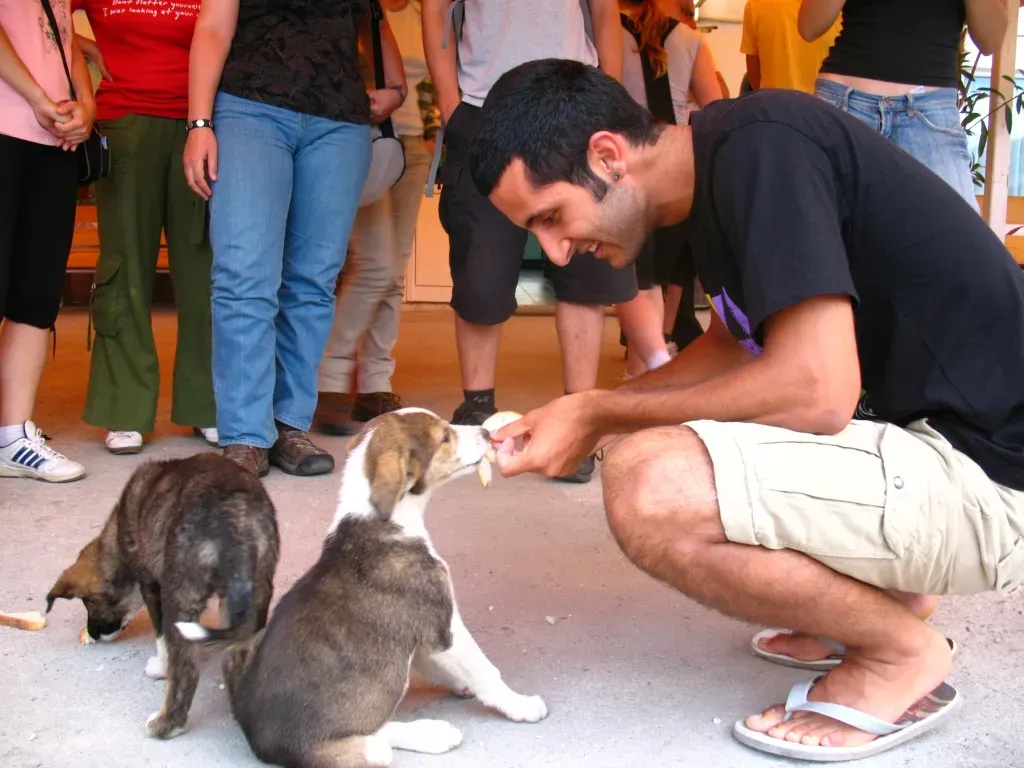
The environment plays a significant role in this behavior. Dogs are more likely to exhibit the pre-sleep stare in unfamiliar or new settings. In such situations, they rely heavily on their owners for cues of safety and normalcy. Your presence becomes a beacon of comfort, helping them navigate and adapt to new surroundings.
Conversely, in familiar environments where they feel secure, this behavior might be less pronounced. However, the underlying attachment remains, and the behavior can resurface during times of stress or change.
Strengthening the Human-Dog Bond
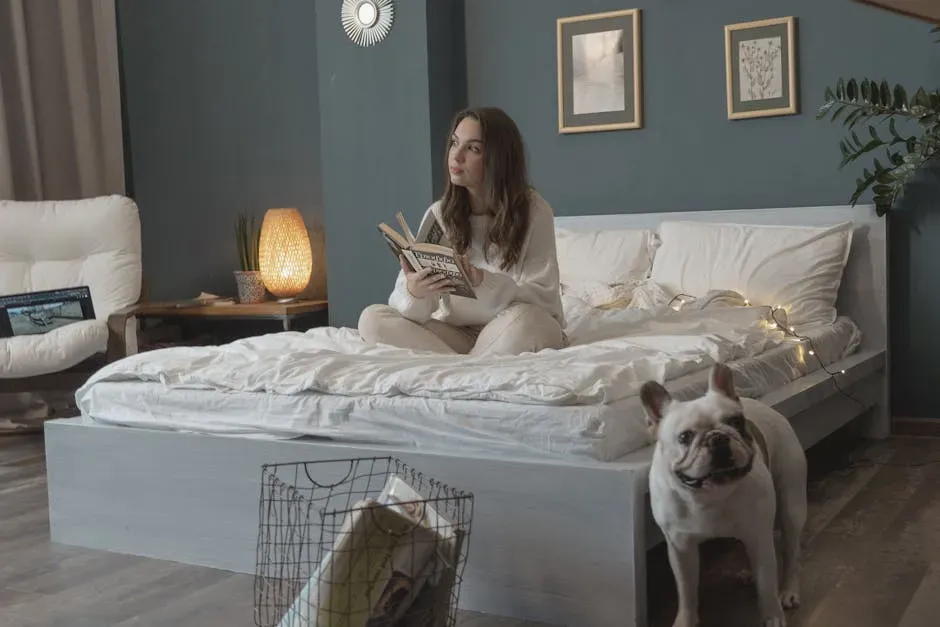
Recognizing and responding to your dog’s pre-sleep stare can further strengthen your bond. Engaging in calming bedtime routines, such as gentle petting or soft-spoken words, can reassure your dog and enhance feelings of security. These rituals not only comfort your dog but also provide an opportunity for you to unwind and connect after a long day.
Consistency is key. Establishing and maintaining these routines can help in building trust and reinforcing the attachment, leading to a happier and more content canine companion.
Conclusion

The next time you catch your dog watching you before they drift off to sleep, remember that it’s a testament to the deep bond you share. This behavior is a reflection of their trust, love, and reliance on you for comfort and security. Embracing and understanding these moments can lead to a more fulfilling and enriched relationship with your furry friend.
So, as you tuck yourself in tonight, take a moment to appreciate the silent, watchful eyes of your loyal companion, knowing that in their gaze lies a world of affection and trust.


