As our beloved canine companions enter their golden years, many owners notice a shift in behavior: their once energetic dogs now prefer quiet companionship over vigorous play. This change isn’t merely a sign of aging; it’s deeply rooted in the psychological and emotional needs of senior dogs. Understanding these needs can help us provide the best care and strengthen the bond we share with our aging pets.
The Emotional Landscape of Aging Dogs
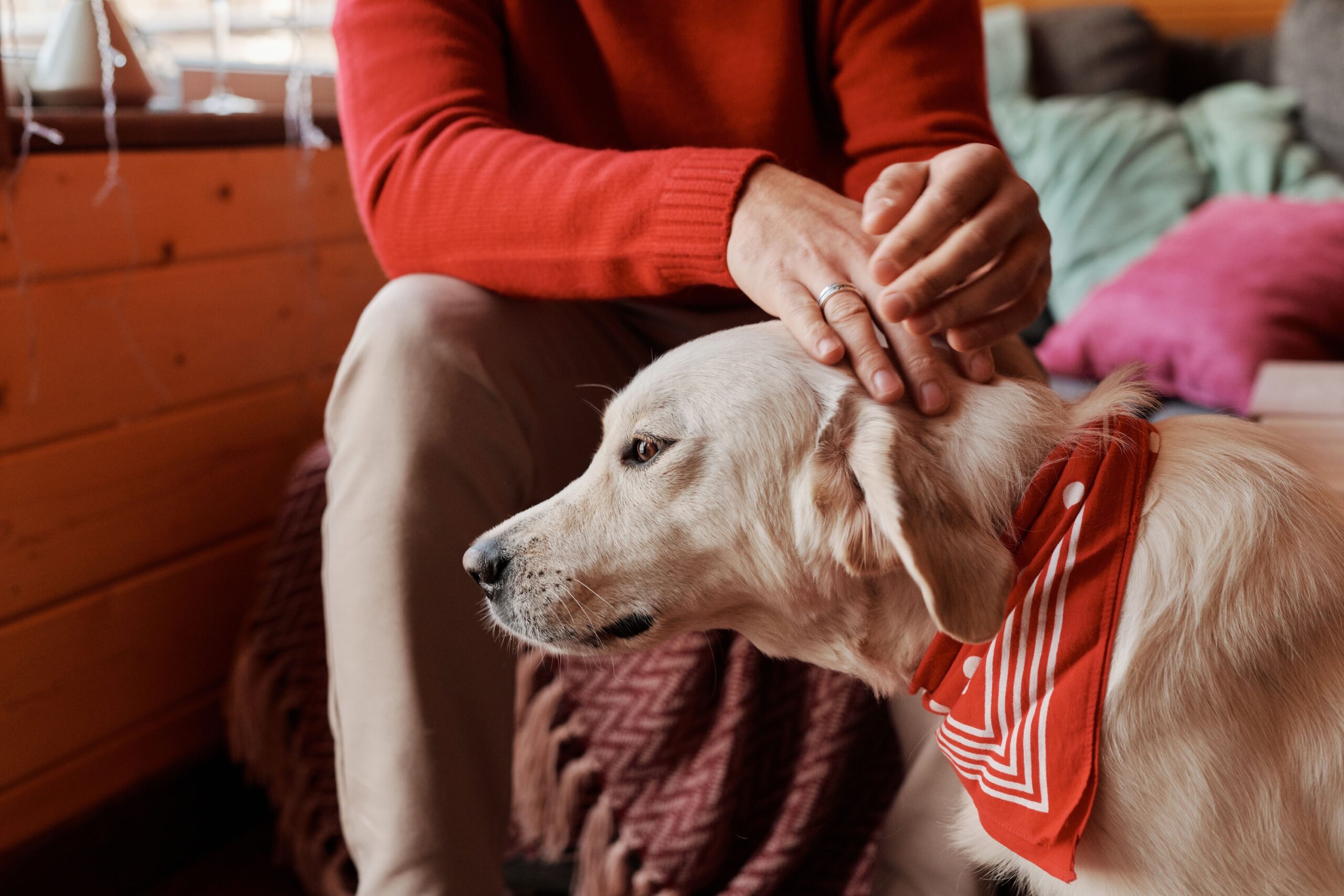
The Emotional Landscape of Aging Dogs (Image Credits: Unsplash)Aging brings about significant changes in a dog’s physical and mental health. As their senses dull and mobility decreases, senior dogs often experience heightened anxiety and uncertainty. This emotional shift leads them to seek comfort and reassurance from their human companions more than ever before. They may follow you from room to room, rest their head on your lap, or simply want to be near you, finding solace in your presence.
Why Reassurance Becomes Paramount
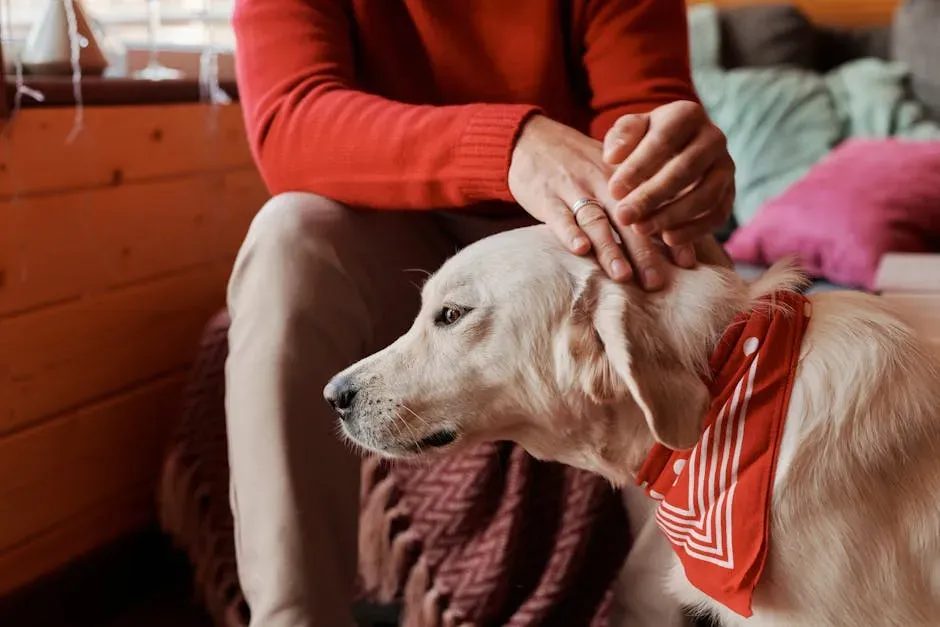
Why Reassurance Becomes Paramount (Image Credits: Pexels)For senior dogs, the world can become a confusing place. Familiar environments may seem unfamiliar due to sensory decline, and tasks that were once effortless can become challenging. In these moments, the presence of a trusted human provides a sense of security. Gentle petting, soothing words, and consistent routines can significantly alleviate their stress and anxiety, offering them the reassurance they crave.
Balancing Physical Activity with Emotional Support
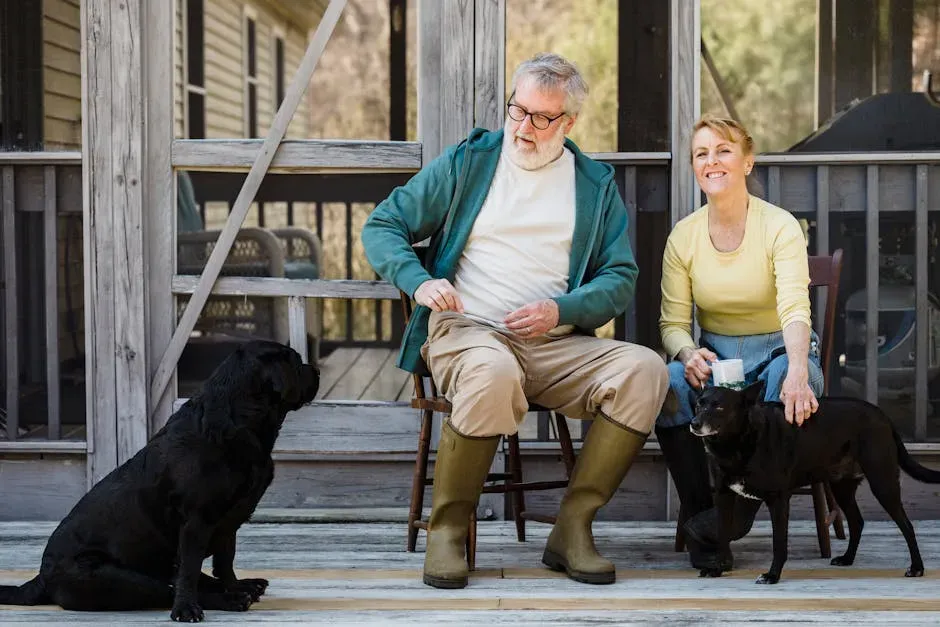
Balancing Physical Activity with Emotional Support (Peter Mooney, Flickr, CC BY-SA 2.0)While exercise remains important for maintaining physical health, the intensity and duration should be adjusted to suit an aging dog’s capabilities. Short, gentle walks and low-impact activities can keep them physically active without causing strain. However, it’s the emotional support – through quality time, affection, and understanding – that truly enhances their well-being during their senior years.
Recognizing Signs of Increased Need for Reassurance
Recognizing Signs of Increased Need for Reassurance (Image Credits: Pexels)It’s essential to be attentive to behavioral changes that indicate a need for more emotional support. Signs include increased clinginess, restlessness, vocalization, or changes in sleep patterns. These behaviors often signal that your dog is seeking comfort and reassurance. Responding with patience and empathy can make a significant difference in their quality of life.
Creating a Comforting Environment
Creating a Comforting Environment (Image Credits: Pexels)To support your senior dog’s emotional needs, consider creating a calm and predictable environment. Provide a comfortable resting area, maintain a consistent daily routine, and minimize loud noises or sudden changes. Engaging in gentle play, offering favorite toys, and spending quiet time together can also reinforce their sense of security and belonging.
The Role of Veterinary Support
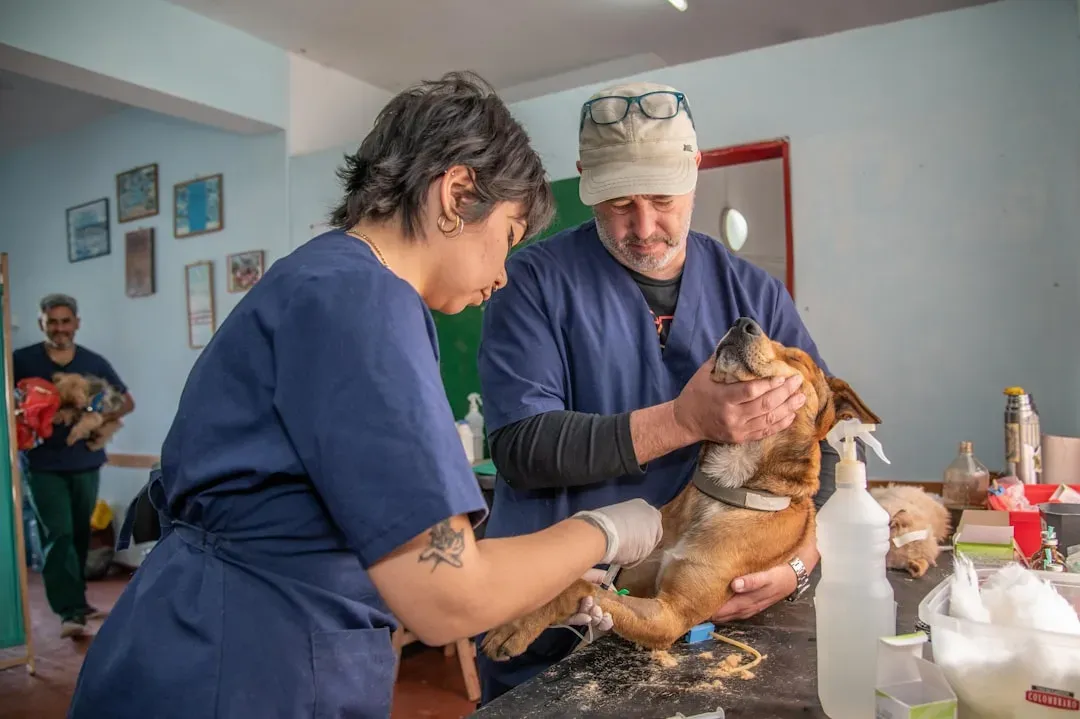
The Role of Veterinary Support (Image Credits: Unsplash)Regular veterinary check-ups are crucial to monitor and address any health issues that may contribute to anxiety or discomfort. Conditions like arthritis, vision or hearing loss, and cognitive decline can affect a dog’s behavior and emotional state. A veterinarian can offer guidance on managing these conditions and suggest strategies to support your dog’s emotional health.
Strengthening the Human-Canine Bond
Strengthening the Human-Canine Bond (Image Credits: Pexels)The later years of a dog’s life offer a unique opportunity to deepen the bond between pet and owner. By understanding and responding to their increased need for reassurance, we can provide a loving and supportive environment that honors their lifetime of companionship. This mutual care not only enhances their well-being but also enriches our own lives with the profound connection we share.In conclusion, while physical exercise remains a component of a senior dog’s health, their emotional needs take precedence as they age. Recognizing and addressing their desire for reassurance allows us to offer the compassionate care they deserve. After all, isn’t the comfort and love we provide the greatest gift we can offer our loyal friends in their twilight years?