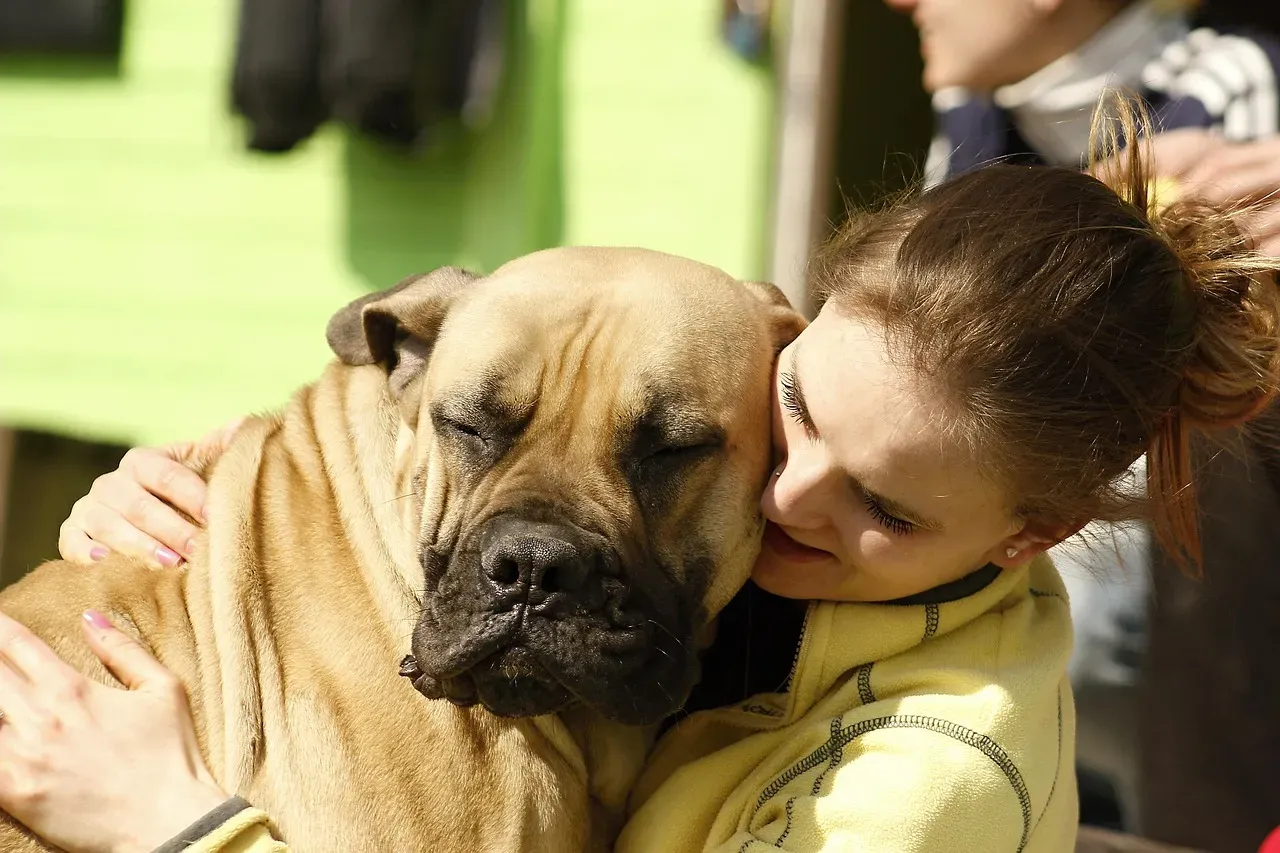
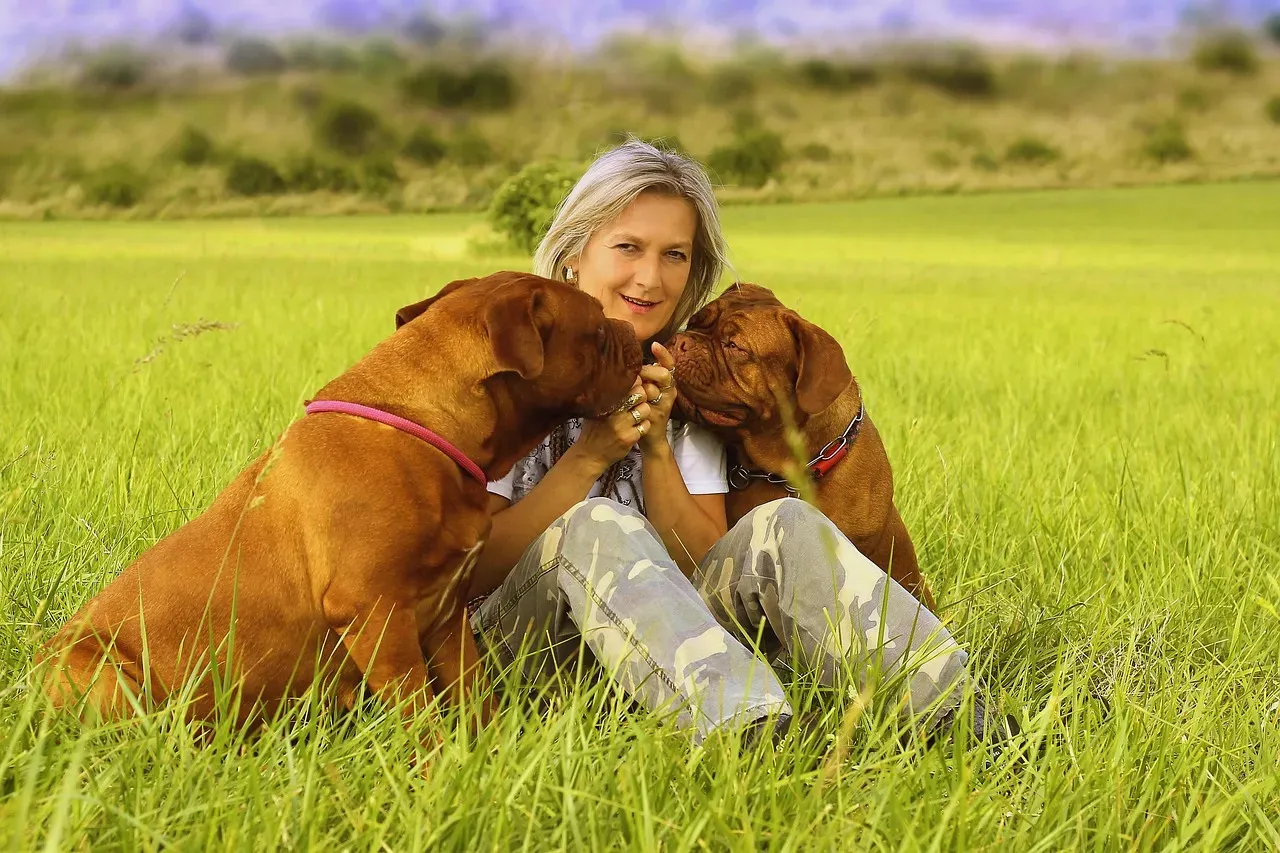
Imagine returning home after a long day to find your dog waiting eagerly at the door, tail wagging furiously, eyes sparkling with joy. This heartwarming scene is a daily reality for many dog owners, but have you ever wondered what’s happening inside your furry friend’s brain during these reunions? Recent scientific studies have begun to unravel the complex neural processes that occur when dogs are reunited with their favorite humans. Let’s delve into nine fascinating changes that take place in a dog’s brain during these joyful moments.
1. Activation of the Reward Center
1. Activation of the Reward Center (Image Credits: Unsplash)When dogs see their beloved owners, the caudate nucleus – a region associated with reward processing – lights up. This activation indicates that, for dogs, reuniting with their human companions is a highly rewarding experience. It’s akin to the pleasure humans feel when they see a loved one or indulge in their favorite treat.This neural response underscores the depth of the bond between dogs and their owners. It’s not just about food or play; the mere presence of their favorite person brings genuine joy to a dog’s life.
2. Enhanced Olfactory Processing
2. Enhanced Olfactory Processing (Image Credits: Pexels)Dogs possess an extraordinary sense of smell, and their brains are wired to process olfactory information efficiently. Upon their owner’s return, the olfactory bulb becomes particularly active, allowing dogs to recognize and differentiate their owner’s unique scent from others.This heightened olfactory processing enables dogs to detect their owner’s presence even before they enter the house. It’s a testament to the intricate ways dogs use their senses to connect with their human companions.
3. Increased Oxytocin Levels
3. Increased Oxytocin Levels (Image Credits: Pixabay)Oxytocin, often dubbed the “love hormone,” plays a crucial role in social bonding. Studies have shown that dogs experience a surge in oxytocin levels during reunions with their owners, reinforcing the emotional connection between them.This hormonal boost not only strengthens the bond but also promotes feelings of trust and affection, making each reunion a deeply emotional event for your canine friend.
4. Activation of the Visual Cortex
4. Activation of the Visual Cortex (Image Credits: Unsplash)While dogs rely heavily on their sense of smell, their visual cortex also becomes active when they see their owners. This suggests that dogs recognize their humans not just by scent but also by sight, processing visual cues to identify familiar faces.This visual recognition adds another layer to the multifaceted ways dogs perceive and connect with their owners, highlighting the complexity of their sensory processing.
5. Emotional Processing in the Amygdala
5. Emotional Processing in the Amygdala (Image Credits: Pexels)The amygdala, a brain region involved in processing emotions, shows increased activity during reunions. This indicates that dogs experience genuine emotional responses when they see their favorite person, similar to the joy humans feel during happy reunions.This emotional processing underscores the depth of feelings dogs have for their owners, debunking the myth that canine affection is purely transactional.
6. Stress Reduction
6. Stress Reduction (Image Credits: Pexels)Reuniting with their owner leads to a decrease in cortisol levels, the hormone associated with stress. This physiological change suggests that the presence of their favorite human has a calming effect on dogs, alleviating anxiety and promoting relaxation.This stress reduction highlights the comforting role owners play in their dogs’ lives, serving as a source of security and peace.
7. Activation of the Prefrontal Cortex
7. Activation of the Prefrontal Cortex (Image Credits: Pixabay)The prefrontal cortex, responsible for decision-making and social behavior, becomes more active during reunions. This suggests that dogs are not only happy to see their owners but are also engaging in complex social processing, perhaps anticipating interaction or play.This cognitive engagement indicates that dogs are actively thinking and planning during reunions, reflecting their intelligence and social nature.
8. Increased Dopamine Release
8. Increased Dopamine Release (Image Credits: Pixabay)Dopamine, a neurotransmitter linked to pleasure and reward, is released in higher amounts when dogs are reunited with their owners. This chemical surge contributes to the feelings of happiness and excitement observed during these moments.This dopamine release explains the exuberant behaviors dogs display upon seeing their owners, from joyful barking to enthusiastic tail wagging.
9. Strengthening of Memory Associations
9. Strengthening of Memory Associations (Image Credits: Pixabay)Each reunion reinforces positive memories associated with the owner. The hippocampus, a region involved in memory formation, becomes active, solidifying the bond and ensuring that the dog remembers the joy of these interactions.This memory strengthening ensures that dogs continue to look forward to their owner’s return, maintaining the anticipation and excitement over time.In conclusion, the reunion between a dog and their favorite person is more than just a heartwarming moment; it’s a complex interplay of neural and hormonal changes that underscore the profound bond shared between humans and their canine companions. Understanding these processes not only deepens our appreciation for our furry friends but also highlights the importance of nurturing these relationships. So, the next time your dog greets you with unbridled enthusiasm, remember that it’s not just excitement – it’s love, etched deeply into their very being.